Foreign Investment in Saudi Arabia: Rules & Limits

Foreign investors looking to enter the Saudi market now register with the Ministry of Investment (MISA) before investing, under a system that has replaced the former investment-licence model with a simpler investment-registration process. Registration is open to foreign legal entities, foreign companies, and individuals who hold Saudi Premium Residency.
Many sectors in the Kingdom permit up to 100% foreign ownership, though this remains subject to activity-specific regulatory approvals, commercial-registration requirements, Saudization and localization obligations, and sector-specific rules. A number of fields, however, remain closed or restricted to foreign investment, including upstream oil exploration, drilling and production; military equipment manufacturing and services; land and ground transportation; commercial agency and distribution; Hajj and Umrah services; and living marine resources. By contrast, downstream energy activities such as refining and petrochemicals generally do allow foreign investment.
On process and timing, applicants must pay the MISA registration fee within 15 days of receiving the payment notice, and a complete application is typically processed in around 10 working days. A non-Saudi company must register with MISA, disclose its direct and indirect ownership and control, secure a Saudi identification for its authorized representative, and open a Saudi bank account. Any transfer of 5% or more of a registered foreign company's ownership must be reported to MISA within 15 days.
Real estate for non-Saudis
Property ownership by non-Saudis is organized by geographic zones and requires mandatory registration with the Real Estate General Authority (REGA). Ownership in Makkah and Madinah is limited to Muslim natural persons under the applicable implementing rules. Non-Saudi companies may own property within permitted zones; ownership outside those zones for business operations or employee housing requires prior MISA approval.
REGA currently applies a fee of 2% of transaction value on covered non-Saudi real-estate dealings in Riyadh, Makkah, Madinah, and Jeddah, with real-estate transfer tax or other charges possibly applying as well. For the community, these rules offer a clearer roadmap for residents and companies weighing investment or property purchases in the Kingdom.
Stay updated with the latest news, events, sports updates, business insights, real estate and lifestyle stories on Saudi Living — the leading online platform for residents, expats, and visitors in Saudi Arabia.
Follow Saudi Living for daily updates:
- Instagram - @saudiliving
- X - @saudiliving
- Facebook - @saudiliving
- YouTube - @saudiliving
Up Next
Large VAT Firms Must File Monthly or Face Penalties
Businesses with VAT supplies above SAR 40 million must file monthly returns by month-end, or face penalties of 5% to 25%.
Nov 21,2026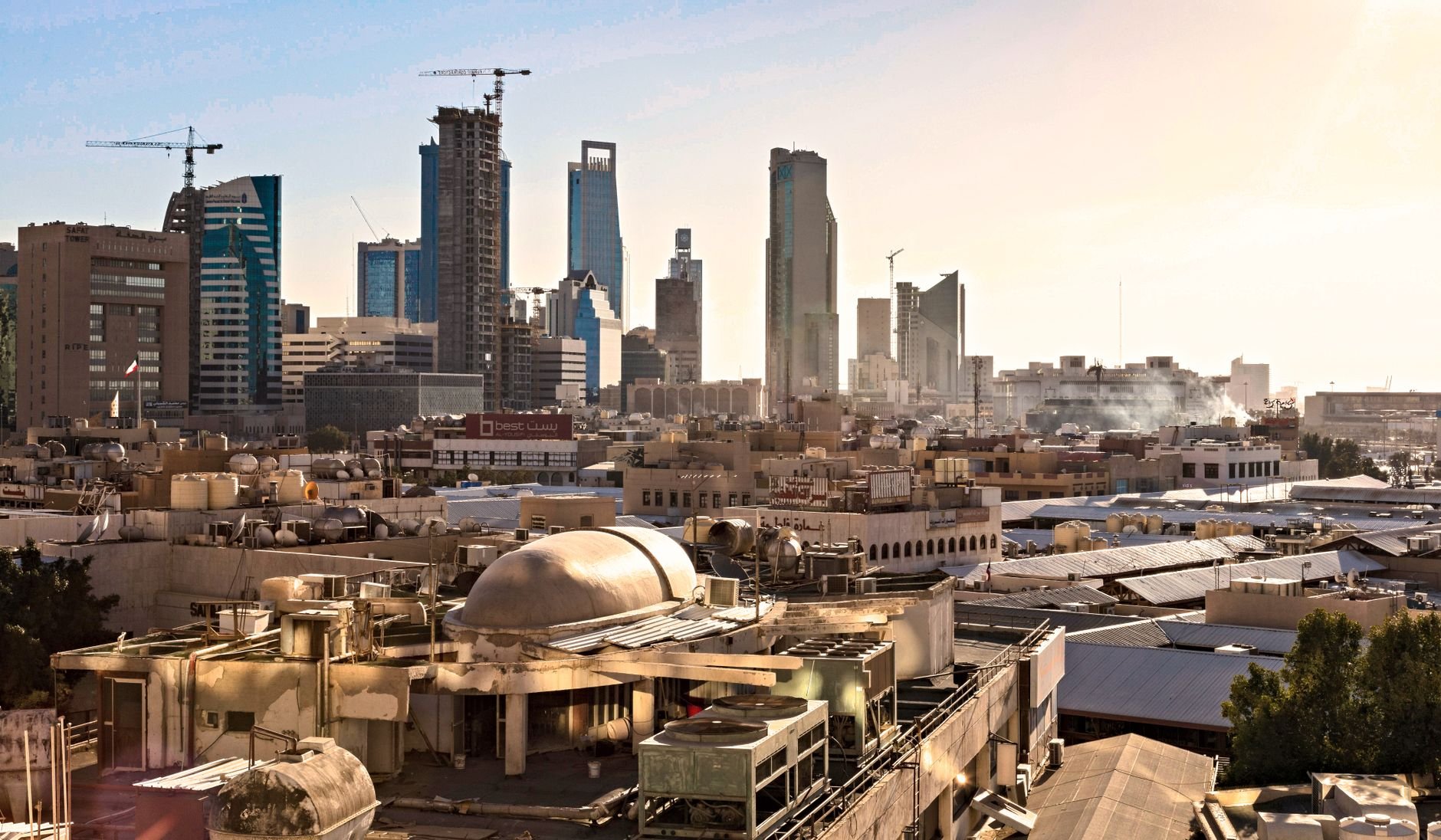
MISA Investment Flow-26 Survey: What Firms Must Report
Foreign companies must report actual and expected investment injections for 2026 through MISA's Investment Flow-26 survey. Here are the details.
Nov 21,2026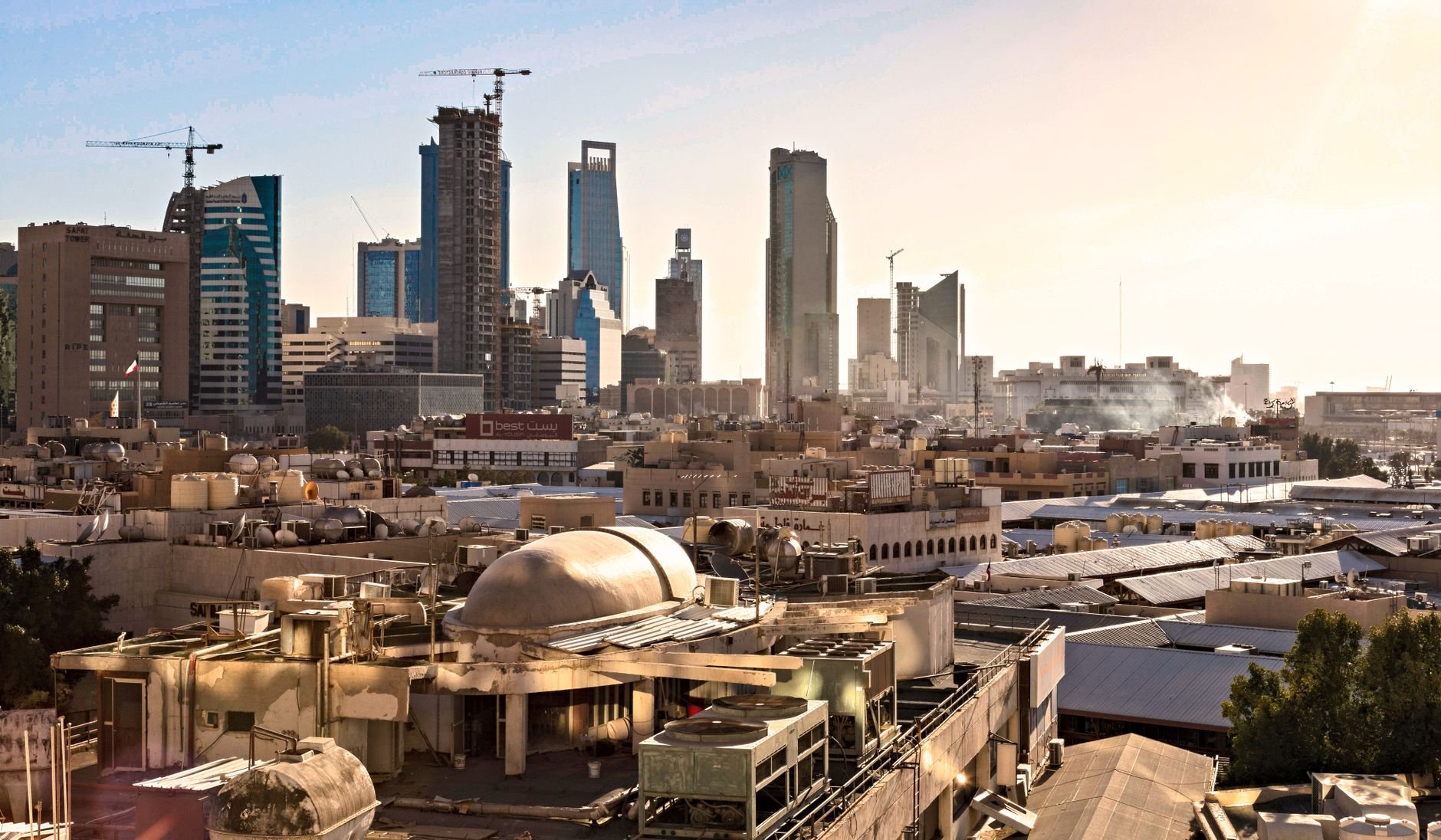
How Mixed-Ownership Firms Handle Zakat and Tax
Mixed-ownership companies in Saudi Arabia pay 20% corporate income tax on foreign-owned profit and Zakat on the Saudi and GCC share.
Nov 20,2026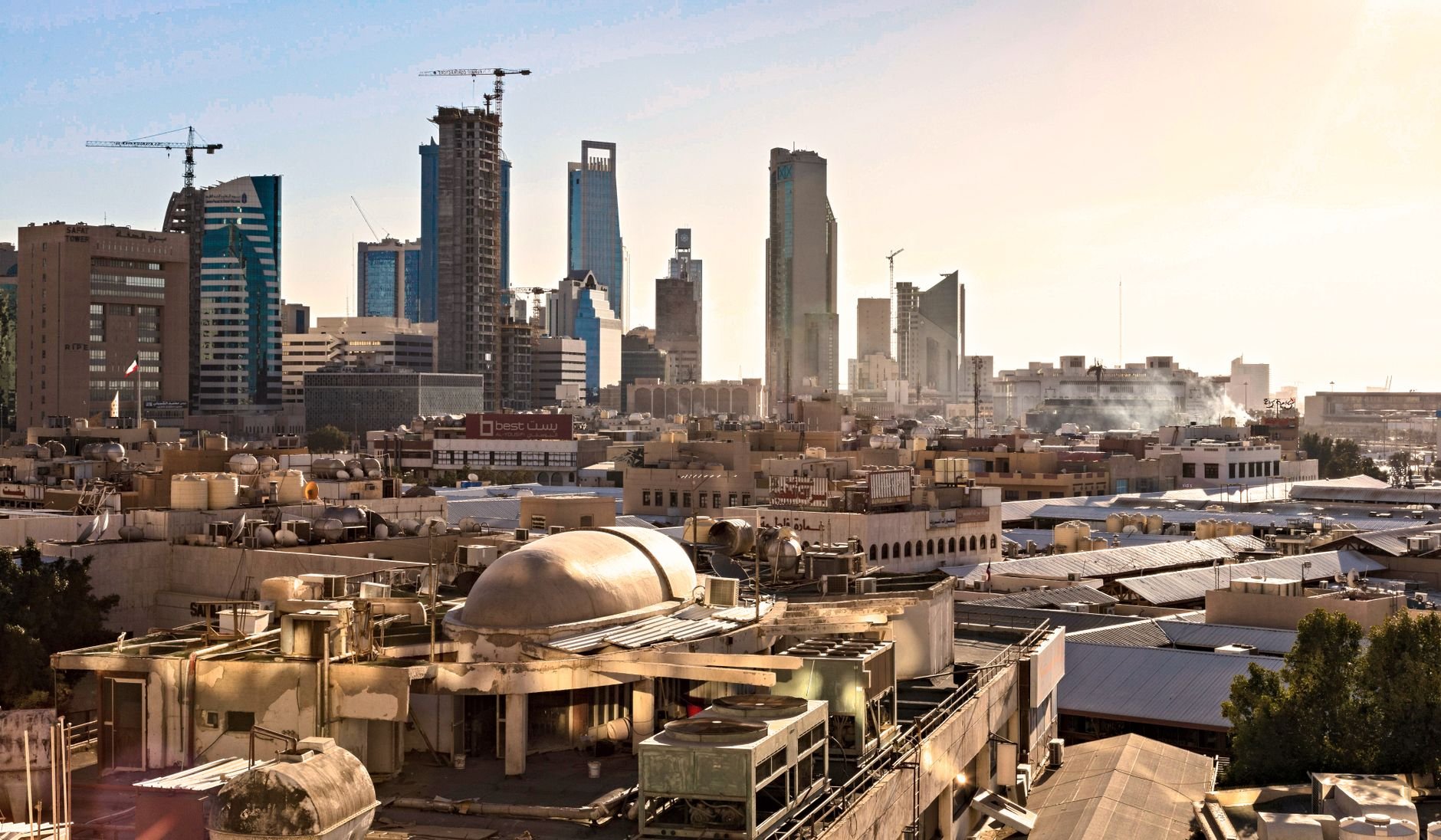
Saudi VAT Rules Update: Groups and Marketplaces
New VAT changes tighten group conditions and, from 1 January 2026, require certain online marketplaces to collect and remit VAT in Saudi Arabia.
Nov 19,2026Related Stories

Don't Miss Similar Listings
Be the first to know when new stories on this topic are published.