Historic Jeddah (Al-Balad) Guide: What to See, Eat & Do

Updated January 2026
Historic Jeddah (Al-Balad) is the coral-stone heart of Jeddah, a UNESCO-listed quarter of latticed balconies, hidden courtyards, loud souqs and some of the best cheap eats in the Kingdom. The good news: wandering the public streets and open squares is completely free. You only pay when you step inside a historic house, join a guided tour, or sit down to eat.
This Saudi Living guide to Historic Jeddah (Al-Balad) walks you through exactly what to see, what to eat, and what to do, with realistic SAR prices so there are no surprises.
Why visit Historic Jeddah (Al-Balad)?
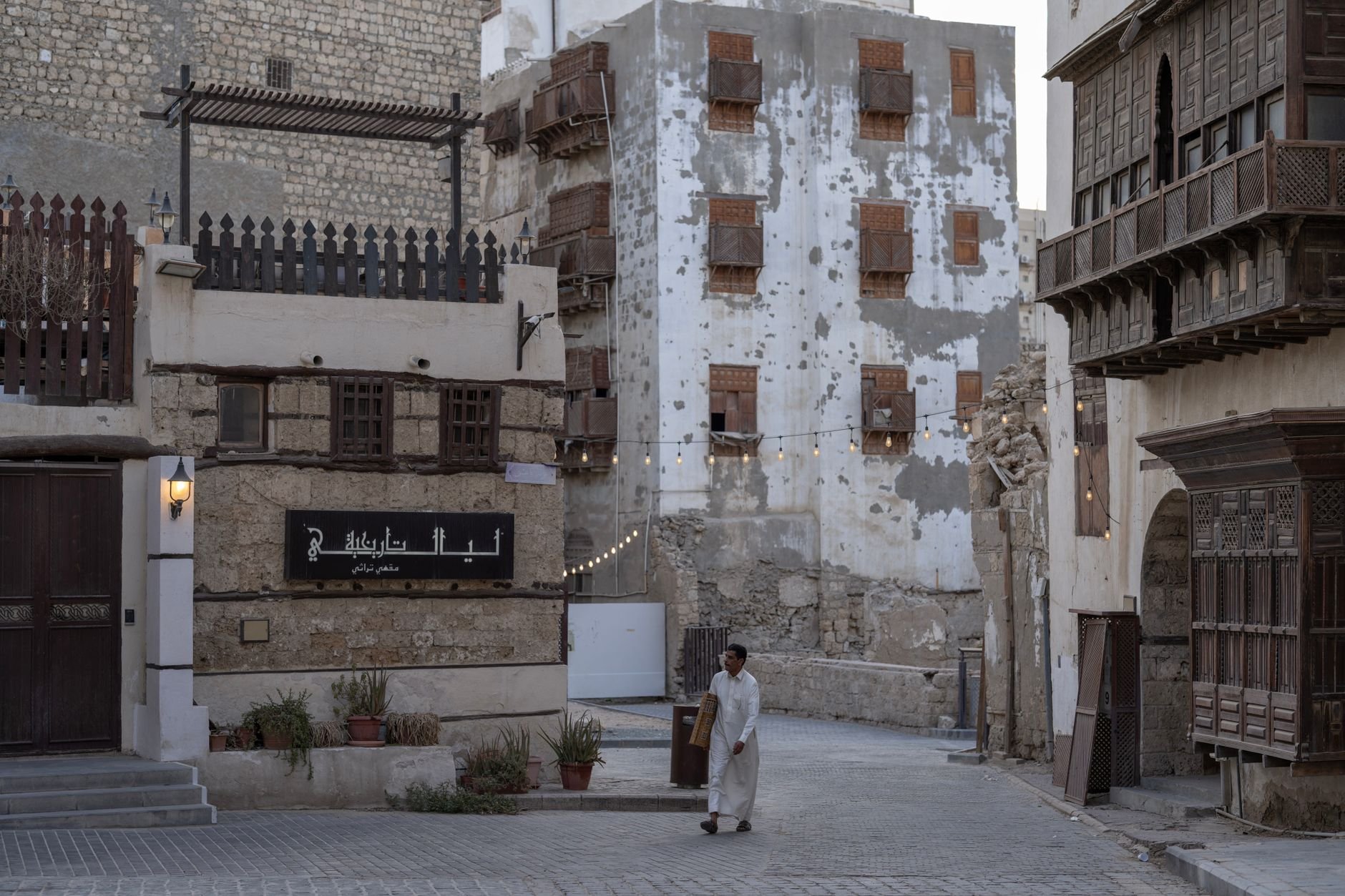
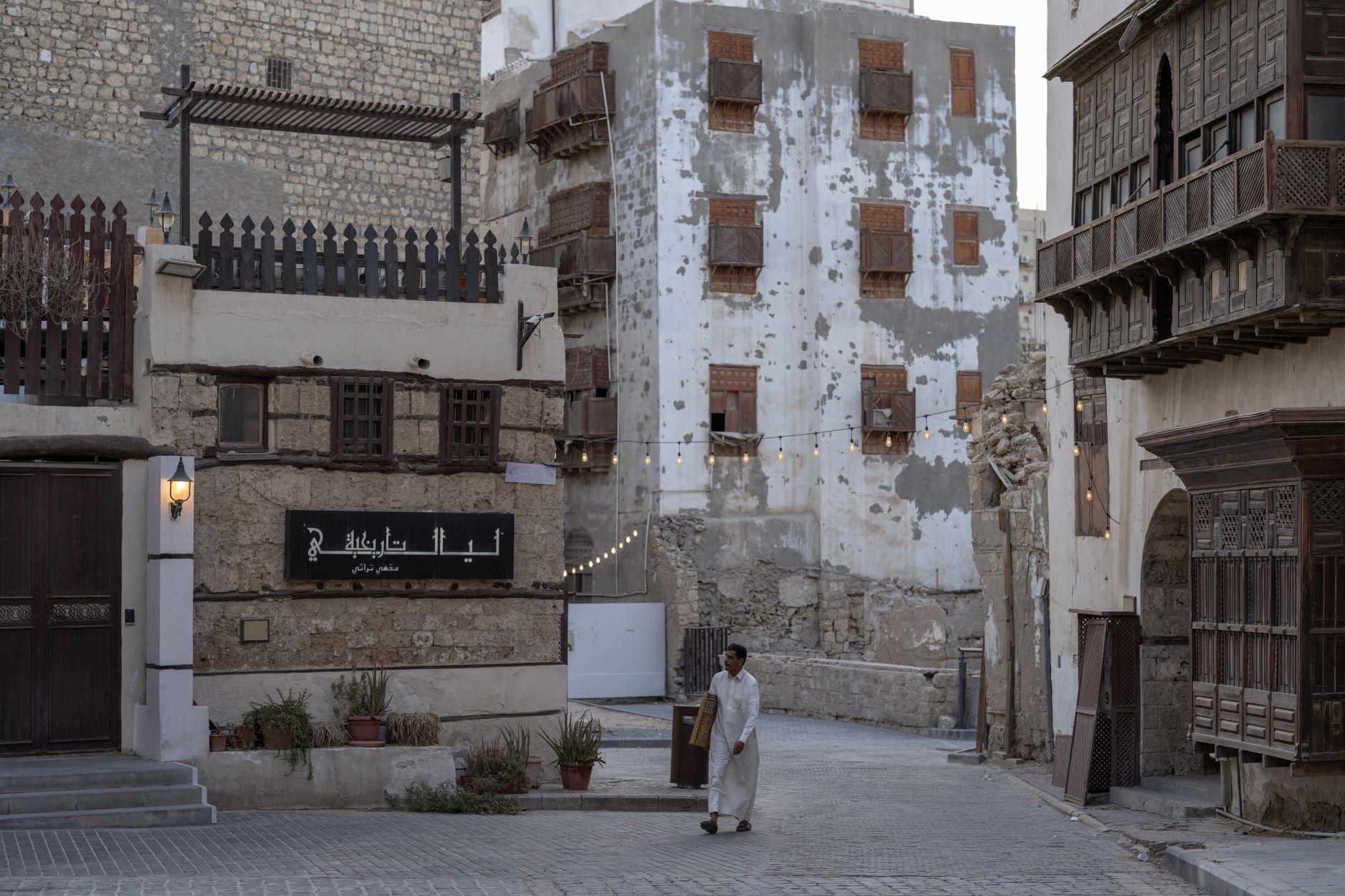
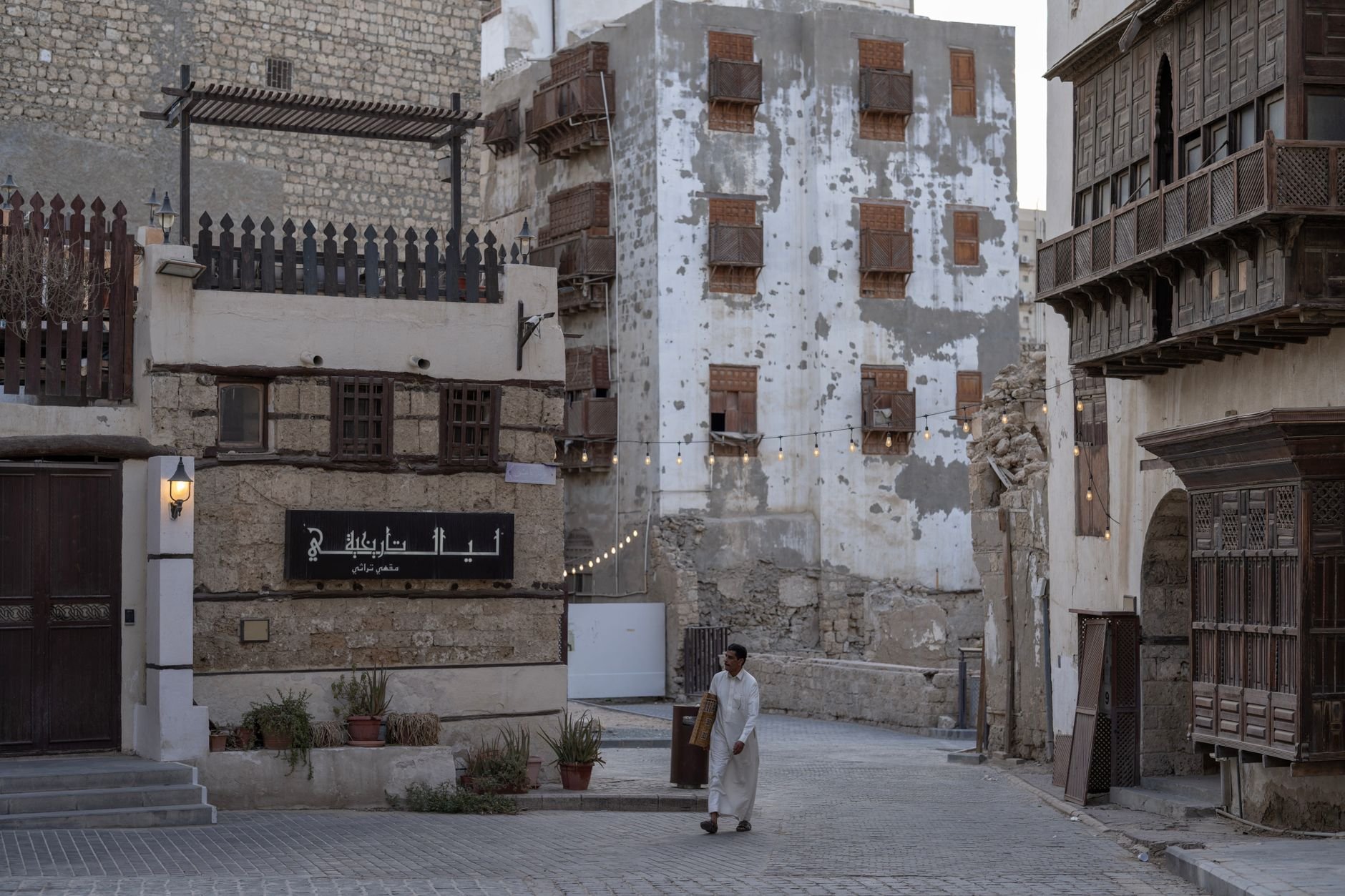
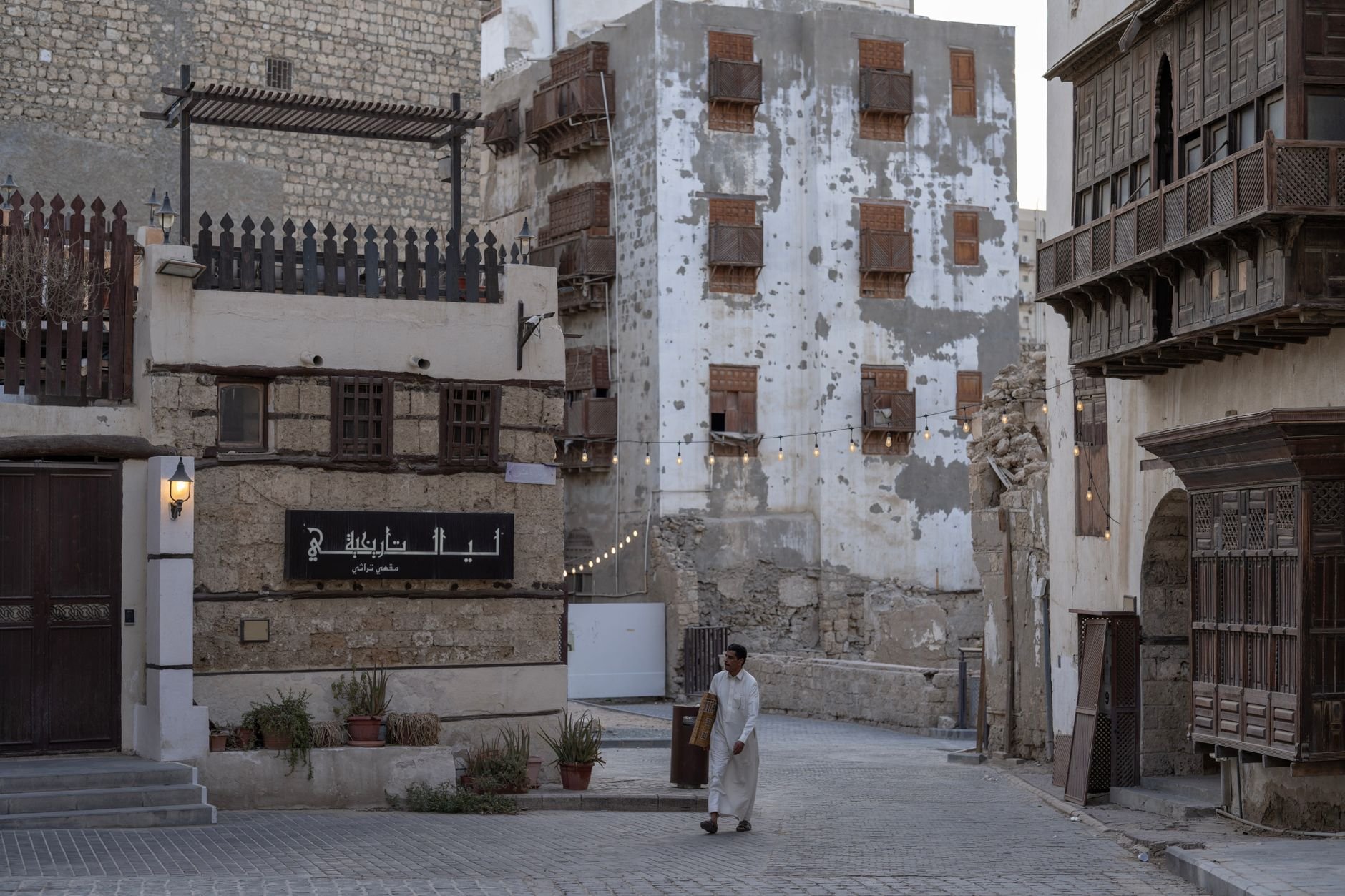
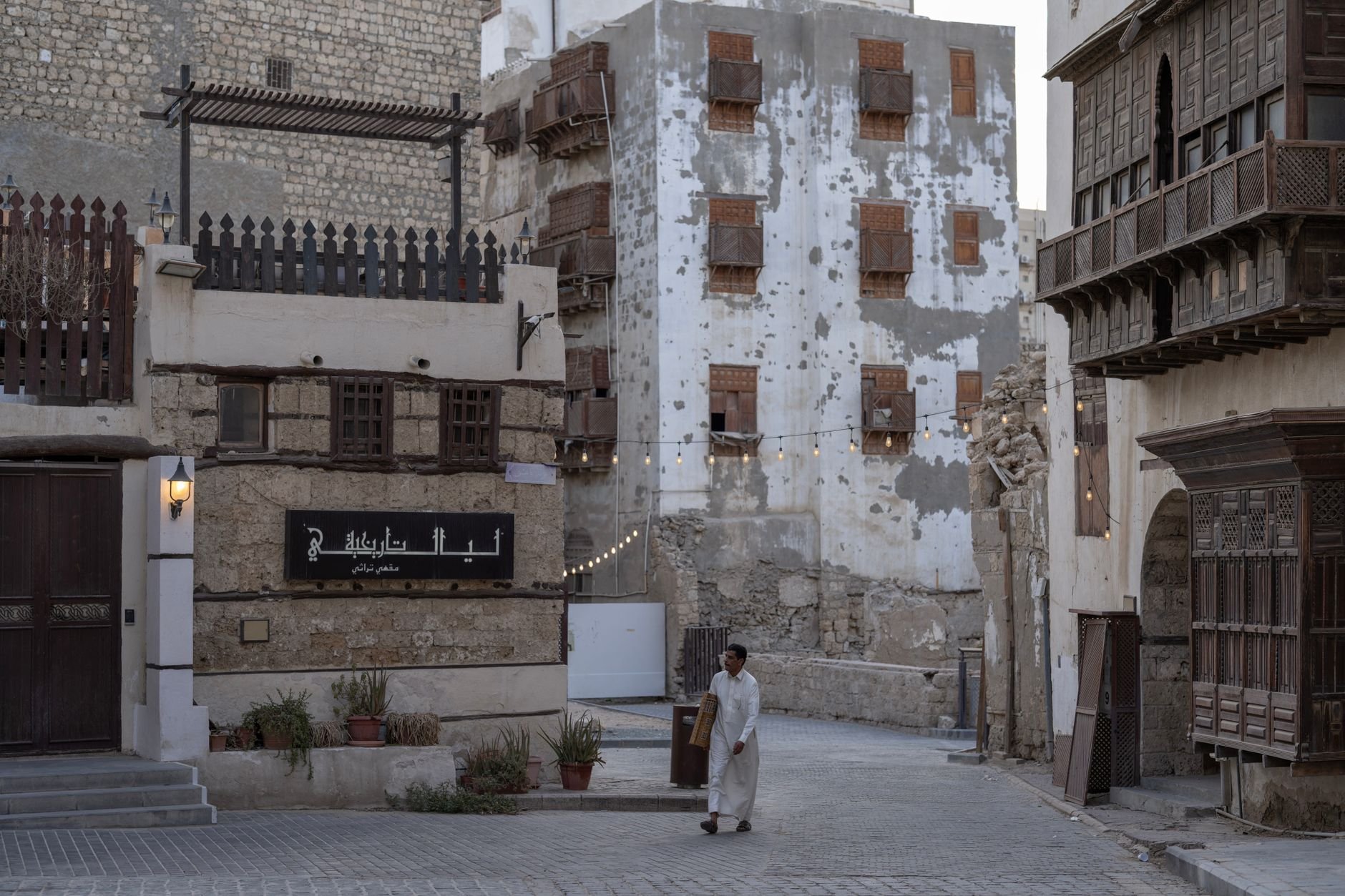
Al-Balad is the original walled town of Jeddah, where merchants and pilgrims have passed through for centuries on their way to Makkah. Its tall coral-stone houses, carved wooden roshan balconies and narrow lanes feel like nowhere else in Saudi Arabia. Today it blends living heritage — families, old shops, restored mansions — with artist spaces, galleries, gardens and seasonal cultural programmes.
It's a photographer's dream, a food-lover's paradise, and an easy, walkable introduction to Jeddah's history for both long-time residents and newcomers.
Getting there and when to go
Al-Balad sits in central Jeddah, a short drive from the Corniche and roughly 25–35 minutes from King Abdulaziz International Airport depending on traffic. A Careem or Uber from most parts of the city is the easiest option, and parking around the edges of the district can be tight in the evenings.
Best time of day and year
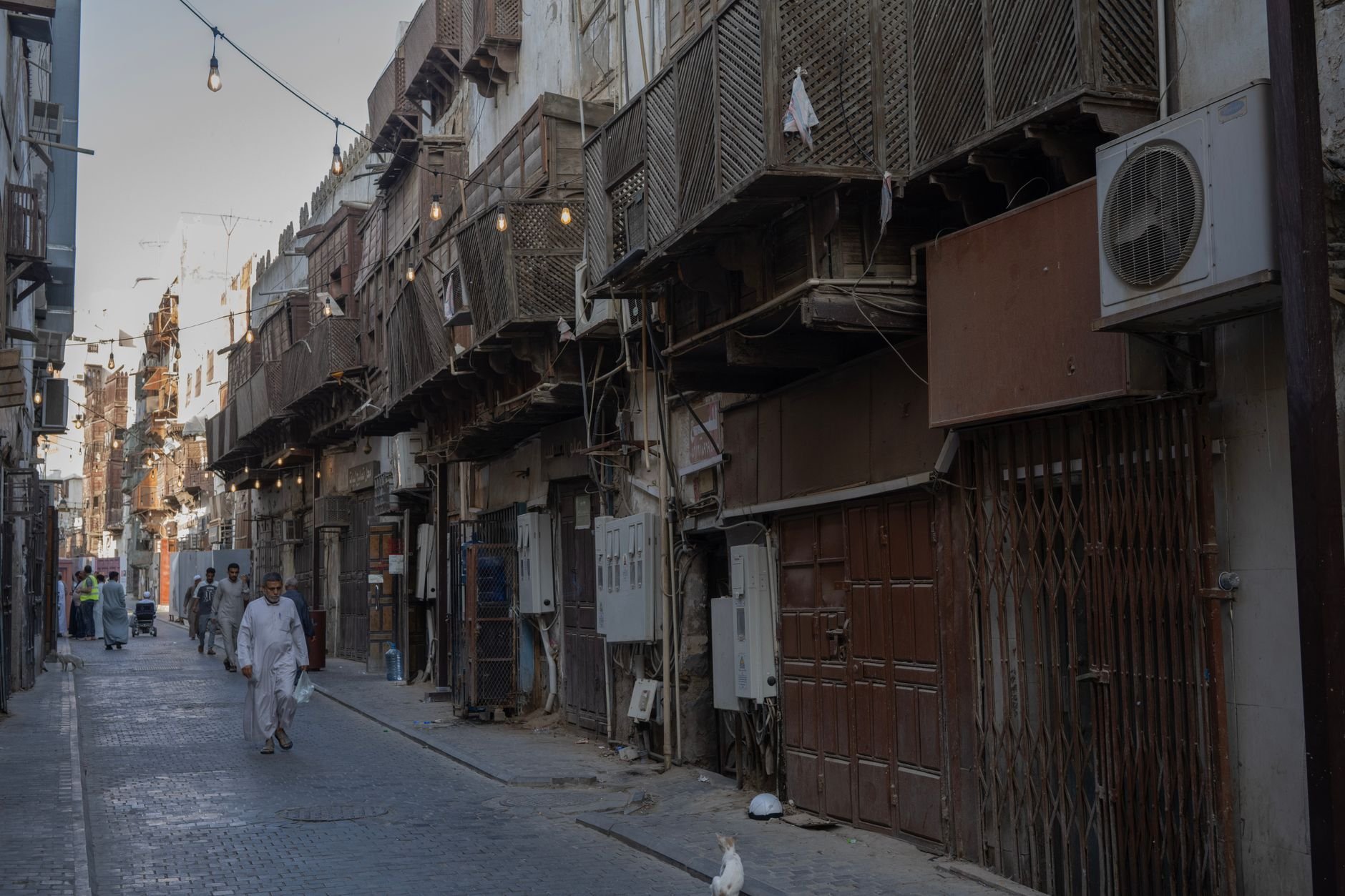
Daytime is best for photographing the coral-stone facades and visiting museums, but the district truly comes alive after sunset, when the buildings are lit up, cafés fill and markets, artists and seasonal events take over the lanes. Because Jeddah stays hot much of the year, plan your outdoor walking for the cooler months (roughly October to March) or after dark in summer. Ramadan is a special time here — heritage experiences and food stalls run late into the night.
What to see in Al-Balad
You can cover the highlights on foot in a half-day. Start at the souqs, drift into the Al-Sham and Al-Yemen districts, and let the lanes lead you between the historic houses.
Al-Naseef House
Al-Naseef House is Al-Balad's most famous landmark — a grand multi-storey merchant's house near the old central market, known for its wide staircase and iconic facade. It's the perfect orientation point for a walk. Opening hours and ticket details change, so confirm current times through Historic Jeddah's visitor channels before you go.
Al-Matbouli House Museum
Al-Matbouli House Museum is a beautifully preserved traditional home that shows how Hijazi merchant families once lived, with original woodwork, furnishings and everyday objects. Admission and opening times vary by season; expect a small entry fee in line with other historic houses.
Coral-stone houses, balconies and photo trails
Beyond the big names, the real joy of Al-Balad is simply looking up. The quarter is full of towering coral-stone houses, carved teak balconies, old doorways and quiet courtyards. Follow the signed photo trails, or just get a little lost — the best shots are often down a side lane.
- Public streets and squares — free to explore
- Historic house or small-museum entry — typically around SAR 20–40 with each setting its own price and hours
What to eat in Al-Balad
Al-Balad is one of the cheapest and most delicious places to eat in Jeddah. This is Hijazi comfort food at its best, and most of it costs just a few riyals.
Breakfast: foul, tamees and balila
Start the Jeddah way with foul (stewed fava beans) and fresh tamees bread straight from the clay oven. A proper breakfast with tea typically costs around SAR 12–20, and a round of tamees on its own is roughly SAR 1. Don't skip balila — spiced boiled chickpeas, usually around SAR 5–15.
Bastat Al-Balad and street food
Bastat Al-Balad is the district's lively market and food area, and it's free to enter. Grab mutabbaq (a stuffed, pan-fried pastry) for around SAR 10–15, wash it down with sobia or a fresh juice for roughly SAR 5–10, and soak up the atmosphere. During Ramadan these stalls run late — in 2026 many operated from around 5pm until 3am.
Seafood and traditional dinners
As a Red Sea port city, Jeddah does seafood brilliantly, and Al-Balad has traditional spots to prove it. A sit-down seafood meal typically runs around SAR 60–80 while a local favourite like Albasali usually lands in the SAR 40–80 range depending on your order.
Coffee and cafés
Finish — or restart — your visit with coffee. A speciality coffee in Al-Balad typically costs around SAR 15–30. Many Jeddah cafés open roughly from 7am to midnight, while speciality spots often open around 9–10am and stay open until about 1am on Thursday and Friday nights, perfect for a late evening wander.
Things to do: tours, markets and culture
If you want context rather than just wandering, a heritage walking tour is worth it. Guided tours typically cost around SAR 80–250 history and hidden corners you'd otherwise miss.
Beyond tours, Al-Balad's 2026 programming is rich and varied:
- Architectural and heritage tours through the coral-stone quarter
- Signed photo trails for the best balconies and facades
- Artisan and artist spaces and small galleries
- Traditional souqs for spices, textiles, perfumes and gifts
- Gardens and children's play areas for families
- Museums and restored historic houses
- Ramadan heritage experiences after sunset
For what's on this season, keep an eye on our Saudi Living events listings, which track cultural programmes across Jeddah.
Practical tips and costs
There's no general entrance fee for Al-Balad — you can walk in freely at any time. Here's how a typical visit adds up:
- Entering the district — free
- Historic house / small museum — around SAR 20–40 each
- Heritage walking tour — around SAR 80–250
- Breakfast (foul, tamees, tea) — around SAR 12–20
- Street food (mutabbaq, balila, sobia) — a few riyals each
- Seafood dinner — around SAR 60–80
- Speciality coffee — around SAR 15–30
A few practical pointers: wear comfortable shoes for the uneven lanes, dress modestly in keeping with the heritage setting, and carry some cash for the small stalls. You don't need any app or permit to explore Al-Balad; just confirm individual museum hours before you visit, as they change by season.
FAQs
Is there an entrance fee for Historic Jeddah (Al-Balad)?
No. The public streets, souqs and open squares are free to explore. You only pay to enter historic houses and museums (typically around SAR 20–40 each) or to join a guided tour.
How much is a heritage walking tour in Al-Balad?
Guided heritage tours typically cost around SAR 80–250 depending on the operator, length and group size.
What should I eat in Al-Balad?
Start with foul and tamees for breakfast (around SAR 12–20), try mutabbaq (around SAR 10–15) and balila (around SAR 5–15) at Bastat Al-Balad, and have a traditional seafood dinner (around SAR 60–80) in the evening.
What's the best time to visit?
Daytime suits museums and photography, but the district is most atmospheric after sunset when the buildings are lit and cafés and markets come alive. Cooler months (October to March) are most comfortable for daytime walking.
Can I visit Al-Balad with children?
Yes. Al-Balad is family-friendly, with gardens and children's play areas alongside the museums and souqs. The lanes are walkable, though the uneven surfaces are easier with a baby carrier than a stroller, and it's worth planning around the cooler hours in summer.
How do I get to Al-Balad?
Al-Balad is in central Jeddah, a short drive from the Corniche and roughly 25–35 minutes from King Abdulaziz International Airport. A Careem or Uber is the easiest way in, as evening parking can be tight.
Ready to explore? Browse the latest things to do in Jeddah on Saudi Living and plan your next heritage day out in Al-Balad.
Stay updated with the latest news, events, sports updates, business insights, real estate and lifestyle stories on Saudi Living — the leading online platform for residents, expats, and visitors in Saudi Arabia.
Follow Saudi Living for daily updates:
- Instagram - @saudiliving
- X - @saudiliving
- Facebook - @saudiliving
- YouTube - @saudiliving
Up Next

Half Moon Bay Khobar: Beaches and Water Sports
Half Moon Bay Khobar guide: free public beaches, jet ski and parasailing prices in SAR, Dana Bay resorts and easy day trips from Dammam and Dhahran.
Nov 2,2026
Ultimate Guide to Summer in Riyadh 2026
Your ultimate guide to summer in Riyadh 2026 — indoor fun, cool escapes, things to do, kids' camps and prices in SAR to beat the heat.
Nov 2,2026
Tabuk Weather & Best Time to Visit: Full Guide
Plan your trip to Tabuk with our guide to its weather, seasons, and the best months to visit for comfortable sightseeing in the desert and mountains.
Nov 2,2026
A Perfect Weekend in Duba: Red Sea Guide
Plan a perfect weekend in Duba on the Red Sea coast of Tabuk: historic fort, corniche, fish market, beaches, seafood spots, and nearby day trips.
Nov 2,2026Related Stories


Don't Miss Similar Listings
Be the first to know when new stories on this topic are published.