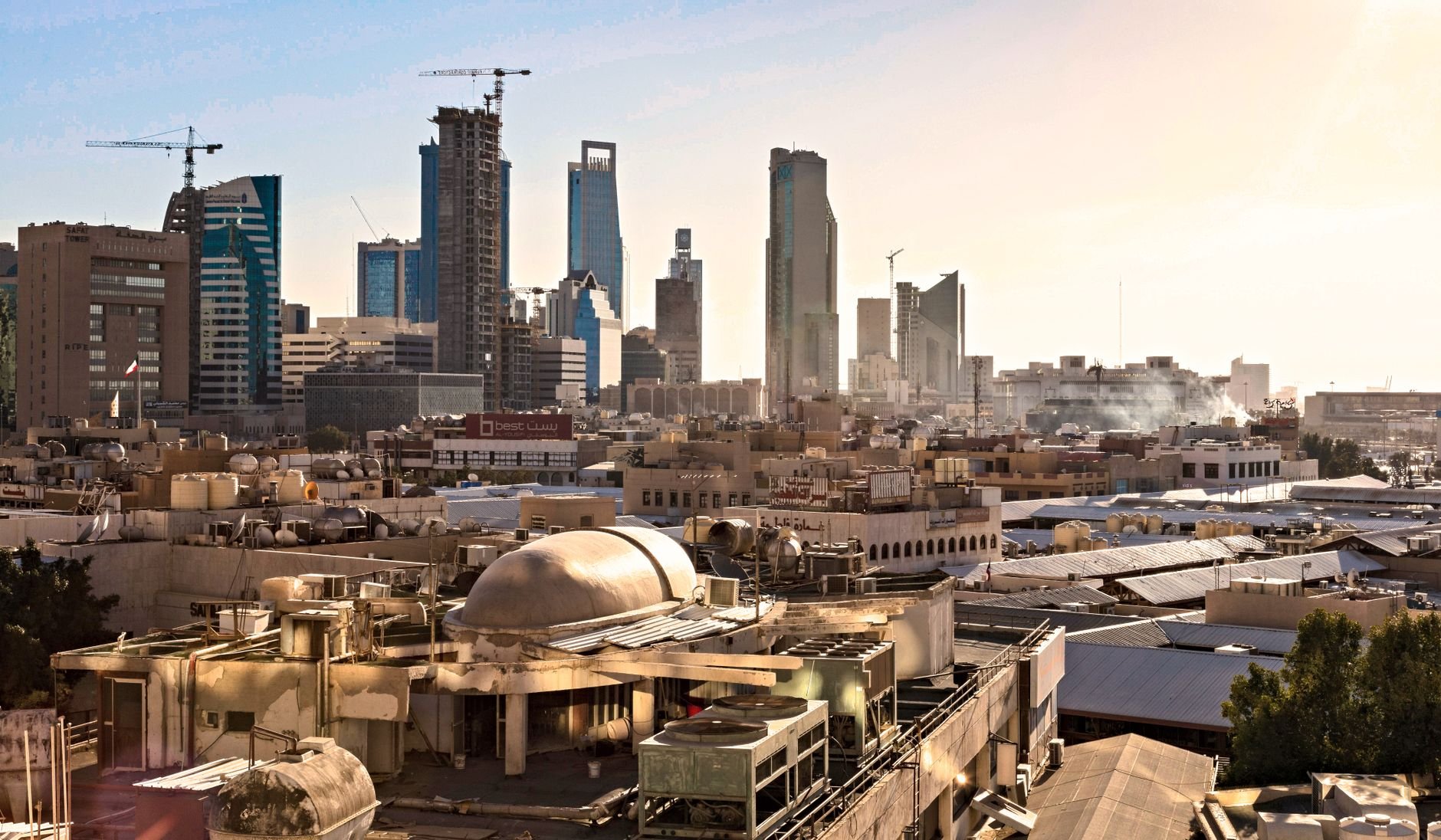
How to Apply for a Work Visa in Saudi Arabia 2026

Here's the single most important thing to understand before you start: in Saudi Arabia, you do not apply for a work visa yourself. A Saudi work visa is employer-sponsored, so the process begins with the company that is hiring you — not with you filling in a form online. Your job is to line up a genuine offer, hand over clean paperwork, and complete the steps on your side once your employer triggers them.
This guide on how to apply for a work visa in Saudi Arabia step-by-step in 2026 walks you through the full route Kingdom-wide — from the moment a Saudi employer (whether in Riyadh, Jeddah, Dammam or anywhere else) decides to recruit you, all the way to the iqama (residence permit) in your hand. We'll flag exactly which portal — Qiwa, Muqeem or Absher — does what, so you're never left guessing.
The short answer: who actually applies for a Saudi work visa
The employer carries most of the load. They request the visa, pay the government charges, issue your work permit and process your iqama. You, the worker, complete the embassy or consulate stage in your home country, enter the Kingdom on the correct visa, and finish the medical and biometric steps after you arrive. Think of it as a relay — the employer runs the first and last legs, you run the middle.
Before anything starts: what your Saudi employer must have
No legitimate work visa gets issued unless the sponsoring company is in good standing. Before they can request a visa for you, the employer must have:
- An active establishment with a valid commercial registration where required.
- Valid work permits across its unified number — in other words, its existing workforce is in order.
- Compliance with wage-protection rules, meaning salaries are being paid correctly and on time.
This matters to you directly. If an employer's compliance is shaky, your visa request can stall or be refused — which is one good reason to vet who is sponsoring you before you commit.
Step 1 — The employer applies on Qiwa
Everything on the employer side runs through Qiwa, the Ministry of Human Resources and Social Development's business platform. The employer initiates your work visa request here.
How the employer requests the visa on Qiwa
- Sign in to the establishment account on Qiwa.
- Open Services.
- Select Employee Recruitment.
- Choose Instant Work Visas.
- Select a permanent work visa or the applicable temporary work visa.
- Submit the request and complete any payment shown.
Helpfully, the Qiwa visa-application service itself is listed as free. That said, other displayed government, recruitment, consular or related charges may still apply — so "free" refers to the Qiwa request step, not the whole journey. From the same platform, the employer can also view visa fees, increase recruitment quotas, and cancel or refund unused visas.
Step 2 — Visa authorisation through the Ministry of Foreign Affairs
Once the request is approved, the employer completes the visa issuance process through the Saudi Ministry of Foreign Affairs and hands you the visa authorisation. This authorisation number is your green light to begin the stage that actually involves you.
Step 3 — You apply at the Saudi embassy or consulate
Now it's your turn. You apply through the Saudi embassy or consulate in your country of residence, using the authorisation your employer provided.
Documents you'll usually need
- A valid passport and a recent photograph.
- Employment documents linking you to the sponsoring company.
- Educational or professional certificates where the role requires them.
- Document attestations (certificates often need legalisation before they're accepted).
- A medical examination from an approved provider.
- A police-clearance certificate if it's requested for your occupation or nationality.
Requirements vary by country and profession, so check the specific instructions for the Saudi mission handling your file before you book anything.
Step 4 — Enter Saudi Arabia on your employment visa
You must enter the Kingdom on the issued employment visa — not on a visit or any other category. Arriving on the wrong visa type creates problems your employer then has to unwind, so don't let anyone persuade you to "come on a visit and sort it out later."
Step 5 — Work permit through MHRSD (Qiwa)
After you land, the employer issues your work permit through the Ministry of Human Resources and Social Development's electronic services, generally via Qiwa. The official work-permit service is listed with a SAR 100 service fee.
Separately, the employer pays the applicable expatriate work-permit levy and any other required government charges. This levy is not the same thing as the SAR 100 service fee — its amount depends on the company's workforce mix and regulatory status, so it varies from employer to employer.
Step 6 — Your iqama through Muqeem and Passports
Your residence permit — the iqama — is processed by the employer through Muqeem and the General Directorate of Passports. Two things to keep front of mind:
- The iqama must generally be issued within 90 days of your entry.
- You'll usually need to complete post-arrival medical and biometric procedures before it can be issued.
Once you have your iqama, you're a fully documented resident — able to open the doors that need it, from banking to a local SIM and beyond. Going forward, the work permit and iqama are normally renewed by the employer before expiry; how long each is valid depends on the period selected and the applicable rules.
What it costs (and why there's no single 2026 figure)
It would be easy to promise one tidy total — but it wouldn't be honest. The cost of a Saudi work visa depends on several moving parts:
- Qiwa visa request — listed as free.
- Work-permit service fee — listed as SAR 100.
- Expatriate work-permit levy — varies by the employer's workforce and regulatory status.
- Embassy processing, medical exam, document attestation and service-provider charges — these vary by country and are not one fixed Saudi-wide amount.
- Profession-specific requirements, insurance and recruitment services — depend entirely on the role and the agency involved.
Because levies, medicals, embassy fees, attestations and profession-specific costs all move independently, there is no single Saudi-wide 2026 total anyone can quote you honestly. If a recruiter gives you one flat all-in number, treat it as an estimate, not a guarantee.
Absher, Muqeem and which portal does what
Newcomers mix these up constantly, so here's the clean version:
- Qiwa — the employer's platform for the visa request and work permit.
- Muqeem — the employer's main channel for expatriate residence (iqama) services.
- Absher — generally for your individual government and passport-related services.
Platforms like Nafath, Najiz, Balady, Tawakkalna and Etimad are not the standard channels for issuing an ordinary private-sector employment visa — useful as they are elsewhere, they're not part of this path.
Ready to find the role that kicks off this whole process? Browse the latest jobs in Saudi Arabia on Saudi Living and line up a genuine offer before you start any paperwork.
FAQs
Can I apply for a Saudi work visa by myself?
No. A Saudi work visa is employer-sponsored. The sponsoring company must request it through Qiwa first; you only complete the embassy stage and the post-arrival steps.
How long does the whole process take?
There's no fixed Kingdom-wide timeline — it depends on the employer's compliance, embassy processing in your country, your medical and attestation steps, and post-arrival procedures. What's firm is that your iqama must generally be issued within 90 days of entry.
How much does a Saudi work visa cost in 2026?
There's no single total. The Qiwa request is free and the work-permit service fee is listed as SAR 100, but the expatriate levy, embassy fees, medical, attestation and recruitment charges all vary — so the full cost differs case by case. Treat any flat "all-in" figure from a recruiter as an estimate.
What's the difference between the work permit and the iqama?
The work permit authorises you to work and is issued by the employer through MHRSD/Qiwa. The iqama is your residence permit, processed through Muqeem and the Passports directorate, and must generally be issued within 90 days of entry.
Do I need to attest my certificates?
Usually yes, where educational or professional certificates are required for your role. Attestation (legalisation) requirements vary by country and profession, so confirm the exact steps with the relevant Saudi embassy or consulate.
Who renews my work permit and iqama?
Normally the employer, before each expires. Their validity depends on the period selected and the applicable regulatory requirements, so stay in contact with your HR or government-relations team.
Stay updated with the latest news, events, sports updates, business insights, real estate and lifestyle stories on Saudi Living — the leading online platform for residents, expats, and visitors in Saudi Arabia.
Follow Saudi Living for daily updates:
- Instagram - @saudiliving
- X - @saudiliving
- Facebook - @saudiliving
- YouTube - @saudiliving
Up Next

How to Register a Car in Saudi Arabia: 2026 Guide
How to register a car in Saudi Arabia: Absher steps, the SAR 100 fee, insurance, inspection and transfer rules, explained for residents and expats.
Oct 30,2026
Register a Used Car in Saudi Arabia: Step-by-Step 2026
How to register a used car in Saudi Arabia step-by-step in 2026 via Absher — fees (SAR 150 + SAR 230), inspection, insurance and FAQs for residents and expats.
Oct 29,2026
Freelance Work Visa (Freelancer Permit) in Saudi Arabia
Thinking about a Freelance Work Visa in Saudi Arabia? Here's who qualifies, how to apply, costs, and what the Freelancer Permit does and doesn't cover.
Oct 25,2026
Saudi Green Card vs Standard Iqama: Which Path?
Saudi Green Card (Premium Residency) vs Standard Iqama: compare costs, eligibility and investment paths to see which suits you in Saudi Arabia.
Oct 24,2026Related Stories


Don't Miss Similar Listings
Be the first to know when new stories on this topic are published.