
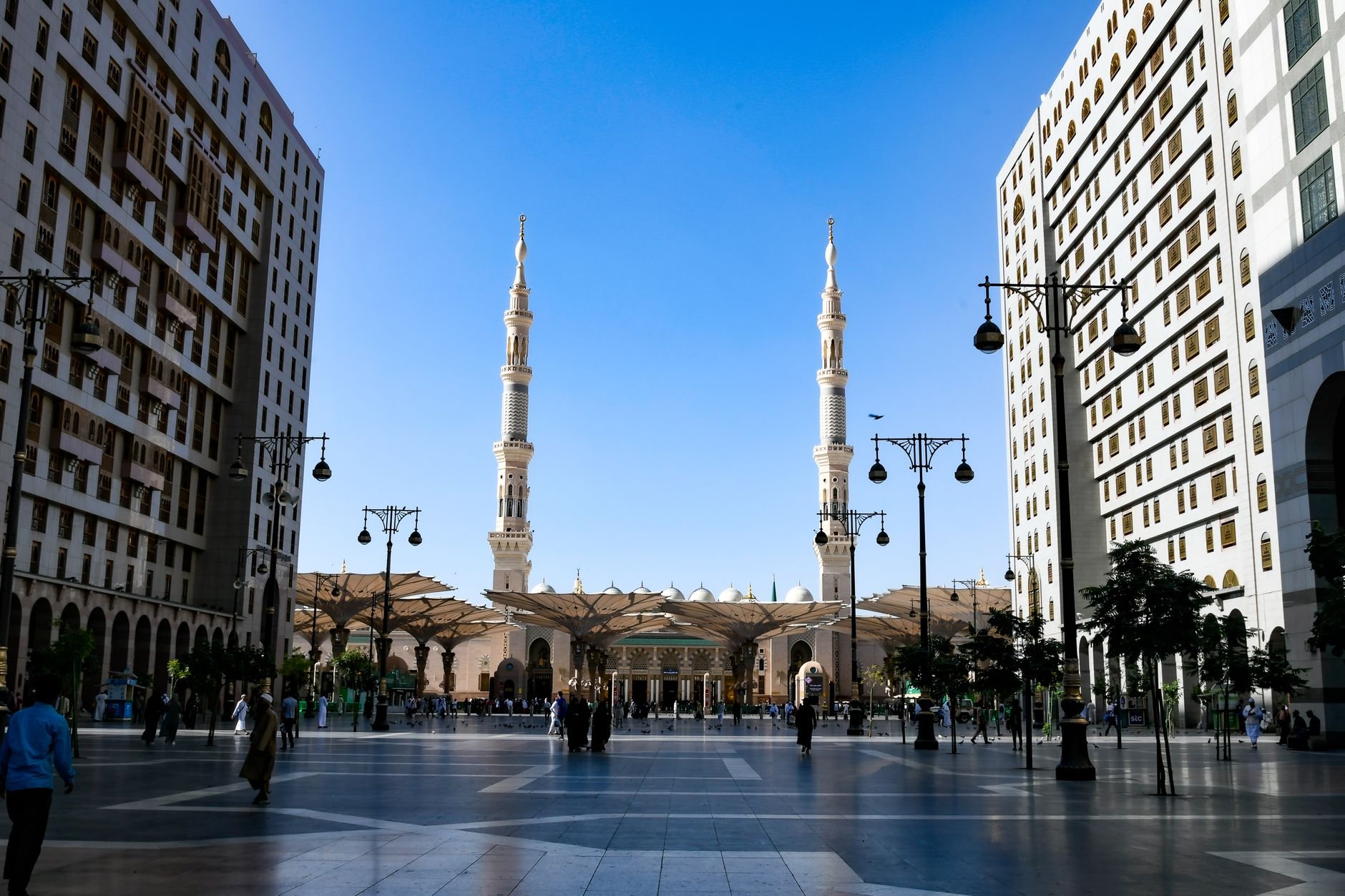
Madinah, in western Saudi Arabia's Madinah Region, blends deep spiritual significance with the practical realities of a growing city. For newcomers—whether relocating for work or settling long-term—it offers a calmer pace than the largest metros while remaining well connected. This guide walks you through what to expect: housing, monthly costs, getting around, and the paperwork that makes your stay legal and smooth.
Cost of living at a glance
A single resident typically spends about 3,000–8,500 SAR per month. Where you land in that range depends mostly on your housing choice and how you get around. Districts in the center and close to the Prophet's Mosque generally command higher rents and prices.
- Utilities: about 200–500 SAR/month
- Home internet: about 100–300 SAR/month
- Groceries for one person: about 600–1,250 SAR/month
Housing and rent
Rent is the biggest swing factor in your budget. Typical ranges are:
- Studio: 1,200–2,500 SAR/month
- One-bedroom: 1,500–3,800 SAR/month
- Two-bedroom: 2,000–6,000 SAR/month
Living further from the central area can meaningfully lower your rent, though you'll likely rely more on a car. Keep in mind that seasonal demand during Ramadan, Umrah peaks, and Hajj can push rents and short-term prices higher, so plan contracts and moves with that in mind.
Getting around
There is currently no metro operating in Madinah, so most residents mix walking, buses, taxis, and private cars.
- Local buses: fares are commonly around 2–5 SAR per ride, varying by route and operator.
- Taxis: fares often start near 10 SAR, while app-based rides vary with distance and demand.
- A private car is generally useful once you're outside the central Prophet's Mosque area.
For intercity travel, the Haramain High-Speed Railway links Madinah with Jeddah and Makkah, and Prince Mohammad bin Abdulaziz International Airport handles domestic and international flights.
Getting your residence sorted
Legal residence requires a valid Saudi residence permit, or Iqama, issued through your employer or responsible sponsor. New residents normally go through:
- Passport and visa processing
- A medical examination where required
- Biometric registration
- Insurance where required
- Iqama issuance through the relevant employer and government systems
Exact fees, eligibility rules, and validity periods depend on your visa type, nationality, employment status, and family situation. Always confirm current requirements on the relevant official Saudi government portal.
Essential government apps and services
Most everyday administrative tasks happen online. Get familiar with these early:
- أبشر (Absher) — personal government services
- مقيم (Muqeem) — employer-managed expatriate residency services
- قوى (Qiwa) — employment services
- ناجز (Najiz) — justice services
- نفاذ (Nafath) — digital identity verification
- Balady — municipal services
Settling in comfortably
Madinah rewards newcomers who plan ahead. Decide early whether central living or a car-dependent lifestyle fits your budget, line up your Iqama and insurance through your sponsor, and set up your digital accounts so you can handle renewals and payments without hassle. With the essentials in place, you'll find a city that's calm, welcoming, and easy to call home.
Stay updated with the latest news, events, sports updates, business insights, real estate and lifestyle stories on Saudi Living — the leading online platform for residents, expats, and visitors in Saudi Arabia.
Follow Saudi Living for daily updates:
- Instagram - @saudiliving
- X - @saudiliving
- Facebook - @saudiliving
- YouTube - @saudiliving
Don't Miss Similar Listings
Be the first to know when new stories on this topic are published.


