Healthcare Without Wasta: Private Clinics in Riyadh
By the Saudi Living team · Last updated: 1 June 2026
Good healthcare in Riyadh does not depend on who you know. Healthcare Without Wasta: Finding Private Clinics & Hospitals in Riyadh is simpler than many newcomers expect, because the private sector here runs on appointments, insurance networks, and clear pricing — not on personal connections (known locally as wasta). If you can book a slot online, carry your Iqama, and confirm your insurer covers the facility, you can see a solid GP, specialist, or consultant without a single phone call to a "friend of a friend". Here's your practical, no-wasta guide.
You don't need connections to get good care in Riyadh
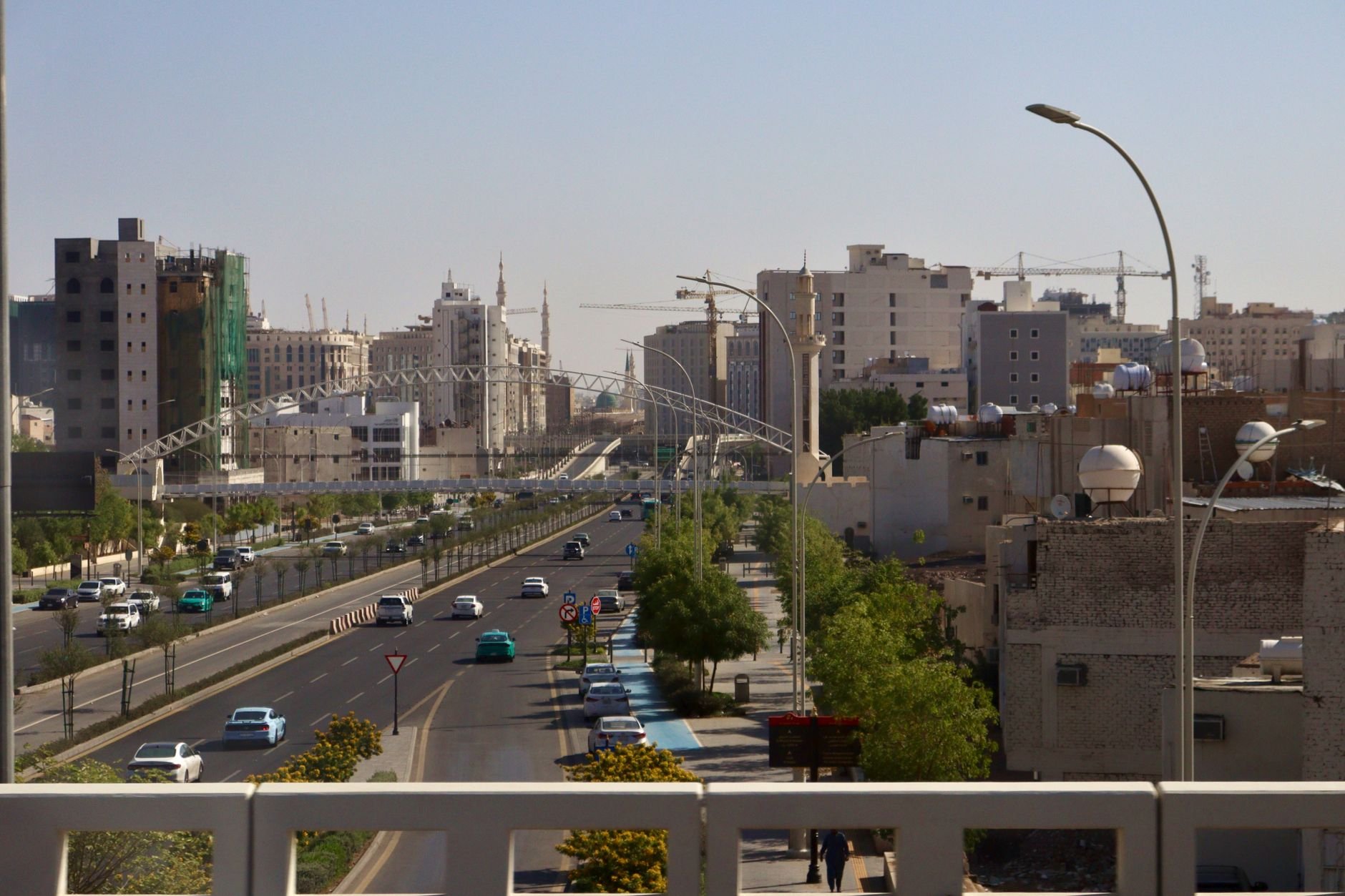
Riyadh has one of the deepest private healthcare markets in the Kingdom, from small neighbourhood clinics in districts like Al-Malaz, Al-Olaya and Al-Yasmin to large multi-specialty hospitals. Almost every one of them accepts direct bookings and publishes its services openly. The real levers are simple: pick a facility inside your insurance network, book early, and know the fees before you sit down.
How private healthcare works in Saudi Arabia
Understanding the basic split between public and private care saves you time and money.
Public vs private — who pays for what
Saudi citizens generally receive healthcare through government facilities run by the Ministry of Health. For expats and their eligible dependents, the system is built around private care: you're normally treated at private clinics and hospitals and pay either directly or through insurance. Knowing which track applies to you is the first step before you ever book.
Why employer insurance matters
Expat employees and their eligible dependents must have employer-provided private health insurance. This isn't optional — it's tied to your residency and sponsorship. Your insurance card (physical or digital) defines which hospitals and clinics you can use without paying the full bill. Before you book anywhere, confirm the facility is inside your insurer's approved provider network. A clinic outside your network may still see you, but you'll likely pay out of pocket and claim later, if your policy even allows it.
What a private visit actually costs in Riyadh
Fees vary by facility, the doctor's seniority, and whether you're insured. Here's a realistic picture of Riyadh private pricing.
Paying out of pocket
- GP / general consultation — typically around SAR 150–400.
- Specialist consultation — typically around SAR 250–700.
- Consultant-level appointment — typically around SAR 400–1,000.
These figures cover the consultation itself. Tests, scans, medicines, and procedures are charged separately, so always ask for the full breakdown before treatment starts.
Paying with insurance
If you use an in-network facility, you usually pay only a co-payment rather than the full fee. A typical insured outpatient co-payment is about 20%, though the exact amount depends on your specific policy and the provider network. On a SAR 300 consultation, that could mean paying roughly SAR 60 at the counter while the insurer settles the rest. Always confirm your co-pay percentage and any annual limits with your HR department or insurer.
How to find the right clinic or hospital
Finding care without wasta comes down to matching three things: your medical need, your location, and your insurance network. Here's how to narrow it down:
- Start with your insurance network list — your insurer's app or website shows exactly which Riyadh facilities are covered. Filter by district first so you're not crossing the city for a routine visit.
- Match the facility to the need — a neighbourhood clinic is fine for a GP, a cold, or a repeat prescription. For specialists, surgery, or complex diagnostics, choose a larger multi-specialty hospital.
- Check location and access — many private hospitals sit along main corridors like King Fahd Road and Olaya, which are easy to reach by Riyadh Metro or a quick Careem/Uber ride.
- Read the service list before you go — most facilities publish their departments, doctors, and languages spoken online, so you can request a doctor who speaks your language.
How to book an appointment — step by step
- Confirm coverage first — check the facility is in your insurer's approved network to avoid a surprise bill.
- Choose your booking channel — book through the facility's official website, its telephone line, or its appointment app. Walk-ins are available at some private clinics, but booking ahead gets you a specific doctor and a shorter wait.
- Pick the right department — select GP, a named specialty, or the specific consultant you want.
- Have your details ready — your Iqama or national ID number and your insurance membership number are usually required to reserve the slot.
- Confirm the fee upfront — ask the consultation fee, the follow-up fee, and whether any tests are expected, so there are no surprises.
What to bring and what to ask
A smooth visit starts at the reception desk. Facilities may require identity verification before treatment, so be ready.
- Carry your Iqama or national ID plus your insurance details — card, app, or policy number.
- Bring previous reports or medicine lists if you're following up on an existing condition.
- Ask about fees clearly — the consultation fee, any follow-up fee, the cost of tests and medicines, and emergency charges if relevant.
- Confirm your co-payment at the counter so you know exactly what you'll pay before you see the doctor.
Telehealth and 937 — the free alternative
Not every concern needs an in-person visit. The Ministry of Health's Seha service and the 937 line offer remote medical consultations, which can be a quick first step for minor issues or general advice. You don't need a private Riyadh clinic for this, so it's a useful, no-cost way to decide whether you truly need to book an appointment at all. For anything urgent or serious, head to a hospital emergency department.
FAQs
Do I need wasta to see a good doctor in Riyadh?
No. Private clinics and hospitals in Riyadh run on appointments and insurance networks, not connections. Book online or by phone, confirm your coverage, and you can see a strong GP, specialist, or consultant directly.
How much does a private doctor's visit cost in Riyadh?
Without insurance, a GP consultation is typically around SAR 150–400, a specialist around SAR 250–700, and a consultant around SAR 400–1,000. With in-network insurance you usually pay only a co-payment, often about 20%.
Can I use any hospital with my insurance?
Only facilities inside your insurer's approved provider network are covered. Always confirm the clinic or hospital is in-network before booking, or you may have to pay out of pocket.
What do I need to bring to a private clinic?
Carry your Iqama or national ID and your insurance details. Facilities may require identity verification before treatment, and your membership number is usually needed to confirm the appointment.
Can expats get free public healthcare in Saudi Arabia?
Public facilities mainly serve Saudi citizens. Expats are typically treated through private care covered by employer-provided insurance, though the free Seha service and 937 line offer remote consultations to anyone.
Do private clinics in Riyadh accept walk-ins?
Some do, especially for general consultations. However, booking through the facility's website, phone line, or app secures a specific doctor and a shorter wait, so it's the smarter choice for specialists.
What if I need treatment at a hospital that's out of my network?
In a genuine emergency, go to the nearest hospital first — care comes before paperwork. For non-emergencies at an out-of-network facility, you'll usually pay the full bill yourself and then submit a claim to your insurer afterwards (keep every receipt and medical report). Whether that claim is reimbursed depends on your policy, so check your coverage terms with your HR department or insurer before committing to a non-urgent visit.
Settling into life in the Kingdom? Browse the latest jobs in Riyadh on Saudi Living, or find your next home in our Saudi Arabia properties listings.
Stay updated with the latest news, events, sports updates, business insights, real estate and lifestyle stories on Saudi Living — the leading online platform for residents, expats, and visitors in Saudi Arabia.
Follow Saudi Living for daily updates:
- Instagram - @saudiliving
- X - @saudiliving
- Facebook - @saudiliving
- YouTube - @saudiliving
Up Next
Hope Ribbon 2026 App Tops 5,000 Female Users
An Imam Abdulrahman Bin Faisal University app offering breast-cancer awareness, risk checks, and VR screening has surpassed 5,000 female users.
Nov 6,2026
RSV Awareness Meeting in Jeddah Guides Parents of Infants
Health specialists in Jeddah shared guidance on protecting young infants from severe RSV illness, including prevention tips and warning signs for parents.
Nov 6,2026
Nearly 60% of Saudi Adults Meet Weekly Activity Goal
New figures show 59.9% of adults in Saudi Arabia get at least 150 minutes of physical activity weekly, with men ahead of women.
Nov 1,2026
Saudi Fitness Apps: Prices for Online Coaching Plans
Saudi fitness influencers offer online workout, nutrition, and coaching programs. Compare plan prices from 12.99 to 1,900 SAR, with no government app required.
Oct 25,2026Related Stories





Don't Miss Similar Listings
Be the first to know when new stories on this topic are published.