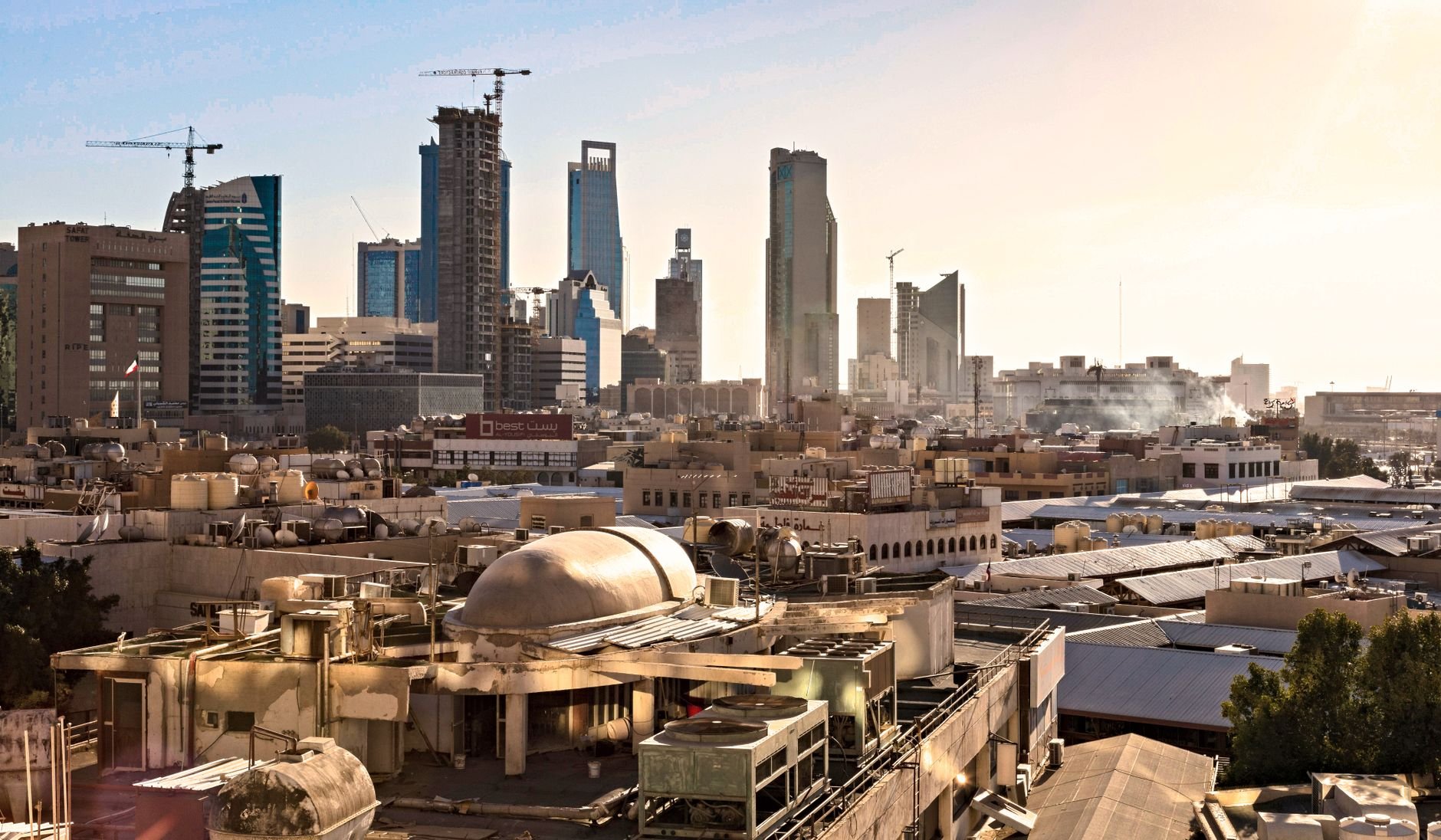
If you want to rent along Jeddah's Red Sea coast, expect to pay a premium for the view — but you have more range than most people assume. A sea-facing apartment in Al Shati can run to SAR 200,000 a year, while a comfortable family apartment a few streets inland in Al Rawdah sits closer to SAR 55,000. Renting in Jeddah's Red Sea District isn't one price; it's a ladder, and knowing the rungs is how you rent smartly.
This guide walks you through renting in Jeddah's Red Sea District by neighbourhood, lays out the real costs beyond headline rent, and shows you how to sign a contract through Ejar — so you can move in confident and protected. It's written for the families, professionals and newcomers who make up Jeddah's coastal expat communities.
Why Jeddah's Red Sea District is different
Jeddah behaves differently to Riyadh. The city grew along the water, so the most desirable addresses hug the coast rather than clustering around a business core. The Jeddah Corniche — free to access and running for kilometres through Al Shati and the Corniche district — is the social spine of the city, used daily for walking, cycling, family outings and waterfront dining.
For expats, the Red Sea District offers something Riyadh can't match: an open coastline, a relaxed outdoor lifestyle, and easy reach of international schools, diplomatic staff housing and multinational offices. That's why the main expatriate residential communities — Al Hamra, Al Rawdah, Al Zahra, Al Shati and northern Obhur — cluster in and around this western strip.
What rent actually costs by neighbourhood
Rents in Jeddah are almost always quoted annually, and most leases run on a 12-month term. Some contracts are written against the Hijri calendar, which is about 354 days — worth checking before you sign. Here's how the Red Sea District's main areas stack up.
Al Shati — the Corniche-front premium
Al Shati is the postcard address: Corniche frontage, sea views and the city's most sought-after towers. Premium sea-view apartments here commonly run SAR 85,000–200,000+ a year. Ordinary one-bedroom units are far more reachable, often SAR 4,000–7,500 a month. On the Corniche waterfront specifically, many one-bedroom apartments land in the SAR 72,000–120,000 annual range, with two-bedroom units commonly SAR 96,000–156,000.
Al Hamra — mid-premium with compound options
Al Hamra is a long-standing favourite for diplomatic staff and professionals, blending apartment towers with gated compounds. Mid-premium apartments here commonly run SAR 55,000–85,000 a year. If you want compound security and family amenities, compound villas often sit at SAR 70,000–140,000 annually.
Al Rawdah — the everyday favourite
Al Rawdah is the engine room of Jeddah's expat rental market — central, well-serviced and a short drive from the coast without paying full Corniche prices. Apartments here commonly run SAR 55,000–85,000 a year, making it a sweet spot for families who want space and schools over an absolute sea view.
Obhur — villas, beaches and the northern coast
North Obhur is where compound living and private beach access come together. Apartments can start around SAR 42,000–78,000 a year at the value end, while premium compound villas — the kind families and senior professionals favour — commonly run SAR 114,000–240,000 annually. It's further from the city centre, so weigh the commute against the lifestyle.
As a citywide reference point: value districts across Jeddah commonly sit at SAR 25,000–50,000 a year for apartments, while premium sea-view towers climb to SAR 95,000–200,000+. The Red Sea District sits firmly at the upper end of that spread.
The real cost of a lease: deposits, commission and Ejar
The rent is only part of the picture. Budget for these before you move:
- Security deposit — refundable, set by the landlord. Amounts are contractual, not a fixed national fee, so confirm it in writing.
- Advance rent — many landlords ask for the full year up front or split it into instalments (quarterly or semi-annual). The number of cheques or payments is negotiable and belongs in the contract.
- Ejar registration — a commonly reported charge of SAR 125 per contract year, generally payable by the landlord. If a contract shifts this to you, it should say so clearly.
- Brokerage commission — when an agent is involved, this is commonly 2.5% of the annual rent. The contract or brokerage agreement should state who pays it, so clarify before you commit.
A quick example: on an SAR 80,000 Al Rawdah apartment, a 2.5% commission is SAR 2,000, plus whatever deposit and advance the landlord requests. Always add these to your moving budget rather than assuming they're absorbed into the rent.
How to sign a rental contract through Ejar
Residential leases in Saudi Arabia should be documented through Ejar, the national rental registration system. A registered contract protects both sides and is often needed for other services. Here's the flow:
- The landlord creates the contract in Ejar, entering the property, rent, term and payment schedule.
- You review and approve it — read the rent amount, the Hijri-versus-Gregorian term, deposit terms and who pays commission and the Ejar fee.
- You authenticate digitally using Nafath, so make sure you have the app set up and a Saudi mobile number active.
- Payment is completed electronically through the approved rental process once both parties have signed.
To get there, you generally need valid identity or residency documentation and a Saudi mobile number. Expatriate residents normally use their valid Iqama, and some landlords or property managers will ask for employment or salary evidence. It helps to know what each service does: Qiwa handles employment records, Muqeem covers resident-status services, Absher is for government identity services, Nafath is your digital authentication, and Ejar is where the lease itself lives.
Lifestyle along the Red Sea
Living in the Red Sea District means the Corniche is your backyard. It's free, open to everyone, and busy from the cooler late afternoon through the evening with joggers, cyclists, families and casual dining. Weekends tend to revolve around the water — beach clubs out towards Obhur, waterfront cafés in Al Shati, and the open promenades that run the length of the coast.
Head inland and south and you reach Al-Balad, Jeddah's historic heart. It's a heritage district with generally free public access, and a typical visit runs two to three hours — coral-stone houses, old merchant mansions and traditional markets make it an easy weekend outing. Between the Corniche and Al-Balad, the Red Sea District gives you both the modern coastal lifestyle and the city's cultural roots within a short drive.
Which expat community suits you?
Jeddah's main expatriate residential communities each have a personality:
- Al Shati — choose it for sea views and Corniche access; best if the view is non-negotiable and the budget stretches.
- Al Hamra — strong for diplomatic staff and professionals wanting a mix of apartments and gated compounds.
- Al Rawdah — the practical family pick: central, well-serviced, good value relative to the coast.
- Al Zahra — established and residential, popular with families and professionals.
- North Obhur — villas, compounds and private beaches for those happy to trade a longer commute for space.
Residents across these communities are commonly families, professionals, diplomatic staff, and employees of international schools and companies — so you'll find ready-made networks wherever you land.
Ready to find your place on the coast? Start your search in our Jeddah rental listings on Saudi Living.
FAQs
How much does it cost to rent in Jeddah's Red Sea District?
It depends heavily on the neighbourhood. Sea-view apartments in Al Shati commonly run SAR 85,000–200,000+ a year, while family apartments in Al Rawdah sit closer to SAR 55,000–85,000. Obhur villas range from the low hundreds of thousands up to around SAR 240,000 for premium compounds, with apartments starting nearer SAR 42,000–78,000 a year at the value end.
Do I need an Iqama to rent in Jeddah?
Expatriate residents normally rent using a valid Iqama along with a Saudi mobile number and Nafath for digital approval. Some landlords or property managers will also ask for employment or salary evidence, so it's worth having those ready.
Do I have to register my lease through Ejar?
Residential leases should be documented through Ejar. The landlord creates the contract, you review and approve it, authenticate through Nafath, and complete payment electronically. A registered contract protects both parties and is often needed for other services.
Who pays the Ejar fee and the brokerage commission?
The Ejar registration charge — commonly reported at SAR 125 per contract year — is generally payable by the landlord, though the contract can allocate it differently. Brokerage commission, when charged, is commonly 2.5% of the annual rent; the agreement should state who covers it.
Can I negotiate rent in Jeddah?
There's often room to negotiate, especially on the payment schedule — whether you pay the full year up front or split it into quarterly or semi-annual instalments. The number of payments and any extras belong in the contract, so agree them in writing before you authenticate through Nafath.
Is Al Rawdah or Al Shati better for families?
Al Rawdah usually wins for families on value — it's central, well-serviced and close to schools without full Corniche prices. Al Shati suits those who prioritise sea views and Corniche access and can stretch the budget.
Stay updated with the latest news, events, sports updates, business insights, real estate and lifestyle stories on Saudi Living — the leading online platform for residents, expats, and visitors in Saudi Arabia.
Follow Saudi Living for daily updates:
- Instagram - @saudiliving
- X - @saudiliving
- Facebook - @saudiliving
- YouTube - @saudiliving
Don't Miss Similar Listings
Be the first to know when new stories on this topic are published.