Saudi Arabia Job Market 2026: In-Demand Roles & Salaries
Here's the short answer on the Saudi Arabia job market 2026: the Kingdom goes into the year with its strongest hiring appetite in technology, construction and real estate, banking and financial services, healthcare, logistics, tourism, entertainment and advanced manufacturing. High-skilled roles are growing faster than low-skilled ones, and pay tilts firmly towards people who bring technical, analytical or specialist expertise.
Below is a practical, sector-by-sector read on where the jobs are and what you can realistically expect to earn — grounded in how the market actually behaves across Riyadh, Jeddah and Dammam.
What the Saudi job market looks like in 2026
The big structural story is the shift towards high-skilled work. Across the Kingdom, high-skilled occupations are expanding faster than low-skilled ones — Saudi employment in high-skill roles rose by roughly 31% by the end of the first quarter of 2026. That's the practical face of Saudi Vision 2030: fewer routine jobs, more roles that reward qualifications and technical ability.
For job seekers, the takeaway is simple. Employers are paying up for scarce skills, and the gap between generalist and specialist pay keeps widening. If you can show measurable, in-demand expertise, you have real leverage in salary talks.
The sectors hiring most in 2026
Demand is broad, but a handful of sectors are doing the heavy lifting. Here's where the volume — and the competition for talent — sits.
Technology and digital
Tech is the clearest growth engine, driven by national digital-transformation programmes and the build-out of giga-projects. The most sought-after roles include:
- Software engineering — backend, frontend and full-stack developers
- Data analysis and data science — turning data into decisions
- Cybersecurity — one of the tightest talent markets in the Kingdom
- Artificial intelligence and machine learning
- Cloud computing — architects and engineers
- Digital transformation — specialists bridging business and tech
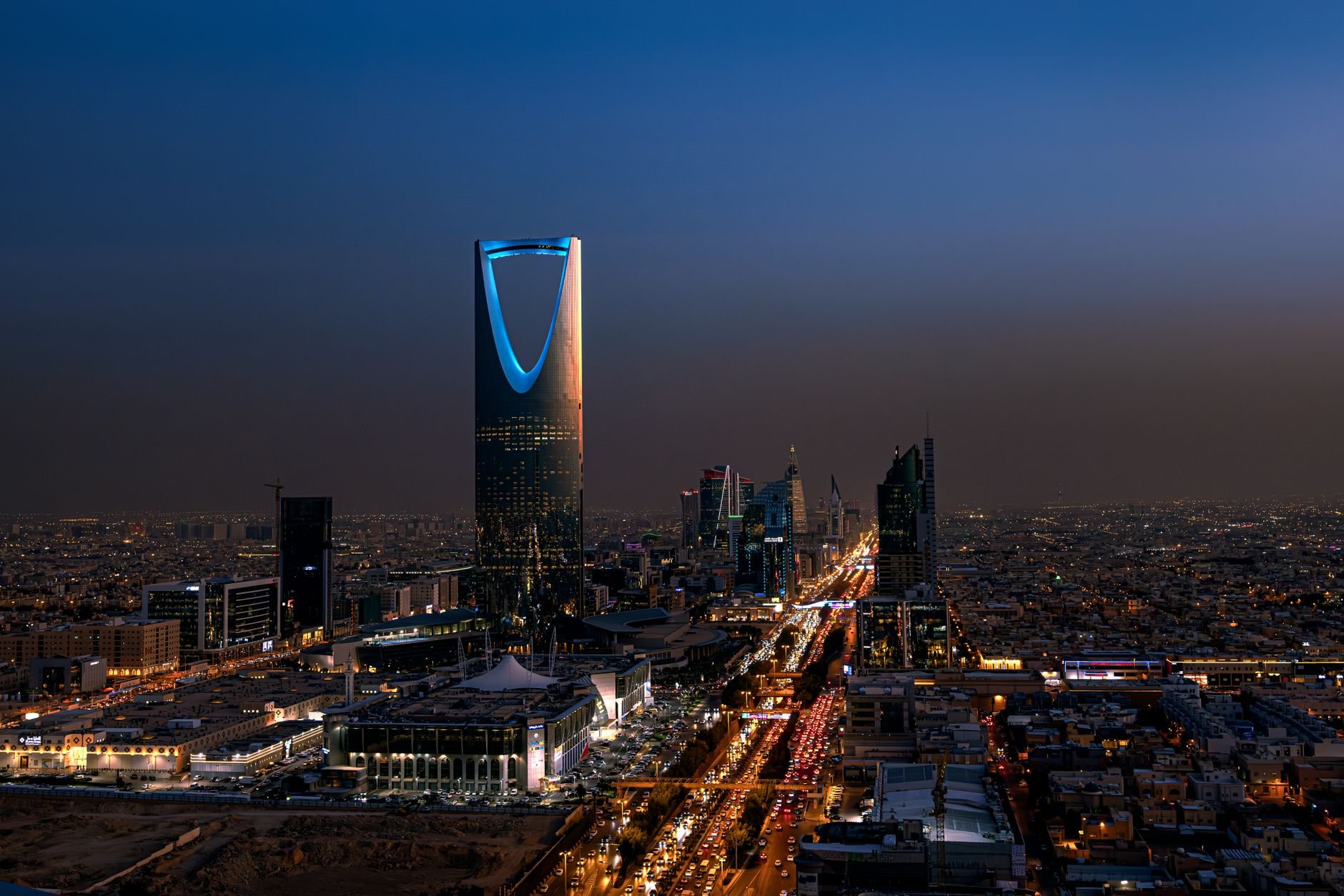
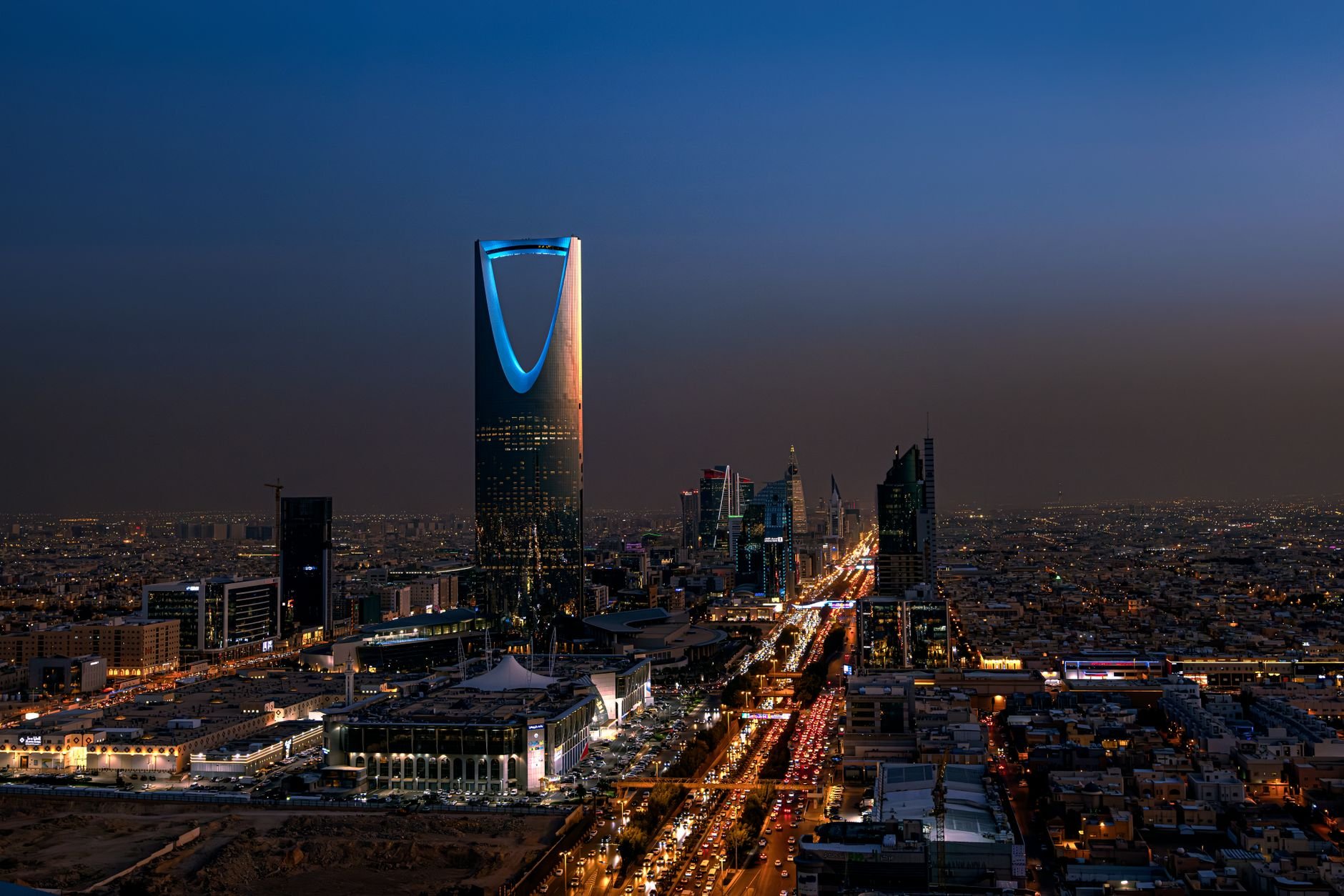
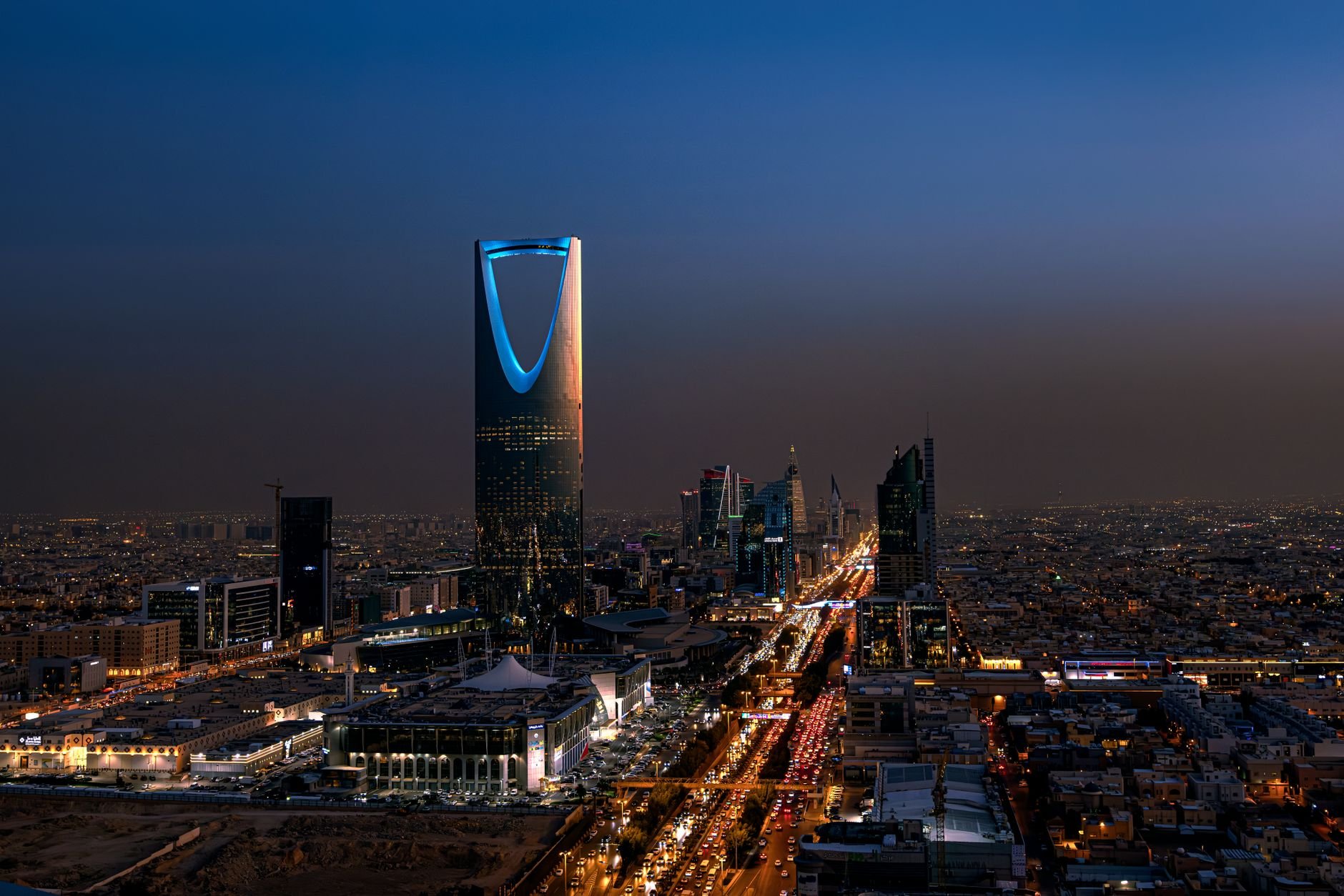
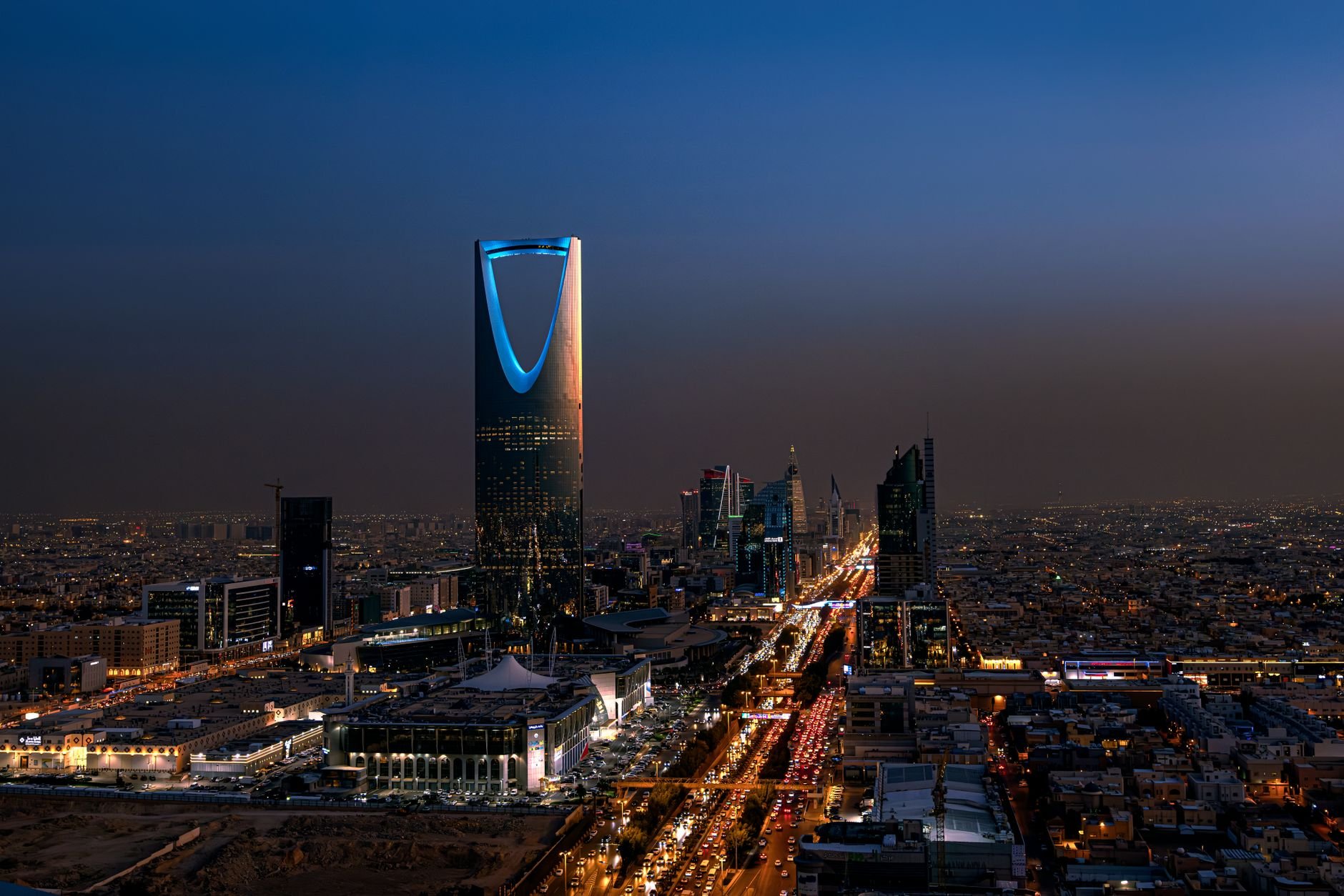
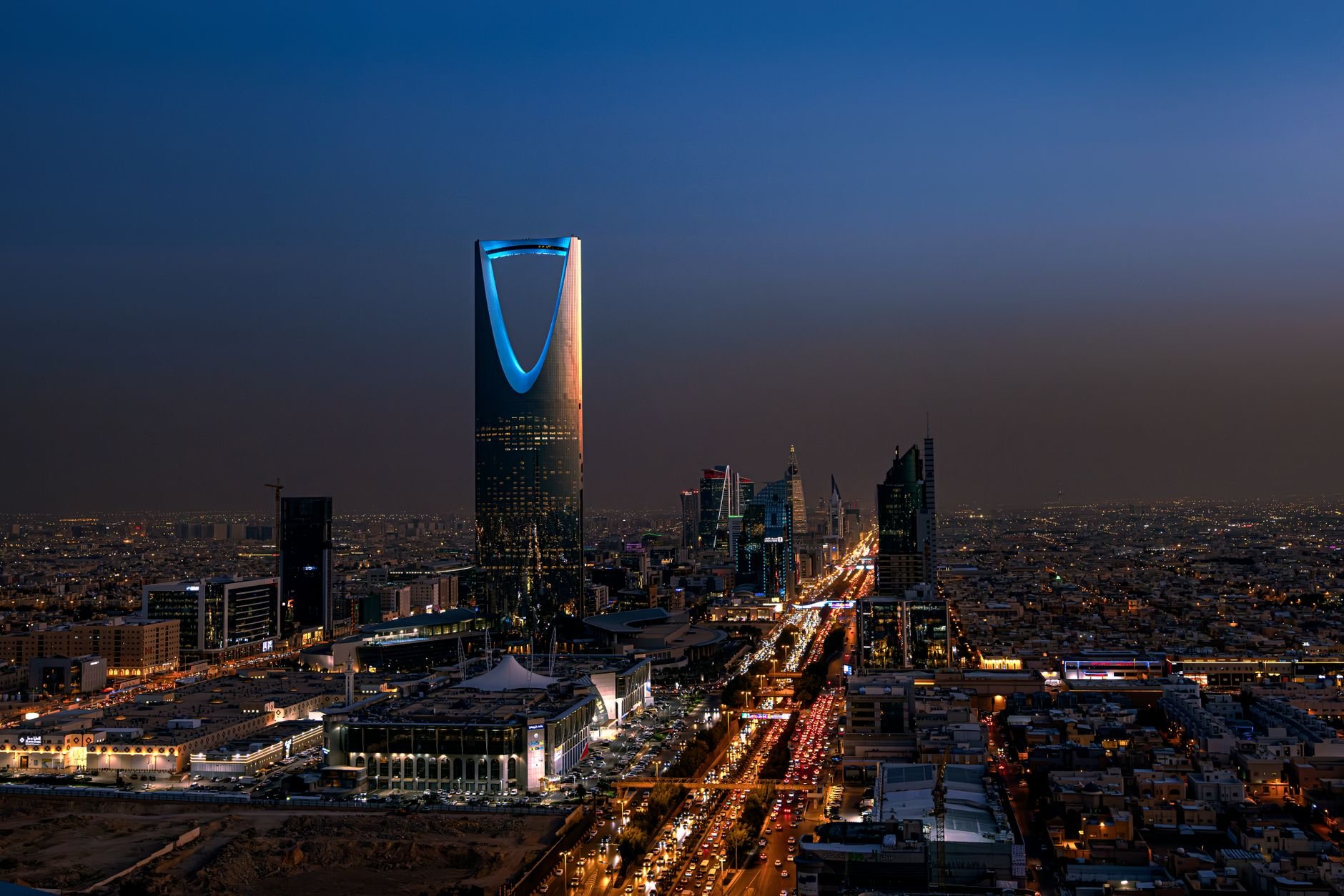
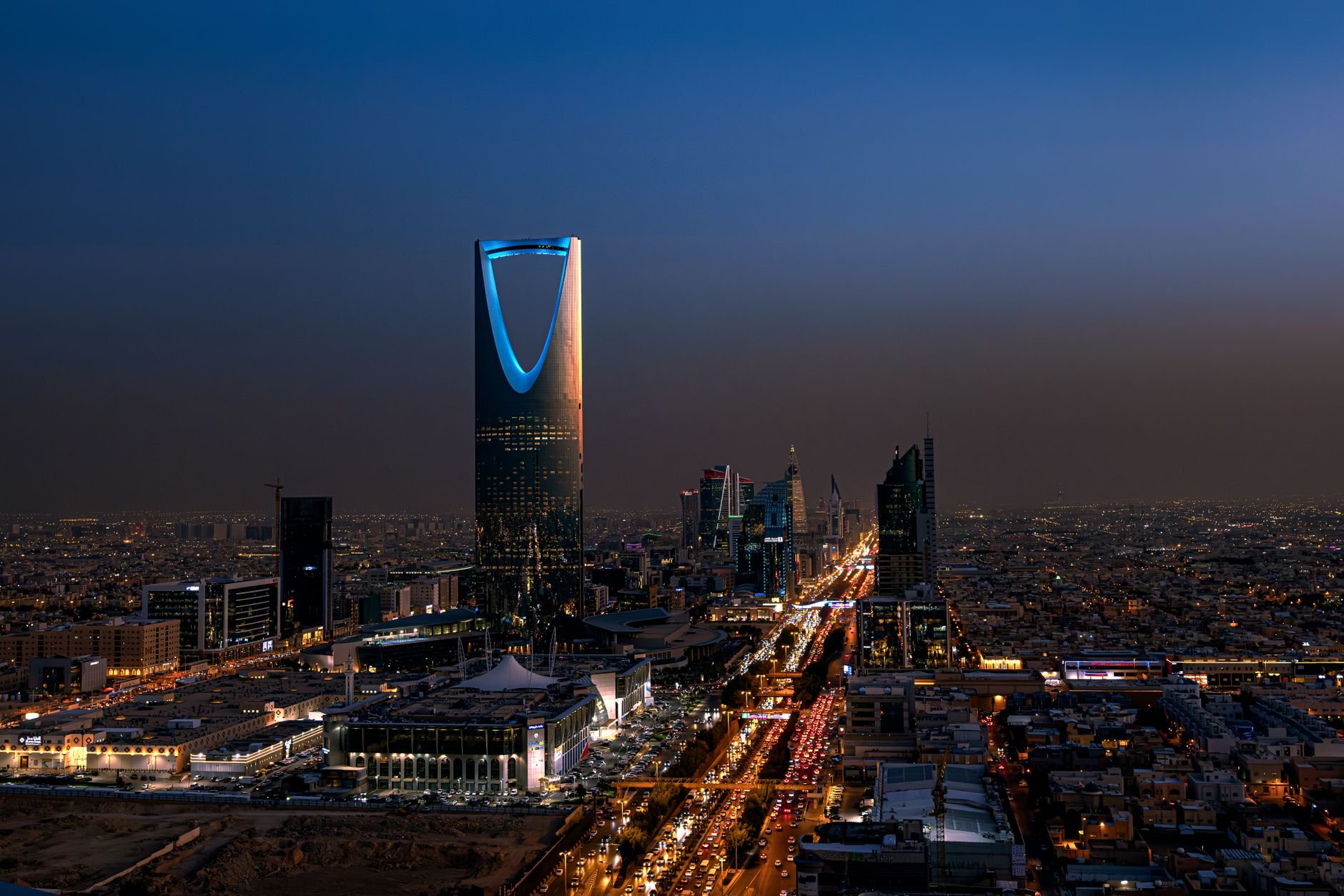
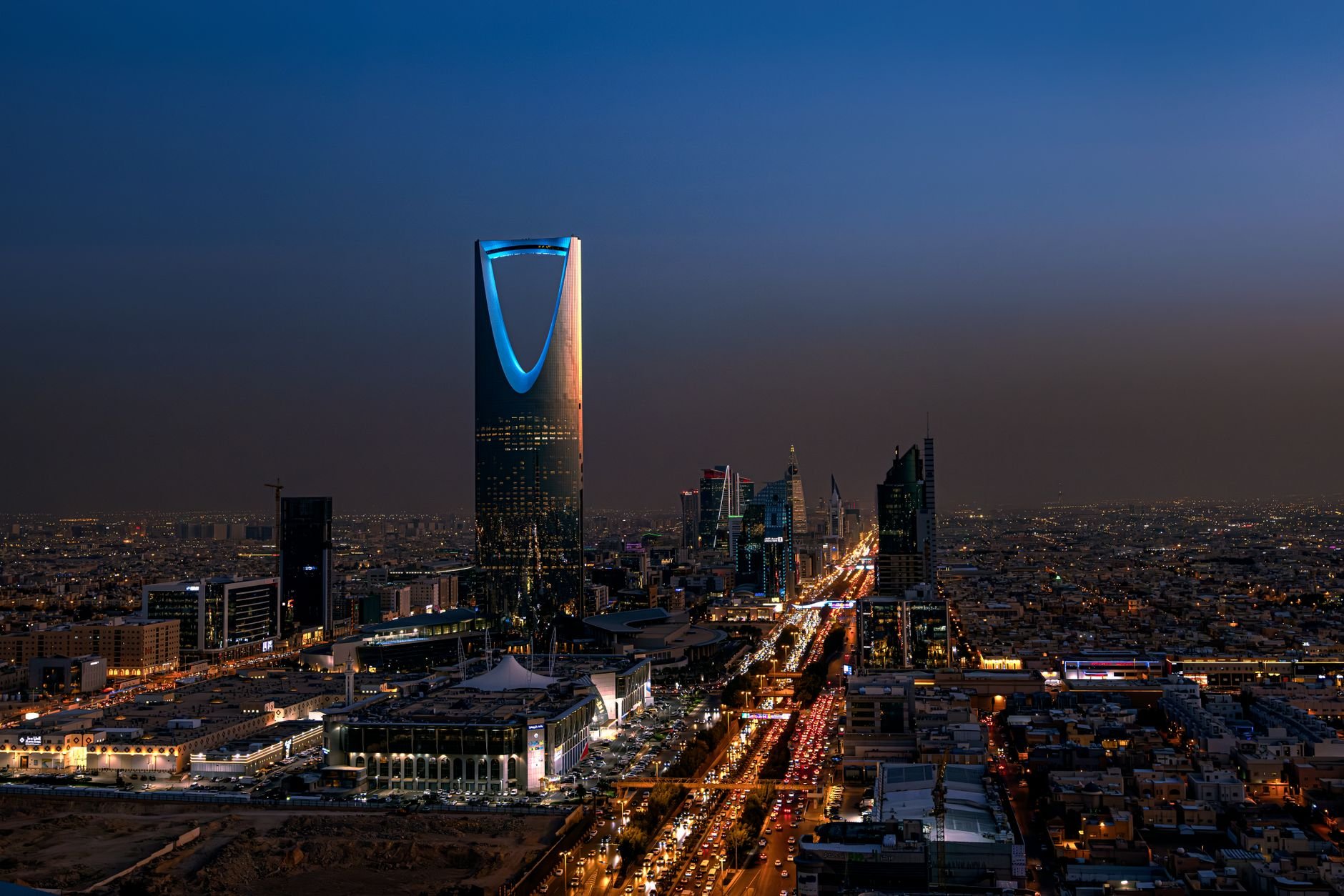
Riyadh — especially around the King Abdullah Financial District (KAFD) and the growing cluster of tech and consulting firms — is the centre of gravity, with strong demand in Jeddah and Dammam too.
Banking and financial services
Saudi Arabia's financial sector keeps expanding, and so does its appetite for talent. The hottest roles:
- Financial analysis
- Risk management
- Compliance
- Auditing
- Investment banking
- Insurance
Professional certifications and strong Excel and modelling skills go a long way here, and bilingual candidates (Arabic and English) have a clear edge.
Construction, real estate and engineering
The scale of development across the Kingdom keeps this sector firmly in demand. Key roles include:
- Project management
- Quantity surveying
- Engineering — civil, mechanical, electrical
- Procurement
- Facilities management
- Real-estate development
These roles are heavily concentrated around major project corridors and the fast-growing property markets of Riyadh and Jeddah.
Healthcare
Healthcare demand is structural and durable. Hospitals, clinics and the wider health system are consistently hiring:
- Physicians across specialties
- Nurses
- Pharmacists
- Medical technicians
- Healthcare administrators
- Health-informatics specialists
For many expat healthcare professionals, licensing and credential verification is the gateway step, so plan that process early.
Logistics, tourism, entertainment and beyond
Several other sectors round out the 2026 picture with genuine momentum:
- Logistics and supply chain — supported by the Kingdom's push to become a global trade hub
- Tourism and hospitality — fuelled by Red Sea, Diriyah and nationwide tourism growth
- Sales — consistently among the highest-volume roles
- Advanced manufacturing and mining
- Sports and entertainment — tied to Riyadh Season, Jeddah Season and the events calendar
What salaries actually look like by sector
Here's the honest part: there is no universal official salary scale for private-sector roles. Pay varies by nationality, experience, qualifications, employer, city, sector and the specific job. A senior cybersecurity engineer in Riyadh and an entry-level analyst in a smaller firm are simply different worlds.
That said, a few reliable market reference points help you calibrate. According to figures published by the General Authority for Statistics:
- Overall Saudi professional average — roughly SAR 10,900 per month in mid-2026, a useful midpoint for skilled roles
- Clerical and support roles — around SAR 6,000 per month, reflecting the lower end of the skills spectrum
- Male employee average — above SAR 11,289 per month early in 2026
Use these as anchors, not quotes. High-demand specialists — senior software engineers, risk managers, physicians, project directors — command meaningfully more, while entry-level and support roles sit below the professional average. The clearest pattern: the more scarce and technical your skill set, the further above the average you can push.
The single best way to pressure-test a specific salary is to compare live roles. Browse current jobs in Riyadh and across Saudi Arabia on Saudi Living to see what employers are actually offering for your title and experience level right now.
The skills employers are competing for
Across sectors, employers report the sharpest demand for three skill families:
- Technical and digital skills — coding, data, cloud, security and AI literacy, increasingly expected even outside pure tech roles
- Business and analytical skills — problem-solving, financial literacy, project delivery and the ability to turn numbers into decisions
- Sector-specific expertise — the deep, hard-to-replace knowledge that defines a specialist
If you want to improve your odds for 2026, invest in one of these — ideally a technical certification that maps directly to a high-demand role.
How to position yourself for 2026
A few practical moves that consistently pay off in the Saudi market:
- Target a growth sector — align your next move with tech, finance, construction, healthcare, logistics or tourism rather than shrinking fields.
- Get certified — recognised credentials in cloud, security, data, project management or finance are strong differentiators.
- Learn the local hiring platforms — if you're a Saudi national, keep an eye on public-sector portals; expats should understand how work authorisation and the Iqama tie into their offer.
- Know the process before the offer — if you're already here, understand how transferring your Iqama between employers works so a job change doesn't stall.
- Benchmark your salary — never negotiate blind; compare live listings for your role and city.
Ready to make your move? Browse the latest jobs in Riyadh and across Saudi Arabia on Saudi Living and benchmark live offers against your target role.
FAQs
What are the most in-demand jobs in Saudi Arabia in 2026?
Technology roles (software engineering, data, cybersecurity, AI, cloud), banking and finance roles (analysis, risk, compliance, auditing), construction and engineering, healthcare, logistics, and tourism and entertainment lead demand in 2026. High-skilled roles are growing fastest.
What is the average salary in Saudi Arabia in 2026?
The average monthly wage for Saudi professionals was roughly SAR 10,900 in mid-2026, while clerical and support roles averaged around SAR 6,000. Actual pay varies widely by sector, experience, qualifications, employer and city.
Which sector pays the most in Saudi Arabia?
There's no single official answer, but specialist and senior roles in technology, finance and healthcare, along with project directors in major construction, typically sit well above the professional average. Scarcity of skills is the biggest driver of higher pay.
Is it a good time to look for a job in Saudi Arabia in 2026?
Yes, particularly if you have in-demand technical, analytical or sector-specific skills. The shift towards high-skilled work means employers are actively competing for qualified candidates across several growing sectors.
Do expats and Saudi nationals get paid the same?
Not necessarily. There's no universal salary scale, and pay can differ by nationality, experience, qualifications and employer. The best approach for anyone is to benchmark live listings for the specific role and city.
What skills should I build to improve my chances?
Focus on technical and digital skills (data, cloud, security, AI), business and analytical skills, and deep sector-specific expertise. A recognised certification tied to a high-demand role is one of the strongest moves you can make.
Stay updated with the latest news, events, sports updates, business insights, real estate and lifestyle stories on Saudi Living — the leading online platform for residents, expats, and visitors in Saudi Arabia.
Follow Saudi Living for daily updates:
- Instagram - @saudiliving
- X - @saudiliving
- Facebook - @saudiliving
- YouTube - @saudiliving
Up Next
Career Progression for Expats in Saudi Arabia
Realistic career progression timelines and barriers for expats in Saudi Arabia — promotions, Qiwa transfers, work permits and how to advance faster.
Nov 13,2026
Changing Jobs in Saudi Arabia: Exit Visa & Transfer
Changing jobs in Saudi Arabia? Here's the Qiwa transfer process, exit visa costs in SAR, notice periods and final-exit rules for expats.
Nov 7,2026
Salary Ranges in Riyadh vs Jeddah: 2026 Comparison
Salary ranges by job title in Riyadh vs Jeddah for 2026 — real SAR figures for engineers, tech, finance, healthcare, teaching, retail and more.
Oct 29,2026
Career Pathways in Saudi Arabia's Vision 2030 Sectors
Career pathways in Saudi Arabia's Vision 2030 growth sectors: top industries, skills, HRDF certificates, Qiwa and how to get hired in 2026.
Oct 28,2026Related Stories
Don't Miss Similar Listings
Be the first to know when new stories on this topic are published.