Dependent Iqama Guide: Sponsoring Family in Saudi Arabia

Bringing your spouse, children, or parents to live with you in Saudi Arabia is one of the most common steps residents take once they are settled. The process runs through official channels—the Ministry of Foreign Affairs visa platform, أبشر, and مقيم—and involves document authentication, a family-residence entry visa, a medical examination, and finally the issuance of a dependent Iqama. This Saudi Living guide walks you through each stage so you know what to prepare, what to pay, and where to confirm the exact figures.
Who can sponsor family members
As a resident sponsor, you may generally bring a spouse, sons, daughters, and parents to Saudi Arabia. Approval is not automatic—it depends on several factors:
- Your profession as listed on your Iqama.
- A valid, in-date residency permit.
- Proof of sufficient financial capacity.
- Immigration approval of your specific application.
Because eligibility can vary by profession and category, confirm your own situation on the relevant Saudi government portal before you commit to any payments or travel plans.
Documents and authentication
Gather and prepare your paperwork early, as authentication is often the slowest part of the process. You will typically need:
- Your valid Iqama and passport copies.
- Marriage certificate (for a spouse) or birth certificates (for children and to prove parentage).
- Approved Arabic translations of foreign-language documents.
- Authenticated/legalized documents, photographs, and proof of relationship.
Legalization usually follows a chain: the issuing authority in the home country, then the Saudi diplomatic mission there, and finally the Saudi Ministry of Foreign Affairs where required. Build in extra time for this step.
Applying for the family-residence visa
Submit the family-residence visa request through the Ministry of Foreign Affairs visa platform, authenticating with نفاذ where prompted. A family-residence entry visa fee is commonly around SAR 2,000, but the exact payable amount is generated in the government payment system—always confirm it there before paying. Once approved, your dependent obtains the entry visa through the Saudi visa system and the relevant Saudi diplomatic mission abroad.
After arrival: what to complete
When your family member enters the Kingdom, a few steps must be finished before the dependent Iqama can be issued:
- The required medical examination at an approved center (costs are paid directly to the center and vary).
- Valid Saudi health-insurance registration—mandatory for issuance; prices vary by age, insurer, coverage, and medical history.
- Biometric procedures where requested and border-entry registration.
The dependent Iqama is then requested through مقيم or your employer's authorized immigration channel.
Fees you should budget for
Several charges apply to dependent Iqamas. The figures below are standard references—always confirm the exact amount shown in the payment system:
- Dependent Iqama base fee: SAR 500 annually for a dependent aged 18 or older.
- Dependent levy: SAR 400 usually paid through SADAD before issuance or renewal.
- Annual dependent levy: SAR 4,800
- Example: three dependents equal SAR 1,200 or SAR 14,400 across the year.
- Health insurance and the medical examination are additional and vary by provider.
Pay through SADAD using a Saudi bank after selecting the correct resident or dependent payment service, and keep every transaction receipt.
Validity and renewal
Dependent Iqamas are commonly issued or renewed for periods allowed by the system—typically up to 12 months. The actual expiry date appears in أبشر or مقيم. To renew, pay the dependent levy, the Iqama fee, health insurance, and any displayed government charges, then process the renewal through مقيم or the authorized employer channel. Renewing before expiry helps you avoid complications with other services.
Managing dependents through Absher
Use أبشر to view your dependents, check Iqama validity, request family-related services, and manage exit-and-return visas. If a family member needs to travel, apply for the exit-and-return visa through أبشر before they leave the Kingdom. Employers or authorized representatives, meanwhile, use مقيم for issuance, renewal, status updates, and related resident services. Keeping both platforms up to date is the simplest way to avoid surprises at renewal time.
Stay updated with the latest news, events, sports updates, business insights, real estate and lifestyle stories on Saudi Living — the leading online platform for residents, expats, and visitors in Saudi Arabia.
Follow Saudi Living for daily updates:
- Instagram - @saudiliving
- X - @saudiliving
- Facebook - @saudiliving
- YouTube - @saudiliving
Up Next
Family Visit Visa for Saudi Arabia: Steps & Requirements
A practical guide to the Saudi family visit visa: eligibility, documents, step-by-step application through the unified visa platform, processing time and fees.
Nov 10,2026
Registering a Child's Birth in Saudi Arabia Guide
Step-by-step guide to registering a newborn's birth in Saudi Arabia via Absher — for citizens and residents, deadlines, fees, and documents you'll receive.
Nov 10,2026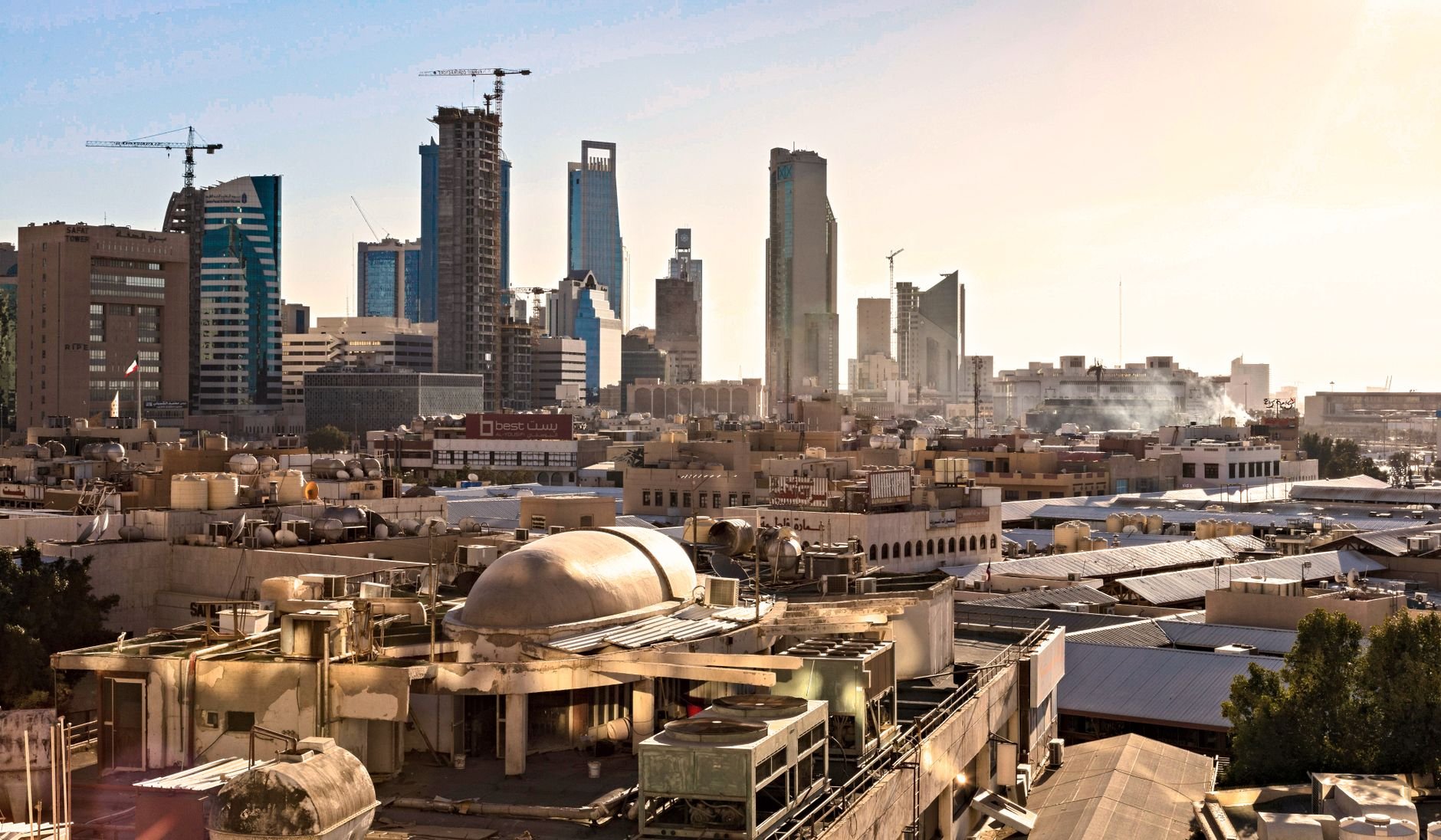
Saudi Premium Residency Explained: A Full Guide
A clear guide to Saudi Premium Residency: who it's for, the main categories, key benefits, and how to apply through official Saudi government channels.
Nov 10,2026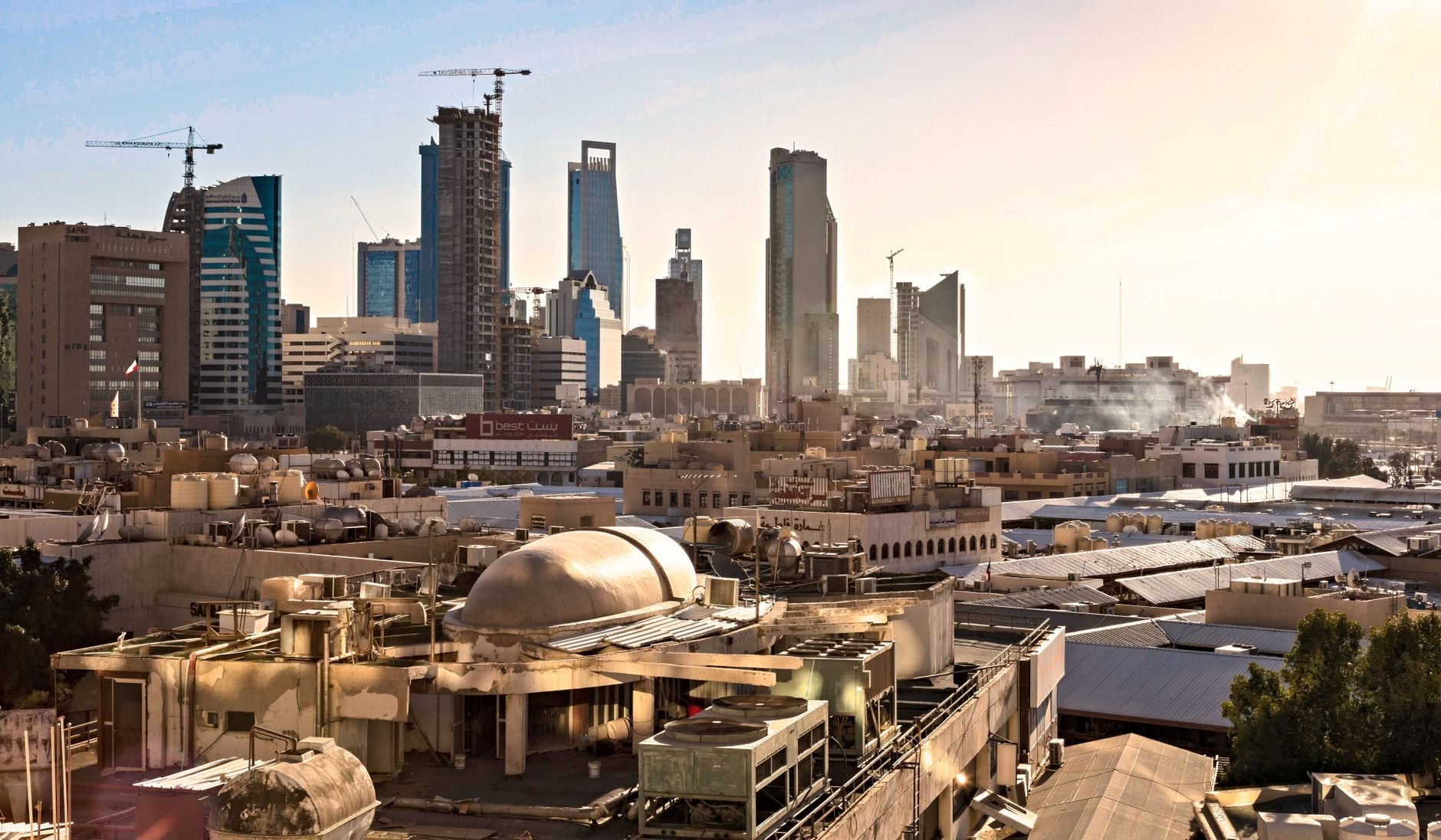
Moving to NEOM: What to Know Before You Arrive
A practical Saudi Living guide to moving to NEOM in Tabuk: work visas, Iqama, costs, family procedures, and what to confirm with your employer before travel.
Nov 9,2026Related Stories

Don't Miss Similar Listings
Be the first to know when new stories on this topic are published.