Dependent Iqama Guide: Sponsoring Family in Saudi Arabia
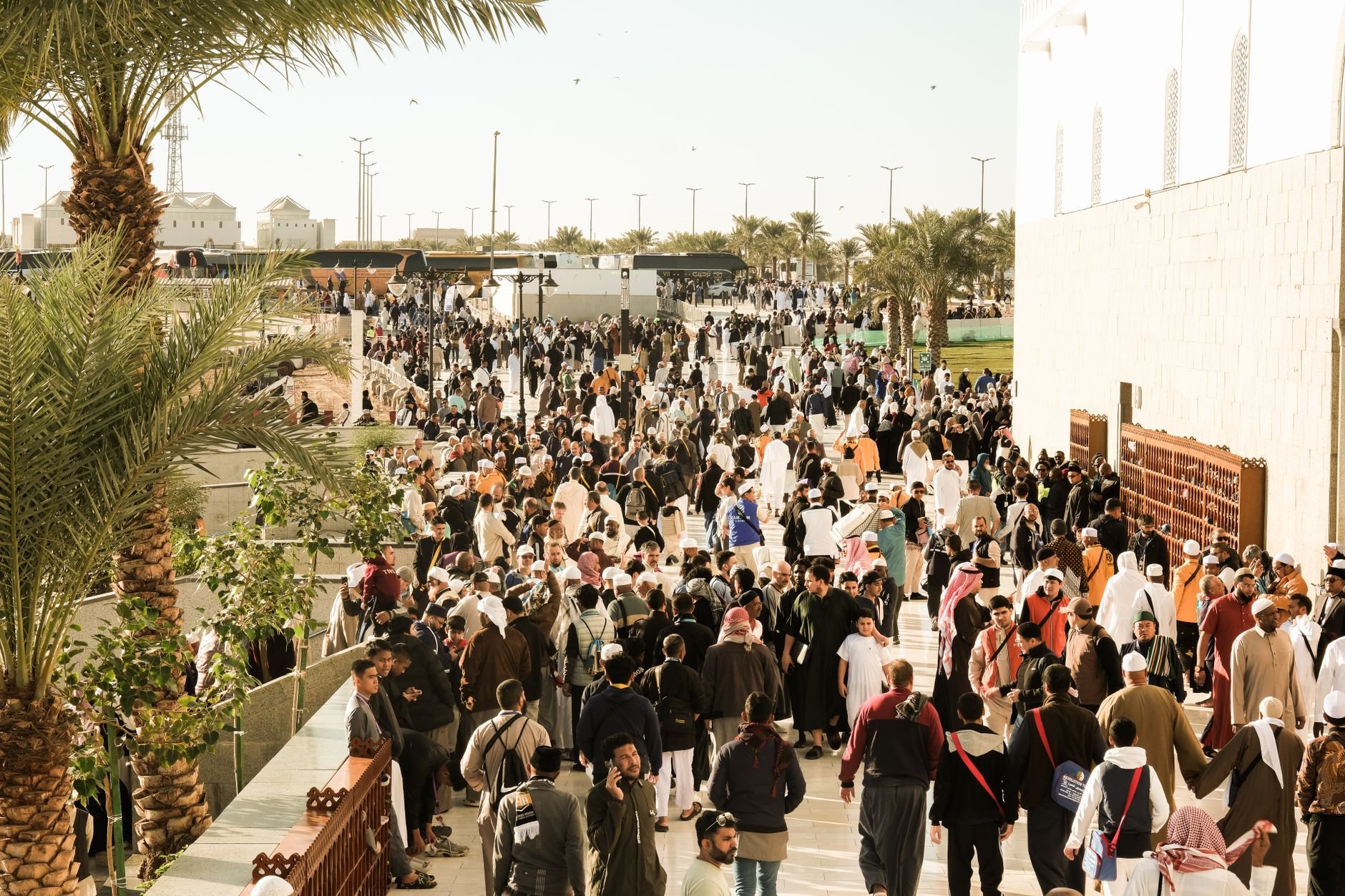
Bringing your spouse and children to live with you in Saudi Arabia is one of the most important steps for any resident settling into life in the Kingdom. The dependent iqama (residence permit for family members) links your relatives legally to you as their sponsor, allowing them to live, study, and travel in and out of the country. This guide from سعودي ليفنج walks you through eligibility, documents, costs, and the renewal process so you know exactly what to expect before you begin.
Who Can Sponsor Family Members
As a resident sponsor, you must hold a valid iqama and meet the conditions set by the authorities. Eligibility usually depends on three main factors:
- Your profession must be on the list of occupations permitted to sponsor dependents.
- Your salary must meet the minimum threshold required for family sponsorship.
- You must satisfy the applicable housing, health-insurance, and immigration requirements.
Importantly, a dependent's residence validity can never exceed your own permitted residence validity as the sponsor. If your iqama is close to expiry, renew it first before processing any dependent transactions.
Documents You Will Need
Gather your paperwork before starting, as missing documents are the most common cause of delays. Typical requirements include:
- The dependent's passport (with sufficient validity).
- An attested marriage certificate for a spouse, or an attested birth certificate for children.
- Family visa documentation where applicable.
- Your valid iqama as the sponsor.
- Recent photographs of the dependent.
- Active health-insurance information.
Documents issued abroad generally need official attestation before they will be accepted. Always confirm the latest attestation requirements on the relevant official Saudi government portal.
Understanding the Costs
Family sponsorship involves several separate charges. It helps to budget for all of them in advance:
- Dependent levy: reported at SAR 400 equal to SAR 4,800 You can pay in blocks — SAR 1,200 for 3 months, SAR 2,400 for 6 months, SAR 3,600 for 9 months, or SAR 4,800 for a full year.
- Dependent iqama service fee: reported at SAR 500 This is separate from the levy.
- Adding a dependent: reportedly free for a dependent born inside Saudi Arabia, but SAR 2,000 for a dependent or newborn born outside the Kingdom.
- Transaction charge: a reported Absher charge of SAR 51.75 for iqama issuance or renewal.
- Health insurance: premiums vary by age, insurer, coverage level, and dependent category.
Minors remain subject to the dependent levy unless an official exemption applies, while dependents aged 18 and above also require the yearly service fee. Payments are made through SADAD or your bank's government-payments service before you complete the transaction.
Bringing a New Dependent Into the Kingdom
Once the family residence visa is issued, your relative must enter Saudi Arabia within the validity period shown on it — reported as 90 days from issuance. After they arrive, you submit the iqama issuance request. Before the system allows you to complete it, you will need to:
- Pay the applicable government charges.
- Activate health insurance where required.
- Settle any outstanding traffic or immigration violations.
Renewing a Dependent Iqama
Renewals are generally handled electronically through the sponsor's أبشر services or through مقيم (for those using an employer or business account). The dependent's record must be correctly linked to you as the sponsor. The process typically involves:
- Confirming the dependent record is linked and active.
- Paying the dependent levy and the service fee for those aged 18 and over.
- Ensuring health insurance is valid for the renewal period.
- Submitting the renewal request after payment.
نفاذ may be required for identity verification when accessing these linked government services. Note that قوى is used for your own employment and work-permit records, not for routine dependent iqama issuance.
Exit and Re-Entry Visas
Travel permits are entirely separate from iqama fees and must be requested electronically through أبشر or مقيم after payment. Reported charges are:
- SAR 200 for a single exit/re-entry visa covering two months, plus SAR 100 for each additional month.
- Multiple exit/re-entry visas reportedly start at SAR 500 for three months, plus SAR 200
Because fees and conditions can change, always confirm the current figures and requirements on the official Saudi government portal before paying. Keeping your iqama, insurance, and payments up to date is the simplest way to ensure your family's residence stays valid without interruption.
Stay updated with the latest news, events, sports updates, business insights, real estate and lifestyle stories on Saudi Living — the leading online platform for residents, expats, and visitors in Saudi Arabia.
Follow Saudi Living for daily updates:
- Instagram - @saudiliving
- X - @saudiliving
- Facebook - @saudiliving
- YouTube - @saudiliving
Up Next
Saudi Family Visit Visa: Requirements & Steps
A practical guide to the Saudi family visit visa: who can sponsor, required documents, step-by-step application, fees, validity, and extension rules.
Nov 11,2026
Exit and Re-Entry Visa Saudi Arabia: How to Apply
A practical guide to applying for a single or multiple exit and re-entry visa in Saudi Arabia via Absher or Muqeem, including fees and key steps.
Nov 11,2026
Muqeem Portal Explained for Expats and Employers
A practical guide to the Muqeem portal: how employers issue and renew Iqamas, manage exit and final-exit visas, print reports, and what fees apply.
Nov 11,2026
Registering a Child's Birth in Saudi Arabia Guide
A practical step-by-step guide to registering your newborn's birth in Saudi Arabia via Absher, for both Saudi citizens and residents, including documents and fees.
Nov 11,2026Related Stories

Don't Miss Similar Listings
Be the first to know when new stories on this topic are published.