Jazan Economic City for Investors: Zones and Setup
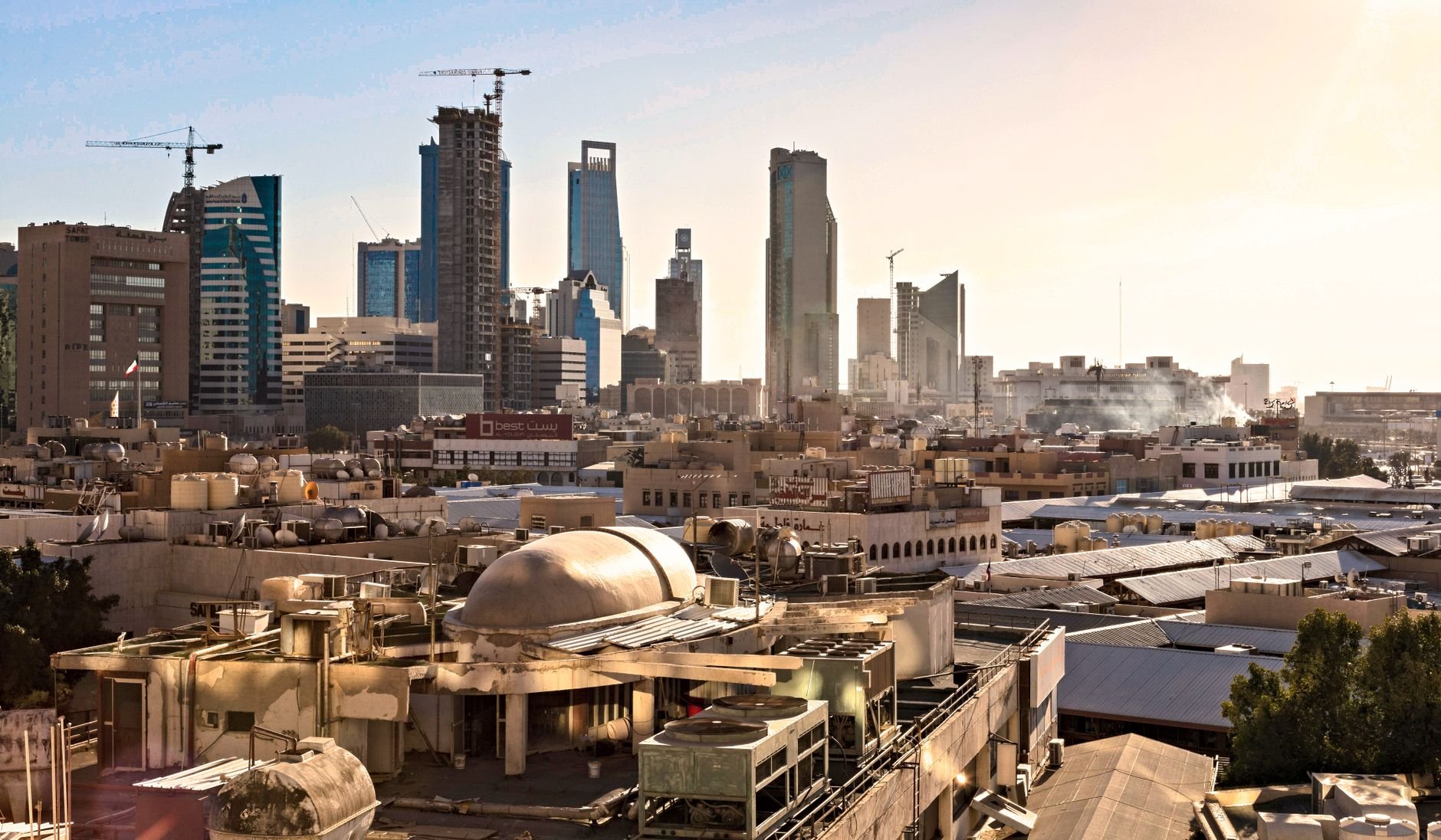
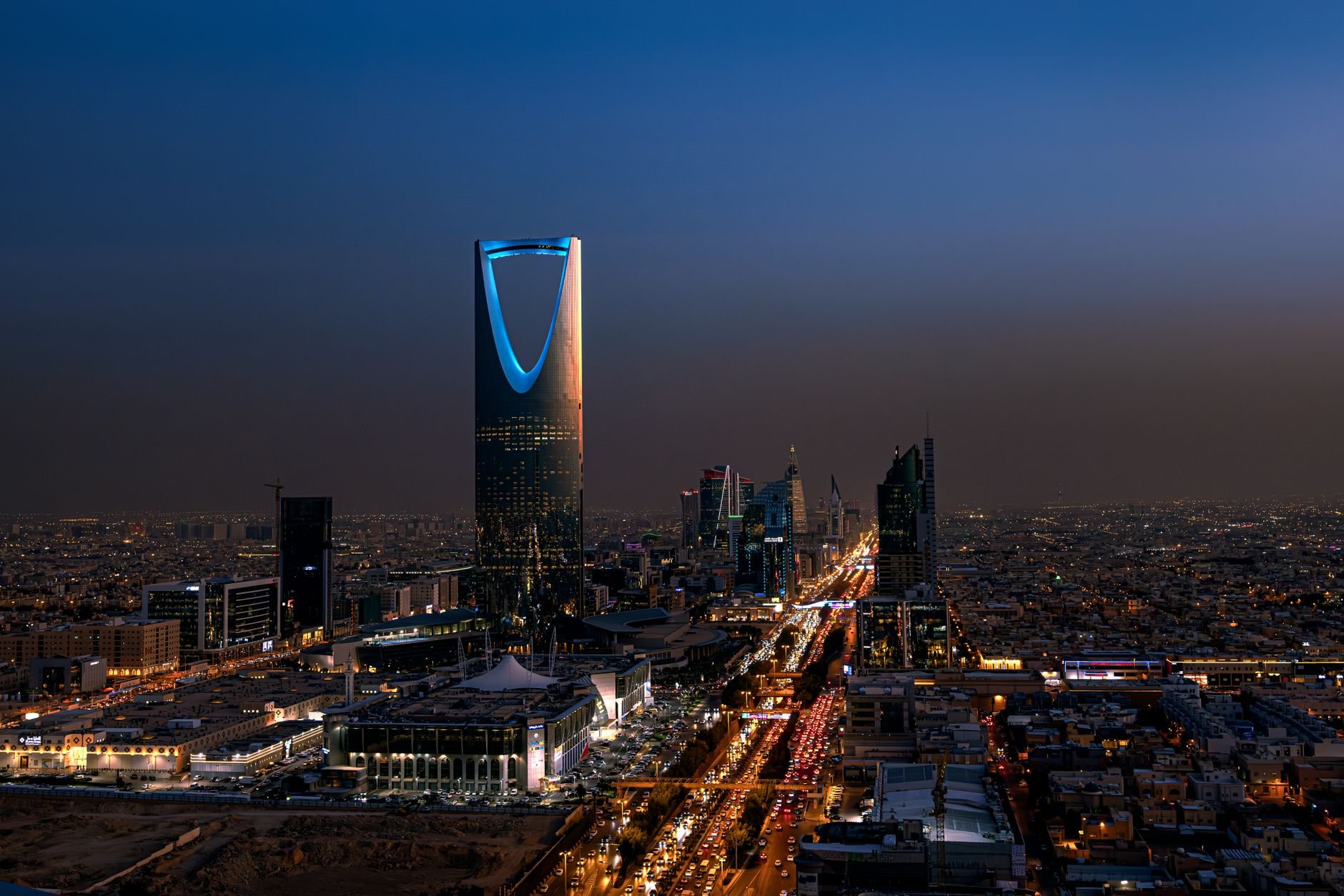
If you're weighing up where to base a food, processing or agribusiness project in Saudi Arabia, the Jazan Special Economic Zone — often referred to as Jazan Economic City — is a leading choice. It sits on the Kingdom's southern Red Sea coast, it's built around food industries and logistics, and it comes with a genuinely attractive incentive package for qualifying investors. This guide to Jazan Economic City for investors covers the zones, the incentives, who's eligible, and how you register, step by step.
What is Jazan Economic City (the Jazan Special Economic Zone)?
The Jazan Special Economic Zone is a designated investment zone in the Jazan Region, on Saudi Arabia's Red Sea coast. Unlike setting up a standard mainland company, a special economic zone gives you a ring-fenced regulatory and incentive environment designed to attract specific industries.
For Jazan, that focus is clear: food industries, food processing, agribusiness and the logistics that support them. Its coastal location is a deliberate advantage — proximity to Red Sea shipping lanes makes it a natural base for importing inputs and exporting finished products across the region.
The regulatory frameworks governing Saudi Arabia's special economic zones were approved in January 2026 and took effect on 16 April 2026, so the rules you'll be working under are current and relatively fresh. That matters: it means the incentive structure and registration route described here reflect the latest framework rather than legacy arrangements.
Who can invest and what sectors fit
The core eligibility test is straightforward in principle: your project either fits one of the zone's designated industries, or it introduces a sector that genuinely supports the Kingdom's development objectives under Saudi Vision 2030.
The food and agribusiness focus
If your business is in any of the following, Jazan is squarely built for you:
- Food manufacturing and processing — turning raw agricultural inputs into finished products.
- Agribusiness — from production through to packaging and distribution.
- Food logistics and cold chain — warehousing, storage and onward shipping.
- Supporting industries that feed into the food value chain.
Projects outside this core focus aren't automatically ruled out, but they'll need to demonstrate a clear contribution to the Kingdom's economic development goals to win approval.
Eligibility in plain terms
Beyond sector fit, the authority will want to see that you're a serious, capable operator. In practice that means proving you have the financial capacity to deliver, a credible plan, and a positive economic footprint — including employment and knowledge transfer for the local workforce.
The incentives: tax, customs and VAT
This is where a special economic zone earns its keep. The headline incentives for qualifying licensed activities in Jazan include:
- 0% withholding tax on qualifying licensed activities — a meaningful saving on cross-border payments.
- Customs-duty deferral of up to 100% under approved customs-suspension arrangements — useful if you're importing raw materials to process and re-export.
- VAT treatment — the standard rate in Saudi Arabia is generally 5%, but qualifying goods moved within or into the zone may be eligible for 0% treatment, subject to conditions.
On corporate income tax, be careful with the sweeping claims you may see elsewhere. There is no single universal corporate tax rate that applies automatically across the zone — the treatment depends on your specific licensed activity and the implementing rules. Model your numbers on your actual activity rather than a headline rate, and confirm the applicable treatment before you commit.
Documents you need before you apply
Get these ready before you start the online application — having them prepared is what turns a slow application into a fast one:
- Proof of financial capacity — evidence you can fund the project.
- An investment plan — what you'll build, over what timeframe.
- A feasibility study — the commercial case for the project.
- An environmental-impact assessment — essential for food and processing operations.
- Evidence of an employment or knowledge-transfer plan — how the project benefits the local workforce.
Preparing a complete, professional document pack upfront is the single biggest lever you have over approval speed.
How to register: step by step
Registration runs through the Economic Cities and Special Economic Zones Authority's electronic services — not Absher, Qiwa or the other everyday government portals you may be familiar with. Here's the sequence:
- Create an investor account on the authority's e-services platform.
- Select the Jazan Special Economic Zone as your target zone.
- Submit your application with the full document pack listed above.
- Obtain your investment licence — the listed processing time for a special-economic-zone investment licence is 5 to 10 working days.
- Complete your commercial registration — this enters your establishment in the companies register and is required before you can legally operate in the zone.
Investment licence vs economic-city licence
Here's an important nuance. There are two licence routes you may encounter:
- Special-economic-zone investment licence — listed processing time of 5 to 10 working days.
- Economic-city investment licence — listed processing time of just 2 working days.
The timelines differ, so before you apply, confirm whether your application should be classified under the Jazan zone or an economic city. Getting this classification right from the start saves you from re-submitting under the wrong category.
Costs, fees and validity: what we can and can't confirm
We'd rather be straight with you than quote a number we can't stand behind. There is no single Saudi-wide fee schedule for zone applications, licensing, commercial registration, land, rent or services — the actual amounts depend on the zone authority and your specific activity.
The same applies to validity periods for the investment licence, commercial registration, land lease and zone permits: these aren't fixed by one universal rule. The practical takeaway — request the current fee and validity schedule directly from the Economic Cities and Special Economic Zones Authority for your exact activity before you budget. Treat any flat figure you see quoted online with caution.
Practical tips for getting set up in Jazan
- Classify your activity carefully. Zone vs economic city changes your timeline and potentially your incentives.
- Front-load the paperwork. The feasibility study and environmental assessment take the longest to produce — start them early.
- Plan your logistics around the coast. Jazan's Red Sea position is an asset; design your supply chain to use it.
- Line up banking in parallel. You'll need corporate banking to fund operations, so don't leave it until after licensing.
- Budget conservatively. Since fees vary by activity, build a cushion into your setup budget until you have confirmed figures.
FAQs
What is the main focus of the Jazan Special Economic Zone?
Food industries, food processing, agribusiness and related logistics. Its Red Sea coastal location makes it a strong base for importing inputs and exporting finished products.
How long does it take to get an investment licence in Jazan?
The listed processing time for a special-economic-zone investment licence is 5 to 10 working days. An economic-city investment licence has a listed processing time of 2 working days — so confirm which category your application falls under first.
What tax incentives does the zone offer?
Qualifying licensed activities can benefit from 0% withholding tax, customs-duty deferral of up to 100% under approved customs-suspension arrangements, and possible 0% VAT treatment on qualifying goods moved within or into the zone, subject to conditions.
Where do I actually register?
Through the Economic Cities and Special Economic Zones Authority's investor e-services. You select the Jazan Special Economic Zone, submit your documents, obtain your investment licence, then complete your commercial registration.
How much does it cost to set up?
There is no single nationwide fee schedule. Costs for application, licensing, registration, land, rent and services depend on the zone authority and your activity, so request the current figures directly before budgeting.
Is there a fixed corporate income tax rate in the zone?
No universal rate applies automatically. The corporate income tax treatment depends on your licensed activity and the implementing rules, so model your tax position on your specific project.
Ready to make your move south? Explore more business and investment guides, and find your next opportunity in our Saudi Living business and investment listings.
Stay updated with the latest news, events, sports updates, business insights, real estate and lifestyle stories on Saudi Living — the leading online platform for residents, expats, and visitors in Saudi Arabia.
Follow Saudi Living for daily updates:
- Instagram - @saudiliving
- X - @saudiliving
- Facebook - @saudiliving
- YouTube - @saudiliving
Up Next
How Foreign Investors Open a Company in Saudi Arabia
A step-by-step guide for foreign investors to set up a company in Saudi Arabia, from MISA registration to CR, licenses, tax, and banking.
Nov 15,2026
Foreign Company Registration in Saudi Arabia: Key Steps
A practical guide to registering a foreign-owned company in Saudi Arabia, from MISA approval to commercial registration, licensing, and bank accounts.
Nov 12,2026
Saudi Rules for Foreign-Owned Retail & E-Commerce
Full foreign ownership of wholesale, retail and e-commerce in Saudi Arabia requires SAR 30m capital and multi-market presence. Here are the key conditions.
Nov 12,2026
How to Incorporate a Company via Saudi Business Center
A step-by-step look at electronic company incorporation through the Saudi Business Center after completing MISA registration, including fees and timelines.
Nov 12,2026Related Stories



Don't Miss Similar Listings
Be the first to know when new stories on this topic are published.