Renting a Home in Saudi Arabia: The Ejar Guide
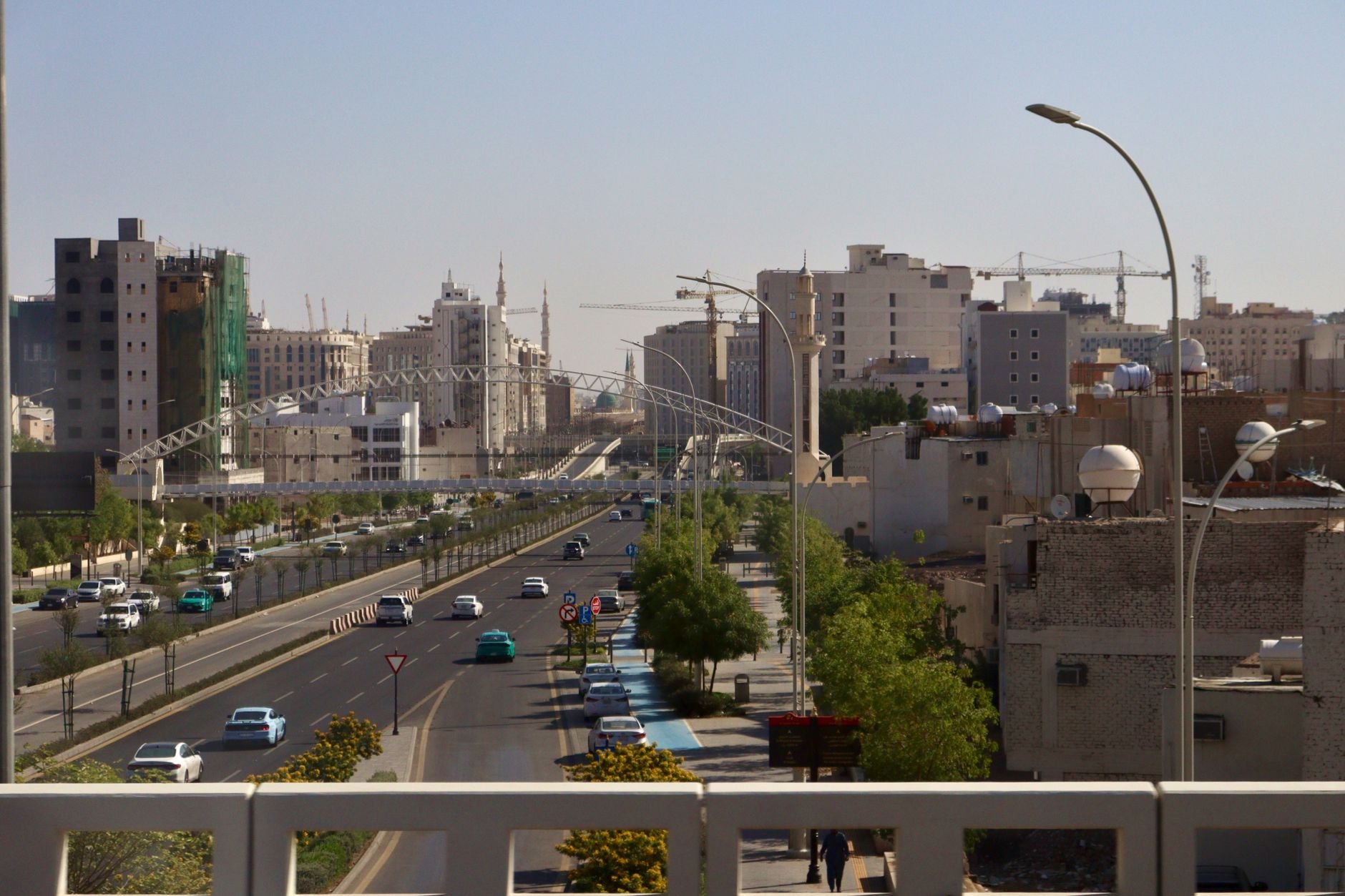
Whether you're a new arrival or a long-time resident moving to a new neighborhood, renting a home in Saudi Arabia revolves around one key system: the Ejar network. Ejar is the Kingdom's electronic rental-services platform used to document residential lease contracts, and understanding how it works protects both your rights and your money. In this Saudi Living guide, we walk you through how an Ejar contract is created, what it must contain, the fees involved, and your options if a landlord refuses to document the lease.
Why a documented Ejar contract matters
A lease documented through Ejar generally carries recognized administrative and judicial effects, meaning it can be relied on officially and before the courts if a dispute arises. A paper-only contract that is not documented may not provide those same protections. For tenants, this is the single most important reason to insist on an Ejar contract rather than an informal written agreement.
Who creates the contract and how
The contract is created through Ejar by the landlord or by an authorized real-estate broker acting on the landlord's behalf. Once it is drafted, the landlord, tenant, or broker reviews it and sends it electronically to the parties for approval and documentation.
All parties authenticate their identity using the electronic identity process linked to Saudi National Access. To complete this, you need:
- Valid identity or residency documentation (National ID or Iqama).
- A mobile number registered with Absher.
The standard residential documentation workflow relies on Absher-linked identity authentication and Ejar itself — you do not need to separately use other government channels to document a residential lease.
What the contract must include
Every Ejar contract is built from a set of required sections. Make sure each one is accurate before you approve:
- Contract duration — can be in years, months, or days, using Hijri or Gregorian dates.
- Property and unit — the specific building and unit being leased.
- Contracting parties — landlord and tenant details.
- Financial information — for a contract of one year or longer, the annual rent is entered; for a shorter contract, the monthly rent is entered.
- Terms and conditions — the agreed obligations of both sides.
There is no single mandatory lease length nationwide, and no fixed nationwide rent cap, so durations and amounts are negotiated between you and the landlord.
Fees: documentation and brokerage
Two costs commonly appear when renting:
- Ejar documentation fee: SAR 125 for each contract year, with any partial year rounded up to a full year. The contract specifies whether the landlord or the brokerage office pays this fee. The amount is held until both parties approve and is refunded if the contract is rejected.
- Brokerage commission: when a broker is involved, their commission must not exceed 2.5% of the first year's rent.
A licensed broker should hold a valid Saudi ID, a commercial registration that includes real-estate brokerage activity, a registered national address, and the required broker training. It's reasonable to ask a broker to confirm these before you sign.
If the landlord refuses to document the contract
You are not without options if a landlord won't put the lease into Ejar. You can request registration yourself through Ejar and file a rental incident with the Real Estate General Authority. To use the rental-incident service, prepare:
- An Ejar account authenticated through National Access.
- Your paper lease and its details.
- The property-unit address.
- Information about the non-cooperating party.
After a tenant requests registration, the landlord has 60 days from notification to object. If no objection is filed within that window, the contract data is treated as accurate.
A quick checklist before you sign
- Confirm the lease will be documented through Ejar, not just on paper.
- Verify your Absher-registered mobile number is current so authentication works.
- Check every required section — especially duration, rent, and the unit address.
- Agree in writing who pays the Ejar documentation fee.
- If a broker is involved, confirm the commission stays within 2.5% of the first year's rent.
For exact amounts, timelines, or any step specific to your case, always confirm the latest details on the relevant official Saudi portal before approving the contract.
Stay updated with the latest news, events, sports updates, business insights, real estate and lifestyle stories on Saudi Living — the leading online platform for residents, expats, and visitors in Saudi Arabia.
Follow Saudi Living for daily updates:
- Instagram - @saudiliving
- X - @saudiliving
- Facebook - @saudiliving
- YouTube - @saudiliving
Up Next

Set Up Home Electricity in Saudi Arabia: Full Guide
How to apply for a permanent electricity connection, choose breaker capacity, understand connection charges, and register your meter in Saudi Arabia.
Nov 19,2026
Paying Traffic Fines: Najm vs Absher Explained
A practical guide to paying Saudi traffic fines online. Why Najm isn't for fines, how Absher, Efaa, and SADAD work, plus reductions and disputes.
Nov 19,2026
Getting a Saudi Driving Licence: The Full Process
A practical step-by-step guide to applying for a Saudi driving licence via Absher: eligibility, medical exam, driving school, tests, fees, and renewal.
Nov 19,2026
Dependent Iqama in Saudi Arabia: Family Sponsorship Guide
A practical guide to sponsoring your spouse and children in Saudi Arabia: Absher steps, dependent levy, fees, medical checks, and renewal requirements.
Nov 19,2026Related Stories
Don't Miss Similar Listings
Be the first to know when new stories on this topic are published.