Renting in Saudi Arabia: How the Ejar Contract Works
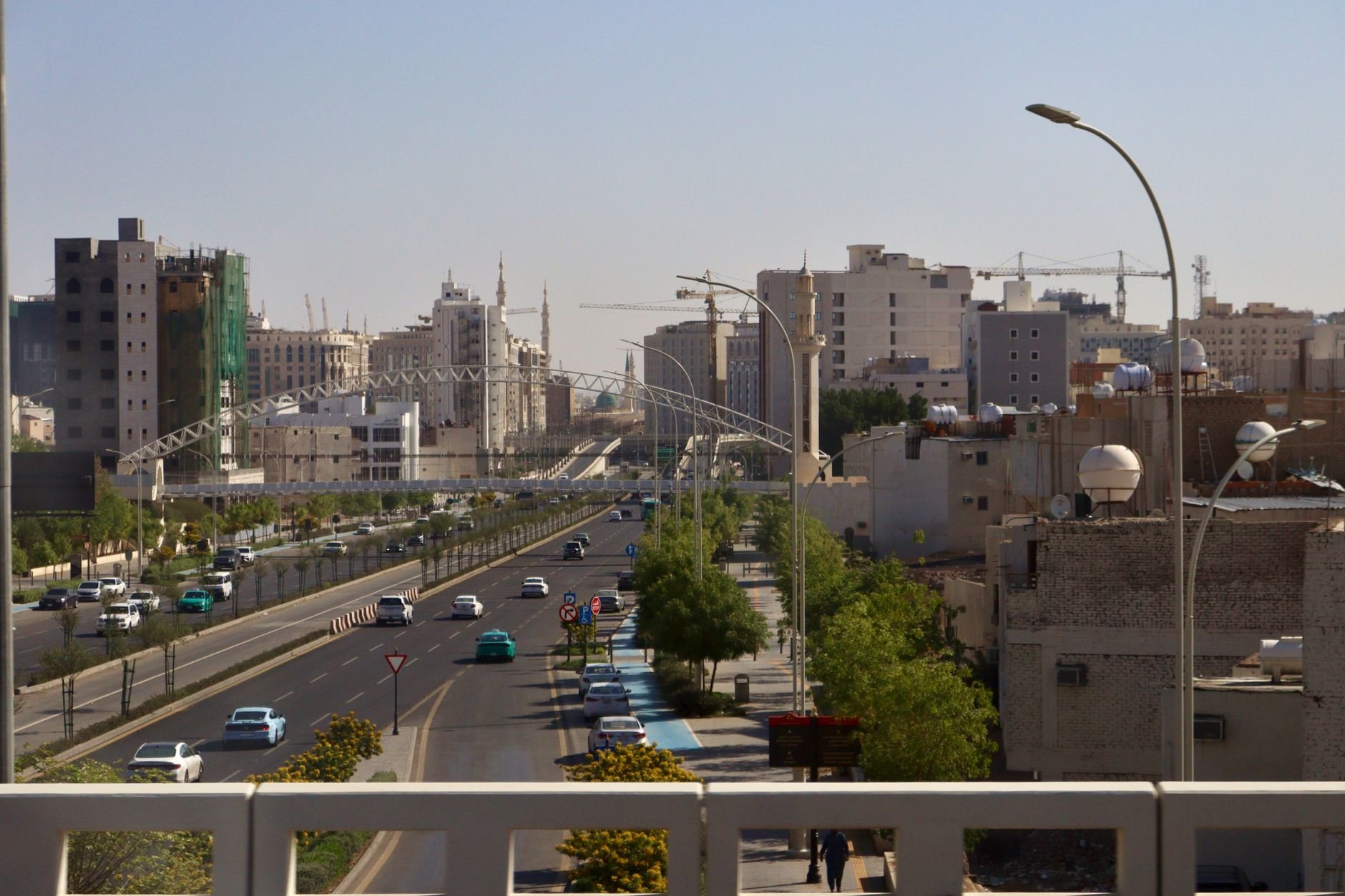
Renting a home is one of the first big steps when you settle into life in Saudi Arabia, and getting your lease documented correctly protects both you and your landlord. The Kingdom uses an electronic rental network called Ejar to document residential leases, so instead of relying on a loose paper agreement, your tenancy is recorded, authenticated, and recognised. In this Saudi Living guide, we explain how the Ejar contract works, what it costs, what information it captures, and how to handle problems if they arise.
What Ejar Is and Why It Matters
Ejar is Saudi Arabia's electronic network for documenting residential rental contracts. When your lease is registered and electronically authenticated through Ejar, it becomes an official record that can be relied upon for administrative and judicial purposes. An unregistered lease, by contrast, may not receive those effects — meaning it can be far harder to enforce your rights or resolve a dispute later.
- It creates a standardised, authenticated record of the tenancy.
- It clearly sets out the obligations of both landlord and tenant.
- It gives you a documented basis if you ever need to escalate a disagreement.
The Costs You Should Know
There are two cost figures worth remembering before you sign anything:
- Documentation fee: SAR 125 Any partial year is rounded up to a full year.
- Who pays it: The documentation fee is normally paid by the landlord or the licensed real-estate broker, as specified in the contract.
- Brokerage commission: If a broker is involved, the commission must not exceed 2.5% of the first year's rent.
Beyond these, your actual rent, deposit, and any utility arrangements are whatever is agreed and written into the contract.
What the Contract Records
An Ejar contract is created by the landlord or an approved real-estate broker through the platform. It captures the key details of your tenancy so there is no ambiguity later. Expect it to include:
- The lease term (the start and end dates you agree on).
- Landlord and tenant details.
- Property and specific unit information.
- Rent amount and the payment schedule.
- Security deposit.
- Utilities and who is responsible for them.
- Conditions, maintenance responsibilities, renewal terms, and termination conditions.
- Brokerage information, if applicable.
There is no single universal lease duration imposed by Ejar — the term is simply the period entered into the contract, so read it carefully before approving.
Step by Step: How the Contract Gets Documented
The process is designed to be done electronically, with both parties confirming their consent.
- The landlord or broker creates the contract on the Ejar platform and enters all the details.
- They review it, pay the documentation fee, accept the disclaimer, and submit it for authentication.
- Both the tenant and the landlord receive electronic approval requests.
- Each party reviews and accepts the contract using the available identity-verification process.
- Once all required parties have electronically approved, the contract becomes documented.
What You Need as a Tenant
As a tenant, you generally need a valid Saudi national ID or Iqama and an active Ejar account. Identity verification during approval may use the approved national digital-identity service shown to you on screen. There is no universal requirement that every tenant complete the whole process through one specific government app — simply follow the identity-verification option that appears during the Ejar approval step, and confirm any specifics on the relevant official portal if you are unsure.
If One Party Refuses to Authenticate
Sometimes a landlord or tenant declines to complete the electronic approval. In that case, either party may file a rental incident through Ejar. You will need to upload the required paper contract and supporting documents.
- The rental-incident fee for a residential contract is SAR 250
- Prepare your signed paper agreement and any evidence of the tenancy before filing.
Renewals and a Final Word
Renewal terms should be written clearly into your contract from the start, including how and when the lease can be extended or ended. There is no verified general rule establishing an automatic renewal period or a universal additional-year charge beyond the documented SAR 125 per year rate — so rely on what your contract says and confirm any current details on the official Ejar portal. Taking a little time to read every clause before you approve will save you a great deal of hassle during your stay in the Kingdom.
Stay updated with the latest news, events, sports updates, business insights, real estate and lifestyle stories on Saudi Living — the leading online platform for residents, expats, and visitors in Saudi Arabia.
Follow Saudi Living for daily updates:
- Instagram - @saudiliving
- X - @saudiliving
- Facebook - @saudiliving
- YouTube - @saudiliving
Up Next
Saudi SIM Card & Mobile Plan Guide for Newcomers
How to buy a Saudi SIM and mobile plan as a visitor or new resident: documents, visitor packages, prices, activation, and transferring to your iqama.
Nov 21,2026
Paying Traffic Fines: Najm vs Absher Explained
A clear Saudi Living guide to paying traffic fines in Saudi Arabia through Absher, Efaa, and SADAD — and why Najm is not a payment channel.
Nov 21,2026
Saudi Family Visit Visa: Requirements & Steps
A complete guide to the Saudi family visit visa: who can sponsor, required documents, fees, processing time, validity, extensions, and overstay rules.
Nov 21,2026
Moving to Al Bahah: What to Know Before You Arrive
A practical Saudi Living guide to moving to Al Bahah: Iqama and residency steps, leases via Ejar, utilities, climate, transport, and top sights.
Nov 19,2026Related Stories
Don't Miss Similar Listings
Be the first to know when new stories on this topic are published.