Used Car Buying Guide: Red Flags & Checklist KSA

Buying a used car in Saudi Arabia can save you tens of thousands of riyals — but only if you check three things before any money changes hands. This used car buying guide for red flags, inspection and fair pricing in KSA comes down to confirming the VIN and ownership, the mechanical condition, and a fair price based on real Saudi listings. Get those right and the official Absher transfer is quick and safe. Get them wrong and you could inherit someone else's debt, a hidden accident, or worse. Here's exactly how to buy smart, whether you're shopping in Riyadh, Jeddah or beyond.
Before you pay a riyal: the three checks that matter most
Never let a friendly seller rush you. Before any deposit changes hands, confirm the car is legally clean and matches its paperwork. Start by checking the vehicle identification number (VIN) against the registration card (istimara), the chassis stamping on the body, the insurance record and the inspection record. Every one of those should show the exact same number.
Next, verify the seller actually owns the car and has the right to sell it. In Saudi Arabia this is done through Absher — both buyer and seller need active Absher accounts to complete an electronic vehicle sale. Confirm the car has no ownership-transfer restriction, no unpaid traffic violations, and no unresolved financing claim (a mortgaged or financed car cannot be cleanly transferred until the loan is settled).
Finally, make sure the registration, the technical (periodic) inspection and the insurance are all valid before you attempt a transfer. If the registration or inspection has lapsed, that becomes your problem the moment the car is in your name.
Red flags that should make you walk away
Some problems are negotiable. Others mean you should leave and not look back. Treat the following as hard stops until they're fully explained and documented.
VIN and ownership red flags
- An altered, unreadable or inconsistent VIN — if the number on the chassis doesn't match the papers, stop.
- A vehicle flagged as stolen, wanted, impounded, mortgaged, exported or salvaged — any of these makes the car legally toxic.
- A seller who won't verify their identity or ownership through Absher and pushes for a cash-only, handshake deal.
- Unpaid violations or an active financing claim the seller wants you to "sort out later".
A price that's dramatically below comparable Saudi listings is itself a red flag. Treat a suspiciously cheap car as a warning sign until ownership, accident, mileage, financing and mechanical records all check out.
Accident and repair red flags
Many used cars in the Kingdom have had minor repairs — that's normal. What you're hunting for is a serious, hidden accident. Look for:
- Mismatched paint shade between panels and uneven panel gaps.
- Fresh welds, overspray on rubber seals, or recently replaced bolts around the bonnet and doors.
- Uneven chassis rails or a body that doesn't sit straight.
- Deployed or missing airbags, or a warning light that stays on.
The hands-on inspection checklist
Inspect in daylight, with the engine fully cold, and take your time. Riyadh's heat is brutal on cars, so cooling and air-conditioning deserve extra attention.
Cold start and under the bonnet
- Cold-start behaviour — the engine should turn over cleanly without excessive rattling.
- Engine noise and smoke — blue or white smoke from the exhaust is a bad sign.
- Oil and coolant leaks — check the ground under the car and around the engine.
- Warning lights on the dash — none should stay lit after start-up.
- Underbody corrosion — coastal Jeddah cars can carry salt-related rust.
On the road
Drive a route that includes slow traffic, open acceleration, firm braking, reversing, tight turns and an uneven surface. On that drive, test:
- Transmission engagement — smooth shifts, no slipping or jerking.
- Steering and suspension — no pulling, clunking or vibration.
- Brakes — straight, confident stops without grinding.
- Tyres, lights, windows and air-conditioning — the AC must blow genuinely cold, which is non-negotiable in the Saudi climate.
- Airbags and warning lights — the airbag light should illuminate briefly and then go off.
Get an independent scan
Before you pay any deposit, get an independent computer diagnostic scan and a written mechanical inspection from a workshop you choose — not one the seller recommends. Stored fault codes often reveal problems a short test drive hides. This small cost can save you a fortune.
How to work out a fair price in Saudi Arabia
There's no single "book value", so build your own benchmark. Pull up several Saudi listings for the exact same make, model year, trim, mileage, drivetrain, condition and city — a car in Riyadh can price differently to the identical model in Dammam, on the Eastern Province coast. Then adjust the fair price up or down for the real-world factors:
- Accident history and repainting — knock the price down.
- Worn tyres and overdue maintenance — budget what you'll spend to fix them.
- Expired inspection or registration — a cost you'll absorb.
- Remaining manufacturer warranty — adds value.
- Number of previous owners and imported specifications — fewer owners and GCC-spec cars usually command more.
- Regional demand — popular family SUVs hold value better than niche imports.
Never pay a non-refundable deposit before you've confirmed VIN, ownership, inspection, insurance, violations and financing status — and always get the refund condition in writing.
Transferring ownership safely through Absher
Once you're happy, do the whole deal through Absher's Vehicle Sale service. This is the safe, legal route — skip the informal contract and the cash-in-an-envelope handover. The process works like this:
- The buyer first obtains insurance in the buyer's name — ownership can't transfer without it.
- The buyer deposits the purchase amount into the approved intermediary account used by the Absher sale process.
- The buyer accepts the sale in Absher, pays the required fees, and confirms receipt of the vehicle.
- Do not release or take the car until the electronic transfer and payment status show as completed.
- Download and keep the completed electronic sale and ownership-transfer records.
The fees you'll pay
- Absher sale service fee — SAR 230 including VAT, normally paid by the buyer and refundable if the sale is cancelled.
- Government ownership-transfer fee — SAR 150, paid through SADAD government payments.
Inspection fees
Booking a periodic inspection appointment through the official Saudi vehicle-inspection channel is free; you pay at the centre. Charges typically range from SAR 300–500 depending on vehicle type and modification status, and whether it's an initial inspection or a reinspection, so confirm the exact amount at your inspection centre before you pay. If the car has been modified, make sure the modification is legally recorded and passes the required inspection before you complete the purchase.
FAQs
How do I check if a used car in Saudi Arabia is stolen or financed?
Verify the car and the seller through Absher before paying. The service will flag whether the vehicle is stolen, wanted, impounded, mortgaged, exported or salvaged, and whether there's an ownership-transfer restriction, unpaid violation or financing claim.
What does it cost to transfer car ownership in Saudi Arabia?
You'll pay the SAR 230 Absher sale service fee (including VAT, refundable if cancelled) and the SAR 150 government ownership-transfer fee via SADAD. The buyer must also buy insurance in their own name first.
Should I give a deposit before inspecting a used car?
Avoid paying any non-refundable deposit before you've confirmed the VIN, ownership, inspection, insurance, violations and financing status — and have the refund condition in writing. Always get an independent scan first.
How do I know if a used car price is fair?
Compare it with several Saudi listings for the same make, year, trim, mileage, drivetrain, condition and city, then adjust for accident history, tyres, maintenance, remaining warranty and number of owners. A price far below comparable listings is a warning sign, not a bargain.
Can I complete the sale with just a cash handover and a paper contract?
No — that leaves you exposed. Both parties need active Absher accounts and must complete the electronic Vehicle Sale, with payment through the approved intermediary account. Never release or accept the car until the transfer shows completed.
Do your three checks, inspect in daylight, and only ever transfer through Absher — that's how you drive away safely. Ready to start shopping? Browse the latest used cars for sale on Saudi Living and compare prices across Riyadh, Jeddah and beyond.
Stay updated with the latest news, events, sports updates, business insights, real estate and lifestyle stories on Saudi Living — the leading online platform for residents, expats, and visitors in Saudi Arabia.
Follow Saudi Living for daily updates:
- Instagram - @saudiliving
- X - @saudiliving
- Facebook - @saudiliving
- YouTube - @saudiliving
Up Next

Getting Around Yanbu: Transport Options Guide
A practical guide to getting around Yanbu: airport taxis, ride-hailing, intercity buses to Madinah, and fare tips for residents and visitors.
Oct 29,2026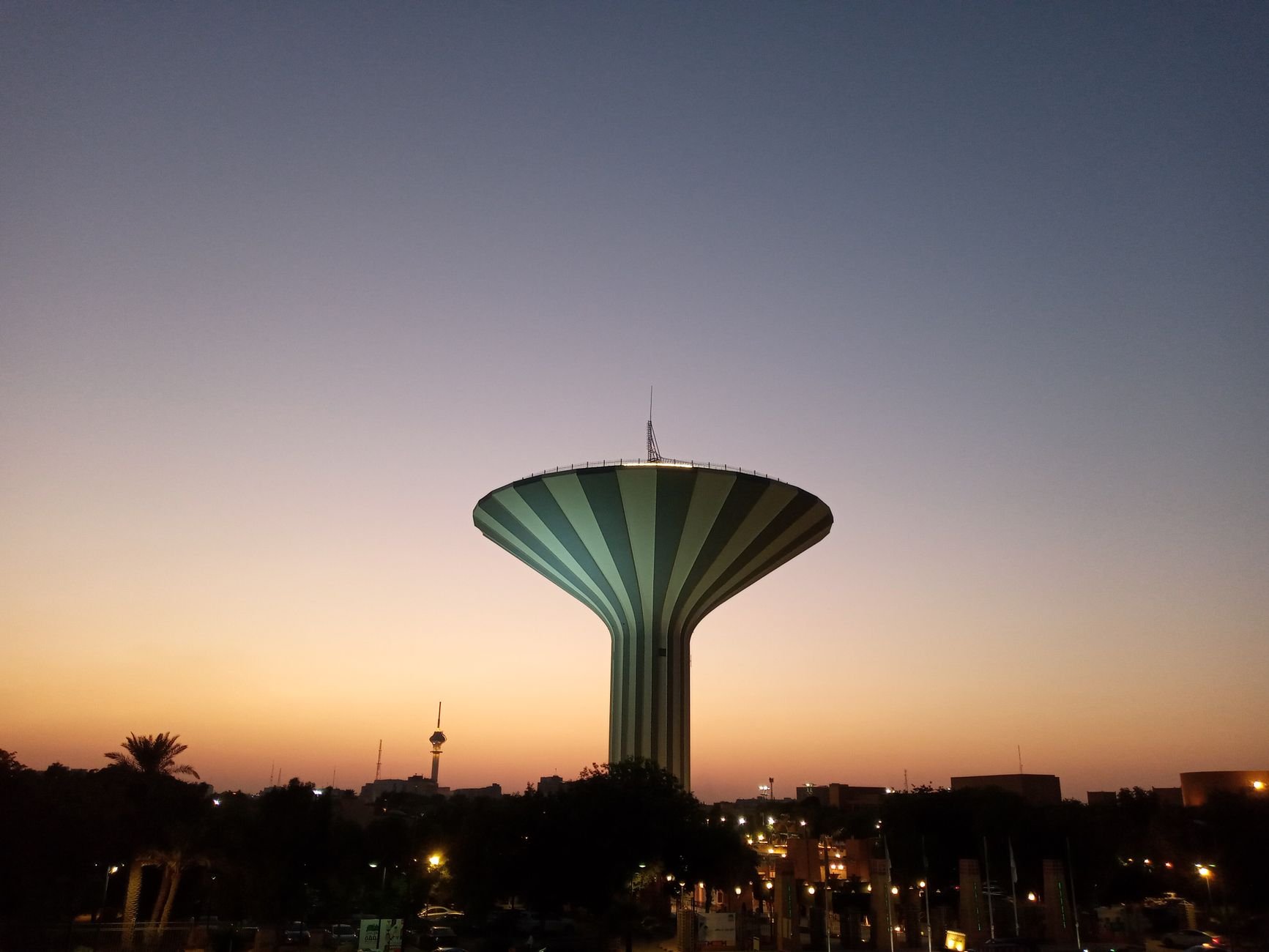
Using Careem and Uber in Saudi Arabia: Full Guide
How to book rides on Careem and Uber in Saudi Arabia: payment options, fare estimates, safety tips, and typical prices in Makkah, Madinah, and airports.
Oct 25,2026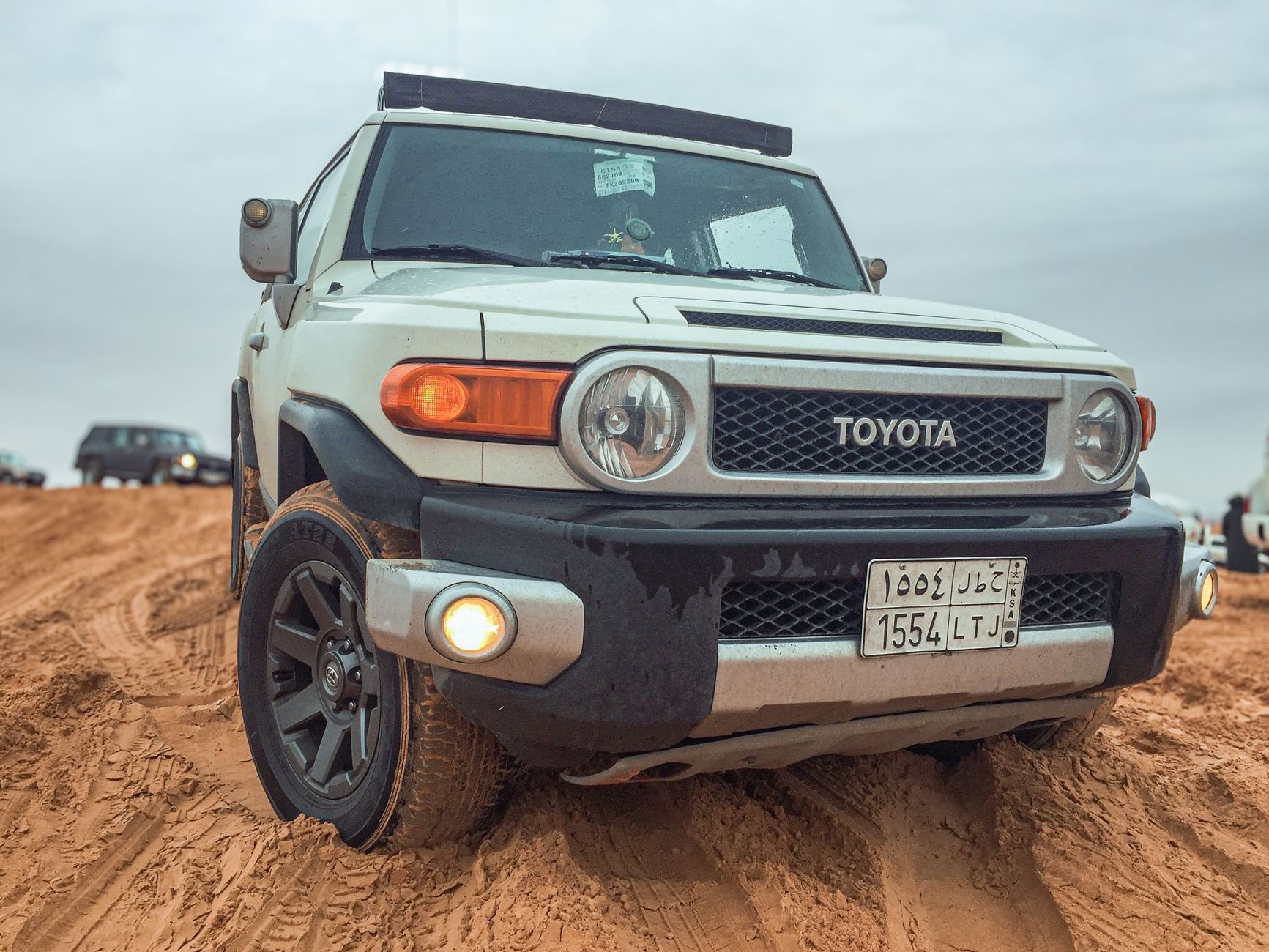
Car Istimara in Saudi Arabia: Renew & Transfer Guide
How to renew your car istimara and transfer vehicle ownership in Saudi Arabia via Absher — fees, requirements, timing, and step-by-step process.
Oct 19,2026
Car Registration (Istimara) in Saudi Arabia: Renew & Transfer
How to renew and transfer your vehicle registration (istimara) in Saudi Arabia through Absher: fees, requirements, and step-by-step process.
Oct 18,2026Related Stories





Don't Miss Similar Listings
Be the first to know when new stories on this topic are published.