
Non-Oil Career Paths: Where Saudi Arabia Hires Most

If you're job-hunting in Saudi Arabia right now, here's the short answer: the money and the momentum have moved beyond oil. When it comes to career paths in non-oil sectors and where Saudi Arabia is hiring most in 2026, the standouts are technology, tourism, entertainment, healthcare, education, construction and — quietly the biggest of them all — food and beverage. Whether you're a Saudi graduate mapping a first career or an expat weighing a move, knowing which sectors are actually adding headcount is the difference between chasing jobs and being chased by them.
This guide breaks down the fastest-growing career paths and the biggest hiring volumes across Riyadh, Jeddah and beyond, with realistic pay ranges and the roles employers can't fill fast enough.
Where the jobs actually are in 2026
Saudi Vision 2030 set out to diversify the economy away from oil, and the labour market is now visibly reshaped by it. Giga-projects, a booming visitor economy targeting roughly 150 million visitors a year by 2030, and a fast-digitising private sector have pulled hiring into new places. It's worth separating two things: which sectors are growing fastest (great for long-term career bets) and which are hiring in the largest raw numbers (great if you want a job this quarter).
The fastest-growing non-oil sectors right now
Technology and ICT
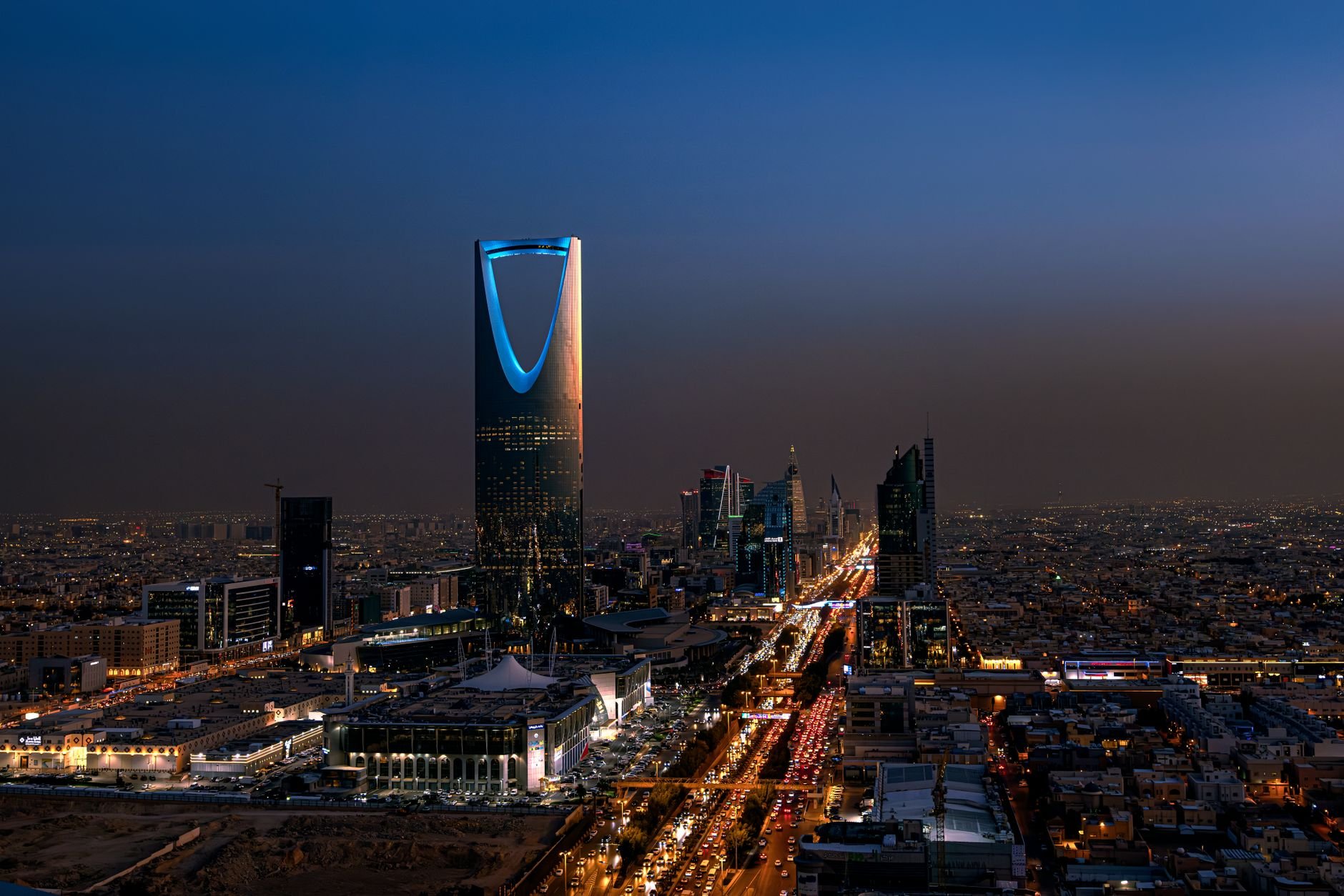
Tech is the clear front-runner. Employment in technology and ICT rose by roughly 28% in 2025 and remains the strongest driver of growth into 2026. Software engineering, AI, cybersecurity, cloud and data roles are all in demand, concentrated around Riyadh's business districts and the King Abdullah Financial District (KAFD). Salaries for experienced specialists are among the highest in the non-oil economy — mid-level software engineers typically earn around SAR 12,000–22,000/month as a guide, with senior AI and cybersecurity talent commanding considerably more.
Tourism and hospitality
Tourism and hospitality employment grew by about 22% in 2025, powered by new hotels, resorts and destinations from the Red Sea to Diriyah and Al-Ula. Hotel operations, guest relations, chefs, F&B managers, tour guides and events coordinators are all being hired at pace, especially around the Jeddah Corniche and Riyadh's expanding hospitality scene.
Entertainment and creative industries
Entertainment recorded around 19% employment growth, tied directly to Riyadh Season, Jeddah Season, theme parks, cinemas, live shows and production work. If you have skills in events, stage production, creative direction or venue operations, the steady pipeline of Vision 2030 and giga-project openings keeps this sector active year-round.
E-commerce and digital retail
E-commerce and digital retail grew by about 17% in 2025. Online marketplaces, last-mile delivery, logistics and digital marketing are expanding fast, feeding the platforms and delivery networks residents already use daily. Roles range from warehouse and logistics coordination to performance marketing and product management.
The sectors hiring the highest volumes
Growth rates tell you where the future is; raw hiring numbers tell you where the vacancies are today. Here's where the biggest volumes of new hires have landed.
Food and beverage
F&B is, by a distance, the single largest hiring sector — with roughly 71,120 new hires between January 2024 and July 2025. Cafés, restaurants, cloud kitchens and F&B outlets across every district keep this sector permanently recruiting, from entry-level service and kitchen roles to management.
Retail, wholesale and distribution
Retail, wholesale and distribution generated over 41,500 hires in the same window. Store operations, merchandising, supervisory and supply-chain roles are steady openings, especially as major retailers expand across Riyadh and Jeddah.
Healthcare and social care
Human health and social work — hospitals, clinics, medical centres and social care — is among the top sectors for new Saudi hires and added around 20,141 hires across the period. Nurses, doctors, allied health professionals, pharmacists and care staff remain consistently in demand across the Kingdom.
Education and training
Education — schools, universities, training centres and e-learning — is one of the top three sectors for new Saudi hires. Teachers, trainers, curriculum specialists and academic administrators are needed as the sector expands, with strong demand for STEM, English and vocational instructors.
Construction and infrastructure
Construction and building added nearly 28,777 hires and remains one of the leading sectors for expatriate workers heading into 2026. Civil works, giga-projects, housing and transport infrastructure — including projects tied to the wider Riyadh Metro network and beyond — sustain heavy demand for engineers, project managers, quantity surveyors and skilled trades.
Administrative and support services (business support, facilities management, call centres and HR outsourcing) also posted some of the largest annual gains in Saudi employment and substantial expatriate hiring — a reliable entry point for many roles.
The most in-demand roles for 2026
If you want to align your CV with where hiring is heaviest, target these:
- Technology and digital — AI engineers, data scientists, cybersecurity specialists, software and mobile developers, cloud and DevOps engineers, product managers, fintech specialists.
- Tourism, hospitality and leisure — hotel operations, guest relations, chefs and F&B managers, tour guides, destination managers, events coordinators, entertainment venue staff.
- Healthcare — nurses, physicians, allied health, pharmacists, care workers.
- Education — teachers, trainers, e-learning specialists, academic administrators.
- Construction and infrastructure — civil and structural engineers, project managers, quantity surveyors, site supervisors.
- Retail and e-commerce — store managers, logistics and last-mile coordinators, digital marketers, supply-chain planners.
What this means for your career move
For Saudi nationals, the growth is now firmly in private-sector, skills-led roles — and Saudization (Nitaqat), the government's programme to increase Saudi nationals in the private workforce, means employers across many of these sectors are actively competing for local talent. For expats, tech, healthcare, education and construction remain the clearest routes in, but you'll need your work permit and Iqama sorted through the usual channels — your employer sponsors this via Qiwa and Muqeem. Whichever camp you're in, a targeted CV that names the sector-specific tools and certifications employers list will move you to the front of the queue.
Start with the roles that are hiring in volume, then build toward the sectors growing fastest — that combination gives you both a job now and a career runway. When your offer lands, brush up on the practicalities of settling in, from your Iqama renewal to finding a place near your new workplace.
FAQs
Which non-oil sector is hiring the most in Saudi Arabia?
By raw volume, food and beverage leads, with roughly 71,120 new hires between January 2024 and July 2025. Retail, general services, construction and healthcare follow. By growth rate, technology and ICT lead, rising around 28% in 2025.
What is the fastest-growing career path in Saudi Arabia?
Technology and digital careers — AI, cybersecurity, cloud, data and software engineering — are growing fastest and pay among the highest salaries in the non-oil economy.
Are these jobs open to expats or only Saudi nationals?
Both. Many sectors — construction, tech, healthcare and education — actively hire expatriates, while Saudization targets steer certain roles toward Saudi nationals. Expats need employer sponsorship, a valid work permit and an Iqama processed through Qiwa and Muqeem.
Which cities have the most non-oil job openings?
Riyadh and Jeddah lead across almost every sector — Riyadh for tech, finance, construction and entertainment, Jeddah for tourism, hospitality, healthcare and trade. Destinations like the Red Sea, Al-Ula and Diriyah are also fast-growing employers.
What salary can I expect in a growing non-oil sector?
It varies widely by role and experience. As a guide, mid-level software engineers typically earn around SAR 12,000–22,000/month, while entry-level hospitality, retail and F&B roles start lower, and senior specialists in tech and healthcare earn considerably more.
Ready to make your move? Browse the latest job openings in Riyadh and Jeddah on Saudi Living and put your targeted CV in front of the sectors doing the most hiring.
Stay updated with the latest news, events, sports updates, business insights, real estate and lifestyle stories on Saudi Living — the leading online platform for residents, expats, and visitors in Saudi Arabia.
Follow Saudi Living for daily updates:
- Instagram - @saudiliving
- X - @saudiliving
- Facebook - @saudiliving
- YouTube - @saudiliving
Up Next

MISA Expands Investment Incentives and Fee Cuts
The Ministry of Investment offers sector-specific incentives, fee reductions, and support programs to attract and grow business in the Kingdom.
Sep 7,2026
Mixed-Ownership Firms Pay Both Zakat and Tax
Mixed-ownership companies in Saudi Arabia face both Zakat and 20% corporate income tax, split by ownership share under the 2024 Zakat regulation.
Sep 7,2026
Saudi VAT 2026: E-Invoicing Waves & New Rules
VAT stays at 15% in 2026 as Saudi Arabia expands e-invoicing waves and updates compliance rules. Here's what businesses need to know.
Sep 7,2026
KAEC Special Economic Zone: Business Setup Guide
Setting up a business in King Abdullah Economic City? Full KAEC Special Economic Zone guide: tax incentives, legal forms, licences and step-by-step setup.
Sep 7,2026Related Stories




Don't Miss Similar Listings
Be the first to know when new stories on this topic are published.


