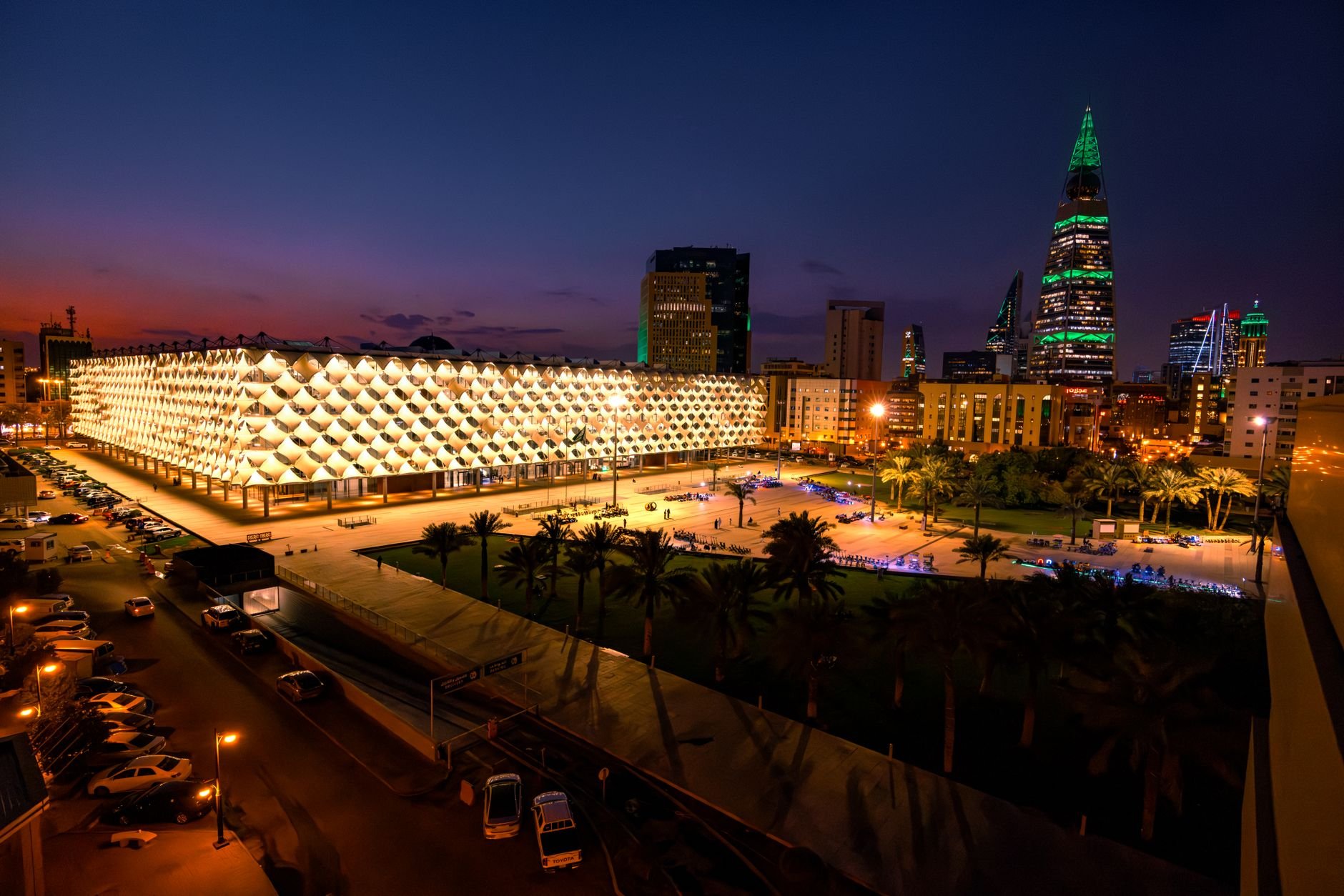
Cost of Living in Saudi Arabia: Practical Breakdown

Understanding the real cost of living in Saudi Arabia is the first step to planning a comfortable life here. Whether you are a single professional, a family relocating, or someone weighing a job offer, your monthly spending will depend heavily on your city, lifestyle, housing choices, and official residency costs. In this guide, سعودي ليفنج breaks down the main expenses in practical, realistic ranges so you can build a budget that actually works.
What a monthly budget looks like
As a general benchmark, a single person can expect the following monthly ranges depending on lifestyle:
- Budget living: about SAR 4,000–6,000
- Comfortable living: about SAR 8,000–12,000
- Premium living: SAR 15,000 and above
Families and those in major districts naturally sit at the higher end, while careful spenders in smaller cities can stay comfortably within the budget range.
Rent: your biggest expense
Housing is almost always the largest line in any budget. A one-bedroom apartment commonly costs SAR 2,500–4,500 In الرياض, typical one-bedroom rents range from about SAR 2,300 to SAR 5,500 depending on the district, how new the building is, and whether it comes furnished.
When you sign a lease, make sure it is registered through Ejar, the official platform for residential leases. This protects both tenant and landlord and is often required for other transactions.
Utilities and connectivity
Monthly utility costs are modest compared to many countries, especially for smaller homes:
- Utilities (electricity, water, related services): roughly SAR 250–450/month for a small apartment; larger homes can reach SAR 400–800/month.
- Electricity: SAR 0.18/kWh for monthly use up to 6,000 kWh and SAR 0.30/kWh above that, plus VAT and a meter charge generally around SAR 10–30/month.
- Water: typically SAR 50–150/month.
- Cooking gas: where applicable, commonly SAR 30–80/month.
- Home internet: a standard fibre plan usually runs about SAR 200–250/month.
- Mobile service: a postpaid plan with substantial data commonly costs around SAR 100–120/month.
Air conditioning in the hot months is the main driver of higher electricity bills, so efficient usage can make a real difference.
Groceries, food, and transport
A single person typically spends about SAR 800–1,200 Imported products and premium brands push this higher, while shopping at value-focused supermarkets and buying local produce keeps costs down.
Combining food and transport, an individual budget commonly ranges from SAR 2,000–4,500 depending on how often you eat out, whether you own a car, and which city you live in. Owning and running a car adds fuel, insurance, and maintenance, while public transport and ride-hailing can be more economical for many residents.
VAT and everyday prices
Saudi Arabia applies a standard VAT rate of 15% on applicable goods and services. This is already included in most displayed retail prices, but it is worth factoring in for larger purchases and contracts.
Official residency and government fees
For residents, government fees are a recurring and important part of the budget. These vary by category and current regulations, so always confirm the exact amount on the official portal before paying.
- Iqama renewal: the headline annual fee is commonly SAR 600 for some individual professional categories and SAR 650 for company and establishment employees. This excludes work-permit charges, dependent levies, insurance, and other transaction costs.
- Dependent levy: a commonly quoted charge is SAR 400 the applicable amount depends on your category.
- Exit/re-entry visa: a single visa commonly costs SAR 200 for the first 60 days, with extra monthly charges where applicable; a multiple visa commonly costs SAR 500 for 90 days.
- Driving licence: a 10-year Saudi licence commonly costs SAR 400, excluding the medical exam and platform charges.
Iqama and exit/re-entry transactions are handled through أبشر or مقيم after payment, while work permits and employment-related charges go through قوى. For municipal permits and other services, use the relevant official Saudi government portal and verify current fees there.
Building your own budget
The smartest approach is to start with your rent, add fixed utilities and connectivity, estimate groceries and transport, then set aside an annual allowance for residency and government fees spread across the year. Build in a buffer for VAT and seasonal costs like summer electricity, and you will have a realistic picture of life in the Kingdom.
Stay updated with the latest news, events, sports updates, business insights, real estate and lifestyle stories on Saudi Living — the leading online platform for residents, expats, and visitors in Saudi Arabia.
Follow Saudi Living for daily updates:
- Instagram - @saudiliving
- X - @saudiliving
- Facebook - @saudiliving
- YouTube - @saudiliving
Up Next

Choosing an Internet Provider in Saudi Arabia
A practical guide to choosing between STC, Mobily and Zain for home and mobile internet in Saudi Arabia — what to compare and how to subscribe.
Oct 16,2026
Water & Home Services in Saudi Arabia: How to Connect
A practical guide to connecting water, wastewater, and electricity to your home in Saudi Arabia, including fees, timelines, and the application process.
Oct 16,2026
Setting Up Home Electricity with SEC in Saudi Arabia
A practical guide to adding a meter, registering an account, connection costs, timelines, and technical requirements for home electricity in Saudi Arabia.
Oct 16,2026
AC Maintenance in Saudi Homes: DIY vs Pro Costs
AC maintenance in Saudi homes: safe DIY checks vs professional service costs in SAR, what a proper visit includes, and how to avoid overpaying.
Oct 15,2026Related Stories


Don't Miss Similar Listings
Be the first to know when new stories on this topic are published.