
Dependent Iqama Guide: Sponsoring Family in Saudi Arabia
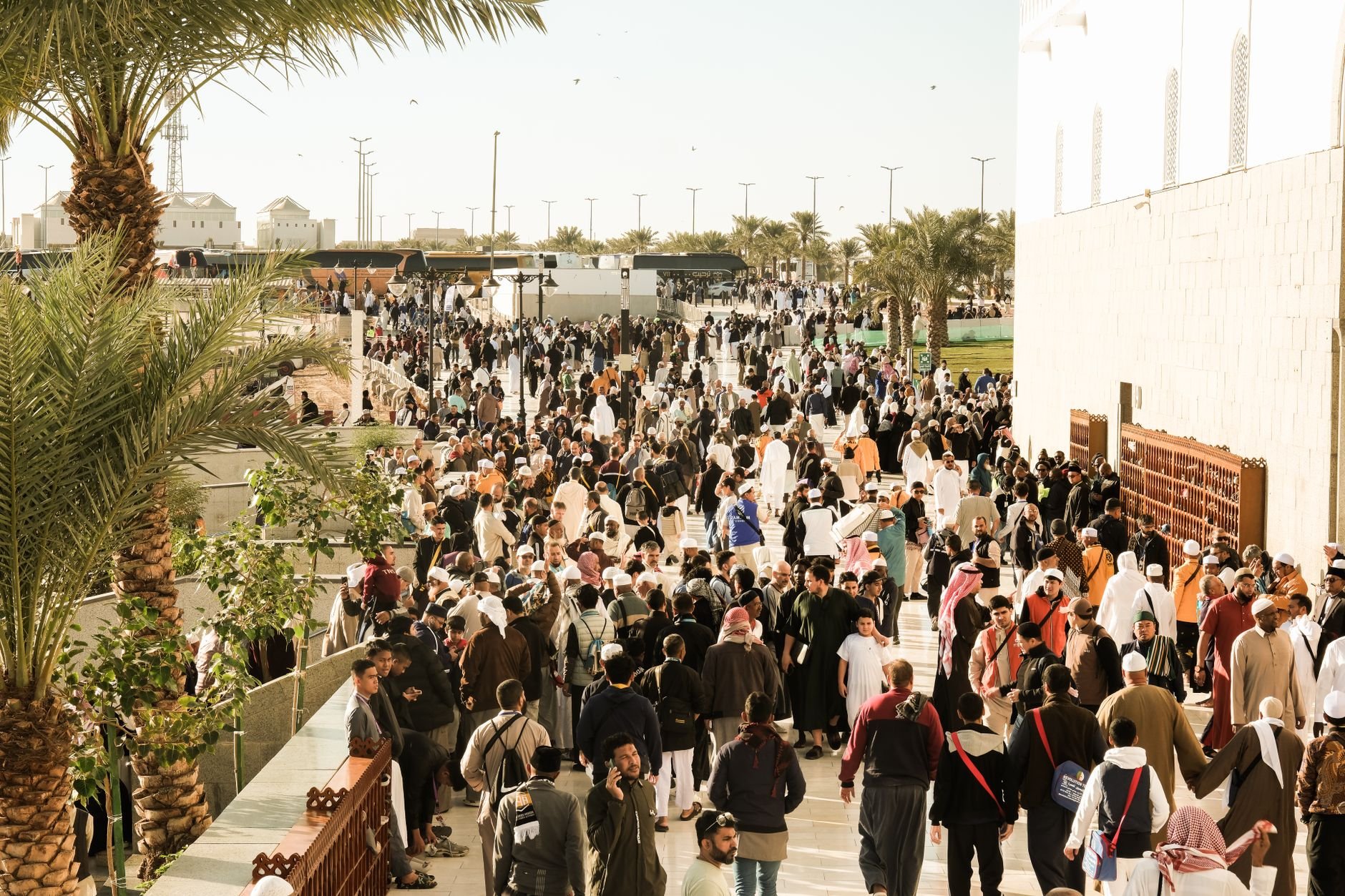
Bringing your spouse and children to live with you in Saudi Arabia is one of the most important steps for any resident settling into life here. The process is well defined, but it involves several stages — a family residence visa, a medical examination, valid Saudi medical insurance, government payments, and finally issuing the dependent Iqama. This Saudi Living guide walks you through each stage in plain language, explains the recurring costs you should plan for, and points you to the official channels where you can confirm the exact amounts before you pay.
Who can sponsor dependents
To sponsor family members, you generally need a valid Iqama of your own, a job classification that permits family sponsorship, and the ability to meet the financial and documentation requirements. The dependent's residence can never exceed your own permitted residence validity and insurance coverage, so your family's status is always tied to yours. Typical dependents include a spouse and unmarried children, with relationship documents required to prove the family link.
Step one: the family residence visa
If your family is currently abroad, the first step is issuing a family residence visa so they can enter the Kingdom. Key points to keep in mind:
- The visa issuance charge is commonly listed around SAR 2,000, excluding the medical examination, insurance, document attestation, and other service charges.
- Once issued, the family residence visa is generally used for entry within 90 days — don't let it expire before travel.
- Prepare valid passports and attested family relationship documents (such as marriage and birth certificates) early, as attestation can take time.
After arrival: medical, insurance and payments
Once your family lands in Saudi Arabia, you complete the remaining requirements before the Iqama can be issued:
- Complete the approved medical examination where required.
- Ensure valid Saudi medical insurance is active for each dependent — the Iqama cannot normally extend beyond the insurance coverage period.
- Pay the dependent levy and the Iqama charges through a Saudi bank's government-payment/SADAD service.
With these in place, the dependent Iqama is issued through your Absher account, or through your employer's Muqeem workflow if your establishment handles it on your behalf.
The costs you should plan for
Two recurring charges matter most when budgeting:
- Dependent levy: commonly SAR 400 per dependent per month — that works out to SAR 4,800 for a full year It is generally paid in advance for the intended Iqama period and must be settled before you can renew the Iqama or issue an exit/re-entry visa. No verified recent change has been identified that removes this monthly levy.
- Dependent Iqama fee: commonly listed as SAR 500, though some current listings show SAR 650. Always verify the exact amount shown in your government-payment service before you pay.
Because figures can be updated, treat these as planning estimates and confirm the live totals in Absher before completing any payment.
Renewing a dependent Iqama
Renewal follows the same logic as issuance. The sponsor — or the authorized employer — completes it through Absher or Muqeem after settling:
- The dependent levy for the renewal period.
- The Iqama renewal charge.
- Valid medical insurance.
- Any other assessed amounts.
Remember that the renewed validity cannot exceed your own permitted residence and your family's insurance coverage, so align renewal dates where possible to avoid gaps.
Exit and re-entry visas for dependents
When your family needs to travel outside the Kingdom and return, you issue an exit and re-entry visa for each dependent through Absher. All required fees and levies must be paid first, so check your outstanding levy balance well before any planned trip to avoid last-minute delays at the airport.
Which digital services you'll use
- Absher: your main tool for reviewing dependents, Iqama status, levy amounts, passport services, and issuing exit/re-entry visas.
- Muqeem: used mainly by authorized employers and establishments for resident-related processing.
- Qiwa: relevant to your own employment and work-permit records rather than ordinary dependent-Iqama issuance.
- Nafath: may be required for identity authentication when logging into government digital services.
For the most accurate, up-to-date fees and requirements, always confirm directly in the sponsor's official government-payment service before paying, as amounts are periodically updated.
Stay updated with the latest news, events, sports updates, business insights, real estate and lifestyle stories on Saudi Living — the leading online platform for residents, expats, and visitors in Saudi Arabia.
Follow Saudi Living for daily updates:
- Instagram - @saudiliving
- X - @saudiliving
- Facebook - @saudiliving
- YouTube - @saudiliving
Up Next

Converting a Foreign Driving Licence in Saudi Arabia
A practical step-by-step guide to exchanging your foreign driving licence in Saudi Arabia via Absher and Muroor, with documents, costs, and timelines.
Oct 14,2026
Paying Traffic Fines: Najm vs Absher Explained
Learn the right way to check and pay Saudi traffic fines through Absher and bank apps, plus why Najm is for accidents only.
Oct 13,2026
Moving to AlUla: What to Know Before You Arrive
A practical guide to moving to AlUla in Al Madinah Region: residency, real estate, building permits, RCU services and official steps to confirm.
Oct 12,2026
Getting a Saudi Driving Licence: The Full Process
Step-by-step guide to getting a Saudi driving licence: eligibility, medical exam, driving school, tests, fees and renewal — all through Absher.
Oct 12,2026Related Stories


Don't Miss Similar Listings
Be the first to know when new stories on this topic are published.


