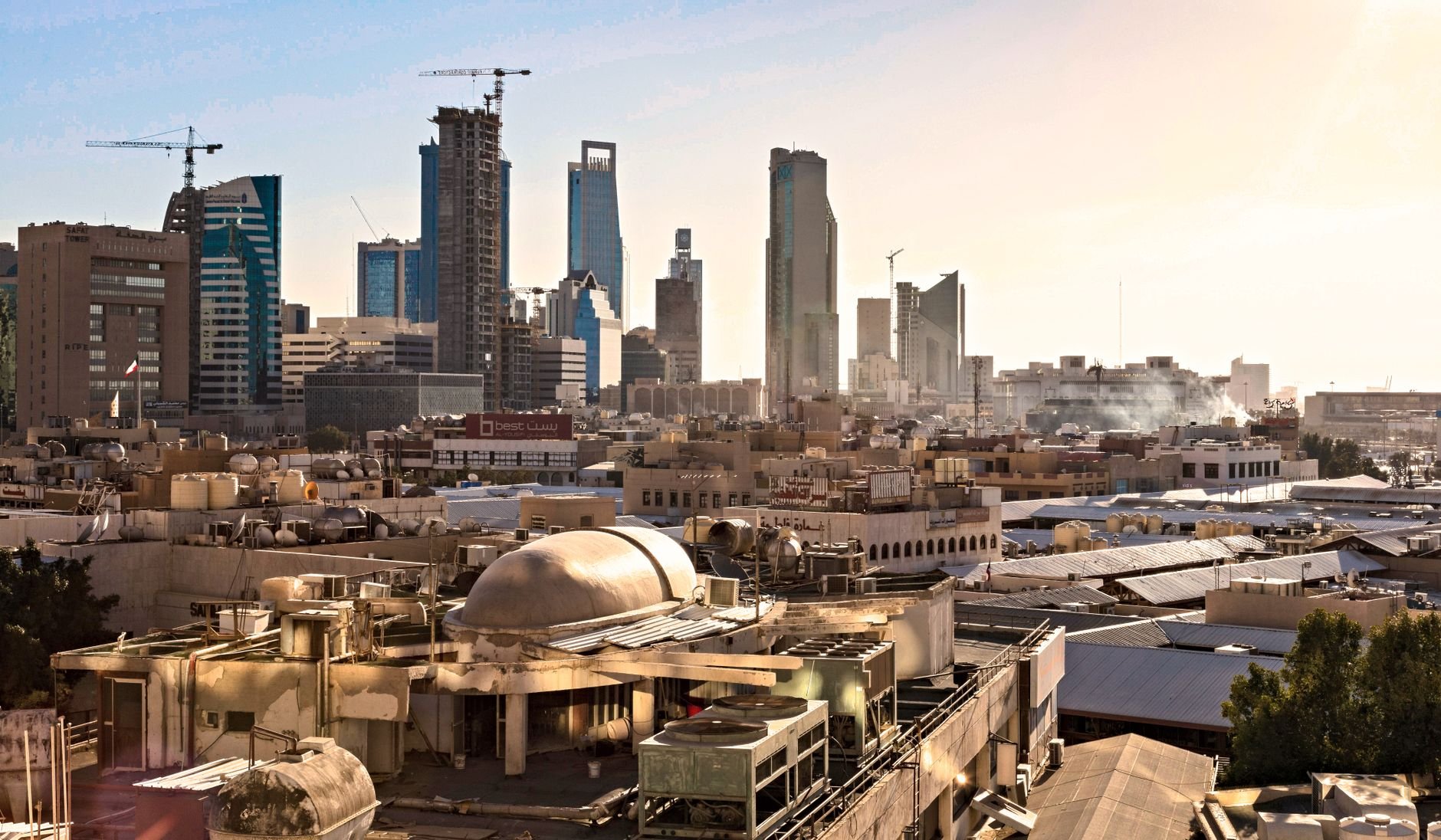
How to Register Your Car in Saudi Arabia: Full Guide

Registering a car in Saudi Arabia can be a same-day job if you have the right documents and active insurance in place. This step-by-step guide on how to register a car in Saudi Arabia is written for expats and residents alike, and covers everything from documents to Istimara fees in SAR.
You deal with the General Department of Traffic (Muroor), but most of the work now happens online through Absher and Tamm. Whether you are a Saudi citizen or an expat resident in Riyadh, Jeddah or Dammam, the essentials are the same: valid insurance, a valid driving licence, a clean fine record, and the right documents. Get those in order and issuing your Istimara (vehicle registration card) is usually done the same day. Current fees and processes are confirmed through the official Absher and Muroor channels.
How to register a car in Saudi Arabia: the quick answer
Bought a new car from a dealer? The showroom usually handles customs and SASO clearance, then you issue the registration in your name through Absher or Tamm. Buying used? You and the seller complete an ownership transfer, which links the vehicle to your ID or Iqama. In both cases you need active, electronically linked insurance before the registration will go through — this is the step most people forget.
Where registration happens — Muroor, Absher and Tamm
The traffic authority is Muroor, but you rarely need to queue at a branch anymore. Two digital channels cover almost everything:
- Absher — for individuals and businesses: issue a new registration, renew your Istimara, book a Muroor appointment if one is needed, pay fees via SADAD, and view your digital registration on your phone.
- Tamm — used more by dealers and fleets for permanent registration issuance and plate selection, and handy for some traffic services individuals need too.
Both link to your Absher/Nafath login, so identity verification is built in.
What you need before you register
The paperwork differs slightly depending on whether you are a citizen or a resident, but the backbone is identical: proof of who you are, proof you can drive, and proof the car is insured and roadworthy.
Documents for Saudi citizens
- National ID
- Valid Saudi driving licence
- Valid vehicle insurance — third-party or comprehensive
- Customs card for new or imported vehicles
- Technical inspection (FAHAS/MVPI) certificate for used vehicles and renewals
- Completed registration form and proof of fee payment via SADAD
Documents for expat residents
- Valid Iqama
- Valid Saudi driving licence
- Valid vehicle insurance
- Vehicle purchase invoice or sale contract
- Customs card for new or imported vehicles
- Technical inspection (FAHAS/MVPI) certificate for used vehicles and renewals
- For company-linked vehicles, a sponsor letter authenticated by the Chamber of Commerce is often required
Eligibility checks before you apply
Before the system lets you register, a few conditions must be met — so it is worth checking these first to avoid a rejected application:
- The vehicle meets Saudi safety and emissions standards.
- There are no outstanding traffic fines on your record.
- The vehicle is free of legal encumbrances — no unpaid loan or legal block against it.
- For imported cars, the vehicle is generally not older than five years and compliant with SASO standards.
How to register a brand-new car (dealer purchase)
When you buy from a showroom in Riyadh or Jeddah, the heavy lifting on customs and SASO is usually done by the dealer. Your job is to put the registration in your own name:
- Confirm the dealer has completed customs and SASO processes and issued the customs card.
- Log in to Absher or Tamm.
- Choose Issue New Vehicle Registration (permanent vehicle registration).
- Enter the VIN, model, invoice number, customs card number and vehicle details.
- Select the plate type or number if that option is offered.
- Make sure your insurance is active and linked electronically to the vehicle.
- Pay the registration and plate fees via SADAD or your bank app.
Once payment clears, your Istimara is issued and appears in the digital registration section of your account.
How to register a used car (ownership transfer)
Buying used means transferring ownership from the seller to you. Both parties usually need to be involved so the vehicle can be moved onto your ID or Iqama:
- Make sure the car has a valid technical inspection (FAHAS/MVPI) certificate.
- Arrange your own insurance policy for the vehicle and confirm it is active.
- The seller initiates the transfer (or you both complete it) through Absher — the buyer accepts the transfer request.
- Confirm there are no unpaid fines or loans tied to the vehicle.
- Pay the transfer fee via SADAD.
After the transfer completes, a fresh Istimara is issued in your name.
Registration fees in Saudi Arabia (2026)
Registration fees are refreshingly modest. The annual Istimara renewal is the main recurring cost; the one-time fees apply when you first register or transfer.
Annual Istimara fees
- Private cars and motorcycles — typically around SAR 100 per year
- Small trucks and small buses (private use) — typically around SAR 200 per year
- Public buses and public transport vehicles — typically around SAR 400 per year
Common one-time fees
- First-time registration (new car) — typically around SAR 100
- New licence plates issuance — typically around SAR 100
- Ownership transfer (used car) — from around SAR 380 and up, depending on vehicle category
- Replacement/lost registration card — typically around SAR 30 to 300 depending on vehicle type
Remember these are the government fees only. Your bigger recurring cost is insurance, so budget for that too.
Renewing your Istimara
Vehicle registration is renewed annually. To renew through Absher you generally need active insurance, a valid FAHAS/MVPI inspection, and no unpaid fines. Renew before it expires — driving with an expired Istimara is a fineable offence, and expired registration can complicate any accident claim. Set a reminder a couple of weeks before the expiry date so you have time to book an inspection if needed.
FAQs
Can an expat register a car in their own name in Saudi Arabia?
Yes. An expat resident with a valid Iqama and a valid Saudi driving licence can register a vehicle in their own name, provided the car is insured, roadworthy and free of legal blocks.
Do I need a sponsor letter to register a car as an expat?
For a personal vehicle you register under your own Iqama, a sponsor letter is not usually required. It typically comes up only for company-linked vehicles, where a sponsor letter authenticated by the Chamber of Commerce is often needed.
Do I need a technical inspection to register a car?
You need a valid FAHAS/MVPI technical inspection certificate for used vehicles and for renewals. A brand-new car from a dealer does not need it at first registration.
How much does it cost to register a car in Saudi Arabia?
The annual Istimara for a private car is typically around SAR 100. First-time registration and new plates are each typically around SAR 100, while a used-car ownership transfer starts from around SAR 380.
Can I register a car if I have unpaid traffic fines?
No. Outstanding traffic fines on your record will block registration and renewal. Clear them through Absher first, then complete your registration.
What happens if my Iqama expires while I own a registered car?
Keeping your Iqama valid matters, because vehicle services are tied to your ID. It is best to renew your Iqama before it lapses, then handle any registration renewal or transfer once your status is current.
How long does car registration take?
If your documents, insurance and inspection are all in order and paid via SADAD, issuing or renewing your Istimara online is usually completed the same day.
Can I import a car and register it?
Yes, but imported vehicles are generally required to be no older than five years, compliant with SASO standards, and cleared through customs with a customs card before registration.
Ready to buy? Browse the latest cars for sale on Saudi Living and find your next ride before you register it.
Stay updated with the latest news, events, sports updates, business insights, real estate and lifestyle stories on Saudi Living — the leading online platform for residents, expats, and visitors in Saudi Arabia.
Follow Saudi Living for daily updates:
- Instagram - @saudiliving
- X - @saudiliving
- Facebook - @saudiliving
- YouTube - @saudiliving
Related Stories



Don't Miss Similar Listings
Be the first to know when new stories on this topic are published.