Commercial Office Space in Riyadh: Prices & Lease Terms

If you're renting commercial office space in Riyadh in 2026, expect asking rents of roughly SAR 800 to SAR 3,500 per m² per year — the range depends on location and building grade. This guide breaks down the price ranges by district, explains the lease terms, and flags the costs that rarely show up in the headline rent.
What office space costs in Riyadh right now (2026)
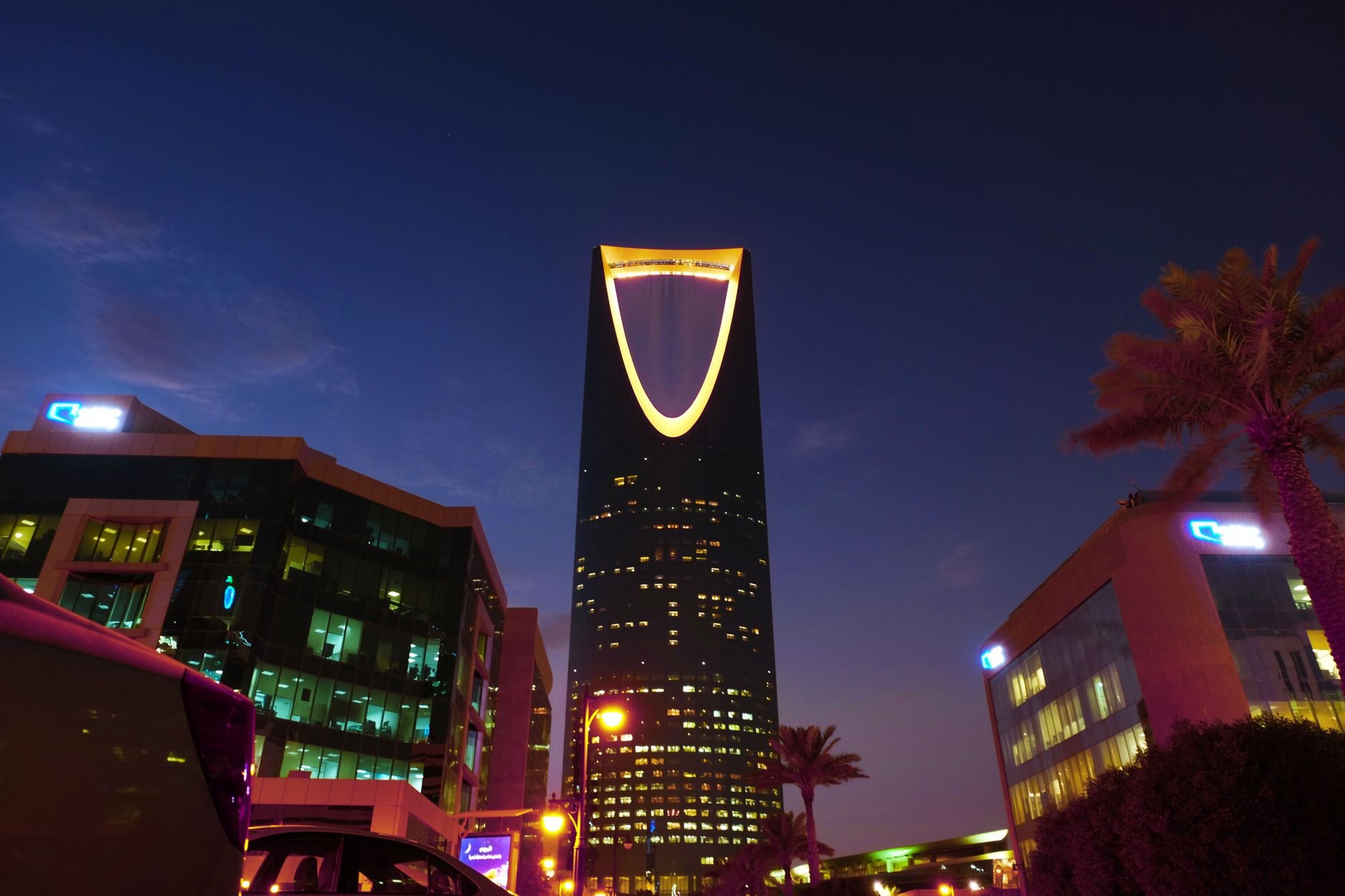
Riyadh's office market remains competitive, with strong demand from regional headquarters and financial firms. Prime stock stays close to full occupancy, which keeps rents firm — especially for Grade A space near Olaya and the King Abdullah Financial District.
As a working average in 2026, Grade A offices rent at around SAR 2,810 per m²/year, while Grade B sits closer to SAR 1,690 per m²/year. Across Riyadh's prime commercial zones, averages cluster between roughly SAR 2,430 and SAR 2,860 per m²/year, with some later-2026 readings in the top zones pushing higher.
Office rent prices by Riyadh district
Here's how the main business districts compare on asking rent. Treat these as current ranges for planning — the final number depends on the building, the floor, the fit-out and the services bundled in.
KAFD — the premium financial hub
The King Abdullah Financial District is the most expensive address in the capital, with rents typically around SAR 2,000 to SAR 3,500 per m²/year. You pay for the Grade A towers, the metro connection, structured parking and a dense cluster of banks, regulators and multinational tenants. It suits financial services, regional HQs and firms that want prestige and footfall from day one.
Olaya — prime towers vs secondary buildings
Olaya gives you a split market. Prime towers along King Fahd Road command roughly SAR 1,400 to SAR 2,200 per m²/year. Step into Olaya's older secondary buildings and rents drop to around SAR 900 to SAR 1,400 per m²/year — a smart middle ground for SMEs that want a central address without the tower premium.
Diplomatic Quarter (DQ)
The Diplomatic Quarter runs around SAR 1,200 to SAR 1,800 per m²/year. It's quieter and greener than the commercial core, with embassies, NGOs and consultancies as neighbours. Access is more controlled, which some tenants value and others find restrictive.
Al Sahafa and Al Nakheel — value for growing teams
North Riyadh offers better value Al Sahafa typically runs around SAR 1,000 to SAR 1,500 per m²/year, while Al Nakheel is often the most affordable of the established districts at roughly SAR 800 to SAR 1,200 per m²/year. Both give you modern buildings, easier parking and good road links — ideal for a scaling startup or a back-office function that doesn't need a trophy address.
Grade A vs Grade B: what you actually pay for
The price gap between building grades is real, so it's worth knowing what you're buying:
- Grade A (around SAR 2,810 per m²/year) — newer towers, high-spec finishes, reliable lifts and HVAC, backup power, structured parking, professional building management and often metro or main-road access.
- Grade B (around SAR 1,690 per m²/year) — functional, well-located buildings with older fit-outs and lighter amenities. Perfectly good for many businesses, and a big saving
A move from Grade A to a strong Grade B building in the same area can cut your rent by a third or more — money better spent on your own fit-out or headcount.
How to calculate your real annual cost
Rent per m²/year makes comparison easy once you know your area. Work it like this:
- Area × rate = base rent. A 100 m² office at SAR 1,000 per m²/year is SAR 100,000 a year — about SAR 8,333 per month as an equivalent, though landlords usually contract annually or on scheduled instalments rather than true monthly billing.
- Add VAT. Commercial rent is subject to VAT, so factor that on top of the base figure.
- Add service charges. Shared-area maintenance, security, cleaning and management fees are usually billed separately in multi-tenant towers.
- Add utilities. Electricity and cooling can be significant in Riyadh's climate, especially in older buildings.
- Add fit-out. Bare-shell space needs flooring, partitions, ceilings, cabling and furniture — a one-off cost that can rival a year's rent for a quality fit-out.
Always compare offers on total occupancy cost, not headline rent. A cheaper rent in a bare shell can cost more once fit-out and utilities are in.
Lease terms, deposits and the costs landlords don't advertise
Lease structures in Riyadh vary by landlord and building, so negotiate the details rather than assuming a standard. Watch for:
- Lease length — terms are commonly set for one or more years, often with renewal options. Longer commitments can earn you a lower rate or a rent-free fit-out period.
- Security deposit — typically a set number of months or a percentage of annual rent, refundable subject to the condition of the space.
- Brokerage commission — if an agent is involved, confirm who pays it and how much before you sign.
- Service charges — ask whether they're included or extra, and whether they're capped.
- Renewal increases — pin down how rent can rise at renewal; a cap in the contract protects you from the market.
- Early-termination fees — understand the exit cost before you need the exit.
Because these terms aren't standardised across the city, get every number in writing and read the Arabic contract carefully.
The paperwork: Ejar, Balady and your commercial registration
Before you can trade from the space, the compliance side needs to line up:
- Ejar — register the commercial lease through Saudi Arabia's Ejar system so the contract is documented and enforceable. This is the official rental channel and protects both sides.
- Commercial registration (CR) — you generally need a valid CR tied to the activity you'll run from the premises.
- Balady approval — the municipality, via the Balady platform, grants the activity and location approval that lets you legally operate at that address. Fees depend on the activity and the premises.
- Foreign-owned businesses — if there's foreign ownership, your setup may also run through the Ministry of Investment and the Ministry of Commerce; build that timeline into your lease start date.
A classic mistake is signing a lease before confirming the municipality will approve your activity at that location. Check first.
How to choose the right district for your business
Match the address to the job it does:
- Client-facing prestige and finance — KAFD or prime Olaya.
- Central and professional, mid-budget — Olaya secondary buildings or the Diplomatic Quarter.
- Growing team, best value — Al Sahafa or Al Nakheel in north Riyadh.
Factor in your team's commute, Riyadh Metro access, parking and how often clients visit. A slightly cheaper office that's hard to reach can cost you in staff turnover and missed meetings.
FAQs
How much does office space cost in Riyadh in 2026?
Asking rents run roughly SAR 800 to SAR 3,500 per m²/year. KAFD is the top end at around SAR 2,000–3,500, Olaya prime towers around SAR 1,400–2,200, and value districts like Al Nakheel around SAR 800–1,200.
What's the difference between Grade A and Grade B offices?
Grade A towers (around SAR 2,810 per m²/year) offer newer buildings, high-spec amenities and prime access. Grade B space (around SAR 1,690 per m²/year) is older and simpler but can save you a third or more on rent.
Do I pay rent monthly or annually in Riyadh?
Rents are quoted per m²/year and landlords usually contract annually or on scheduled instalments. A SAR 100,000-a-year office equals about SAR 8,333 a month, but true monthly billing is less common than instalment plans.
What extra costs should I budget beyond the rent?
Add VAT, service charges, utilities, a security deposit, possible brokerage commission, and fit-out for bare-shell space. Compare offers on total occupancy cost, not just the headline rent.
Do I need to register my office lease?
Yes — commercial leases should be documented through the Ejar system, and you'll need a valid commercial registration plus Balady activity and location approval to operate legally at the address.
Can a foreign-owned company rent office space in Riyadh?
Yes. Foreign-owned businesses can lease office space, but setup may involve the Ministry of Investment and the Ministry of Commerce. Confirm your licensing timeline before committing to a lease start date.
Ready to find the right office? Browse commercial property and business listings on Saudi Living to compare districts, grades and prices across Riyadh.
Stay updated with the latest news, events, sports updates, business insights, real estate and lifestyle stories on Saudi Living — the leading online platform for residents, expats, and visitors in Saudi Arabia.
Follow Saudi Living for daily updates:
- Instagram - @saudiliving
- X - @saudiliving
- Facebook - @saudiliving
- YouTube - @saudiliving
Up Next
Short-Term Furnished Rentals in Jeddah: Costs & Platforms
Short-term furnished rentals in Jeddah: realistic nightly and monthly costs in SAR, best platforms, licensing rules and booking tips.
Nov 9,2026
Furnished vs Unfurnished Apartments in Jeddah
Furnished vs unfurnished apartments in Jeddah: real SAR costs, what's included, Ejar fees and what to check before you sign a lease.
Nov 3,2026
Riyadh Rental Market October 2026: Prices by Area
Riyadh rental market October 2026: current prices by neighbourhood, from Al Narjis to Hittin, plus Ejar fees and tips for renting smart.
Oct 27,2026
How to Rent an Apartment in Riyadh: Expat Guide
How to rent an apartment in Riyadh as an expat: Iqama, Ejar contracts, SAR costs, deposits, utilities and a step-by-step move-in guide.
Oct 26,2026Related Stories




Don't Miss Similar Listings
Be the first to know when new stories on this topic are published.