Renting in Riyadh's Winter: Move-In Costs & Timing
Thinking about renting in Riyadh's winter? Here's the short answer: November and December are peak moving season — the weather is pleasant, families relocate before the new year, and good units get snapped up fast. So you'll want to book the property, the movers and your utilities several weeks early, and go in knowing exactly what your upfront bill looks like.
Below is a clear, Riyadh-specific breakdown of November–December move-in costs, the new rent freeze, and how to register your lease properly through Ejar — so there are no surprises when you hand over the keys and deposit.
Why November–December is Riyadh's busiest moving season
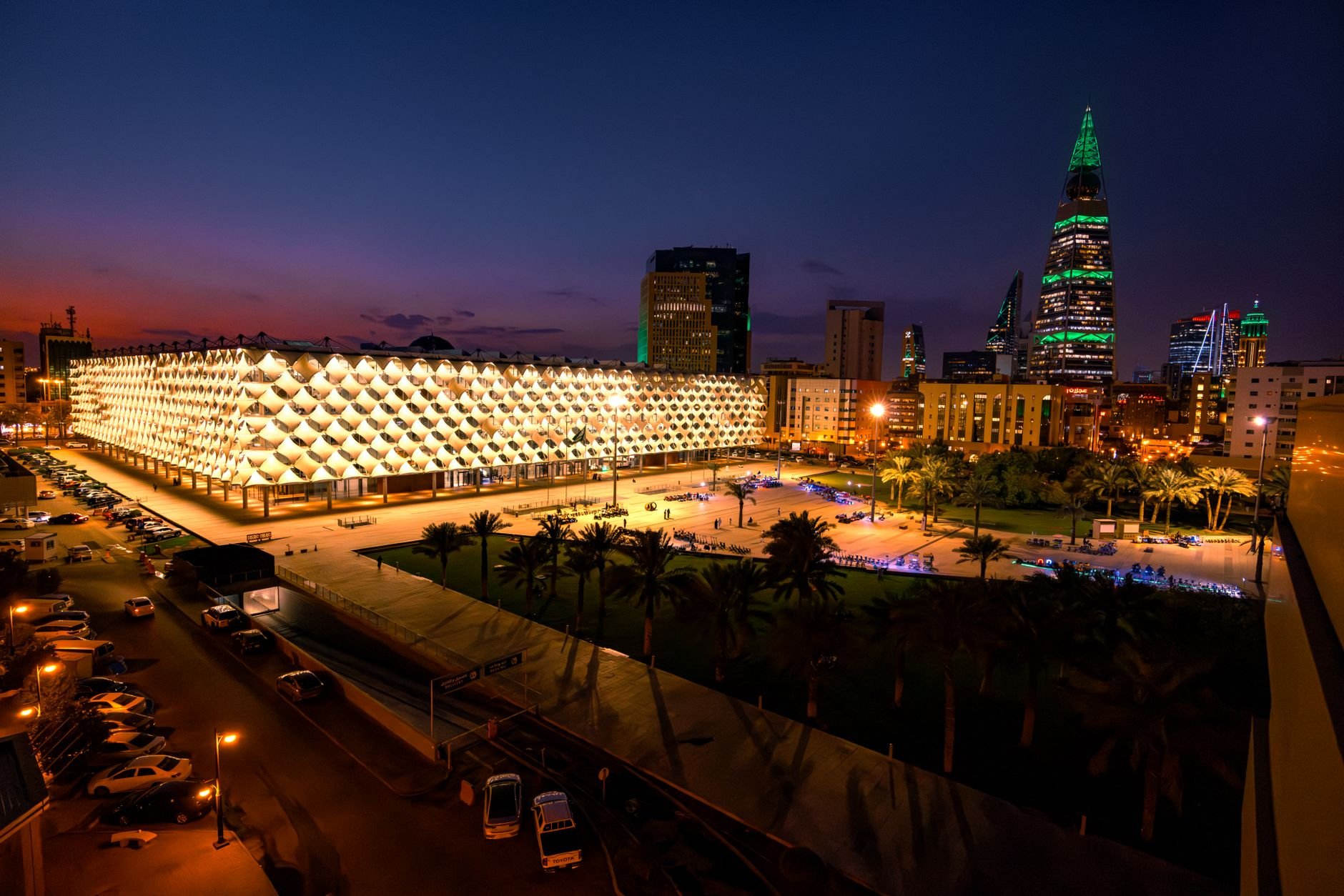
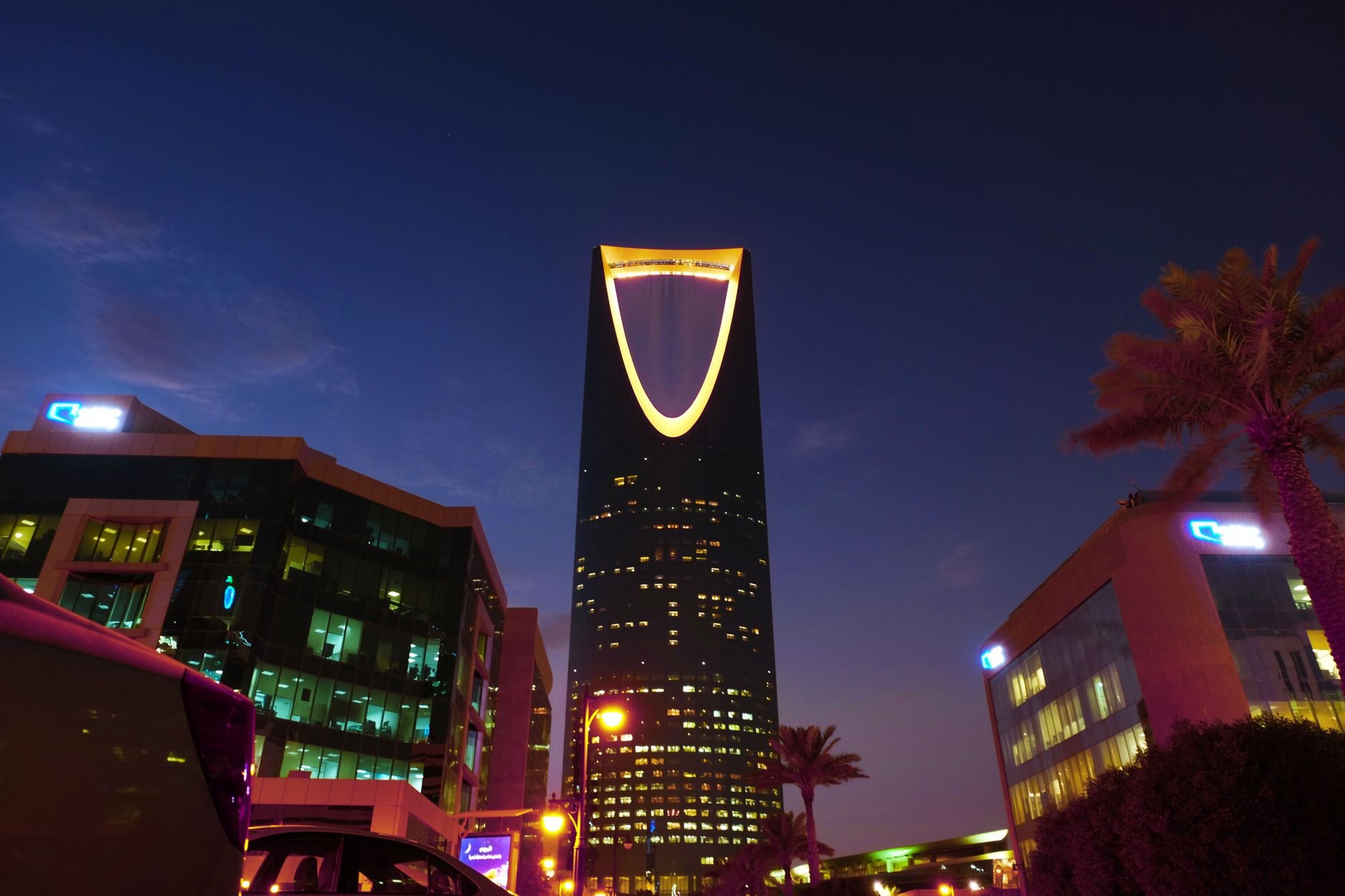
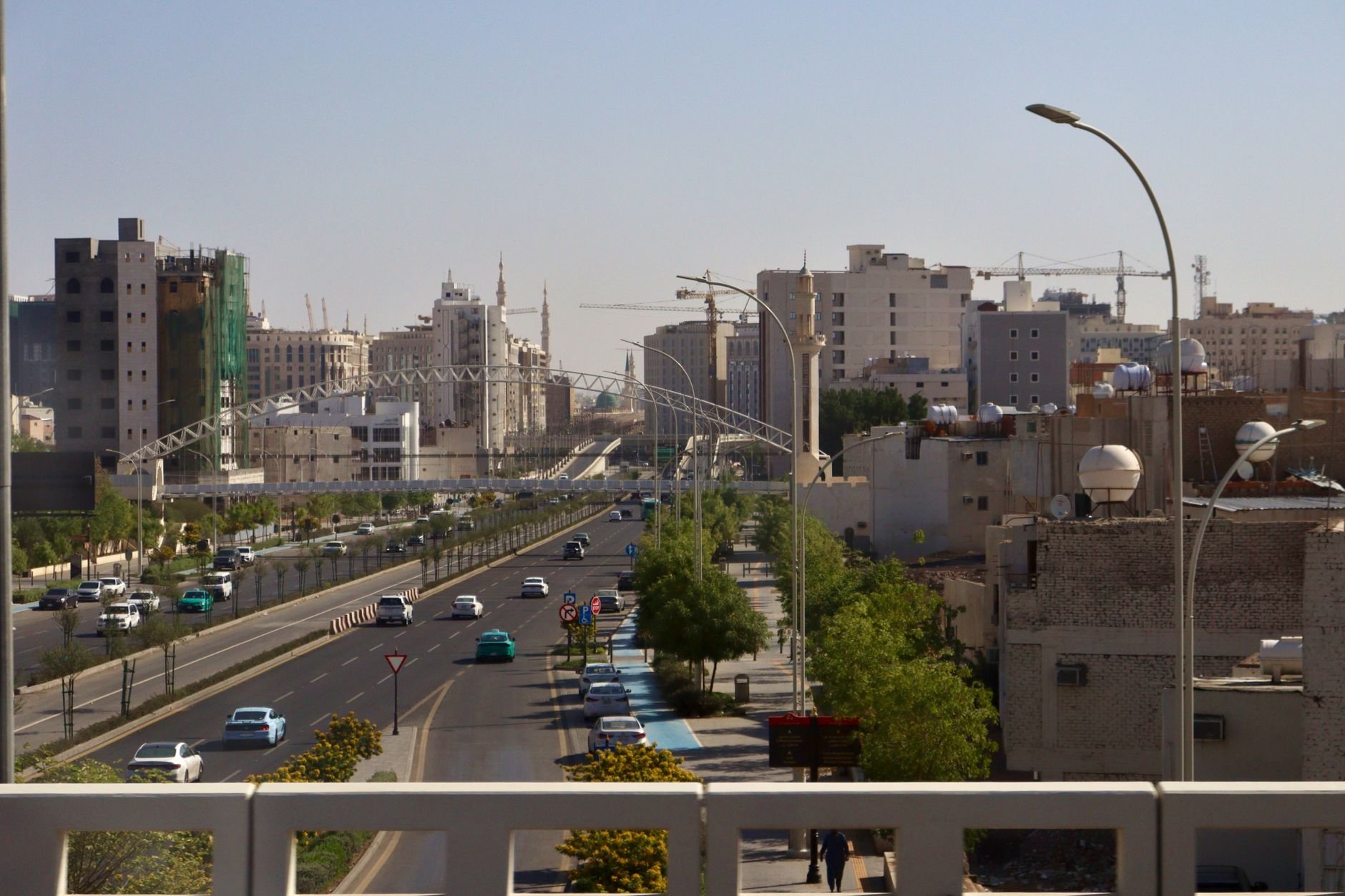
Riyadh summers are brutal, so most people hold off on moving until the heat breaks. By late autumn the city shifts into gear: leases turn over, school-year families settle, and newcomers arriving for jobs want to be in before the new year. Districts like Al Malqa, Al Yasmin, Hittin, Al Narjis and the areas near King Abdullah Financial District (KAFD) see especially strong demand, as do the more established central neighbourhoods closer to the Riyadh Metro lines.
The upside of moving in winter is comfort — carrying boxes in 18°C beats doing it in 45°C. The downside is competition. Movers get booked solid, and the best-value flats don't sit empty for long. The earlier you commit, the more leverage you have.
What it really costs to move in this winter
Your total upfront cost in Riyadh is a stack of separate items, not one flat fee. Exact figures depend on the district, the unit, whether it's furnished, and your lease term — but here's what to budget for.
The rent advance
Most Riyadh landlords still expect rent paid in advance — commonly the full year up front, or split into two payments (six-monthly) or four (quarterly). Monthly instalments exist but usually come at a premium. This advance is the single biggest line in your move-in budget, so negotiate the payment schedule before you sign.
Security deposit
If the contract states a security deposit, you'll pay it at signing and get it back at the end of the lease, minus any agreed deductions for damage. Confirm the exact amount and the refund conditions in writing — there's no single nationally fixed figure.
Ejar registration (SAR 125 per year)
Every residential lease should be registered and electronically documented through Ejar. The official residential registration fee is SAR 125 per contract year. Importantly, the landlord bears this charge, even if the landlord or a licensed broker is the one who actually makes the payment. A documented Ejar contract protects both sides and is often required for utilities and other services.
Broker commission
If you rent through an agent, expect a broker commission. There's no single nationwide fixed SAR amount for Riyadh residential rentals, so confirm the amount and who pays it in writing before signing — don't assume it's automatically split or covered.
Utility deposits and activation
After handover you'll transfer or activate electricity, water and internet in your name. Some providers charge deposits or activation fees, and municipal services may apply through Balady where relevant. These charges vary by provider and by consumption, so treat them as a small-but-real line item.
Moving and furnished-unit extras
Budget for the actual move — van, labour, packing — which spikes in price during the winter rush. If you're taking a furnished flat, you may also face an inventory check, a cleaning deposit, or a separate furnished-unit deposit. Get the inventory list in writing on day one.
In short, your winter move-in stack typically includes: the rent advance, security deposit (if stated), Ejar registration (SAR 125/year), broker commission (if charged), utility deposits/activation, moving costs, and any furnished-unit or cleaning deposit.
The Riyadh rent freeze — what it means for you
Here's a big one for anyone renting in the capital: residential and commercial rents within Riyadh's defined urban boundary are frozen for five years, effective 25 September 2025. In plain terms, your landlord can't keep ratcheting the rent up each renewal during that window.
A few things to understand clearly:
- The freeze does not set a fixed market rent — it caps increases, it doesn't tell a landlord what to charge a new tenant.
- It does not eliminate other contract charges — deposits, broker fees, utilities and the Ejar fee still apply.
- It applies within Riyadh's defined urban boundary, so it's specific to the capital.
For a winter mover, this adds a layer of predictability: once you lock in your rent and document it on Ejar, you have more certainty about renewals than you would have had before.
How to register your lease on Ejar, step by step
Documenting the lease electronically is what makes it official and enforceable. The process is straightforward:
- Data entry — The broker or landlord enters the contract, property, tenant, financial and terms details into Ejar.
- Review — Both parties check the contract carefully: names, rent amount, payment schedule, deposit, term and any clauses.
- Electronic approval — Both parties approve the contract electronically using their verified identities, commonly through Nafath.
- Fee payment — The SAR 125 per year residential registration fee is paid (borne by the landlord).
- Contract becomes effective — Once approved, the documented contract is live, and its validity period is the term recorded in Ejar.
If one party refuses to document the lease — say you have a signed paper contract but the landlord won't register it — you can file an Ejar rental-incident. The stated fee for that is SAR 250 for one year for a residential contract. (Note that commercial leases are priced differently — SAR 200 for the first year and SAR 400 for each additional year — but those rates don't apply to your home.)
Setting up utilities and your new address
Once you've got the keys, close the loop on services:
- Electricity and water — Transfer or activate the accounts into your name with the relevant provider.
- Internet — Arrange a connection with STC, Mobily or Zain; book early in winter, as installation slots fill up.
- Municipal services — Handle any applicable services through Balady where relevant.
Charges here vary by provider and consumption, so there's no fixed total — just don't leave it to the last day, because activation can take time during the busy season.
Best timing: book early and beat the winter rush
The core timing advice is simple: start several weeks before your target move-in date. In practice that means:
- 6–8 weeks out — Shortlist districts and units, and start viewing. The best-value flats go first in winter.
- 3–4 weeks out — Agree terms, confirm the broker commission and payer in writing, and register on Ejar.
- 2–3 weeks out — Book your movers (prices and availability tighten fast in peak season) and schedule utility activation.
- Move week — Do the inventory check, take photos, collect keys, and confirm everything is in your name.
Renting in Riyadh's winter is genuinely the nicest time to move — you just have to move with the crowd, so plan around it rather than against it. Browse available flats and villas in our Saudi Arabia properties listings to start your shortlist. And if the move is tied to a new role, have a look at the latest jobs in Riyadh on Saudi Living so your work and your flat line up.
FAQs
When is the best time to rent in Riyadh?
November and December are peak winter moving season — comfortable weather but strong demand. Start searching 6–8 weeks ahead and book movers and utilities early, as both get heavily booked.
How much does it cost to move into a flat in Riyadh?
Budget for the rent advance, a security deposit if stated, Ejar registration (SAR 125/year), broker commission if charged, utility deposits or activation, moving costs, and any furnished-unit or cleaning deposit. Exact SAR amounts aren't fixed nationally.
Who pays the Ejar registration fee?
The landlord bears the SAR 125 even though the landlord or a licensed broker may be the one who actually makes the payment.
What is the Riyadh rent freeze?
Residential and commercial rents within Riyadh's defined urban boundary are frozen for five years, effective 25 September 2025. It caps increases but does not set a fixed market rent or remove other charges like deposits and fees.
What if the landlord won't register the lease on Ejar?
You can file an Ejar rental-incident. The stated fee is SAR 250 for one year for a residential contract. Documenting the lease protects both parties and is often needed for services.
Do I need Nafath to sign the lease?
Yes — electronic approval on Ejar uses the parties' verified identities, commonly through Nafath, before the documented contract becomes effective.
Stay updated with the latest news, events, sports updates, business insights, real estate and lifestyle stories on Saudi Living — the leading online platform for residents, expats, and visitors in Saudi Arabia.
Follow Saudi Living for daily updates:
- Instagram - @saudiliving
- X - @saudiliving
- Facebook - @saudiliving
- YouTube - @saudiliving
Up Next

Renting vs Buying in Riyadh 2026: Cost & ROI
Renting vs buying in Riyadh 2026: compare real SAR costs, Ejar fees, the 5% transaction tax and rental yields to decide which makes financial sense.
Oct 30,2026
Renting vs Buying in Riyadh 2026: Cost Comparison
Renting vs buying in Riyadh 2026: real SAR rent averages, the 5-year rent freeze, 5% transaction tax, break-even maths and which suits you.
Oct 29,2026
Riyadh Rental Market October 2026: Prices by Area
Riyadh rental market October 2026: current prices by neighbourhood, from Al Narjis to Hittin, plus Ejar fees and tips for renting smart.
Oct 27,2026
How to Rent an Apartment in Riyadh: Expat Guide
How to rent an apartment in Riyadh as an expat: Iqama, Ejar contracts, SAR costs, deposits, utilities and a step-by-step move-in guide.
Oct 26,2026Related Stories




Don't Miss Similar Listings
Be the first to know when new stories on this topic are published.