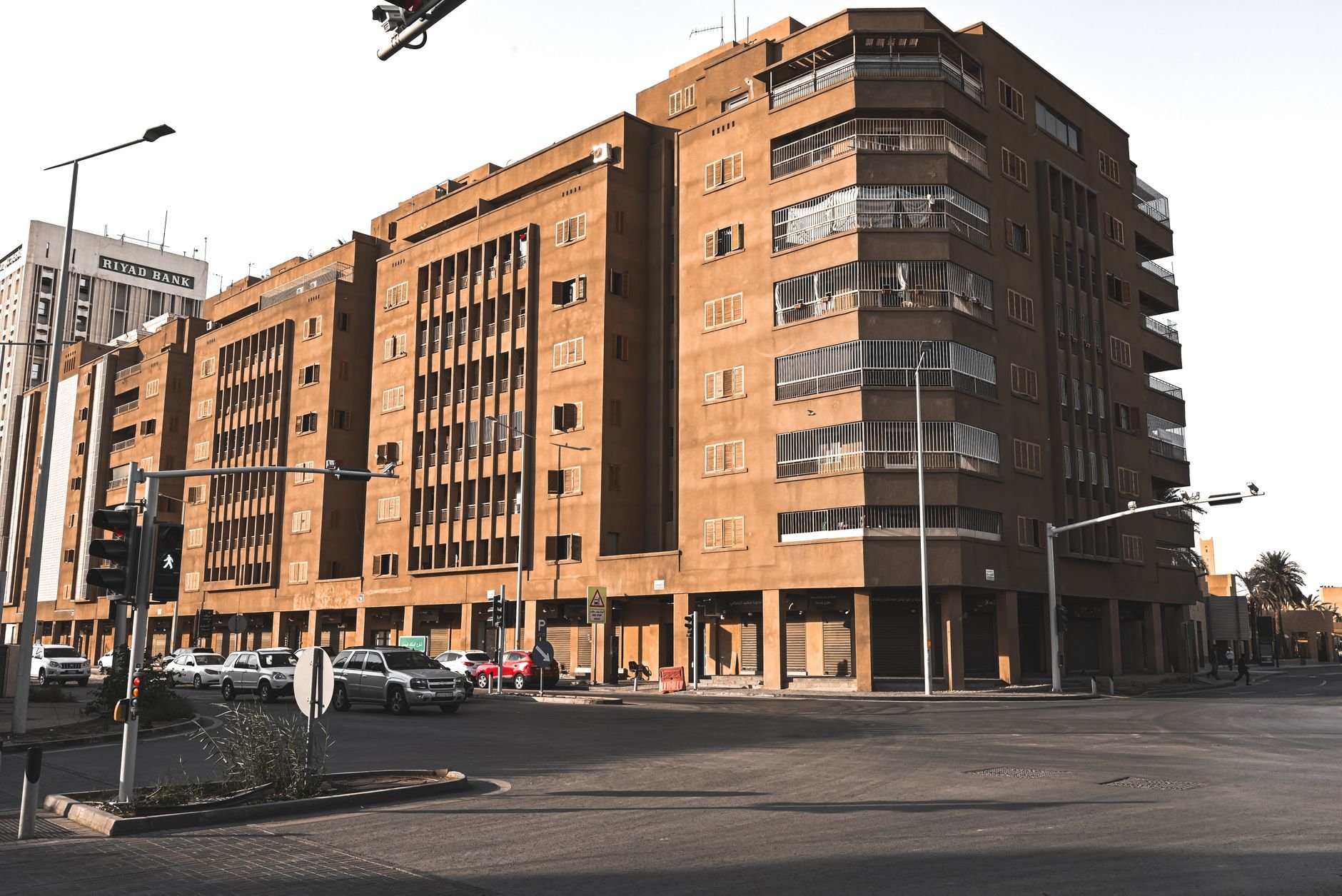
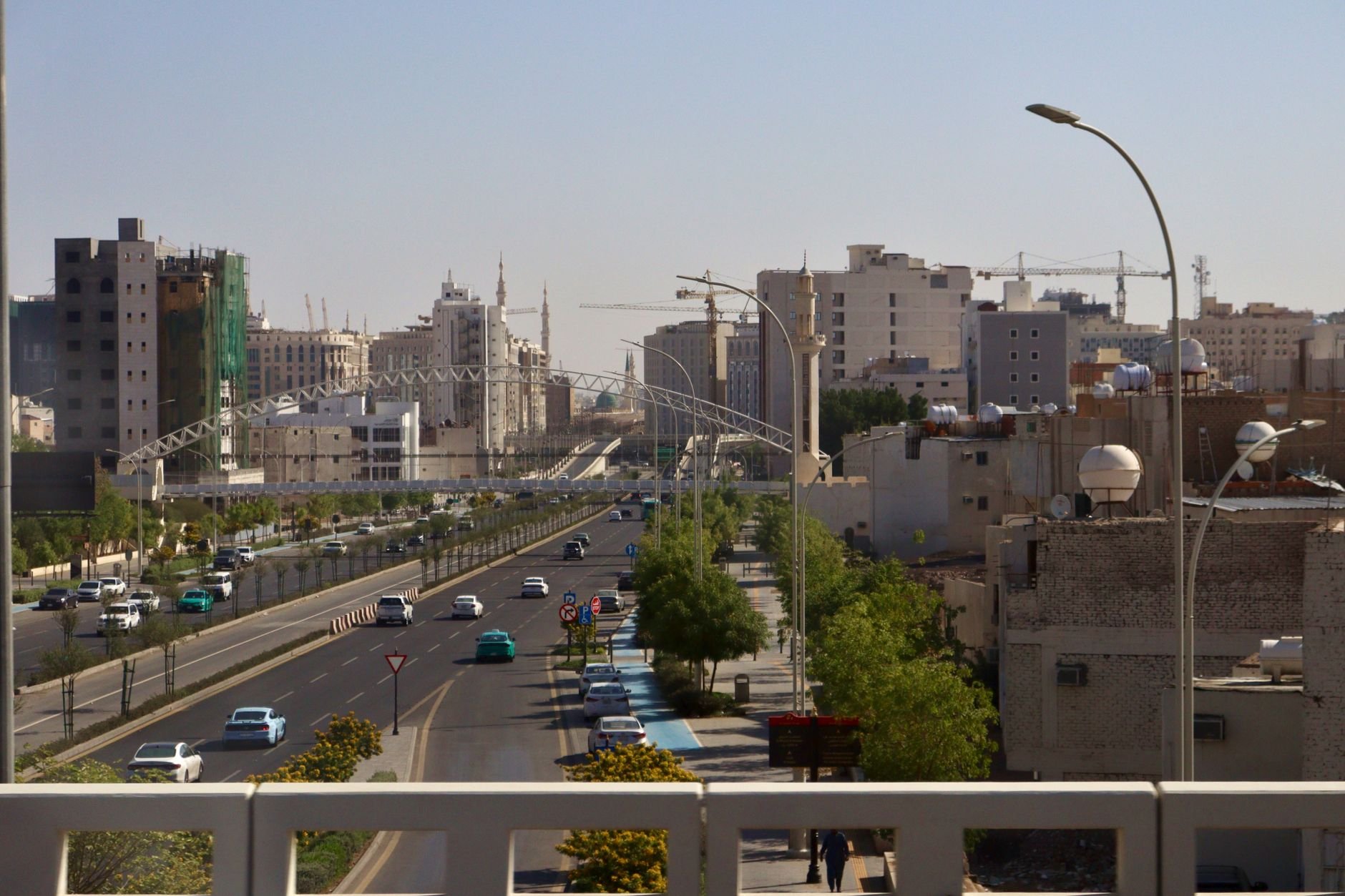
Renting in Riyadh's Winter Season: Lease & Costs
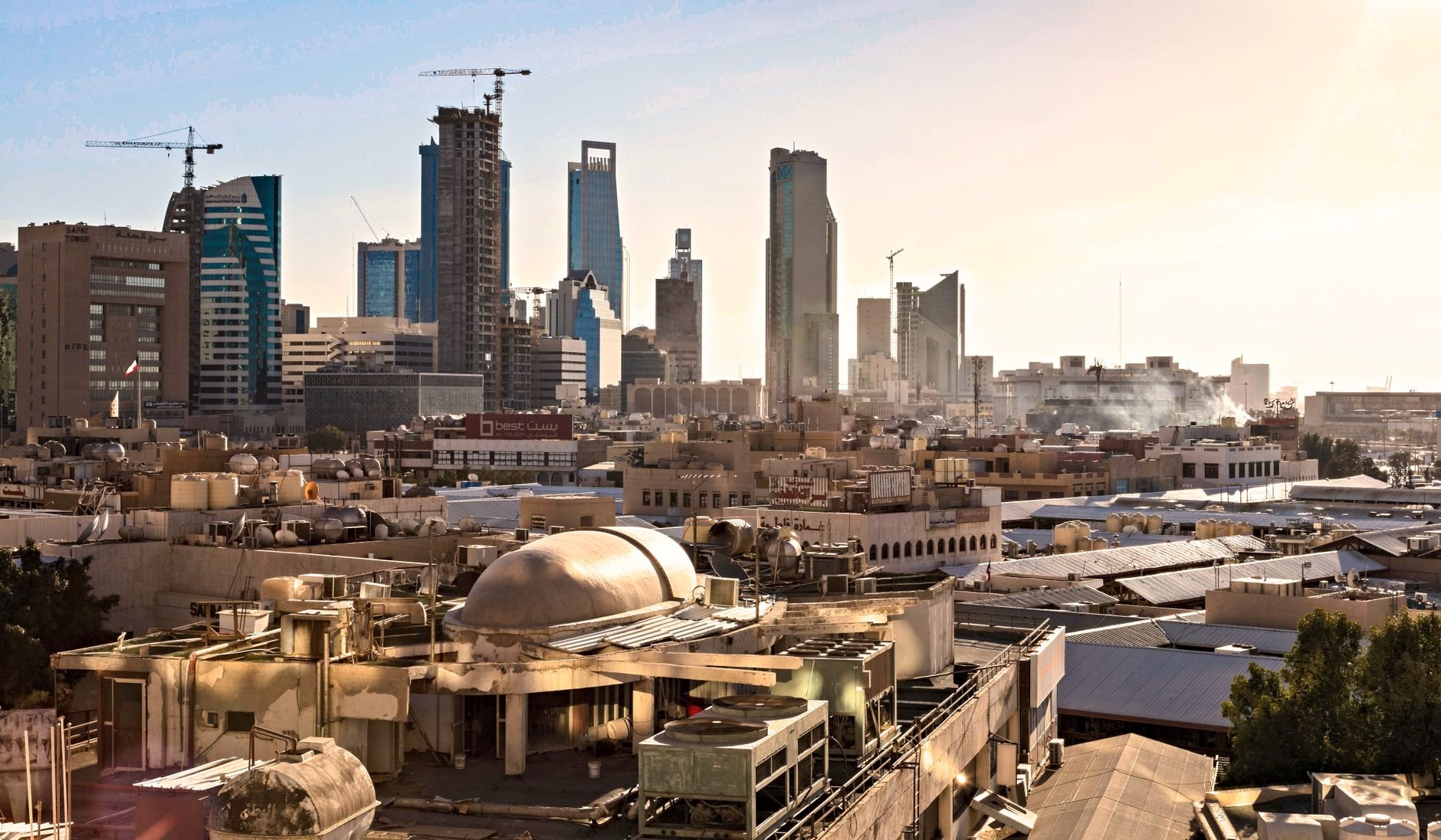
Thinking about renting in Riyadh's winter season? The short answer: November and December are one of the better times to negotiate. The weather makes viewings pleasant, moving is far easier than in the summer heat, and many landlords want units filled before the quieter new-year lull. A good deal isn't luck — it comes down to knowing exactly what belongs in your lease, what you'll pay up front, and where you actually have room to push back.
This guide walks you through renting in Riyadh's winter season — how to negotiate your lease terms and budget your move-in costs — with every contract documented the right way through Ejar.
Why November and December is a smart window to rent in Riyadh
Riyadh's rental market moves with the seasons. The summer is punishing — nobody wants to haul furniture up stairs in 45°C heat — so many tenants delay moves until the weather cools. By late autumn, supply is active, agents are keen to close, and you can view three or four flats in an afternoon across districts like Al-Narjis, Al-Malqa, Hittin or Al-Yasmin without melting.
The timing lines up well, too: the school year is already underway and Riyadh Season is drawing people into the city. That means landlords sitting on empty units through December have a real incentive to agree sensible terms rather than wait.
What actually goes into your lease — document it in Ejar
In Saudi Arabia, residential leases should be documented through Ejar, the national rental platform. This isn't paperwork you can skip — a digitally certified Ejar contract is what you'll rely on for move-in, for connecting services, and for protection if a dispute arises later. Keep a copy from day one.
A licensed real-estate broker typically enters the lease into Ejar, completing the property details, the parties, the financial terms, the general conditions and the contract duration, then sending it electronically to both landlord and tenant for approval. Before you certify, read every section — the lease itself, the brokerage agreement, the financial breakdown and the disclaimer. Once you approve electronically, it's binding.
The clauses worth fighting for
Don't let these sit vague. Insist they are written clearly into the Ejar contract:
- Rent and payment schedule — annual, quarterly or monthly, and the exact amount.
- Security deposit — the amount and, crucially, the conditions for getting it back.
- Broker commission — who pays it and how much.
- Utility responsibility — who covers electricity, water and internet connection, and the ongoing bills.
- Maintenance obligations — what the landlord fixes versus what you cover.
- Notice period and early-termination rules — the single clause tenants most regret ignoring.
- Renewal terms — including whether automatic renewal applies.
- Move-in inventory — especially critical for furnished flats; list every item and note existing damage.
Move-in costs to budget for
There's no single fixed Riyadh-wide figure for rent, deposits, commissions or utility connections — amounts depend on the district, the property, the landlord and whether the flat is furnished. What you can plan for is the shape of the bill.
The Ejar documentation fee
The standard residential lease-documentation fee through Ejar is SAR 125 per contract year. The landlord is responsible for this fee, though in practice the landlord or the licensed broker may pay it. Clarify who's covering it before you sign, so it doesn't quietly land on your bill. (If a party refuses to document an existing paper lease, the other party can register a rental incident through Ejar; that residential service is SAR 250 per year.)
Deposit, commission and utility deposits
Beyond the first rent payment, your move-in cash typically includes:
- Security deposit — typically around one month's rent or a set sum; refundable against the move-in inventory and condition.
- Broker commission — often quoted as a percentage of annual rent; always negotiable (more below).
- Utility connection and deposits — for electricity, water and internet; amounts vary by provider and property.
- Furnished-flat premium — furnished units may carry higher rent and sometimes a higher deposit; weigh this against buying your own furniture if you're staying long term.
How to negotiate your lease terms
Riyadh landlords expect some back-and-forth. Walk in prepared and you'll keep hundreds — sometimes thousands — of riyals in your pocket.
Where you have real leverage in winter
- Offer annual payment for a discount. Paying a full year up front is the strongest card you can play; many landlords will shave the rent or waive small extras for it.
- Negotiate the commission, not just the rent. Broker fees aren't fixed by law — ask who pays and whether it can be reduced, especially if you found the flat yourself.
- Ask the landlord to cover the Ejar fee. Since the landlord is formally responsible for the SAR 125 documentation fee, there's no reason to absorb it.
- Request maintenance in writing. A fresh paint job, an AC service or a fixed geyser is easy to agree in a half-empty winter market — get it into the contract.
- Fix the notice period. Push for a fair, clearly worded early-termination clause; your circumstances (job, Iqama, family) can change.
Step-by-step: from viewing to a signed Ejar contract
- Shortlist and view — compare two or three districts and note rent, condition and commute.
- Agree terms verbally — rent, deposit, who pays commission and the Ejar fee, utilities, maintenance.
- Register the lease in Ejar — in most cases a licensed broker enters the property, parties, financials, conditions and duration electronically; the landlord and tenant then confirm.
- Review every section — lease, brokerage agreement, financial terms and disclaimer.
- Certify electronically — both parties approve, and you receive the certified contract.
- Pay and move in — complete the move-in inventory with the landlord or agent present.
- Connect utilities and update records — use your certified Ejar contract to set up electricity, water and internet.
Avoiding disputes later
Most rental arguments trace back to things left unwritten — a verbal promise about the deposit, a hazy maintenance arrangement, an undocumented furniture list. Put everything in the Ejar contract and keep the digitally certified copy. If you've selected automatic renewal when the lease is registered, remember that renewal processing begins during the 60 days before expiry, subject to the required wallet balance and the landlord's payment — so check your dates in good time.
Ready to compare options? Browse the current properties listings on Saudi Living and line up your winter viewings early.
FAQs
Who pays the Ejar documentation fee in Riyadh?
The landlord is responsible for the standard residential documentation fee of SAR 125 though the landlord or a licensed broker may pay it. Confirm this before you sign.
Is renting cheaper in Riyadh during winter?
There's no fixed seasonal price, but November and December is an active, negotiation-friendly window — pleasant weather, easier moves and landlords keen to fill units often mean better terms.
Can I negotiate the broker's commission?
Yes. Commission isn't fixed by law. Ask who pays it and whether it can be reduced, particularly if you located the property yourself or pay annually up front.
What happens if the landlord won't document my paper lease?
You can register a rental incident through Ejar. The residential service for this is SAR 250 and it lets you formalise an existing agreement.
How does automatic lease renewal work?
If selected when the lease is registered, renewal processing begins during the 60 days before expiry, subject to the required wallet balance and the landlord's payment.
What must I check before certifying an Ejar contract?
Review all four parts of the contract — the lease itself, the brokerage agreement, the financial terms and the disclaimer — and make sure the rent, deposit, commission, utilities, maintenance, notice period, renewal terms and move-in inventory are all written in clearly.
Stay updated with the latest news, events, sports updates, business insights, real estate and lifestyle stories on Saudi Living — the leading online platform for residents, expats, and visitors in Saudi Arabia.
Follow Saudi Living for daily updates:
- Instagram - @saudiliving
- X - @saudiliving
- Facebook - @saudiliving
- YouTube - @saudiliving
Up Next

Renting vs Buying in Riyadh 2026: Cost Comparison
Renting vs buying in Riyadh 2026: real SAR rent averages, the 5-year rent freeze, 5% transaction tax, break-even maths and which suits you.
Oct 29,2026
Riyadh Rental Market October 2026: Prices by Area
Riyadh rental market October 2026: current prices by neighbourhood, from Al Narjis to Hittin, plus Ejar fees and tips for renting smart.
Oct 27,2026
How to Rent an Apartment in Riyadh: Expat Guide
How to rent an apartment in Riyadh as an expat: Iqama, Ejar contracts, SAR costs, deposits, utilities and a step-by-step move-in guide.
Oct 26,2026
Jeddah Apartment Rent by Neighbourhood: Oct 2026
Apartment rental prices by neighbourhood in Jeddah: October 2026 market report with real SAR figures for Al Rawdah, Al Salamah, Al Shati and more.
Oct 25,2026Related Stories




Don't Miss Similar Listings
Be the first to know when new stories on this topic are published.