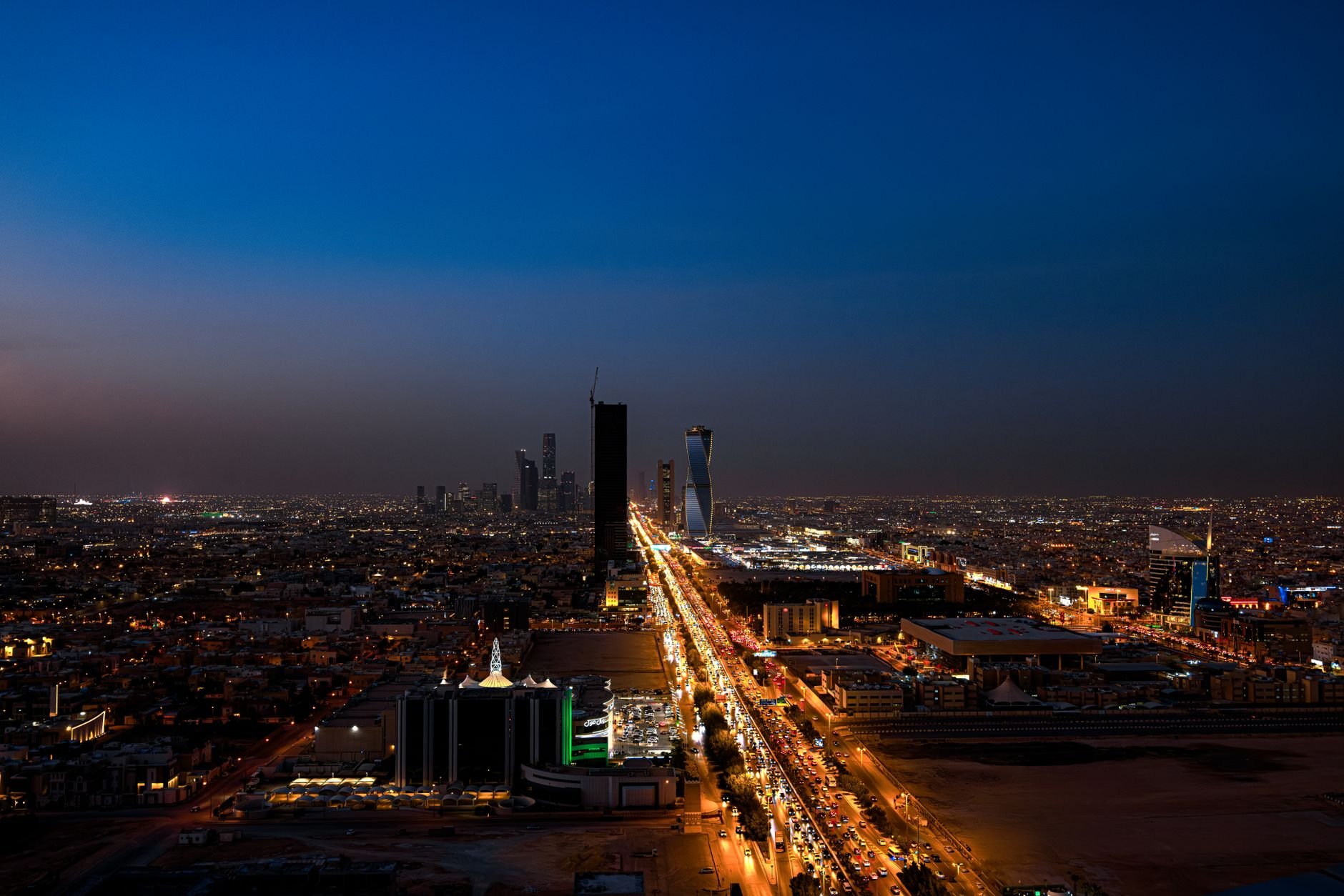
Staying Safe in the Saudi Summer Heat: A Practical Guide

Summers across Saudi Arabia are intense, with daytime temperatures that can climb well into the extreme range, especially in inland cities. Whether you're a long-time resident or you've just arrived, understanding how to manage the heat is essential for your health, your family, and anyone who works or spends time outdoors. This Saudi Living guide walks you through practical steps to stay safe, recognise the warning signs of heat illness, and respond quickly when something goes wrong.
Know the Forecast Before You Head Out
The single most useful habit in summer is checking conditions before you travel or work outside. The Anwaa app from the National Center for Meteorology gives you current conditions, daily forecasts, and regional warnings. Pay close attention to the colour-coded alert system:
- Yellow — be aware; conditions may become hazardous.
- Orange — be prepared; the risk is significant.
- Red — take action; conditions are dangerous.
Follow the National Center for Meteorology's daily forecast and enable early-warning notifications, particularly if you plan outdoor travel, long drives, or physical work. Adjusting your schedule around these alerts is one of the simplest ways to avoid trouble.
Everyday Habits to Beat the Heat
Most heat-related problems are preventable with a few consistent habits. Build these into your daily routine during the hottest months:
- Avoid direct sunlight, especially during the hottest part of the day.
- Stay in an air-conditioned or well-shaded place whenever possible.
- Drink water regularly throughout the day — don't wait until you feel thirsty.
- Wear light, loose-fitting clothing, a hat, and sunglasses when outdoors.
- Plan errands, exercise, and outdoor activities for early morning or after sunset.
If your work requires time outdoors, take frequent breaks in the shade, keep water within reach, and watch your colleagues for early signs of heat stress.
Protecting the Most Vulnerable
Children, older adults, and animals are far more sensitive to heat than healthy adults, and they may not be able to ask for help. The most important rule is simple but life-saving:
- Never leave children, older people, or animals inside a parked vehicle — not even for a few minutes. The temperature inside a closed car rises dangerously fast.
- Keep a close eye on elderly family members, who may not feel thirst or heat as sharply.
- Make sure children are drinking enough water and are dressed appropriately.
- Provide pets with shade, fresh water, and cool indoor space.
Recognising Heat Exhaustion
Heat exhaustion can develop gradually, so knowing the signs helps you act before it becomes serious. Common symptoms include:
- Heavy sweating
- Weakness or fatigue
- Dizziness
- Nausea
- Headache
- Signs of dehydration
If you or someone around you shows these symptoms, don't ignore them — early action prevents the condition from worsening into a medical emergency.
First Aid: What to Do
When someone shows signs of heat exhaustion, respond calmly and quickly:
- Move the person to a cool, dry, shaded place right away.
- Cool the body down using water on the skin.
- Give cold water to drink only if the person is conscious and able to swallow.
- Never give anything by mouth to someone who is unconscious.
Let the person rest while you continue cooling and monitoring them. If they recover quickly, keep them in a cool place and watch for any return of symptoms.
When to Seek Emergency Help
Some situations require immediate medical attention. Take the person to the nearest hospital straight away if symptoms are severe or persistent, or if you notice any of the following:
- Confusion or disorientation
- Fainting or loss of consciousness
- Seizures
These are warning signs that the situation may be life-threatening, and professional care should not be delayed.
Stay Prepared All Season
Staying safe in the Saudi summer comes down to planning ahead, drinking plenty of water, respecting the midday heat, and looking out for those around you. Keep the Anwaa app handy, follow official forecasts and warnings, and build simple protective habits into your daily routine. For procedures, service details, or any specific requirements, always confirm through the relevant official Saudi government portal. With a little preparation, you can enjoy the season safely.
Stay updated with the latest news, events, sports updates, business insights, real estate and lifestyle stories on Saudi Living — the leading online platform for residents, expats, and visitors in Saudi Arabia.
Follow Saudi Living for daily updates:
- Instagram - @saudiliving
- X - @saudiliving
- Facebook - @saudiliving
- YouTube - @saudiliving
Up Next
Using Sehhaty and Seha Health Apps: A Guide
A practical guide to booking appointments, consultations, prescriptions, and medical reports on Saudi Arabia's Sehhaty and Seha health apps.
Oct 25,2026
Health Insurance for Residents in Saudi Arabia
A clear guide to mandatory health insurance for residents in Saudi Arabia: who pays, what's covered, costs, and how to check your status before iqama renewal.
Oct 25,2026
Health Insurance for Residents in Saudi Arabia Explained
A practical guide to mandatory health insurance for residents in Saudi Arabia: who needs it, indicative 2026 prices, coverage, and how to verify your policy.
Oct 24,2026
Sehhaty & Seha Apps: Your Saudi Health Guide
A practical guide to using Sehhaty in Saudi Arabia: booking appointments, virtual consultations, prescriptions, sick leave, and health records.
Oct 23,2026Related Stories





Don't Miss Similar Listings
Be the first to know when new stories on this topic are published.