Your Rights as a Tenant in Saudi Arabia: Full Guide

Renting a home or business space in Saudi Arabia is far safer and clearer when you understand your legal rights. The Kingdom's rental system is built around the Ejar electronic contract, which documents the agreement between landlord and tenant and can act as an enforceable legal instrument. Whether you are a Saudi citizen or a resident, knowing how the system works helps you avoid disputes, protect your deposit, and ensure your lease renews fairly. This guide from سعودي ليفنج walks you through the essentials.
Why the Ejar Contract Matters
Every tenancy should be documented through an Ejar electronic lease. This is not just paperwork—it is your primary proof of rights and obligations, and it can be enforced legally if a dispute arises. Both Saudi nationals and residents can be registered tenants.
Registration carries a modest fee:
- Residential contracts: SAR 125
- Commercial contracts: SAR 200 for the first year and SAR 400 for each additional year.
If you discover your lease was never registered, you have the right to request its registration in Ejar yourself. The other party then has 60 days from notification to object to the registered details.
Rent, Deposits, and Extra Charges
Rent can be paid monthly, quarterly, semiannually, or annually—whatever is agreed and written into the contract. Transparency on money matters is one of your strongest protections.
- Security deposit: This is optional, not mandatory. If agreed, it must be stated clearly in the contract. The deposit may only be used to cover damage-related costs, and any remaining balance is refundable after you hand the property back.
- Additional charges: Items such as parking or cleaning must appear as fixed amounts in the contract—never as vague or open-ended fees.
- Common-area maintenance: These charges must be set through the owners' association process and cannot be slipped into your lease as unspecified costs.
Who Maintains the Property?
By default, the landlord is responsible for maintaining the property. A maintenance obligation only falls on you if the contract lawfully assigns a specific duty to you. Always read this section carefully before signing.
Your Responsibilities as a Tenant
Rights come with duties. To stay protected, a tenant should:
- Pay rent on time and settle agreed utility charges.
- Keep the unit in good condition and avoid disturbing neighbors.
- Use the property only for its agreed purpose.
- Return the property in the condition it was received.
Failing to meet these can count as a breach. Non-payment of rent or agreed utility bills, causing severe damage, or unauthorized use of the property are all grounds that may put you in violation.
Renewal and Rent Increases
Leases generally renew automatically unless either party gives non-renewal notice at least 60 days before expiry. Importantly, if a landlord fails to pay the Ejar renewal fee, your contract is not cancelled—that fee simply becomes a debt the landlord owes.
In الرياض, additional protections currently apply:
- Annual rent increases are frozen for five years for both residential and commercial contracts, covering existing and new leases.
- A landlord wishing to change the rent must notify the tenant at least 90 days before expiry, and the tenant may accept or reject the request.
- A landlord generally cannot refuse renewal or force a tenant to vacate if the tenant wants to renew—except for non-payment, documented structural safety defects, or the landlord's personal use (or use by a first-degree relative).
If a Dispute Arises
Violations can be costly: penalties may include a fine of up to 12 months' rent, correction of the violation, and compensation for the affected party. Lease disputes and enforcement should be handled through Ejar and the Ministry of Justice's ناجز services.
If you transfer a lease, note the service fees: SAR 250 for residential contracts and SAR 400 for commercial contracts.
For the latest fees, forms, and procedures, always confirm details on the relevant official Saudi government portal before you sign or file a complaint. A well-documented Ejar contract remains your best safeguard.
Stay updated with the latest news, events, sports updates, business insights, real estate and lifestyle stories on Saudi Living — the leading online platform for residents, expats, and visitors in Saudi Arabia.
Follow Saudi Living for daily updates:
- Instagram - @saudiliving
- X - @saudiliving
- Facebook - @saudiliving
- YouTube - @saudiliving
Up Next
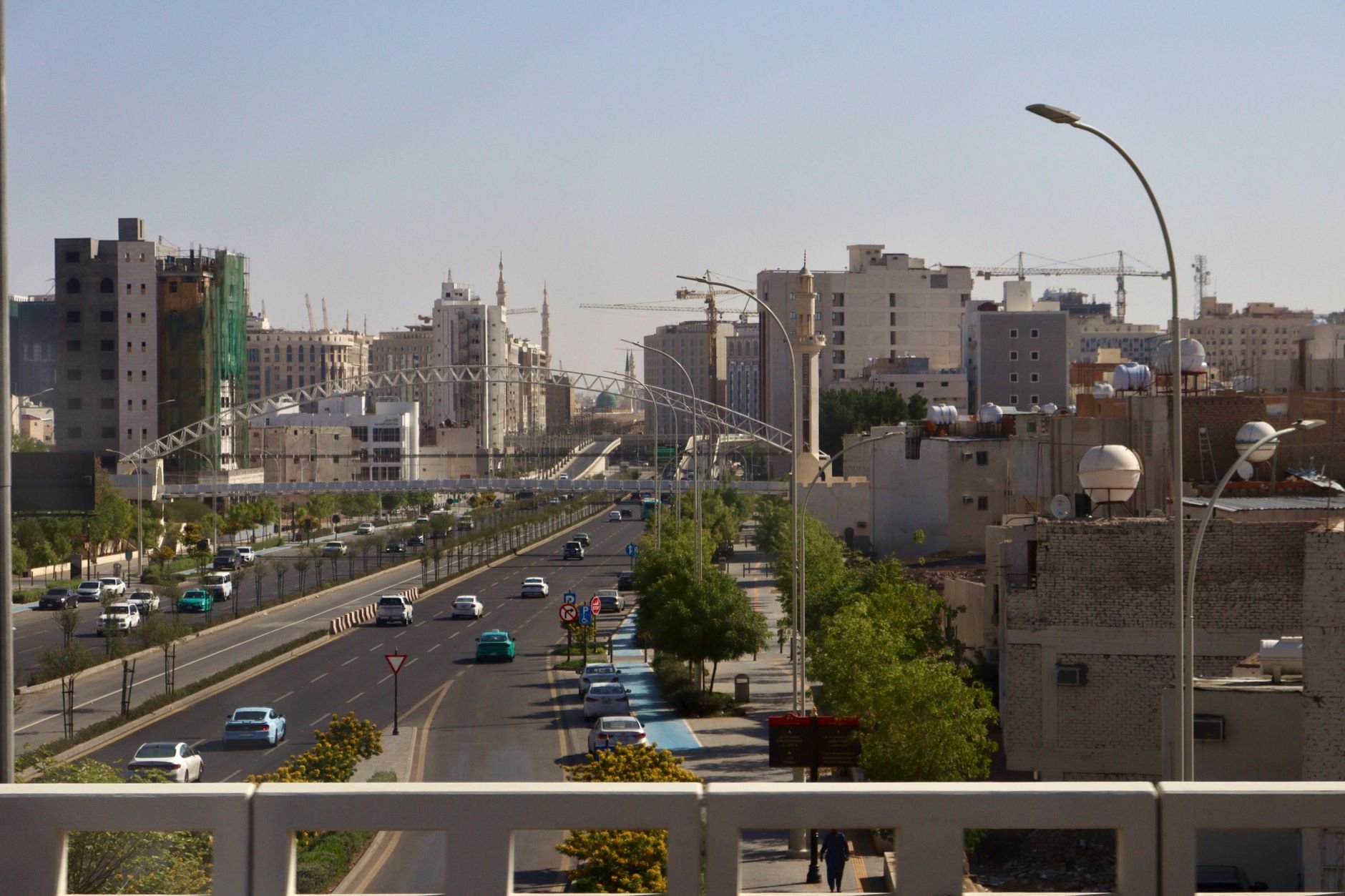
Renting in Saudi Arabia: How the Ejar Contract Works
A practical guide to renting a home in Saudi Arabia, how the Ejar contract works, fees, deposits, renewals, and lease transfers.
Nov 15,2026
Saudi SIM Card Guide for Newcomers: Plans & Prices
How to get a Saudi SIM card and mobile plan as a newcomer: documents, biometric activation, prepaid vs postpaid, prices, and Absher registration tips.
Nov 15,2026
Pay Traffic Fines with Absher: Full Guide
Learn how to check and pay Saudi traffic fines through Absher, Nafath, and banking channels, plus objections, deadlines, and the 50% reduction rule.
Nov 15,2026
Dependent Iqama Saudi Arabia: Sponsor Family Guide
How to sponsor your spouse, children, and parents in Saudi Arabia: dependent levy, iqama fees, insurance, and renewal steps via Absher and Muqeem.
Nov 15,2026Related Stories







Don't Miss Similar Listings
Be the first to know when new stories on this topic are published.