Your Rights as a Tenant in Saudi Arabia: Full Guide

Renting a home in Saudi Arabia is far safer and more transparent than many newcomers expect, because the system is built around a documented, government-backed lease. Whether you are moving into your first apartment or renewing a long-term lease, knowing your rights protects you from unfair charges, surprise non-renewals, and deposit disputes. This guide from سعودي ليفنج walks you through the essentials every tenant should understand.
Always Register Your Lease in Ejar
Your residential lease should be registered in the official Ejar system. A documented contract is your strongest proof of your rights, and it makes any future dispute far easier to resolve. Importantly, if your landlord has not registered the lease, you as the tenant are entitled to request registration yourself.
The registration process is straightforward:
- Create or access the Ejar contract.
- Verify the details of both parties and the property.
- Confirm the contract.
- Pay the registration fee through the landlord or broker.
- Complete authentication through the approved identity process.
Who Pays the Registration Fee
The residential Ejar registration fee is SAR 125 and any partial year is rounded up to a full year. This fee is the responsibility of the landlord or the broker — not the tenant. A landlord cannot simply relabel this as a "tenant obligation" in the contract to shift the cost onto you. If you are being asked to pay the official documentation fee, you are within your rights to decline.
Checking and Objecting to Contract Details
Once your lease is registered, you will receive a notification. Review it carefully. If any of the details are incorrect, you have the right to object through the Real Estate General Authority within 60 days of receiving the registration notification. If you do not object within this window, the recorded details are generally treated as valid — so do not ignore that notification.
Renewal and Protection Against Eviction
Saudi leases are generally renewed automatically. The renewal only stops if either party gives written non-renewal notice at least 60 days before the lease expires. This protects tenants from sudden, last-minute demands to leave.
A landlord generally cannot refuse renewal and force you to vacate unless a specific, legally recognized reason applies, such as:
- The tenant fails to pay the rent.
- The property has safety-related structural defects confirmed by an approved technical report.
- Another legally recognized exception applies.
If you are facing non-renewal without a valid basis, keep all your documents and raise the matter through the proper channel.
Security Deposits
A security deposit may be agreed between you and the landlord. It can be used to cover damage caused by the tenant — but ordinary contractual terms and actual evidence of damage must apply. A landlord cannot keep your deposit without a reasonable basis. To protect yourself, photograph the property at move-in and move-out, and keep copies of any repair requests and correspondence.
Special Rental Controls in Riyadh
If you rent within the urban boundaries of الرياض, special rental controls apply from 25 September 2025 for five years. Under these controls:
- For previously leased properties, the total rent is generally tied to the total rent stated in the last Ejar contract.
- For properties that were not previously leased, the landlord and tenant agree the rent between them.
Riyadh landlords must also register any unregistered leases in Ejar, and tenants may initiate registration themselves. As with the general rule, the opposing party has 60 days to object to the details.
What If the Landlord Breaks the Rules
If a landlord fails to register the lease, you can submit a registration request through Ejar. Violations may carry a fine of up to the property's total rent for 12 months — and this does not remove the affected party's right to also seek compensation.
Resolving Disputes the Right Way
For any dispute — unpaid rent, deposits, repairs, eviction, or contract violations — documentation is everything. Keep the following ready:
- Your Ejar contract.
- All payment records and receipts.
- Written notices from either party.
- Photographs of the property's condition.
- Repair requests and responses.
With your evidence organized, use the competent Saudi judicial or regulatory channel. Where a judicial claim is required, you can file through ناجز. For anything involving specific fees or procedures, always confirm the latest details on the relevant official Saudi government portal before acting.
Stay updated with the latest news, events, sports updates, business insights, real estate and lifestyle stories on Saudi Living — the leading online platform for residents, expats, and visitors in Saudi Arabia.
Follow Saudi Living for daily updates:
- Instagram - @saudiliving
- X - @saudiliving
- Facebook - @saudiliving
- YouTube - @saudiliving
Up Next
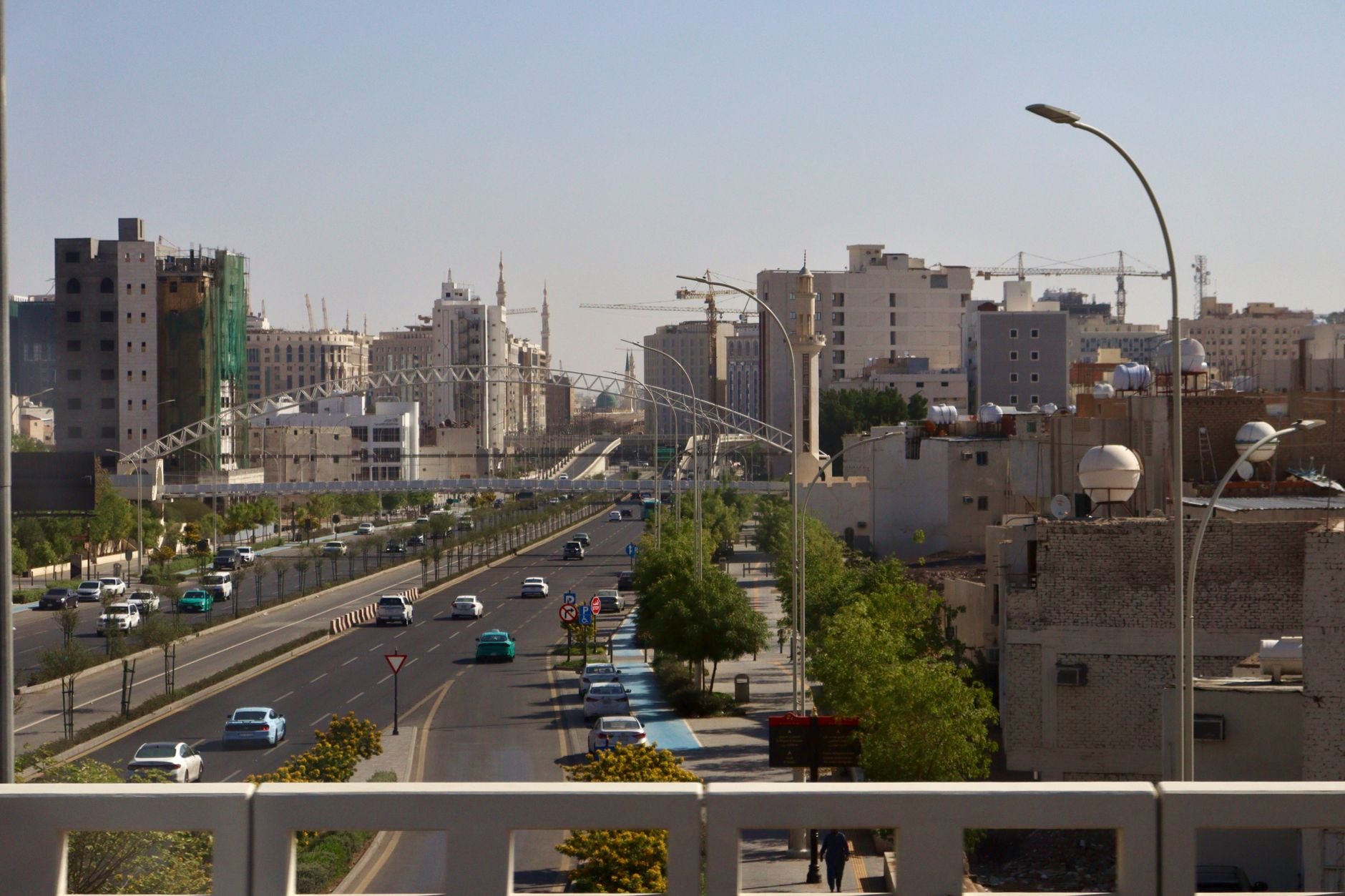
Renting a Home in Saudi Arabia: The Ejar Contract Guide
A practical guide to renting a home in Saudi Arabia, how the Ejar contract works, documentation fees, and what to do if a landlord refuses to register.
Nov 17,2026
Saudi SIM Card & Mobile Plan Guide for Newcomers
A practical guide to buying and registering a Saudi SIM card as a newcomer, comparing prepaid plans, and updating your number after you get your Iqama.
Nov 17,2026
Paying Traffic Fines: Najm, Absher & SADAD Guide
Learn where to pay Saudi traffic fines correctly — through Absher, Efaa, or SADAD bank channels — and why Najm is not a payment channel.
Nov 17,2026
Saudi Family Visit Visa: Requirements & Steps
A practical guide to the Saudi family visit visa: who can sponsor, required documents, step-by-step application on the visa platform, fees, insurance, and extension.
Nov 17,2026Related Stories








Don't Miss Similar Listings
Be the first to know when new stories on this topic are published.