Your Rights as a Tenant in Saudi Arabia

Renting a home or office in Saudi Arabia is far safer and clearer when you understand how the system protects you. The Kingdom has moved tenancy onto a unified digital framework, which means your lease is documented, your deposit is traceable, and disputes can be resolved through official channels rather than informal pressure. This Saudi Living guide walks you through your core rights as a tenant, how to register your lease, what your contract must contain, and what to do if things go wrong.
Register Your Lease Through Ejar
Every residential lease should be documented through the Ejar system. Registration is what turns a private agreement into a protected, enforceable contract. The fee for a residential lease is SAR 125 and in practice the landlord or broker usually pays it as stated in the contract.
- Commercial leases cost SAR 200 for the first year and SAR 400 for each additional year, and VAT may apply to commercial contracts.
- If your landlord refuses or fails to register the lease, you — the tenant — can request registration yourself through Ejar.
- After a tenant-initiated registration is notified, either party has 60 days to object to the contract details before the Real Estate General Authority.
Why a Documented Lease Matters
A lease registered in Ejar is more than paperwork. It serves as an enforceable instrument in Saudi enforcement proceedings, meaning you can rely on it directly if you ever need to pursue a claim or defend your right to stay in the property. Without a documented lease, you lose the simplest and strongest route to protecting yourself.
What Your Contract Should Clearly State
Before signing, make sure the lease spells out the essential terms. A complete contract protects both sides and removes room for later arguments.
- The rent amount and exact payment dates.
- The lease term and the terms for renewal.
- The security deposit and the conditions for its return.
- Who pays which utilities.
- Maintenance responsibilities for each party.
- The permitted use of the property.
- The condition of the property at handover.
Your Duties as a Tenant
Rights come with responsibilities. Meeting your obligations keeps your position strong if a dispute arises.
- Pay rent on time as scheduled in the contract.
- Pay the utilities assigned to you.
- Maintain the property and avoid causing damage.
- Do not disturb your neighbors.
- Use the property only for the agreed purpose.
- Return the property at the end of the lease subject to ordinary wear and tear.
Broker Commissions and Illegal Landlord Actions
If a broker is involved, their commission must not exceed 2.5% of the first year's rent. Be cautious of any demand above that limit.
Just as importantly, know what a landlord cannot do. A landlord may not take matters into their own hands. It is not permitted to change the locks, disconnect utilities, remove your belongings, or evict you without following the legal process. Any of these actions is unlawful, and you have the right to push back through official channels.
Resolving Disputes Through Najiz
When a dispute cannot be settled directly — whether it is unpaid rent, a deposit, or possession of the property — the official route is the Najiz portal, accessed with your Nafath credentials.
- Go to Enforcement, then Submit an Enforcement Request.
- Select the appropriate financial or eviction procedure.
- Use your unified Ejar lease as the enforcement instrument.
Enforcement notices generally give 5 days to comply with financial claims, while eviction enforcement follows the applicable enforcement order and statutory procedure. For current steps and any fees, confirm details on the official Najiz portal.
Rent Rules in Riyadh
Within Riyadh's urban boundaries, rent control measures approved in 2025 apply to previously leased vacant residential and commercial properties. For these, the total rent is tied to the total rent recorded in the last Ejar contract, while newly leased properties are priced by agreement. The Riyadh measures also let tenants request Ejar registration and require the other party to raise any objections within 60 days of notification. If you are renting in Riyadh, check whether these rules apply to your specific property.
Understanding these rights before you sign puts you in control. Document your lease, keep copies, meet your obligations, and use the official portals when you need them — that is the clearest path to a secure tenancy in the Kingdom.
Stay updated with the latest news, events, sports updates, business insights, real estate and lifestyle stories on Saudi Living — the leading online platform for residents, expats, and visitors in Saudi Arabia.
Follow Saudi Living for daily updates:
- Instagram - @saudiliving
- X - @saudiliving
- Facebook - @saudiliving
- YouTube - @saudiliving
Up Next
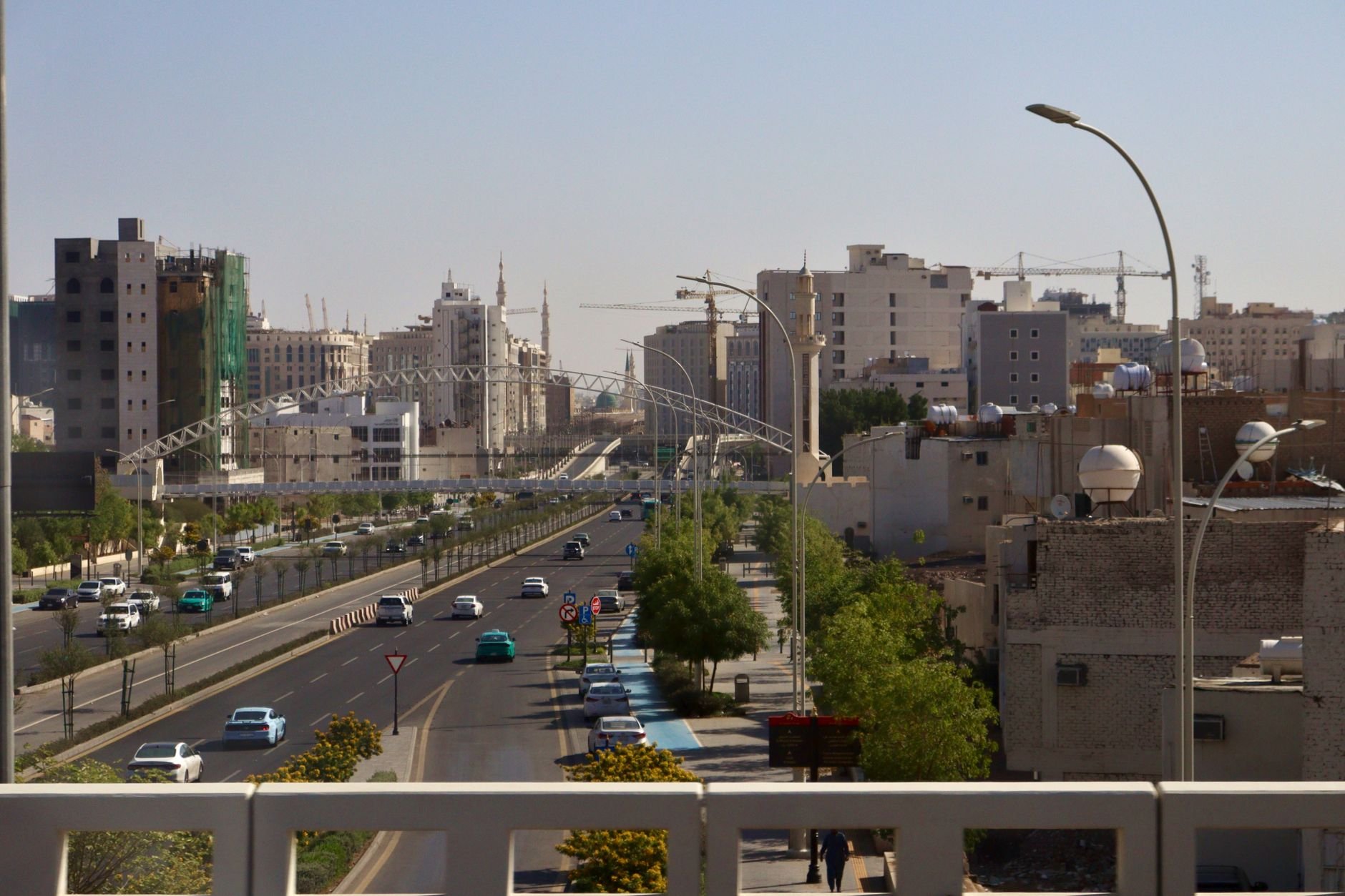
Renting in Saudi Arabia: How the Ejar Contract Works
A practical guide to renting a home in Saudi Arabia, registering your lease through Ejar, documentation fees, tenant steps, and resolving disputes.
Nov 21,2026
Saudi SIM Card & Mobile Plan Guide for Newcomers
How to buy a Saudi SIM and mobile plan as a visitor or new resident: documents, visitor packages, prices, activation, and transferring to your iqama.
Nov 21,2026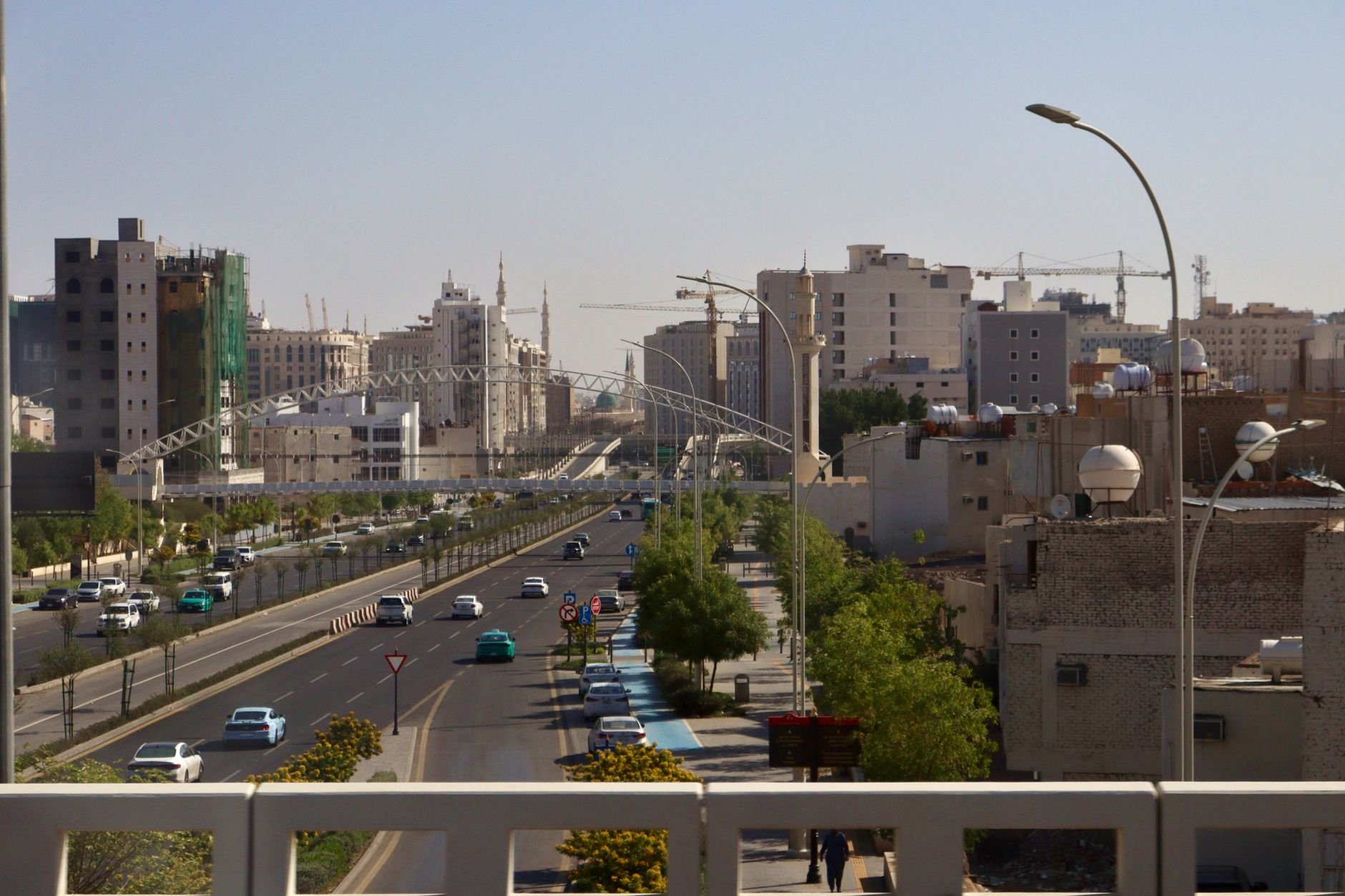
Paying Traffic Fines: Najm vs Absher Explained
A clear Saudi Living guide to paying traffic fines in Saudi Arabia through Absher, Efaa, and SADAD — and why Najm is not a payment channel.
Nov 21,2026
Saudi Family Visit Visa: Requirements & Steps
A complete guide to the Saudi family visit visa: who can sponsor, required documents, fees, processing time, validity, extensions, and overstay rules.
Nov 21,2026Related Stories







Don't Miss Similar Listings
Be the first to know when new stories on this topic are published.