
Choosing an International School in Saudi Arabia

Choosing a school is one of the biggest decisions families make when settling in Saudi Arabia. The Kingdom has a wide and growing range of international schools offering British, American, IB and other curricula, mostly concentrated in الرياض, جدة and الدمام. But fees vary widely, waiting lists can be long, and the regulatory framework has its own rules worth understanding. This guide from سعودي ليفنج walks you through how these schools are governed, what you'll pay, and how to pick the right fit for your child.
How international schools are regulated
Every international school in Saudi Arabia must be licensed by and operate under the supervision of the Ministry of Education. That means even a school teaching a fully foreign curriculum is not outside the system. A key requirement is that all licensed schools must include Arabic language, Islamic civilisation, and Saudi history and geography within their programs, regardless of the main curriculum they follow.
This is good news for families: licensing gives you a baseline of oversight and accountability, and it ensures your child gains some grounding in the local language and culture even while studying an international syllabus. When shortlisting schools, confirm the licence is current and ask which authority accredits the foreign curriculum they teach.
Understanding curricula and fit
The right curriculum often depends on where your family may move next and your child's academic needs:
- British (IGCSE / A-Level): structured, exam-based, widely recognised, common across the Kingdom.
- American: broad and flexible, using GPA and often AP courses.
- International Baccalaureate (IB): inquiry-driven and globally portable, popular with mobile families.
- Other national curricula: some communities have dedicated schools serving specific nationalities.
Beyond the label, look at teaching quality, class sizes, languages of instruction, extracurriculars, and how well the school supports children joining mid-year or transitioning between systems.
How tuition fees are set and controlled
Tuition is tightly regulated. Private and international schools must submit their fees to the Ministry of Education for approval, so schools cannot simply charge whatever they like. Any fee increase must be justified — for example through facility upgrades, changes to the teacher–student ratio, new accreditation, or additional services — and parents must be notified in writing before any change takes effect.
The current regulatory basis is Ministerial Resolution No. 440075353504 (1444 AH), which sets specific rules for how tuition is approved and adjusted. Looking ahead, the 2026 General Education Law — published in July 2026 and effective from 20 January 2027 — introduces Article 35, which makes tuition a regulated variable: the Ministry sets the criteria for adjusting fees, raises them to the Council for approval, and schools must set their fees in line with those approved criteria. Always confirm the latest rules on the Ministry of Education portal.
What you'll actually pay
Fees vary considerably by curriculum, grade level and city. In الرياض, annual tuition at private and international schools commonly ranges roughly between the equivalent of 37,500 and 112,500 ريال سعودي, with international schools sitting at the higher end. Across major cities, many international schools charge somewhere between 30,000 and 110,000 ريال سعودي, usually published as both annual and termly amounts and including VAT where applicable.
To give a concrete sense of a full British-curriculum fee ladder (2026–27, الرياض):
- Foundation 1: about 50,568 ريال سعودي annually (16,856 per term).
- Foundation 2: about 68,489 (22,830 per term).
- Key Stage 1 (Years 1–2): about 71,154 (23,718 per term).
- Key Stage 2 (Years 3–6): about 78,414 (26,138 per term).
- Key Stage 3 (Years 7–9): about 86,134 (28,711 per term).
- Key Stage 4 (Years 10–11): about 104,457 (34,819 per term).
- Key Stage 5 (Years 12–13): about 111,172 (37,057 per term).
At the more affordable end, some international schools offer kindergarten places for around 27,800 ريال سعودي a year, often split into non-refundable termly instalments. Remember these headline figures rarely tell the whole story.
Hidden costs and the fine print
Before you commit, ask about the full cost of attendance beyond tuition:
- Registration, assessment and re-enrolment fees.
- Refund policy — many termly payments are non-refundable.
- Transport, uniforms, books, technology and meals.
- Exam entry fees for external qualifications.
- Payment schedule and whether instalments are allowed.
Get the fee schedule in writing and check it against the Ministry-approved figures.
Making your final choice
Shortlist three or four schools, visit each in person, and speak to current parents where possible. Confirm the licence and accreditation, understand the total yearly cost, check the commute, and ask about class sizes and support for new arrivals. Apply early — the best schools fill quickly, especially at entry-year levels. With a clear checklist and the regulatory basics in hand, you can choose confidently and give your family a strong start in the Kingdom.
Stay updated with the latest news, events, sports updates, business insights, real estate and lifestyle stories on Saudi Living — the leading online platform for residents, expats, and visitors in Saudi Arabia.
Follow Saudi Living for daily updates:
- Instagram - @saudiliving
- X - @saudiliving
- Facebook - @saudiliving
- YouTube - @saudiliving
Up Next
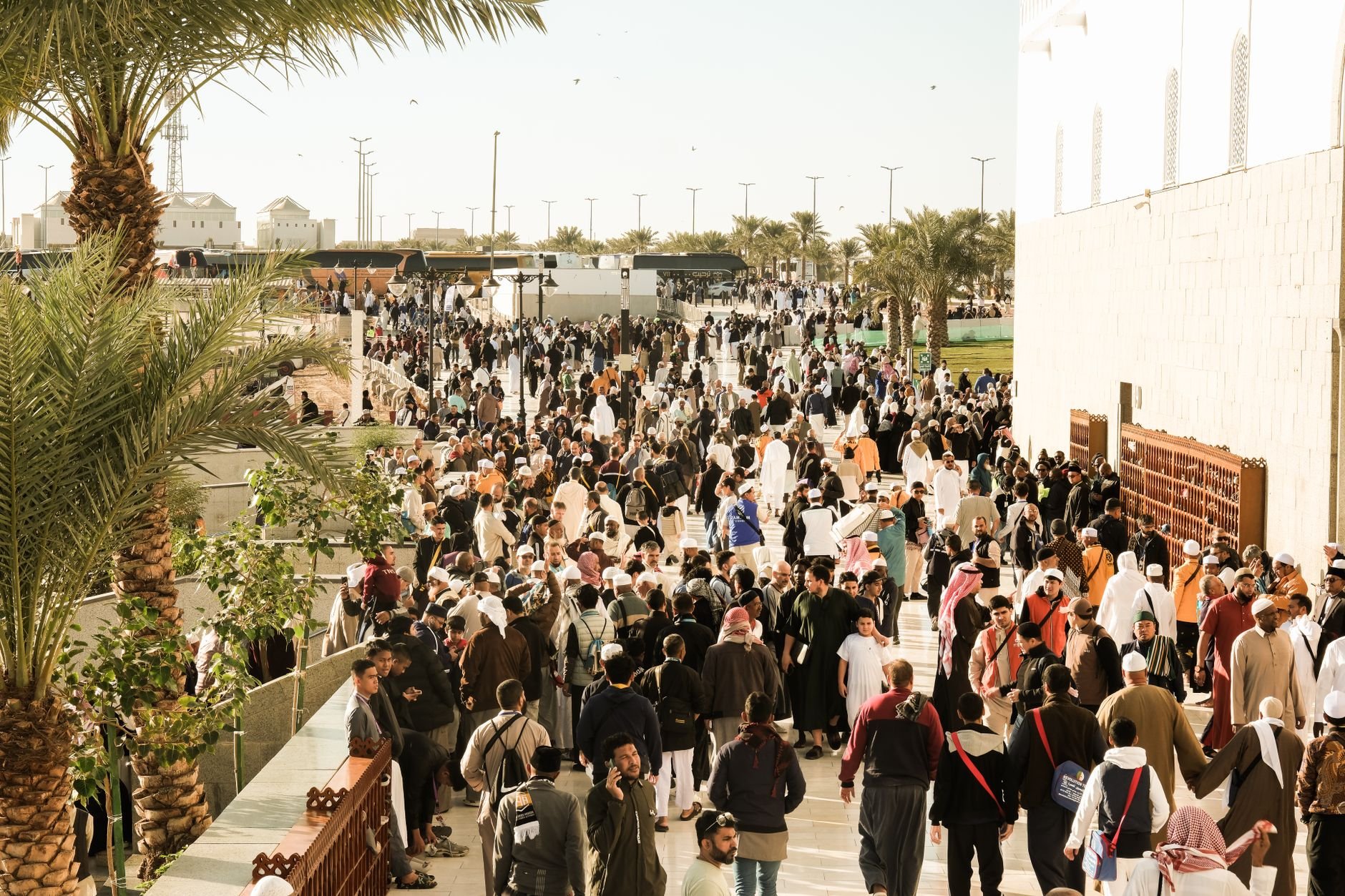
Family Life in Al Kharj: Schools, Parks & Activities
A practical family guide to Al Kharj: parks, the zoo, amusement parks, indoor play and everyday tips for parents living near Riyadh.
Sep 1,2026
Family Life in Najran: Schools, Parks & Activities
A practical guide to family life in Najran: parks, amusement spots, malls, the summer festival and tips for outings with kids and daily recreation.
Aug 28,2026
Best Neighbourhoods to Live in Al Majma'ah
A practical guide to the best neighbourhoods in Al Majma'ah, from premium districts like King Fahd to budget-friendly areas, with 2026 price snapshots.
Aug 27,2026
Best Neighbourhoods to Live in Sakaka, Al Jawf
A practical guide to the best neighbourhoods in Sakaka, Al Jawf — services, access, and 2025–2026 apartment rental ranges for residents and families.
Aug 26,2026Related Stories


Don't Miss Similar Listings
Be the first to know when new stories on this topic are published.


