
Historic Jeddah (Al-Balad): What to See, Eat & Do
Last updated: 1 June 2026 — by the Saudi Living Jeddah team.
Short on time? Here's the quick answer: Historic Jeddah, better known as Al-Balad, is the Kingdom's most atmospheric old town — a maze of centuries-old coral-stone houses, lantern-lit souks and street-food stalls. The public streets and open areas have no general entrance fee, and the magic really switches on after sunset. Arrive from around 4:30 to 5:00pm, when the heat drops, the shops reopen and the heritage facades light up.
This is our practical, on-the-ground Historic Jeddah (Al-Balad) guide to what to see, eat and do — with real SAR prices, opening hours and a walking route you can follow in a single evening.
Why Al-Balad is worth your evening
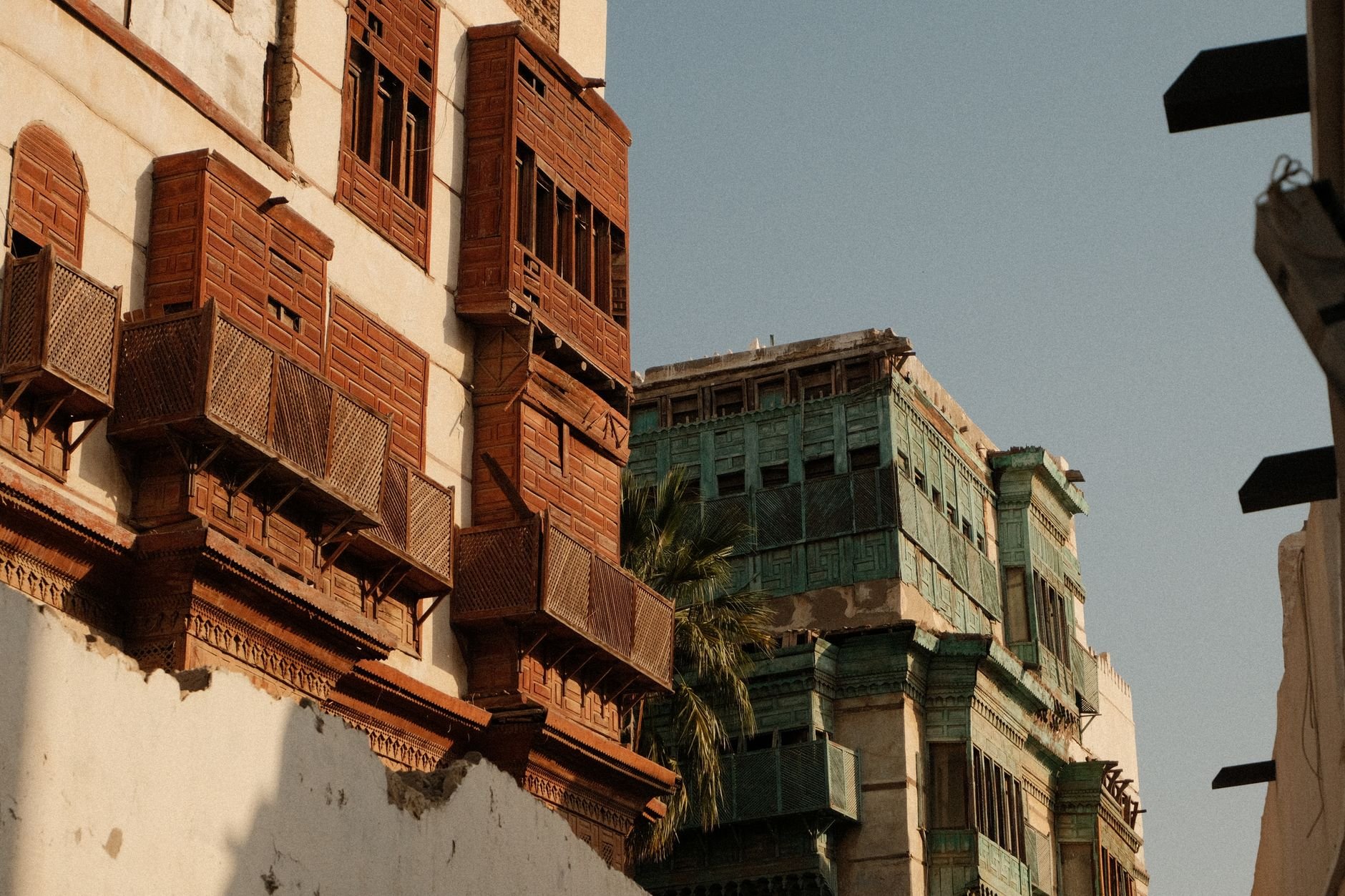
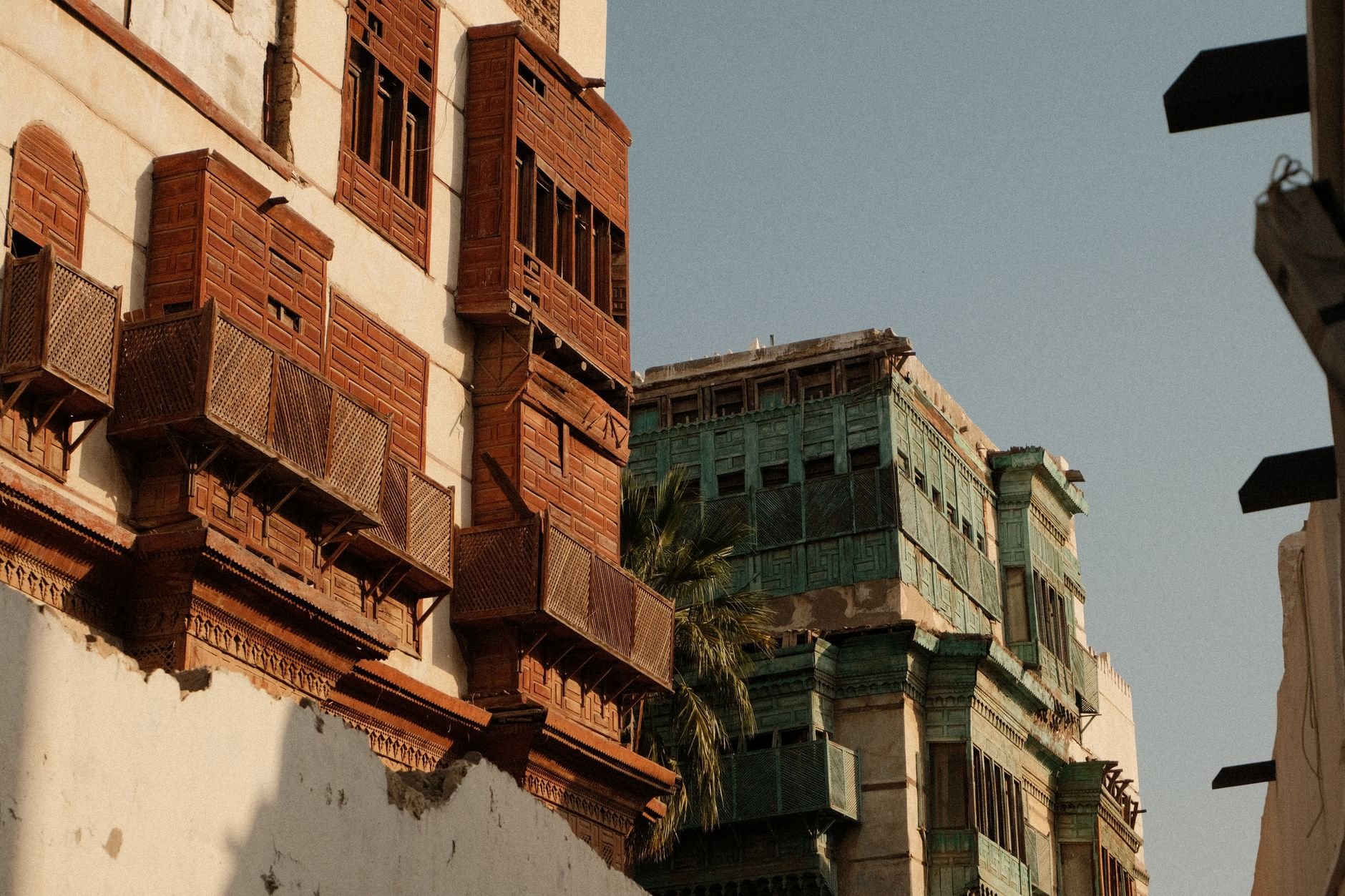
Al-Balad is the historic heart of Jeddah and a UNESCO World Heritage Site. For centuries it was the gateway for pilgrims arriving by sea on their way to Makkah, and that mix of African, Yemeni, Hejazi and Indian influence still flavours everything — from the towering wooden roshan window screens to the spices piled high in the market.
Unlike a polished mall, Al-Balad is lived-in and layered. You'll walk past restored townhouses, working tailors, perfume sellers and bakeries all on the same lane. It's one of the few places in Saudi Arabia where you genuinely feel the old Hejaz — and it's completely walkable.
When to go and how to get there
Best time of day
Come in the evening. Aim to arrive after 4:30 to 5:00pm for cooler weather, lit-up buildings and the liveliest atmosphere. Most souks and shops follow a split pattern — roughly 9am to 12pm, then 4:30pm to 11pm — with closures around prayer times and variations from one business to the next. If you want the old spice-and-produce market in full swing, Bab Makkah market opens early, commonly around 7am.
Parking and getting around
Al-Balad is pedestrian-first, so don't try to drive into the densest lanes. Park in one of the paid lots on the edges of the district and walk in. A Careem or Uber to a drop-off point near Bab Makkah or the main entrances is the easiest option, especially on busy weekend nights. Wear comfortable shoes — the alleys are uneven and best explored slowly.
There's no verified 2026 requirement to book through Absher, Nafath or Tawakkalna for ordinary access to the district — you can simply turn up and wander.
What to see in Al-Balad
Nassif House and the coral-stone townhouses
The signature sight is Nassif House (Bayt Nassif), a grand multi-storey merchant mansion famous for its sweeping staircase (wide enough, the story goes, for a camel to climb) and its carved balconies. Visitor information for the house is inconsistent — reported opening hours cover both morning and evening periods, and some listings show free admission while others charge a small fee. It's worth confirming the hours locally on the day before you build your plan around it.
Beyond Nassif House, simply look up. The tall coral-stone homes with their latticed wooden roshan screens are the real stars, especially when floodlit at night. Several historic houses and small museums are open to visitors, typically charging around SAR 20–40 for entry, with hours and prices varying by site.
The souks and lanes
The souks are where Al-Balad comes alive. Expect narrow lanes packed with:
- Spices and incense — oud, frankincense and towers of saffron and cardamom.
- Fabric and tailors — bolts of cloth and ready-made thobes and abayas.
- Gold and jewellery — the gold souk glittering under bright lights.
- Perfume and antiques — attar oils, old coffee pots and trinkets.
Haggling is normal and expected, so smile, ask the price and work from there.
Bab Makkah and the old gates
Bab Makkah is one of the surviving old city gates and a natural starting point. The nearby Bab Makkah market is an early-morning affair selling spices, herbs, traditional goods and food — the best place to see locals doing their real shopping away from the tourist flow.
What to eat in Al-Balad
Food is half the reason to come. The district delivers everything from a one-riyal piece of bread to a full seafood spread.
Breakfast like a local
- Foul and tamees — a hearty fava-bean breakfast with fresh bread, typically around SAR 12–20 including tea.
- Tamees bread — pillowy, tandoor-baked rounds at roughly SAR 1 per piece.
Street snacks and mains
- Mutabbaq — a stuffed, pan-fried pastry (meat, egg or sweet), typically around SAR 10–15.
- Balila — spiced chickpeas served in a cup, usually SAR 5–15.
- Sobia or fresh juice — a cold, spiced drink or a fresh fruit juice, typically SAR 5–10.
- Kabsa or mandi — a full rice-and-meat platter, typically around SAR 30–70.
Seafood and traditional dishes
Jeddah is a Red Sea city, so seafood is a must. A traditional seafood meal usually runs about SAR 60–80. For a classic spot, Albasali serves traditional seafood in Historic Jeddah, with a typical budget of around SAR 40–80 per person.
During Ramadan the food scene shifts into overdrive. The Bastat Al-Balad market is free to enter, and in Ramadan 2026 its food stalls ran all the way from 5pm to 3am — perfect for late-night bites after Taraweeh.
A perfect Al-Balad walking route
If you only have one evening, follow this loop:
- Start at Bab Makkah — soak up the gate and the early market energy.
- Dive into the Al-Balad souks — spices, gold and fabric lanes.
- Reach the Nassif House area — the landmark coral-stone mansions.
- Wander through the Al-Sham district — northern lanes and restored facades.
- Continue into the Al-Yemen district — the southern quarter with its own character.
- Finish at the evening food stalls — foul, mutabbaq and juice to close the night.
The core route takes a relaxed two to three hours with photo and food stops. If you'd rather have a guide fill in the history, organised heritage walking tours typically cost around SAR 80–250 per person for roughly two hours.
Costs at a glance
- District access — free to walk the public streets.
- Historic houses and museums — typically around SAR 20–40
- Guided heritage walking tour — typically around SAR 80–250
- Local breakfast — around SAR 12–20.
- Street snacks — SAR 1 to SAR 15.
- Seafood or rice platter meal — around SAR 30–80.
Insider tips for first-timers
- Bring small cash. Many stalls prefer cash, and you'll want small notes for street food and haggling.
- Go on a weekday evening if you want to avoid the biggest crowds; weekends and Ramadan nights are busiest.
- Dress modestly and comfortably — you're in a living heritage neighbourhood.
- Plan around prayer times, when many shops briefly close.
- Leave room for food — grazing across several stalls beats one big sit-down meal.
Planning the rest of your trip? Browse more Jeddah guides and city articles on Saudi Living, and check what's on across the Kingdom in our events listings.
FAQs
Is there an entrance fee for Historic Jeddah (Al-Balad)?
No. The public streets and open areas of Al-Balad have no general entrance fee, and access is generally available throughout the day. Individual historic houses and museums may charge around SAR 20–40.
What's the best time to visit Al-Balad?
Evening is best. Arrive after 4:30 to 5:00pm for cooler weather, lively souks and illuminated heritage buildings. The early-morning Bab Makkah market, opening around 7am, is a great alternative for seeing local life.
Do I need to book anything through Absher or Tawakkalna?
No verified 2026 requirement was identified to book through Absher, Nafath or Tawakkalna for ordinary access to the district. You can simply arrive and explore on foot.
How do I get around Al-Balad?
It's pedestrian-first. Take a Careem or Uber to a drop-off point near one of the main entrances, or park in a paid lot on the edge of the district and walk into the lanes. Wear comfortable shoes for the uneven alleys.
What should I eat in Al-Balad?
Start with foul and tamees (around SAR 12–20), try mutabbaq (SAR 10–15) and balila (SAR 5–15), then finish with fresh seafood (around SAR 60–80) and a cold sobia or juice (SAR 5–10).
Is Al-Balad good to visit during Ramadan?
Yes. The atmosphere is at its best, and markets like Bastat Al-Balad run late into the night — its food stalls operated from 5pm to 3am in Ramadan 2026.
Stay updated with the latest news, events, sports updates, business insights, real estate and lifestyle stories on Saudi Living — the leading online platform for residents, expats, and visitors in Saudi Arabia.
Follow Saudi Living for daily updates:
- Instagram - @saudiliving
- X - @saudiliving
- Facebook - @saudiliving
- YouTube - @saudiliving
Up Next

Hiking Trails Near Riyadh: October Weather & Safety
Hiking trails near Riyadh in October: weather, safety tips, typical costs and guided routes like Edge of the World and Al-Manjour.
Oct 15,2026
Cultural Attractions & Landmarks in Tabuk Guide
Discover Tabuk's top cultural attractions: the Archaeological Castle, Al-Tawbah Mosque, Hejaz Railway, Tayma, Al-Bad' and more in this practical guide.
Oct 15,2026
Weekend Trips from Ar Rass: Top Qassim Getaways
Discover the best weekend trips in and around Ar Rass, Qassim — heritage forts, mountains, parks, festivals, resorts and dining. A practical local guide.
Oct 15,2026
Cultural Attractions & Landmarks in Buraidah
Discover Buraidah's top cultural attractions: historical museums, the famous date and camel markets, parks, and more in the heart of Qassim.
Oct 15,2026Related Stories
Cheap Eats in Jeddah: Meals Under SAR 30
Oct 28,2026


Don't Miss Similar Listings
Be the first to know when new stories on this topic are published.


