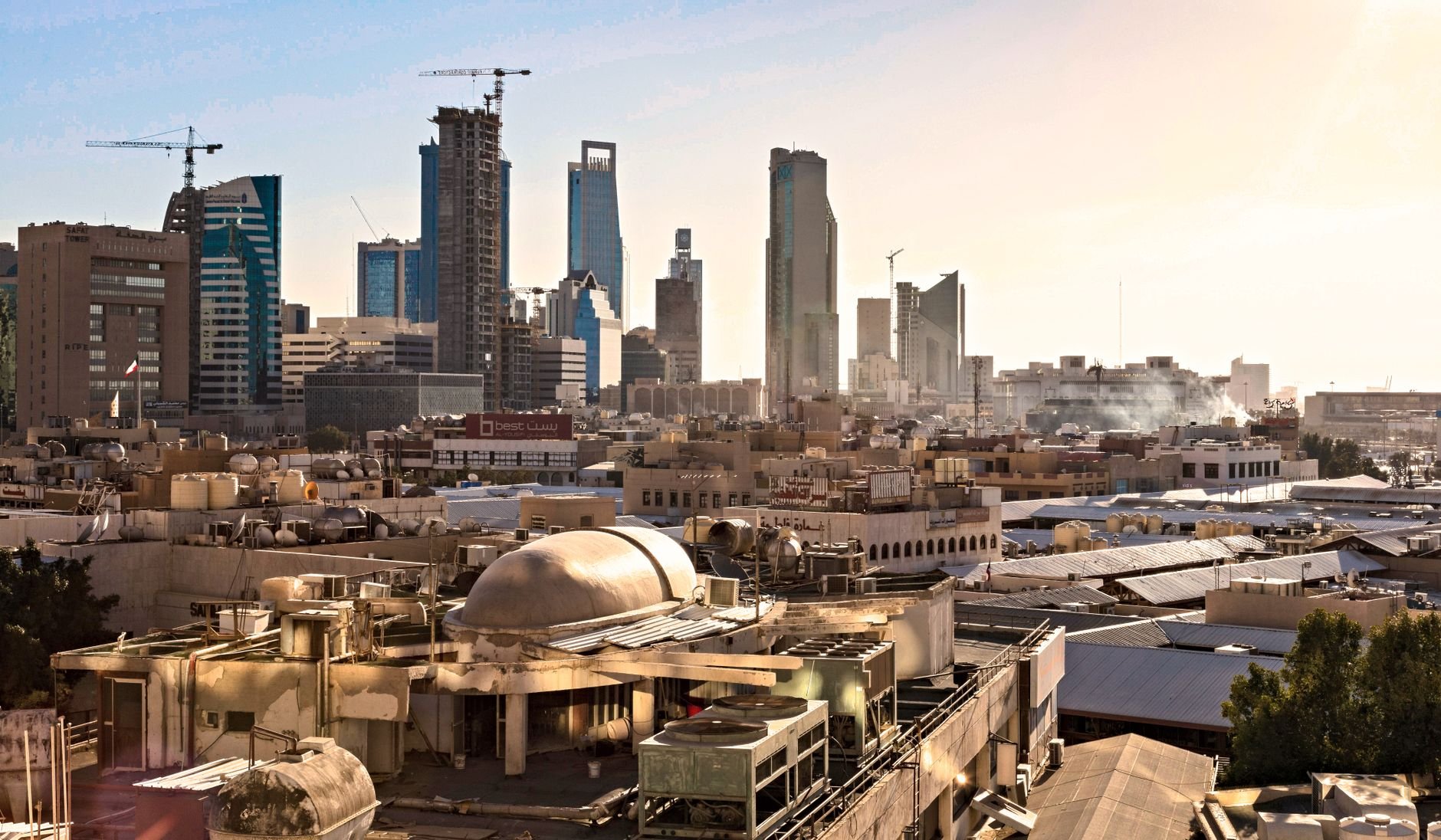
How to Find Jobs in Saudi Arabia as an Expat: Guide

Last updated: 1 June 2026 · By the Saudi Living editorial team
Here's the short answer to how to find jobs in Saudi Arabia as an expat: land a written offer from a licensed Saudi employer first, let that employer sponsor your work visa through Qiwa, complete an approved medical and your paperwork, then travel — with your work permit and Iqama sorted after you land. Everything else is detail. This step-by-step guide walks you through the full journey, from your first job search to your first day on the ground in Riyadh or Jeddah.
The short version: how the expat job journey works
Unlike a tourist visa, you can't simply arrive and start applying in person — a Saudi employer must sponsor you. In practice, the sequence almost always runs the same way:
- Find and win the job — apply, interview remotely, receive an offer.
- Sign an authenticated employment contract — before any visa is issued.
- Your employer applies for the work visa via Qiwa — you don't do this part yourself.
- Sort your documents and medical — this is your side to prepare.
- Enter the Kingdom, then get your work permit and Iqama — handled by your employer after arrival.
Keep that map in mind and the whole process stops feeling mysterious.
Step 1 — Find the right vacancies
Vacancies for expats come from several channels, and the most successful applicants work more than one at a time.
Where to search
- Company career pages — large employers, hospitals, universities, banks and energy firms post directly. Applying at the source is often the cleanest route.
- Professional networks — a well-kept LinkedIn profile, plus recruiters who specialise in the Gulf, still land a huge share of white-collar roles.
- Licensed recruitment agencies in Riyadh and Jeddah — useful for healthcare, engineering, hospitality and teaching. Confirm the agency is licensed, and never pay for a "guaranteed" placement.
- Government employment services — the Ministry of Human Resources and Social Development runs official employment platforms worth checking.
- Community classifieds — browse the latest jobs in Riyadh and across Saudi Arabia on Saudi Living, where employers post roles aimed squarely at residents and newcomers.
Tailoring your CV for the Saudi market
Keep your CV to two clean pages, lead with your attested qualifications, and state your nationality, notice period and whether you already hold a valid Iqama or need sponsorship. Employers move faster on candidates whose paperwork looks ready to go.
Step 2 — Get a written offer and contract
Nothing official happens until you have a written job offer and a signed employment contract from a Saudi employer. This is the anchor for the entire visa process. Read the contract carefully: job title, gross and net salary in SAR, housing and transport allowances, annual leave, end-of-service benefits and the notice period should all be spelled out.
Your contract usually needs to be authenticated. Once it's signed, your employer can begin the sponsorship steps — don't board a plane on a verbal promise.
Step 3 — The work-visa process (Qiwa)
Here's the part many candidates worry about, but it's the employer's job, not yours. Your employer applies through Qiwa for the employment visa and the recruitment authorisation. Qiwa supports permanent work visas, temporary work visas, and temporary Hajj and Umrah work visas, so the right category depends on your role.
The authorisation is then processed through the Ministry of Foreign Affairs visa platform. Some work-visa services list an official processing time of roughly 1–3 business days, though additional checks can extend that. Once approved, you'll collect your entry visa to travel.
Later, once you're inside the Kingdom, you'll use Qiwa yourself to review your employment contract, employment status, work-permit information and certain job-transfer services. It becomes your personal window into your employment record.
Step 4 — Prepare your documents and medical
Get your side ready early to avoid delays. Typically you'll need:
- A passport valid for at least 6 months.
- A signed and authenticated employment contract.
- A certified degree or technical qualification where the role requires it.
- A recent medical report.
- A police-clearance certificate where required.
- Passport-style photographs.
- Saudi health insurance.
You must also complete the required medical examination through an approved medical centre before your visa is issued. This screening is standard for expat workers, so book it as soon as your employer confirms the visa stage.
Step 5 — After you arrive: work permit and Iqama
Landing at King Khalid International Airport in Riyadh or King Abdulaziz International Airport in Jeddah is the start of the on-ground phase — most of which your employer handles.
- Work permit — your employer must issue your work permit within the first 90 days after arrival. The work-permit issuance or renewal service fee is SAR 100, and permits are free during your first 3 months in the Kingdom, after which they're renewed periodically.
- Residence permit (Iqama) — your employer completes residence-permit procedures through government systems such as Absher Business or Muqeem once you're inside Saudi Arabia.
- Identity verification — you'll rely on Nafath for secure login when accessing eligible government services.
Once your Iqama is issued, you're a legal resident — able to open a bank account, get a SIM from STC, Mobily or Zain, and use everyday apps like Careem and HungerStation.
Costs: who pays for what
Good news for candidates: under Saudi labour rules, the employer generally bears the employment-related recruitment, residence-permit, work-permit and renewal costs. You shouldn't be footing the bill for your own sponsorship.
Be aware that exact visa, medical, authentication, insurance and residence-related charges vary by nationality, profession, employer and application route — there's no single universal total in SAR. If a recruiter quotes you a large "all-in" fee to pay yourself, treat it as a red flag.
Avoiding scams and staying legal
Two rules protect you more than anything else:
- Verify before you pay. Never pay an individual recruiter for a promised Saudi job without confirming the employer, the contract, the visa authorisation and the recruitment licence.
- Work only for your authorised employer. Don't begin work for a different employer without completing the applicable legal transfer or temporary-work procedure. Ajeer permits may cover certain temporary arrangements, and both the main expatriate and any accompanying person must hold valid residence permits where applicable.
Getting these basics right keeps your status clean and your record spotless — which makes future renewals and job transfers far smoother.
FAQs
Can I move to Saudi Arabia and then look for a job?
The reliable route is to secure the job first. A Saudi employer must sponsor your work visa through Qiwa, so most expats interview remotely, sign a contract, and travel on a work visa rather than job-hunting on arrival.
How long does the Saudi work visa take?
Some work-visa services list an official processing time of about 1–3 business days after the employer's application, though extra checks, document authentication and medicals can extend the overall timeline to several weeks.
Who pays for my work visa and Iqama?
Your employer generally bears the recruitment, residence-permit, work-permit and renewal costs under Saudi labour rules. The work-permit issuance or renewal fee is SAR 100, and permits are free during your first three months.
What documents do I need before travelling?
Prepare a passport valid for at least six months, a signed and authenticated employment contract, a certified qualification where required, a recent medical report, a police-clearance certificate where required, photographs and Saudi health insurance.
Do I have to do a medical test?
Yes. You must complete the required medical examination through an approved medical centre before your visa is issued.
Can I change employers once I'm in Saudi Arabia?
Only through the correct legal process. You shouldn't work for a different employer without completing the applicable transfer or temporary-work procedure, which you can track through Qiwa.
Ready to start? Browse the latest jobs in Riyadh on Saudi Living and line up your offer before you plan the move.
Stay updated with the latest news, events, sports updates, business insights, real estate and lifestyle stories on Saudi Living — the leading online platform for residents, expats, and visitors in Saudi Arabia.
Follow Saudi Living for daily updates:
- Instagram - @saudiliving
- X - @saudiliving
- Facebook - @saudiliving
- YouTube - @saudiliving
Up Next

Saudi Car Insurance: Comprehensive vs Third-Party
Saudi car insurance explained: comprehensive vs third-party coverage, what's mandatory, costs, and how to link your policy in Absher before renewal.
Sep 30,2026
VAT Registration Thresholds for Saudi Firms in 2026
Saudi VAT registration stays mandatory above SAR 375,000 and voluntary at SAR 187,500 in 2026, with free registration and clear VAT-group rules.
Sep 29,2026
SAR 30M Capital Rule for 100% Foreign Retail Firms
Full foreign ownership of wholesale, retail, and e-commerce in Saudi Arabia requires SAR 30M capital, presence in three markets, and multi-year investment.
Sep 29,2026
Set Up a Company in Saudi Arabia: Fees and Steps
Full guide to forming a company via the Saudi Business Center platform, including fees, steps, and beneficial-owner disclosure. LLC total SAR 1,955 with VAT.
Sep 29,2026Related Stories





Don't Miss Similar Listings
Be the first to know when new stories on this topic are published.