Inspect Before You Buy: Used Appliances & Furniture KSA
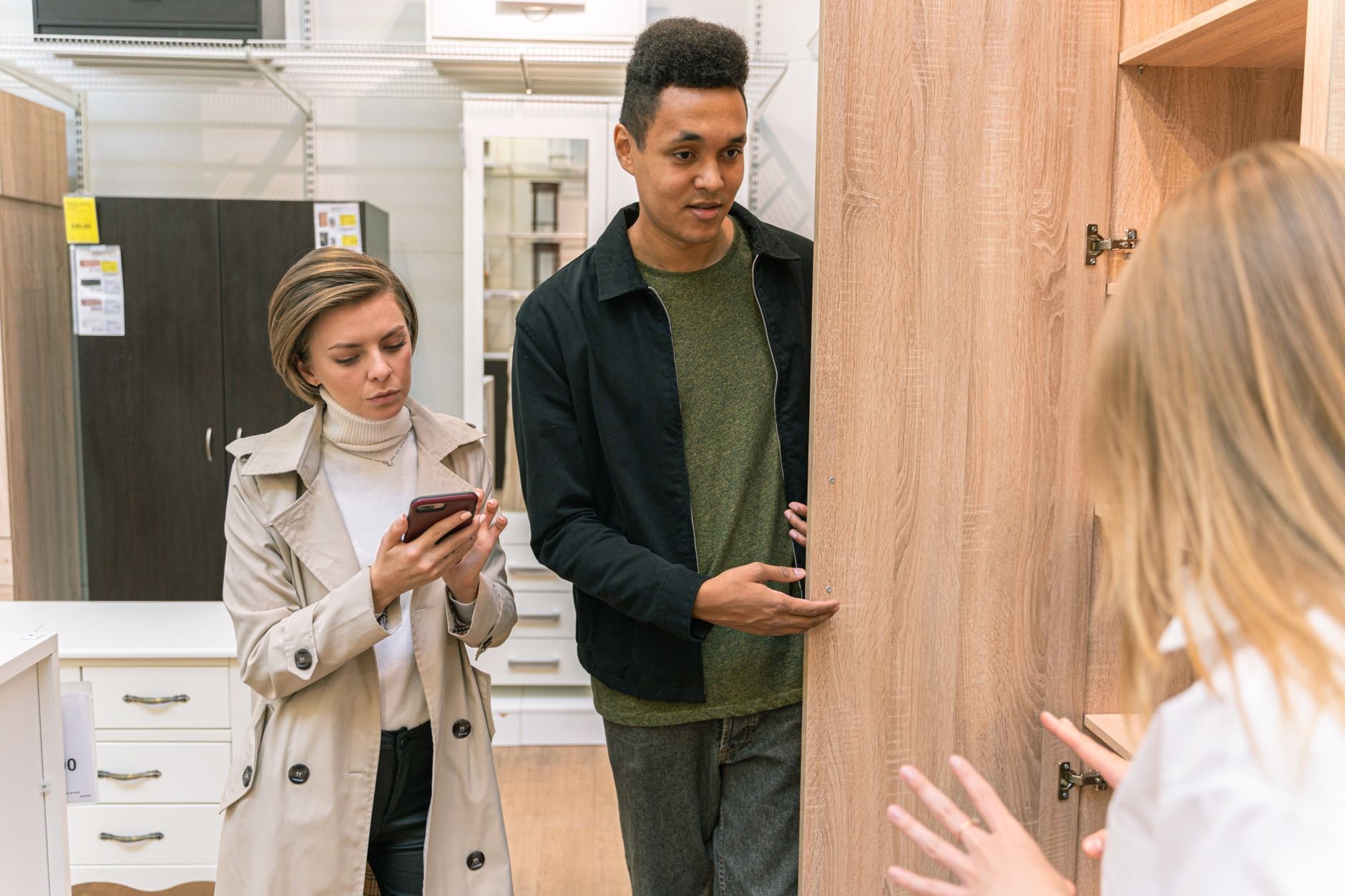
Before you hand over a single riyal for a used fridge, sofa, washing machine or bed in Saudi Arabia, do one thing: inspect it properly and document everything. That single habit saves more money and frustration than any haggling trick. This guide — Inspect Before You Buy: your checklist for used appliances and furniture in KSA — walks you through exactly what to test, what to photograph, how to pay safely and what your rights are, whether you're buying from a shop in Riyadh, a villa clearance in Jeddah, or a private seller on the classifieds.
The used market here is huge and genuinely good value, especially for expats furnishing a flat fast or residents upgrading before a move. But a used appliance or sofa is only a bargain if it actually works and fits your home. Here's how to make sure it does.
The quick version: what to check before you pay
If you remember nothing else, remember these five:
- Test it live — plug it in, run it, and watch it work before any money changes hands.
- Photograph everything — the item, serial number, condition, accessories and any defects.
- Confirm it fits — voltage, plug type, dimensions, capacity and the gas or electrical needs of your property.
- Verify the seller — for high-value items, record the seller's Saudi ID or Iqama details and confirm they own the item.
- Get it in writing — an Arabic invoice or signed receipt showing the item, price, date, condition and "used" status.
Why inspecting matters in the used market
There is no official nationwide inspection fee and no fixed Saudi price for privately sold used appliances or furniture — the price is whatever you and the seller agree. That freedom cuts both ways. You can negotiate a great deal, but you also carry the responsibility to check the goods yourself. A compressor near the end of its life, a washing machine that leaks on spin, or a sofa hiding bedbugs will cost you far more than you saved.
Good news for admin-weary buyers: no government procedure is required simply to buy used household goods. You don't need Absher, Muqeem, Qiwa, Najiz, Nafath, Balady or Tawakkalna to buy a used fridge or bed. Those platforms matter for your Iqama, employment and residency — not for a second-hand sofa.
The universal pre-purchase checklist
Test everything that moves, heats or cools
Never accept "it works, trust me." Insist on a live test before you pay. Depending on the item, check:
- Cooling and heating — does it reach temperature in a reasonable time?
- Washing, spinning and drainage — run a short cycle where you can.
- Doors, seals, hinges and lights — do they open, close, latch and seal properly?
- Controls, plugs and cables — all buttons responsive, no frayed or taped wiring.
- Leaks, rust, cracks, odours, pests and unusual noise — any of these is a red flag or a bargaining chip.
Photograph and document the item
Take clear photos of the item, its serial number, overall condition, included accessories, any meter readings and every defect. These photos protect you if the seller later swaps the item, denies a fault, or disputes what was promised at delivery.
Check it fits your home
Measure before you buy. Confirm the voltage, plug type, dimensions, capacity and gas or electrical requirements match your property. A wide American-style fridge that won't fit through your kitchen door, or an oven needing a connection you don't have, is a return headache you can avoid with a tape measure.
Appliance-by-appliance checklist
Refrigerators and air conditioners
These are the two items most worth a professional eye, because the expensive faults are invisible. Have a qualified technician check cooling performance, compressor condition, gas leakage, electrical safety and the likely cost of any repair. A unit that "cools a bit" today may need a new compressor tomorrow, which can wipe out your saving entirely. In a Riyadh or Jeddah summer, a weak AC is not a minor fault.
Washing machines and dishwashers
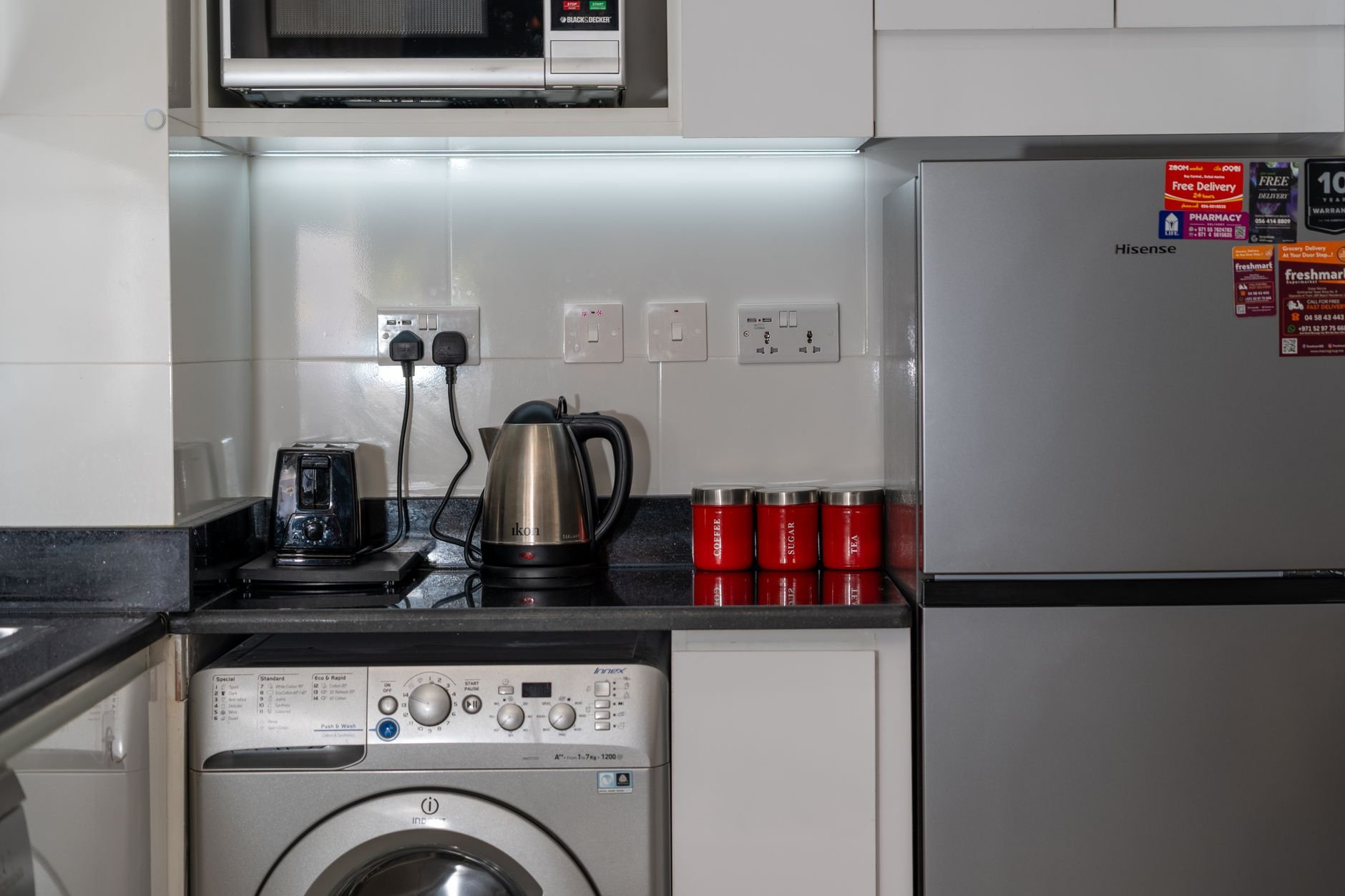
Where you can, run a complete cycle and watch for water intake, heating, drainage, excessive vibration and leaks. A machine that walks across the floor or pools water underneath has a problem you shouldn't inherit. Check the drum, seals and filter too.
Gas appliances
Be strict here. Don't use a gas cooker, hob or heater until the hoses, regulators, valves, ventilation and leakage safety have been professionally checked. A cheap gas appliance is never worth a safety risk in your home.
Furniture inspection checklist
Furniture faults are usually visible if you look properly. For sofas, beds, wardrobes and tables, check:
- Frame stability and joints — push, lean and wobble-test it.
- Drawers and hinges — do they open and close smoothly, fully and squarely?
- Upholstery, stains, mould and smoke odour — inspect in daylight and sniff the cushions.
- Bedbugs — check seams, corners and underneath, especially on mattresses and fabric sofas.
- Structural damage and exact dimensions — measure doorways and the room before buying anything large.
Fabric sofas and mattresses carry the highest hygiene risk; when in doubt on a mattress, walk away. Browse furniture and appliance listings on Saudi Living — and because our classifieds let you message sellers directly, ask the right questions (does the AC still cool? any leaks? can I test it?) before you travel across the city to view.
Paperwork, payment and seller identity
Protect the money side as carefully as the item itself:
- Confirm the seller owns the item — and for a high-value transaction, record their Saudi ID or Iqama details.
- Get an Arabic invoice or signed receipt — showing the item, condition, price, date, seller, buyer and that the item is "used."
- Put promises in writing — any agreed repairs, included accessories, delivery, installation and return terms.
- Don't pay a deposit until the item, seller identity, delivery terms and refund conditions are documented.
- Use a traceable payment method and keep the receipt, messages, photos, warranty and any repair records.
When buying from a business, also request the Arabic warranty and technical specifications where they apply.
Your warranty and consumer rights
Your rights differ depending on who you buy from — this is the part most buyers miss. Consumer protection rules in the Kingdom, overseen by the Ministry of Commerce, treat business sales and private sales very differently.
Buying from a business: For second-hand goods sold by a business, the legal warranty can be agreed for a shorter period than the standard two years, but it cannot be less than one year. The business stays responsible for a warranty breach, and your remedies can include repair, replacement, exchange or a refund at no charge.
Buying from a private person: Private person-to-person sales don't automatically carry the same commercial warranty protections. Your protection is the written contract and your own inspection before payment — so the checklist above matters even more here.
If something goes wrong
For a defective item bought from a business, first request a repair, replacement or refund in writing. Keep every message and receipt. If the business doesn't resolve it, you can report an unresolved commercial complaint through the Ministry of Commerce's 1900 channel or its official complaint service.
For a private sale that goes wrong, your documentation and written contract are your main leverage — another reason to never skip the photos, receipt and seller details.
FAQs
Do I need any government app or procedure to buy used appliances?
No. No Saudi government fee or procedure through Absher, Muqeem, Qiwa, Najiz, Nafath, Balady, Tawakkalna or Etimad is required merely to buy used household appliances or furniture.
Is there a fixed price or official inspection fee for used items?
No. There is no official nationwide inspection fee and no fixed Saudi price for privately sold used appliances or furniture. The price is whatever you and the seller agree, so inspect carefully and negotiate.
What should I test before paying for a used appliance?
Plug it in and run it. Check cooling, heating, washing, spinning and drainage; doors, seals and lights; controls, plugs and cables; and look for leaks, rust, cracks, odours, pests and unusual noise.
Do used goods come with a warranty in Saudi Arabia?
From a business, yes — the legal warranty on second-hand goods can be shorter than two years but not less than one year, with remedies like repair, replacement, exchange or refund. Private sales don't automatically carry this, so rely on a written contract and inspection.
How do I avoid a scam when buying second-hand?
Confirm the seller owns the item, record their ID for high-value deals, inspect in person, photograph everything, get an Arabic receipt, and use a traceable payment method. Never pay a deposit before the terms are documented.
Who do I contact if a shop sells me a faulty appliance?
Request repair, replacement or refund in writing first. If it's unresolved, report the complaint through the Ministry of Commerce's 1900 channel or its official complaint service.
Inspect before you buy, document as you go, and you'll get the most out of Saudi Arabia's excellent used market without the nasty surprises. When you're ready to shop, browse furniture and appliance listings on Saudi Living, message sellers your inspection questions upfront, and only travel to view once you're happy with the answers.
Stay updated with the latest news, events, sports updates, business insights, real estate and lifestyle stories on Saudi Living — the leading online platform for residents, expats, and visitors in Saudi Arabia.
Follow Saudi Living for daily updates:
- Instagram - @saudiliving
- X - @saudiliving
- Facebook - @saudiliving
- YouTube - @saudiliving
Up Next

Shopping Malls & Markets in Al Majma'ah Guide
Discover shopping malls and traditional markets in Al Majma'ah — from Karam Mall to the local souq, Othaim, and budget stores. Practical resident tips inside.
Nov 11,2026
Best Parks & Green Spaces in Al Kharj Guide
Discover the best parks, green spaces, zoo, and natural spots in Al Kharj for families, walks, and picnics — fees, hours, and practical tips.
Nov 11,2026
Shopping Malls & Markets in Sakaka: A Local Guide
Your practical guide to shopping in Sakaka, Al Jawf: the main malls, supermarkets, produce and dates markets, plus opening hours and handy tips.
Nov 11,2026
Getting Around Al Qurayyat: Transport Options Guide
Your practical guide to getting around Al Qurayyat: ride-hailing apps, taxis, airport transfers, and intercity travel from Gurayat Airport.
Nov 11,2026Related Stories






Don't Miss Similar Listings
Be the first to know when new stories on this topic are published.