Negotiating Prices at Saudi Used Item Markets: Tips

Yes, prices at Saudi used item markets are almost always negotiable — and the buyers who save the most are the ones who stay calm, do a little homework, and make one clear counteroffer instead of haggling endlessly. Whether you're browsing the stalls at Haraj Bin Qasim in Ar-Rimal or messaging a seller on an online listing, the same handful of tactics will consistently shave money off the asking price.
This guide walks you through exactly how negotiating prices at Saudi used item markets works in practice — from your opening offer to the final handshake — with realistic examples grounded in Riyadh and Jeddah.
The quick answer: how bargaining really works
There's no fixed "discount rate" here. How much a seller will move depends on the item, its condition and how keen they are to sell. That said, the culture is friendly and haggling is expected — walking away without at least trying leaves money on the table.
The winning approach is simple: know the going rate before you offer, open with a respectful figure below the asking price, ask for the seller's final price, then make one confident counteroffer. Be ready to walk if it doesn't work — that's often when the real price appears.
Where you'll be negotiating
Haraj markets in Riyadh and beyond
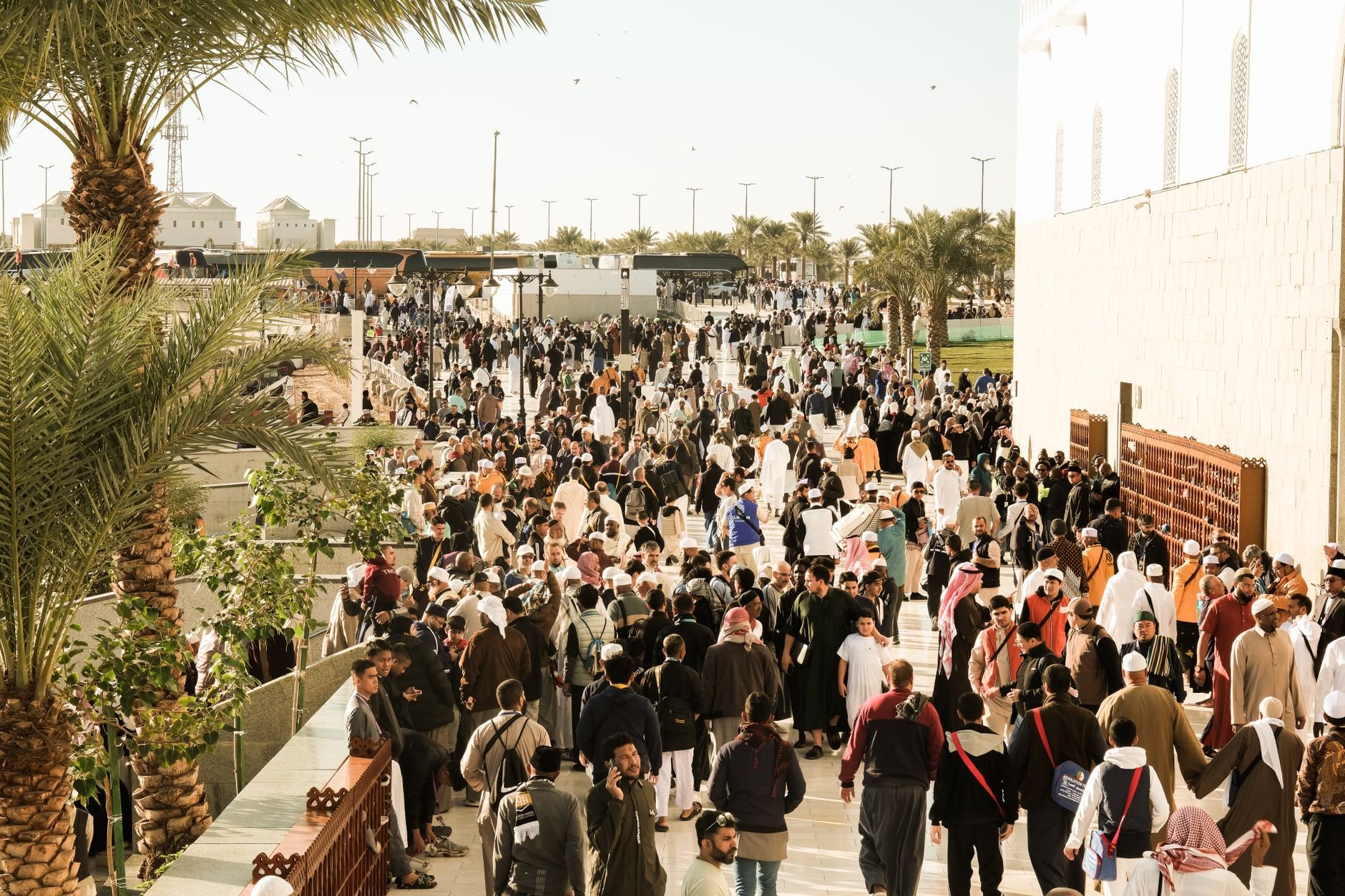
Haraj markets are Saudi Arabia's traditional secondhand hubs, selling used furniture, home appliances, electronics, clothing and general odds and ends — all at negotiable prices. In Riyadh, Haraj Bin Qasim in the Al-Sahel Valley area of Ar-Rimal is one of the best-known and busiest, and bargaining there is completely standard.
At a physical souk you have a big advantage: you can inspect the item in person, compare several stalls within a few minutes' walk, and read the seller's body language. Use that. Prices for the same fridge or sofa can differ meaningfully from one stall to the next.
Online classifieds and marketplaces
Plenty of used-item trade now happens online, where you negotiate over chat before meeting. The tactics are similar, but you lean more on photos and questions. Always ask for extra photos, the reason for selling and any repair history before you commit to a viewing. When you spot a listing worth pursuing, browse the Saudi Living classifieds first to compare similar items and gauge a fair market price.
Before you negotiate: do your homework
The single biggest edge in any negotiation is knowing what the item is really worth. Spend ten minutes before you make an offer:
- Compare several stalls or listings — check what the same or a similar item sells for elsewhere so your offer isn't guesswork.
- Check what it costs new — a used item priced at 90% of retail has almost no room, while one at 40% may already be fair.
- Note the condition honestly — scratches, missing accessories and age all justify a lower offer.
- Set your walk-away number — decide the most you'll pay before you start, and stick to it.
Do a little browsing first, even at the market itself. Wandering past a few stalls to gauge the going rate is a classic move — you learn the range before anyone knows you're serious.
The step-by-step negotiation playbook
Open respectfully, not insultingly
Start below the asking price, but keep it reasonable. If a sofa is listed at SAR 800 and similar ones go for around SAR 500 to 600, opening at SAR 450 leaves room to settle in the fair zone. Lowballing at SAR 150 usually just ends the conversation. A polite greeting and a bit of small talk go a long way — hospitality and friendliness genuinely soften the price in Saudi markets.
Ask for the final price, then counter once
A powerful move is to ask the seller directly for their "best" or "final" price ("akher se'ir"). This gets them to move first. Once they give it, respond with one clear counteroffer rather than a drawn-out back-and-forth. Confident, single counters land better than nibbling away SAR 10 at a time.
Bundle to unlock a better total
If you're furnishing a flat or buying several items, bundle them. Offering to take the sofa, the coffee table and the TV stand together gives the seller a reason to drop the total — shifting three items at once is worth more to them than holding out on one. Bundling is one of the most reliable ways to get a genuine discount.
Two more levers that work well:
- Cash in hand — showing you're ready to pay immediately motivates a tired seller at the end of the day.
- Point out real flaws politely — a small dent or a missing remote is a fair, factual reason to ask for less, not a personal criticism.
Inspect before you agree
Never finalise a price until you've properly checked the item. This protects both your wallet and your safety. Before agreeing, verify:
- Condition — test that appliances power on and run; check furniture for structural damage.
- Authenticity — for electronics and branded goods, confirm the item is genuine and not counterfeit.
- Age and usage — ask how old it is and how heavily it's been used.
- Included accessories — chargers, remotes, original cables, keys, manuals.
- Repair history — has it been fixed before, and what was replaced?
Buying used electronics carries extra risk of counterfeits, so slow down and inspect carefully — insist on seeing the device powered on and working fully before any money changes hands.
Handle delivery, loading and returns separately
Here's where many buyers get caught: the agreed price is usually for the item only. Delivery, loading heavy furniture, installation and any return arrangement are all separate — and none of these costs are standardised in Saudi Arabia. Sort them out clearly before you shake hands:
- Delivery — will the seller deliver, and at what cost, or do you arrange your own transport?
- Loading and unloading — heavy items like wardrobes or fridges may need extra hands or a small fee.
- Installation — for AC units, washing machines or beds, confirm who fits them.
- Returns — used sales are often final; ask up front whether any return or short warranty applies.
Factor these into your walk-away number. A "cheap" sofa can lose its appeal once you add SAR 150 for a pickup truck.
Common mistakes to avoid
- Showing too much excitement — obvious eagerness weakens your position, so keep it cool.
- Opening far too low — an insulting first offer often ends the deal before it starts.
- Skipping the inspection — never pay for something you haven't tested.
- Forgetting the extras — always price in delivery and loading before you commit.
- Not being ready to walk — your willingness to leave is your strongest card.
FAQs
Is it rude to negotiate at Saudi used item markets?
Not at all — bargaining is expected at Haraj markets and on used-item listings across Saudi Arabia. A friendly, respectful negotiation is completely normal. What's frowned upon is an aggressive or insultingly low opening offer.
How much lower than the asking price should I offer?
There's no fixed percentage — discounts vary by seller and item. A safe approach is to open with a reasonable figure below what comparable items are selling for, then settle somewhere in the fair middle. Compare a few stalls or listings first so your offer is informed.
Is delivery included in the agreed price?
Usually not. Delivery, loading, installation and returns are separate and not standardised in Saudi Arabia, so agree on them clearly before you finalise the deal.
Where is a good place to buy used items in Riyadh?
Haraj Bin Qasim in the Al-Sahel Valley area of Ar-Rimal is one of Riyadh's best-known used-goods markets, selling furniture, appliances, electronics and more at negotiable prices. Online classifieds are a strong option too.
Can I get a government service to help set a fair used price?
No. Platforms like Absher, Muqeem, Qiwa, Najiz, Nafath, Balady and Tawakkalna don't offer any service for negotiating private used-item prices — pricing is entirely between you and the seller.
What's the best single tactic for saving money?
Bundling several items into one deal, combined with staying ready to walk away. Together they give the seller a clear reason to lower the total while keeping you in control of the price.
Stay updated with the latest news, events, sports updates, business insights, real estate and lifestyle stories on Saudi Living — the leading online platform for residents, expats, and visitors in Saudi Arabia.
Follow Saudi Living for daily updates:
- Instagram - @saudiliving
- X - @saudiliving
- Facebook - @saudiliving
- YouTube - @saudiliving
Up Next

Outdoor Activities Near AlUla: A Complete Guide
Discover the best outdoor activities near AlUla, from Hegra tours and ziplining to desert safaris, with prices and booking tips.
Sep 24,2026
Best Areas to Rent in Qatif: Prices & Guide
A practical guide to the best areas to rent in Qatif with typical rents, contract steps via Ejar, deposits, and fees.
Sep 24,2026
Top Things to Do in Taif: A Local Guide
From rose farms and the Al Hada cable car to Shubra Palace and Taif Zoo, here's your practical guide to the best things to do in Taif.
Sep 24,2026
Staying Safe in the Saudi Summer Heat: A Guide
A practical guide to surviving Saudi summer heat: prevention tips, spotting heat exhaustion and heatstroke, and the emergency numbers you need.
Sep 24,2026Related Stories





Don't Miss Similar Listings
Be the first to know when new stories on this topic are published.