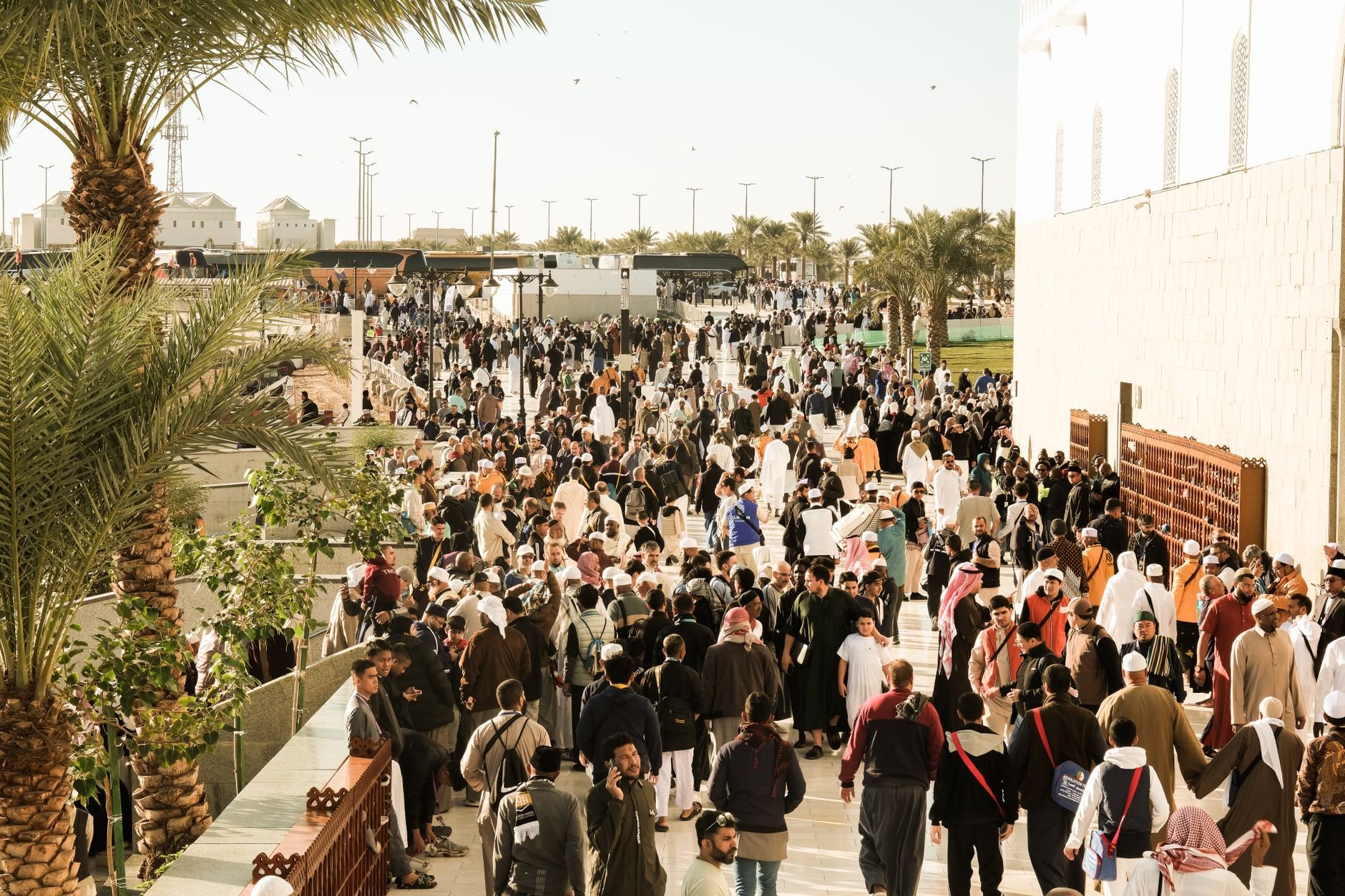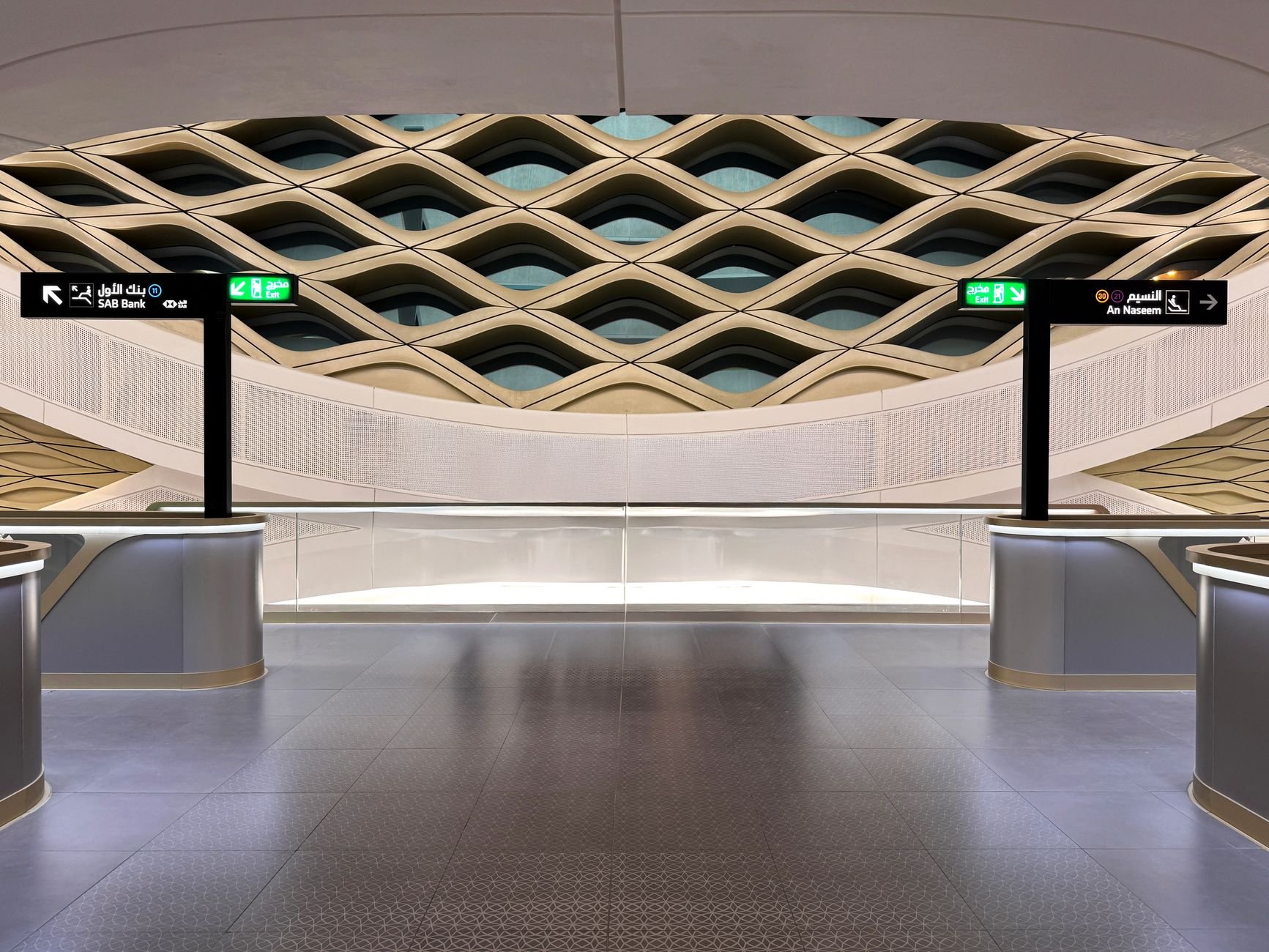
The Riyadh Metro has transformed the way people move around the Saudi capital, offering a fast, air-conditioned and affordable alternative to sitting in traffic. Whether you are a new resident, a daily commuter or simply exploring the city, understanding the network's lines, fare system and passes will help you travel smart and save money. In this guide from سعودي ليفنج, we break down everything you need to know to ride with confidence.
The six lines at a glance
The network spans 176 km and includes 83 stations across six colour-coded lines, making it one of the most extensive driverless metro systems in the region. Each line is identified by a colour, which makes navigating maps and signage straightforward:
- Line 1 – Blue: a key north–south spine through the heart of the city.
- Line 2 – Red: running along an important east–west corridor.
- Line 3 – Orange: the longest line, connecting the east and west of the city.
- Line 4 – Yellow: serving major destinations including business and airport-linked areas.
- Line 5 – Green: connecting central districts and government zones.
- Line 6 – Purple: linking additional key neighbourhoods across the capital.
Interchange stations let you switch between lines easily, so you can plan routes that combine two or more colours to reach almost any part of the city.
How fares work
One of the most important things to understand is that fares are time-based, not distance-based. This means you pay for a window of time rather than the number of kilometres you travel. Your ticket also covers the connected Darb bus network, so you can combine metro and bus rides within the same valid period at no extra cost.
The system runs on the Darb fare platform, which is used to pay, load passes and validate your journeys as you enter and exit.
Standard and first-class fares
There are two travel classes: standard and first class. First class offers a more comfortable carriage at a higher price. Current fare options are:
- 2-hour ticket: SAR 4 standard / SAR 10 first class
- 3-day pass: SAR 20 standard / SAR 50 first class
- 7-day pass: SAR 40 standard / SAR 100 first class
- 30-day pass: SAR 140 standard / SAR 350 first class
The 2-hour ticket is the basic option for a single trip or for linked rides taken within that two-hour window, so short journeys and quick transfers are well covered.
Annual and student passes from 2026
For regular commuters, longer-term passes offer strong value and are applied from 1 January 2026:
- Annual standard pass: SAR 1,260
- Annual first-class pass: SAR 3,150
- Student pass: SAR 260, valid for 120 days or one academic term
If you use the metro daily, the annual pass can significantly reduce your monthly transport costs compared with buying individual tickets.
Free travel and family tips
Children aged 6 and under travel free, making the metro a budget-friendly option for families exploring the city. When travelling with young children, aim for off-peak hours for a more comfortable ride and use stations with lifts if you have a stroller.
Practical tips for a smooth ride
- Pick the right pass: occasional riders should stick to 2-hour tickets, while daily commuters save with weekly, monthly or annual passes.
- Keep your Darb balance topped up to avoid delays at the gate.
- Mind the clock on 2-hour tickets so linked trips finish within the valid window.
- Plan interchanges in advance using station colours and line maps to move efficiently between lines.
- Combine metro and Darb buses within the same fare period to reach areas beyond the stations.
As fares, timings and pass rules can be updated, always confirm the latest details through the official Riyadh public transport channels before you travel. With a little planning, the Riyadh Metro is one of the easiest and most affordable ways to get around the capital.
Stay updated with the latest news, events, sports updates, business insights, real estate and lifestyle stories on Saudi Living — the leading online platform for residents, expats, and visitors in Saudi Arabia.
Follow Saudi Living for daily updates:
- Instagram - @saudiliving
- X - @saudiliving
- Facebook - @saudiliving
- YouTube - @saudiliving
Up Next

Best Areas to Rent in Rabigh 2026 | Saudi Living
A practical guide to the best areas to rent in Rabigh in 2026, with typical apartment rents, neighborhood profiles, and tips for expats and residents.
Sep 7,2026
Getting Around Taif: Transport Options Guide
Your practical guide to getting around Taif: city buses, the Taif Bus app, taxis, and ride-hailing apps like Uber and Careem, with typical fares.
Sep 7,2026
Best Neighbourhoods to Live in Al Kharj (2025 Guide)
A practical guide to the best neighbourhoods in Al Kharj for families and professionals, with rent ranges, villa prices, and what each area offers.
Sep 7,2026
Saudi Public Holidays & Working Week Explained
Your practical guide to Saudi Arabia's Friday–Saturday weekend, 48-hour work week, Ramadan hours, and 2026 public holidays across all sectors.
Sep 7,2026Related Stories




Don't Miss Similar Listings
Be the first to know when new stories on this topic are published.