Salary Expectations by Job & Sector in Saudi Arabia 2026

Last updated: January 2026 · By the Saudi Living Careers Desk
Want the fast answer first? The average monthly salary in Saudi Arabia in 2026 sits at around SAR 11,000, with the median closer to SAR 10,641. But that headline hides a huge spread — entry-level roles can start near SAR 4,000/month, while senior specialists in oil, tech and medicine routinely clear SAR 75,000+/month. This guide breaks down realistic salary expectations by job title and sector in Saudi Arabia 2026, so whether you're negotiating an offer in Riyadh, moving to Jeddah, or benchmarking a promotion, you'll know what a fair number actually looks like.
What does the average salary look like in Saudi Arabia in 2026?
The national average is a handy anchor, but salaries in the Kingdom fan out dramatically by sector, seniority and whether the role sits inside a Saudi Vision 2030 priority industry. Here's the snapshot for 2026:
- Average monthly salary — around SAR 11,000
- Median monthly income — around SAR 10,641
- Low earners — roughly SAR 4,000/month
- High earners — SAR 75,000+/month, and far higher in C-suite and specialist medical roles
Remember that many packages here are worth much more than the base pay. A housing allowance (often around 25% of base), transport allowance, annual flights home, medical insurance and end-of-service gratuity can all add meaningfully to the real value of an offer — so always compare total packages, not just the monthly headline.
Minimum wage rules you should know
Saudi Arabia doesn't apply a single blanket minimum wage to everyone. The rules that matter in 2026:
- Saudi nationals in the private sector — SAR 4,000/month, which is also the threshold that counts a Saudi employee fully towards Saudization (Nitaqat).
- Public sector (all nationalities) — SAR 3,000/month.
- Expatriates in the private sector — no official statutory minimum; pay is set by the employment contract registered on Qiwa.
For expats, this makes the written contract everything. Confirm your salary, allowances and job title on your Qiwa contract before you sign, and make sure the title matches your Iqama profession — mismatches cause real headaches later when you renew or transfer sponsorship.
The highest-paying sectors in 2026
Broadly, the pay ladder from top to bottom in 2026 runs: Oil & Gas > Tech & Software > Banking & Finance > Consulting > Healthcare. Here's what professionals can realistically expect
Oil, Gas & Energy
Still the highest-paying arena in the Kingdom. Petroleum, process and HSE engineers, plus project directors, typically earn around SAR 25,000–80,000/month. Senior engineers and C-suite figures often land in the SAR 50,000–85,000 band, frequently with premium housing and schooling allowances on top.
Technology & Digital
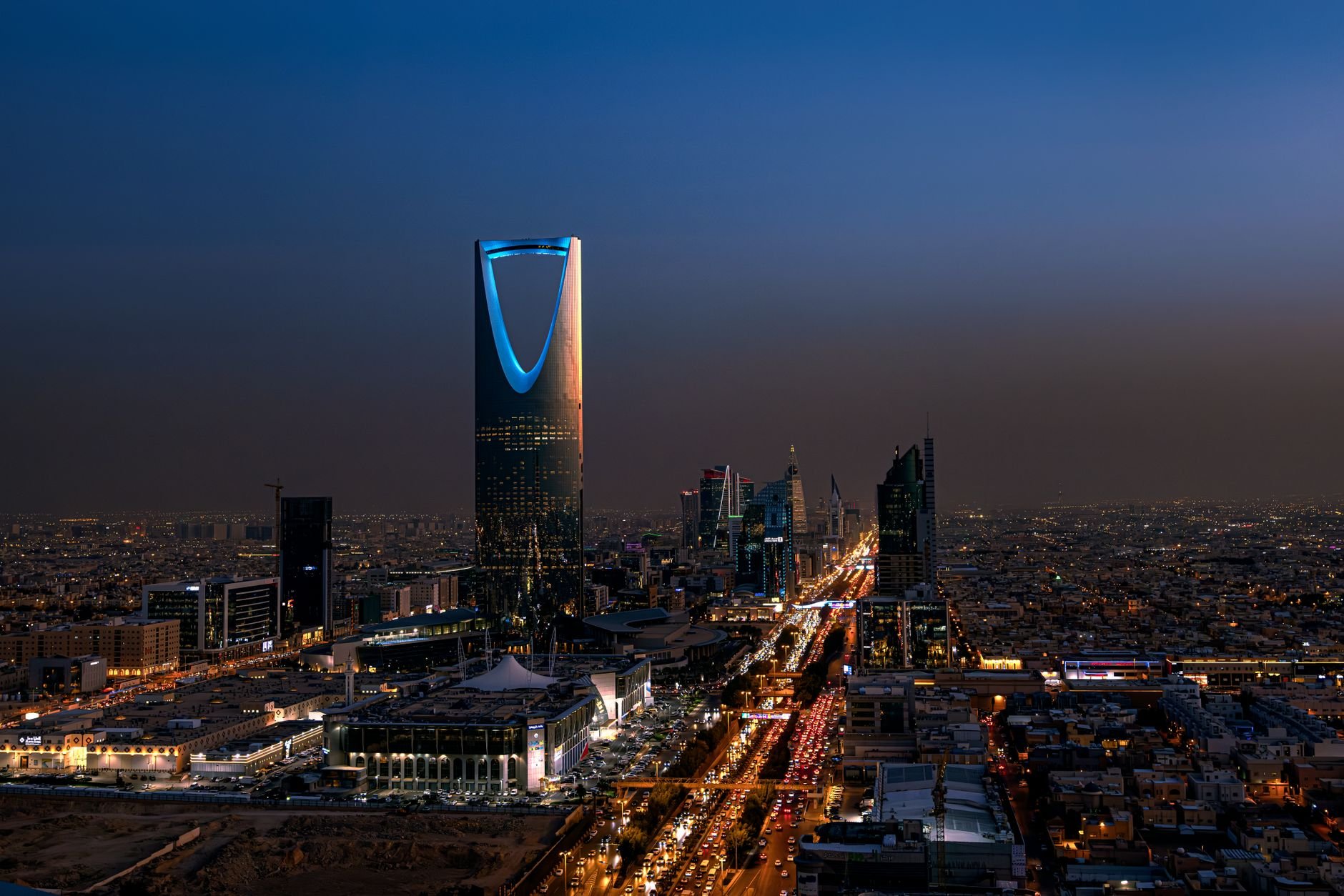
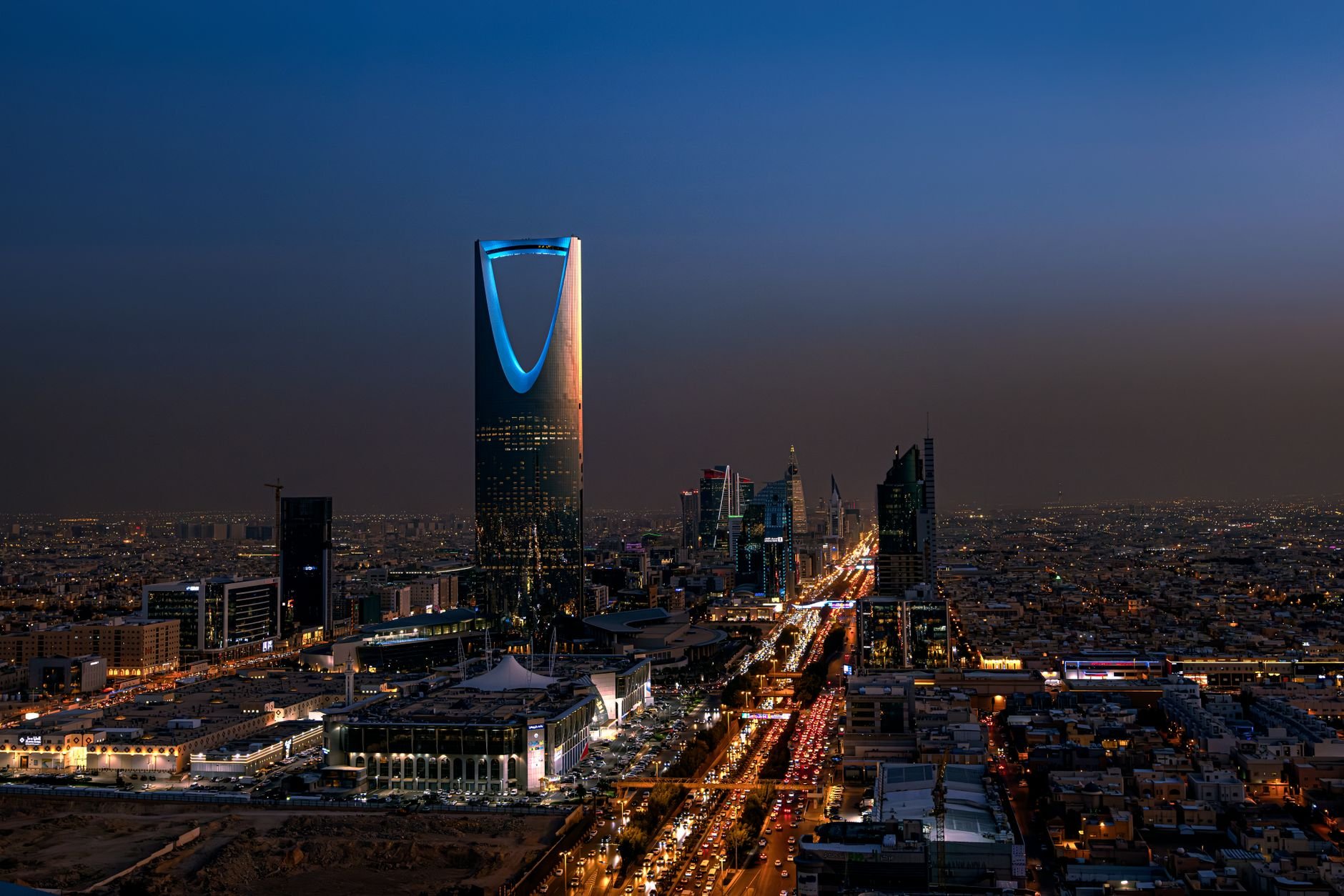
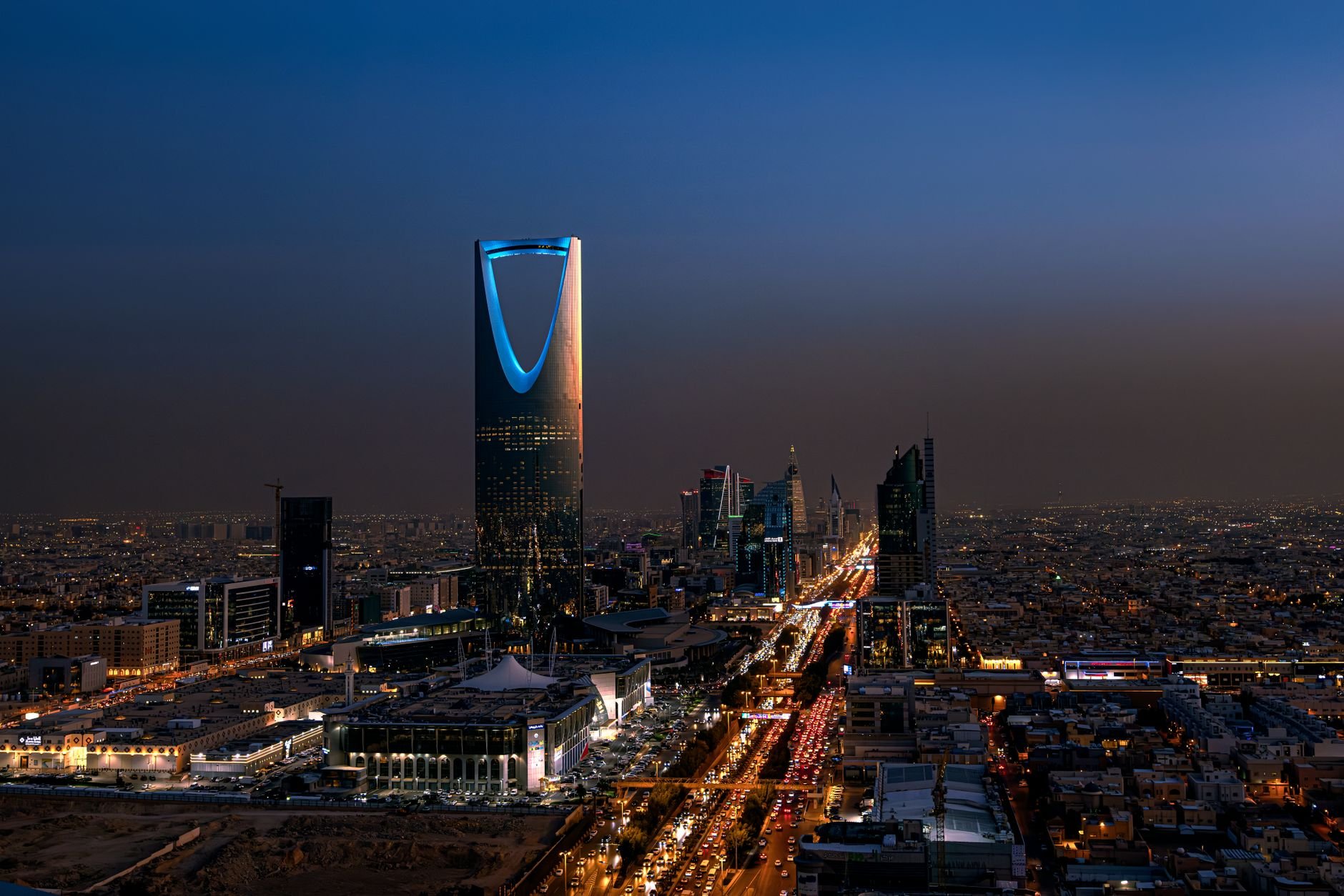
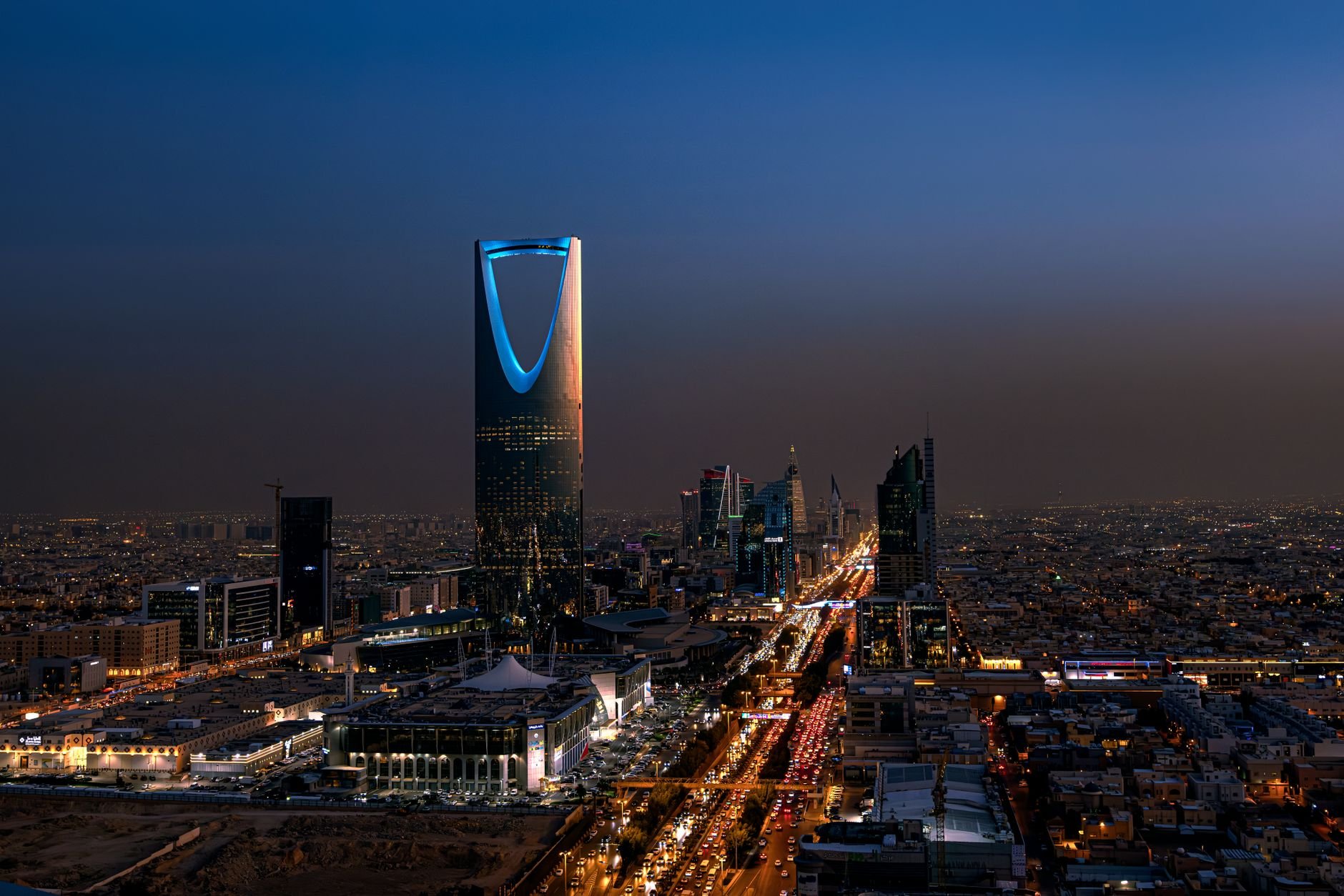
Tech is where Vision 2030 demand is fiercest. Software developers, data scientists, cybersecurity and cloud specialists generally earn around SAR 18,000–65,000/month. The hottest niches — AI engineers, cloud architects and cybersecurity specialists — cluster at SAR 35,000–65,000. Riyadh's King Abdullah Financial District and the wider tech scene are pulling salaries up fast.
Banking & Finance
Analysts, auditors, finance managers and CFOs span around SAR 15,000–85,000/month. Entry analysts sit at the lower end; a seasoned finance manager or CFO in a major Riyadh institution can reach the top of that range.
Healthcare
Healthcare has the widest spread of any sector: around SAR 7,000–90,000/month. A registered nurse typically earns SAR 7,000–14,000, while a consultant physician can reach or exceed SAR 90,000. Pharmacists, GPs and allied health professionals fall in between.
Construction & Mega-projects
With NEOM, Qiddiya, Diriyah and Red Sea projects in full swing, site and civil engineers, project managers and construction directors earn around SAR 12,000–75,000/month, scaling steeply with project seniority.
Education, Hospitality, Aviation & Defence
- Education — international school teachers and university lecturers: around SAR 12,000–30,000/month.
- Hospitality & Tourism — hotel managers, F&B directors, tourism planners: around SAR 12,000–35,000/month.
- Aviation & Defence — commercial pilots, aerospace engineers, defence consultants: around SAR 30,000–85,000/month.
Salary by job title and level
Sector averages are a start, but pay tracks seniority tightly. Here's how selected tech titles progress from entry to lead in 2026 (monthly SAR, entry → mid → senior → lead/head):
- Web Developer (Frontend/Backend) — SAR 8,000–12,000 → 13,000–20,000 → 21,000–30,000 → 31,000–45,000
- Mobile App Developer — SAR 9,000–13,000 → 14,000–22,000 → 23,000–33,000 → 34,000–48,000
- Data Engineer — SAR 10,000–15,000 → 16,000–25,000 → 26,000–38,000 → 39,000–55,000
How to read these bands
Where you land inside a band depends on more than years of experience. Employers in Riyadh weight in-demand skills (AI, cloud, cybersecurity), whether you already hold a valid Iqama and can transfer quickly via Qiwa, and how directly your work maps to a Vision 2030 objective. A candidate who can start immediately, without visa lead time, often negotiates a stronger number.
What actually moves your salary in Saudi Arabia
Beyond title and sector, these factors decide the final figure:
- Location — Riyadh and the Eastern Province (the energy hub) generally pay more than smaller cities.
- Nationality and package structure — expat packages often bundle housing, flights and schooling that inflate the total.
- Scarce skills — AI, cybersecurity, petroleum engineering and specialist medicine command premiums.
- Company type — semi-government giants and multinationals typically outpay small local firms.
- Saudization pressure — Saudi nationals in Nitaqat-sensitive roles can command a premium as employers compete to meet quotas.
How to benchmark your own offer
Before you accept anything, run this quick check:
- Find your sector band and your seniority band above, then take the overlap as your realistic range.
- Add up the full package — base plus housing, transport, flights, insurance and end-of-service — and compare that total, not the base alone.
- Confirm the salary and job title on your Qiwa contract before signing, and check it matches your Iqama profession.
- Cross-check live openings for your exact title on our Saudi Living jobs listings to see what employers are actually offering this quarter.
If you're weighing a move between employers, take a moment to understand how sponsorship transfer works on Qiwa before you commit — a higher salary isn't worth much if it comes with transfer friction that delays your start.
FAQs
What is the average salary in Saudi Arabia in 2026?
The average monthly salary is around SAR 11,000, with a median of roughly SAR 10,641. Actual pay varies hugely by sector and seniority — from about SAR 4,000/month for entry roles to SAR 75,000+ for senior specialists.
Which sector pays the most in Saudi Arabia?
Oil & Gas remains the highest-paying sector, followed by Tech & Software, Banking & Finance, Consulting and Healthcare. Senior roles in energy and specialist medicine can exceed SAR 85,000–90,000/month.
Is there a minimum wage for expats in Saudi Arabia?
No. There is no official statutory minimum wage for expatriates in the private sector — pay is set by the employment contract registered on Qiwa. Saudi nationals in the private sector have a SAR 4,000/month minimum.
How much do software developers earn in Riyadh?
Web developers typically earn around SAR 8,000–12,000/month at entry level, rising to SAR 21,000–30,000 at senior level and SAR 31,000–45,000 in lead roles. Specialist AI and cloud roles pay significantly more.
Do salaries include allowances?
Often, yes. Many packages add housing (frequently around 25% of base), transport, annual flights, medical insurance and end-of-service gratuity. Always compare the total package rather than the base salary alone.
How do I check if my salary offer is fair?
Match your sector band with your seniority band, total up the full package, confirm the figures on your Qiwa contract, and compare live openings for your job title on Saudi Living to see current market rates.
Ready to put these numbers to work? The market moves fast, so benchmark against what employers are hiring for right now — browse the latest jobs in Saudi Arabia on Saudi Living to find live openings for your title, compare offers, and negotiate with confidence.
Stay updated with the latest news, events, sports updates, business insights, real estate and lifestyle stories on Saudi Living — the leading online platform for residents, expats, and visitors in Saudi Arabia.
Follow Saudi Living for daily updates:
- Instagram - @saudiliving
- X - @saudiliving
- Facebook - @saudiliving
- YouTube - @saudiliving
Up Next
Saudi Premium Residency Fees & Rules for Investors 2026
A guide to Saudi Premium Residency in 2026: fees, investor and entrepreneur pathways, capital requirements and routes to permanent residency.
Jul 26,2026
MISA Foreign Investment Licence 2026: Types & Fees
Guide to MISA foreign investment licences in 2026: licence types, suspended fees, capital requirements, and the documents needed to apply in Saudi Arabia.
Jul 26,2026
Saudi Investment Law 2025: Equal Rights for Investors
Saudi Arabia's new Investment Law took effect in February 2025, granting foreign and local investors equal treatment and replacing licensing with MISA registration.
Jul 26,2026
How Foreign Firms Open a Corporate Bank Account in KSA
Foreign companies in Saudi Arabia must complete MISA licensing, CR, ZATCA TIN, and National Address before opening a corporate bank account. Here's the full checklist.
Jul 22,2026Related Stories




Don't Miss Similar Listings
Be the first to know when new stories on this topic are published.