
Saudi Job Market Recovery in 2026: Top Sectors Hiring
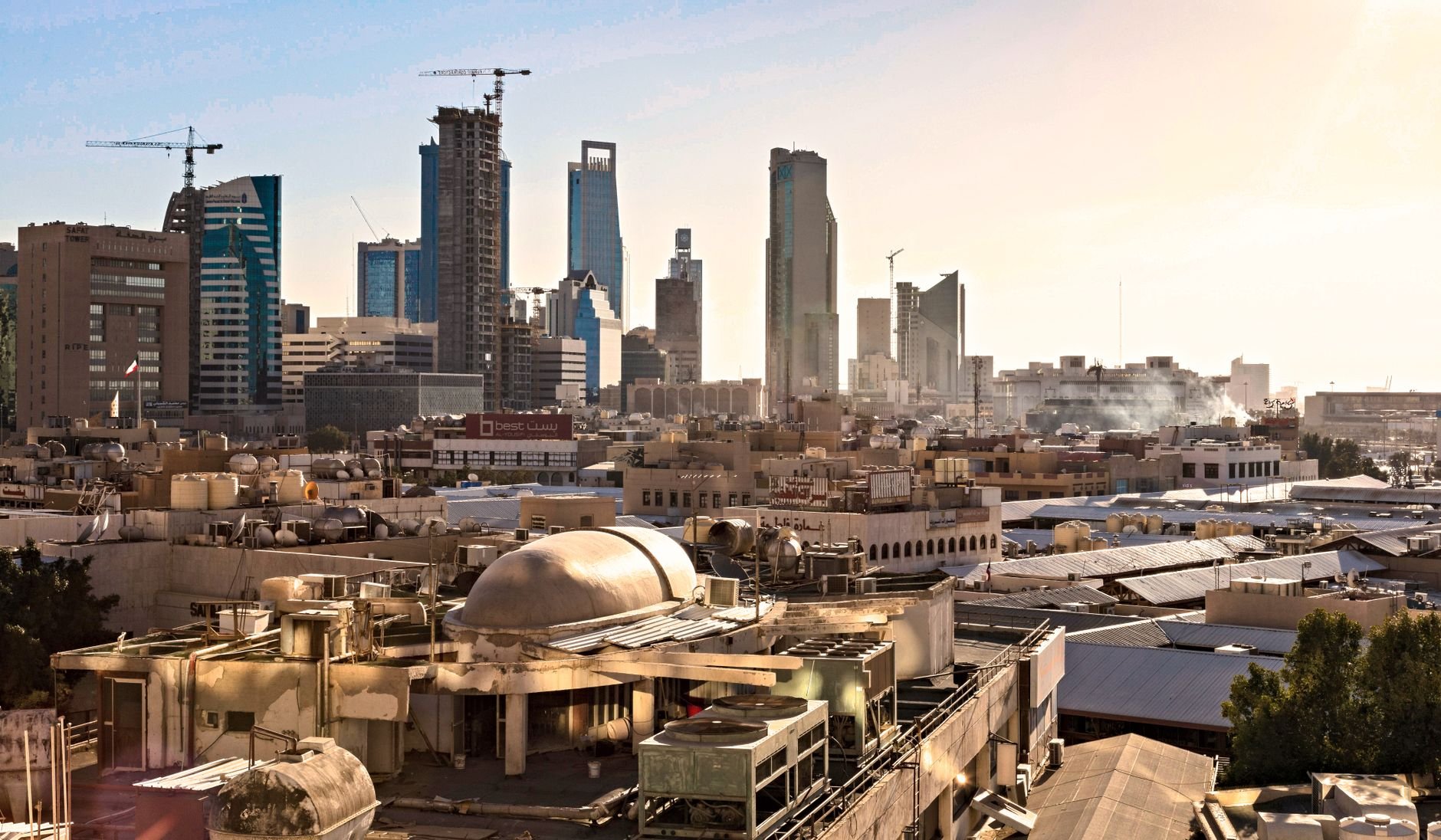
Job-hunting in the Kingdom right now? Here's the quick answer. The strongest hiring in the Saudi Arabia job market recovery in 2026 is concentrated in technology, construction and real estate, healthcare, finance, tourism and hospitality, logistics, manufacturing, renewable energy, aviation and engineering. Riyadh leads, followed by Jeddah and the Eastern Province cities of Dammam, Dhahran and Khobar.
The private sector now employs roughly 13.57 million workers as of early 2026, and the momentum isn't slowing. Below is a practical, sector-by-sector map of who's hiring, the roles in demand, what pay tends to look like, and the Saudization and permit changes you'll want to factor into your plans — whether you're a Saudi national or an expat.
Why the Saudi job market is expanding
This isn't one lucky quarter — the growth is structural. Saudi Vision 2030 megaprojects, a fast-diversifying economy, and heavy investment in tourism, entertainment and industry have kept demand for talent high. The largest annual employment increases in 2025 came in administrative and support services, information technology, education, and human health and social work.
Going into 2026, recruitment demand is strong across an unusually wide spread of sectors — a healthy sign for anyone entering the market or switching within it.
The sectors hiring most right now
Technology and AI
Tech is the clearest growth engine. Companies across banking, retail, government and startups are competing for the same shortlist of specialists: AI engineers, data scientists, cybersecurity specialists, software developers and cloud architects. If you have real skills in machine learning, cloud infrastructure or security, Riyadh is one of the most active hiring markets in the region.
Construction, real estate and engineering
The build-out of new districts, transport links and giga-projects keeps demand for civil and construction engineers, project managers and skilled trades consistently high. Real estate development and facilities management are hiring alongside construction as completed projects come online.
Healthcare
Hospitals and clinics across the Kingdom continue to recruit nurses, doctors and medical technicians. Human health and social work was one of the fastest-growing employment areas in 2025, and demand for qualified clinical staff — especially nurses — remains strong into 2026.
Finance, banking and fintech
Banking and finance are hiring across traditional and digital roles, with particular appetite for fintech developers who can build payments, lending and digital-banking products. Roles range from analysts and relationship managers to compliance and risk specialists.
Tourism, hospitality and aviation
With tourism a headline pillar of the economy, hotels, resorts and attractions are recruiting hotel-operations managers, front-of-house teams and specialists. Aviation is expanding in parallel, adding demand for engineering, operations and ground staff across the Kingdom's growing route network.
Logistics, manufacturing and renewable energy
Supply-chain managers, warehouse and operations leads, industrial-automation engineers and renewable-energy engineers are all in demand. Manufacturing and clean energy are strategic priorities, so expect these categories to keep hiring beyond 2026.
Where the jobs are: Riyadh, Jeddah and the Eastern Province
Location matters. The three main hiring hubs are:
- Riyadh — the capital and the busiest market for tech, finance, government-linked roles and headquarters functions. If you're targeting AI, cloud, banking or corporate roles, this is where the volume is. Browse the latest jobs in Riyadh on Saudi Living.
- Jeddah — strong in tourism, hospitality, trade, logistics and healthcare, with the port and airport driving supply-chain and aviation demand. Browse the latest jobs in Jeddah on Saudi Living.
- Eastern Province — Dammam, Dhahran and Khobar anchor energy, industrial, manufacturing and engineering hiring. Browse the latest jobs in the Eastern Province on Saudi Living.
The roles employers are chasing hardest
Across sectors, these are the profiles recruiters are actively short of:
- AI engineers, data scientists and cybersecurity specialists
- Software developers and cloud architects
- Civil and construction engineers
- Nurses and clinical staff
- Hotel-operations managers
- Renewable-energy engineers and industrial-automation engineers
- Fintech developers
- Supply-chain and procurement managers
What salaries look like
Pay varies widely by sector, seniority, employer and whether housing and transport allowances are bundled in, so it's hard to quote one figure that fits every role. As a rule of thumb, tech and engineering specialists and senior healthcare staff tend to sit at the higher end of the ranges, while entry-level and support roles start lower. What matters most is the full package: many Saudi contracts add housing (often around one to two months' salary annualised), transport and annual flights on top of base pay.
When you compare offers, weigh base salary, allowances, end-of-service benefits and whether medical cover is included for you and your family. Because ranges shift by role and company, the most reliable way to gauge current pay is to check live postings — browse real salaries in the Saudi Living jobs section and compare like for like.
Saudization and what it means for your job search
Saudization (Nitaqat) shapes who gets hired for what. A new three-year localization cycle is being rolled out in 2026, with profession-specific requirements affecting healthcare, engineering, accounting, procurement, marketing, sales and other occupations. More than 340,000 private-sector jobs are planned for localization across the 2026–2028 period.
For expats, the practical takeaway is simple: the strongest opportunities are in genuinely specialised roles where employers still need experienced international talent — think advanced tech, senior engineering, specialist clinical roles and niche financial expertise. Roles being localised will get harder to enter as an expat, so target sectors and job titles where demand outpaces the available local supply. Read our guide on Saudization and expat hiring before you apply.
New rules expats should know for 2026
A few procedural changes are worth planning around:
- Premium Residency work permit — from June 2026, Premium Residency holders need a dedicated work permit issued through Qiwa. The fee for this dedicated permit is SAR 100.
- Everything runs through Qiwa — employment contracts, work permits and localization compliance are all handled on the Qiwa platform. Make sure your contract and permit status are correctly recorded there.
- Localization checks — because profession-specific requirements are tightening, confirm with your employer that the role you're being offered is one they can legally fill with an expat under the current cycle.
Fees and sector-specific quotas can change, so verify current figures on Qiwa and with your employer before you accept an offer.
How to position yourself for the recovery
To ride the recovery rather than watch it, focus on the fundamentals:
- Pick a high-demand sector — tech, engineering, healthcare, finance, logistics and renewables are where the volume is.
- Sharpen a scarce skill — AI, cloud, cybersecurity, fintech and specialist clinical qualifications open the most doors.
- Target the right city — Riyadh for tech and finance, Jeddah for tourism and trade, the Eastern Province for energy and industry.
- Get your paperwork Qiwa-ready — a clean contract and correct permit status speed up onboarding.
- Apply where the listings are fresh — new roles appear daily across the main hubs.
FAQs
Which sectors are hiring the most in Saudi Arabia in 2026?
Technology, construction and real estate, healthcare, finance and banking, tourism and hospitality, logistics, manufacturing, renewable energy, aviation and engineering are all reporting strong recruitment demand in 2026.
Which city has the most job opportunities?
Riyadh leads for tech, finance and corporate roles, Jeddah is strong in tourism, trade and healthcare, and the Eastern Province (Dammam, Dhahran, Khobar) anchors energy and industrial hiring.
What are the most in-demand roles right now?
AI engineers, data scientists, cybersecurity specialists, software developers, cloud architects, civil and construction engineers, nurses, hotel-operations managers, renewable-energy engineers, fintech developers and supply-chain managers.
How does Saudization affect expats looking for work?
A new three-year localization cycle in 2026 tightens profession-specific requirements across healthcare, engineering, accounting, procurement, marketing and sales, with more than 340,000 private-sector jobs planned for localization by 2028. Expats have the best chances in specialised, high-skill roles where local supply is limited.
Do Premium Residency holders need a work permit?
Yes. From June 2026, Premium Residency holders require a dedicated work permit issued through Qiwa, with a fee of SAR 100.
Where can I find current job listings?
You can browse up-to-date roles across Riyadh, Jeddah and the Eastern Province in the Saudi Living jobs section, which is updated regularly with new openings across every sector covered above.
Ready to make your move? Explore the newest openings in the sectors above on the Saudi Living jobs hub.
Stay updated with the latest news, events, sports updates, business insights, real estate and lifestyle stories on Saudi Living — the leading online platform for residents, expats, and visitors in Saudi Arabia.
Follow Saudi Living for daily updates:
- Instagram - @saudiliving
- X - @saudiliving
- Facebook - @saudiliving
- YouTube - @saudiliving
Up Next

VAT Registration Rules for Businesses in Saudi Arabia
Saudi-resident businesses exceeding SAR 375,000 in annual taxable supplies must register for VAT within 30 days, with a SAR 0 government fee.
Sep 24,2026
Saudi Arabia's 20% Corporate Tax on Foreign Ownership
How Saudi Arabia's 20% corporate income tax applies to non-Saudi and non-GCC ownership shares, mixed ownership, and filing through ZATCA in 2026.
Sep 24,2026
Setting Up a Foreign-Owned Company in Saudi 2026
A step-by-step look at forming a foreign-owned company in Saudi Arabia in 2026: MISA licence, Commercial Registration, ZATCA, VAT, labor and municipal steps.
Sep 24,2026
How to Register a Car in Saudi Arabia: Expat Guide
How to register a car in Saudi Arabia: step-by-step guide for expats covering Iqama, Absher, insurance, inspection, fees and renewal in SAR.
Sep 24,2026Related Stories




Don't Miss Similar Listings
Be the first to know when new stories on this topic are published.


