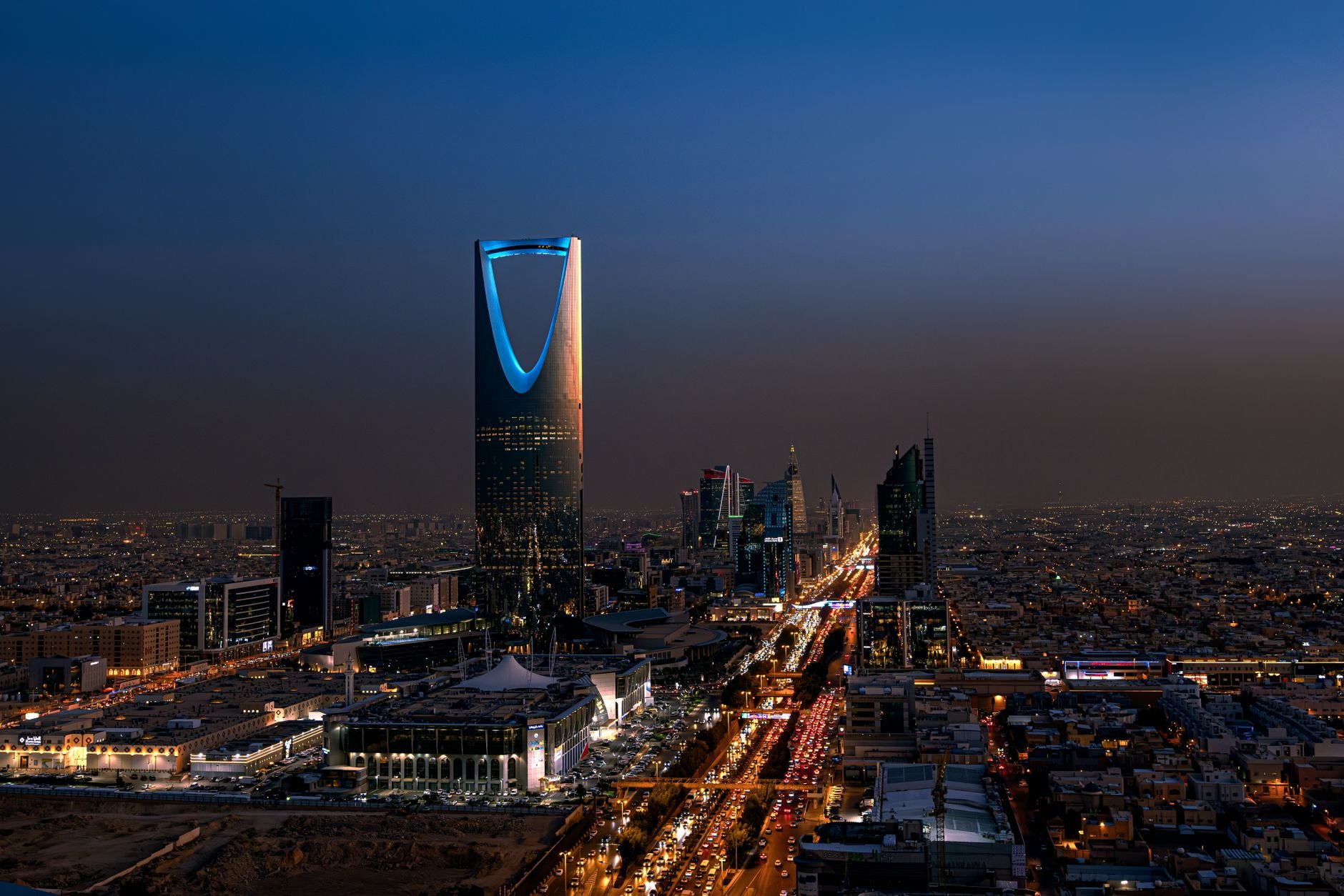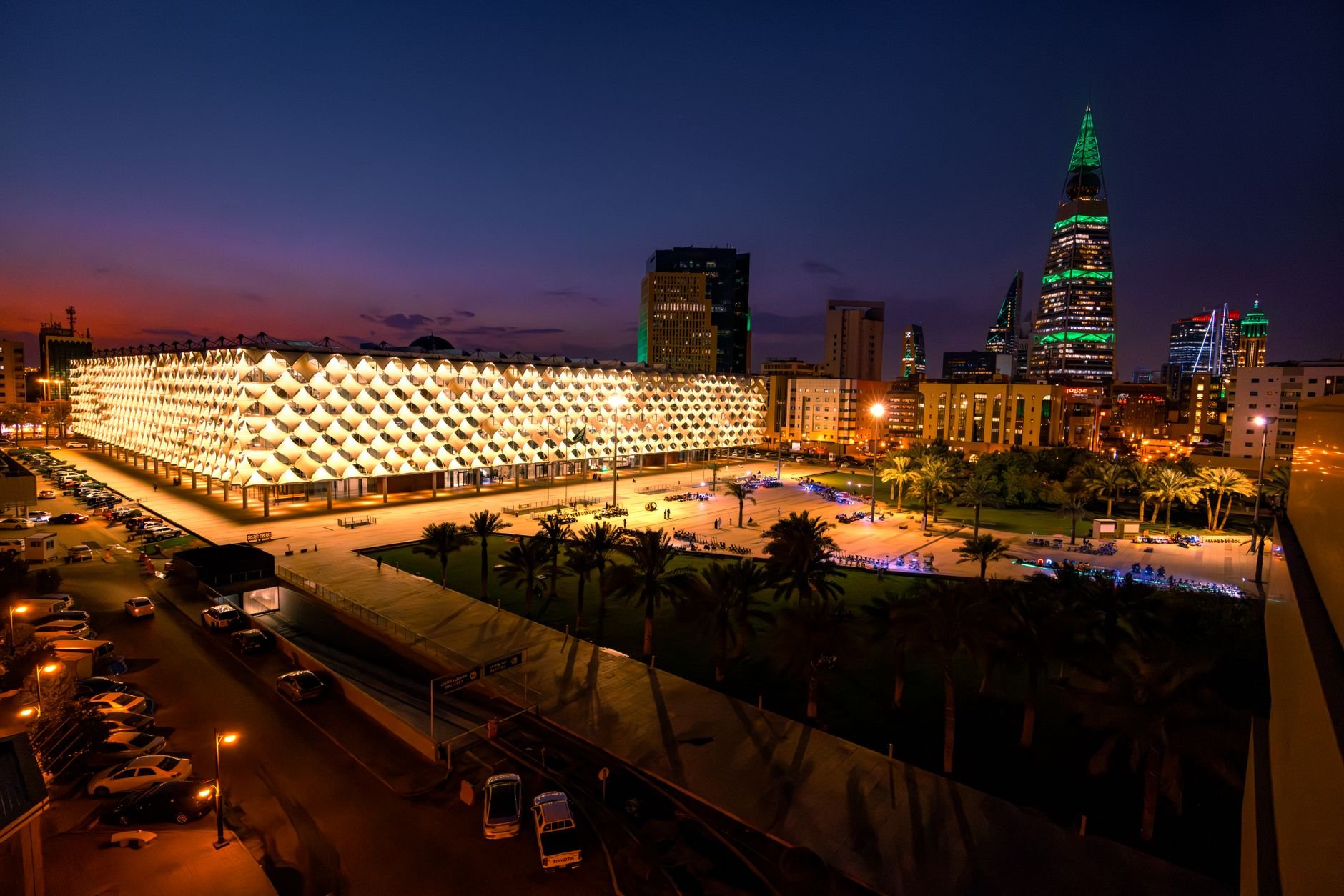
Saudi Arabia has unveiled its 2026 state budget, projecting total revenues of SAR 1.147 trillion and total expenditures of SAR 1.313 trillion, with real economic growth expected to reach 4.6 percent next year, driven mainly by non-oil activities.
The budget forecasts a fiscal deficit of about SAR 165–166 billion, equal to around 3.3 percent of GDP. Planned spending is slightly lower than the 2025 level, while revenues are expected to rise by roughly 5 to 5.2 percent compared with the current year.
Non-oil sectors are identified as the main engine of growth, with non-oil activity projected to expand by about 4.8 to 5 percent, providing most of the contribution to the 4.6 percent overall real GDP growth. Oil revenues for 2026 are estimated at around SAR 758 billion, while non-oil revenues are expected to account for roughly 41 percent of total revenues, up from about 40 percent in 2025.
Why it matters
The figures point to a continued push toward economic diversification, with the private sector and non-oil industries placed at the center of long-term growth and fiscal planning. For residents and businesses across the Kingdom, sustained non-oil expansion signals ongoing activity in sectors such as tourism, services, industry and technology.
The Kingdom's 2026 financing needs are estimated at SAR 217 billion, covering the projected deficit of about SAR 165 billion and roughly SAR 52 billion in debt principal repayments. The budget documents focus on macro-level fiscal and growth projections and do not introduce specific new fees, service validity periods or e-government transaction changes.
Stay updated with the latest news, events, sports updates, business insights, real estate and lifestyle stories on Saudi Living — the leading online platform for residents, expats, and visitors in Saudi Arabia.
Follow Saudi Living for daily updates:
- Instagram - @saudiliving
- X - @saudiliving
- Facebook - @saudiliving
- YouTube - @saudiliving