
University Admission in Saudi Arabia: A Starter Guide
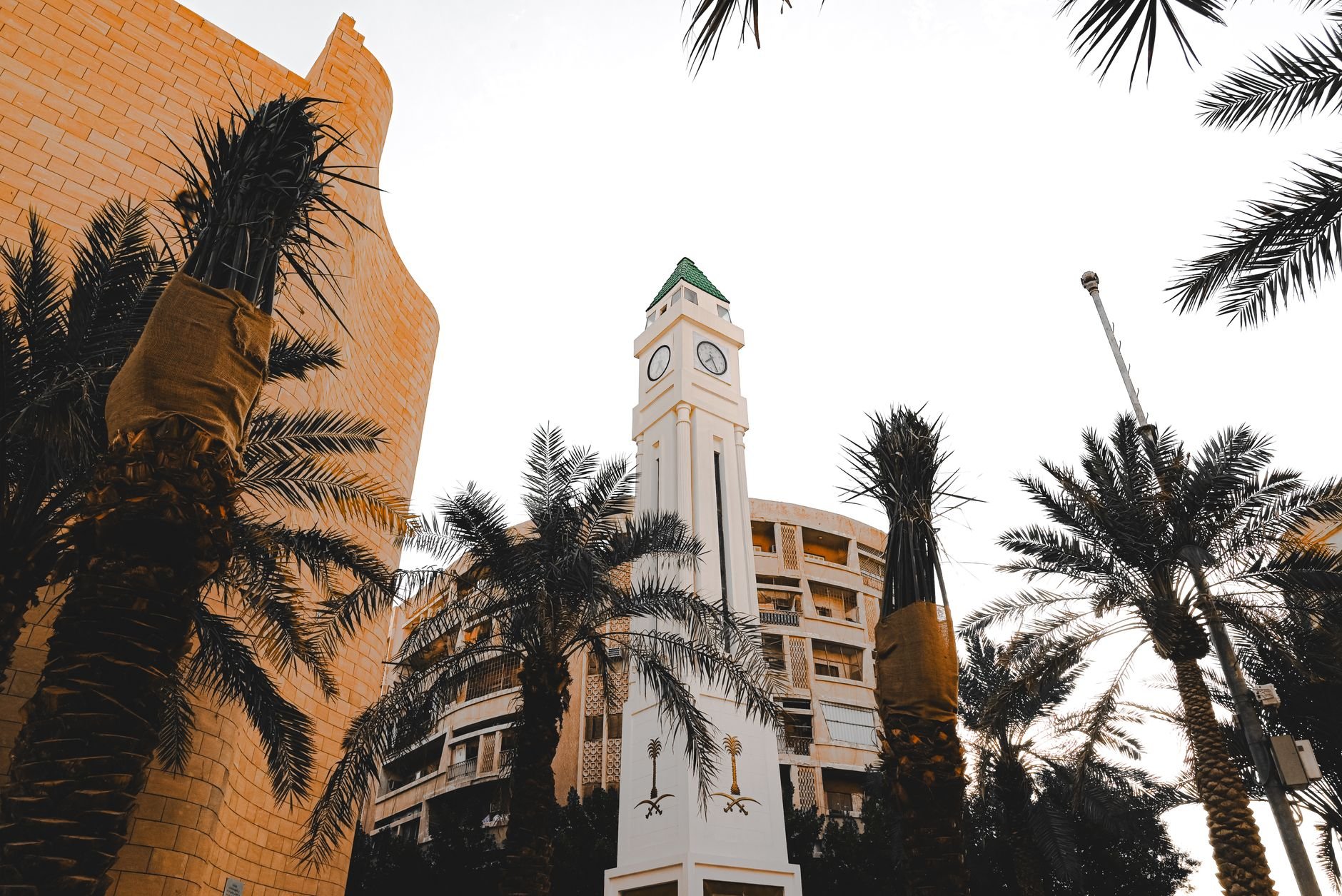
Getting into a university in Saudi Arabia is very achievable once you understand how the system works. Whether you are a Saudi national, a long-term resident, or an expat family planning ahead, the process follows a fairly predictable rhythm each academic year. This starter guide from سعودي ليفنج walks you through the essentials—who can apply, what you need to prepare, and how to move through the application steps with confidence. Because details change every year, always confirm the latest requirements directly on the university's official portal and the Ministry of Education channels before you commit.
Understanding the higher education landscape
Saudi Arabia offers a wide mix of institutions. Public (government) universities are well established across the major cities and often carry lower tuition, while private universities and colleges tend to offer more flexible programs and English-medium tracks. There are also specialized institutions focused on health sciences, technology, business, and applied training.
- Public universities usually prioritize Saudi nationals but many also admit residents under specific conditions.
- Private universities are generally more open to expat students and international applicants.
- Some programs are taught in Arabic, others in English—confirm the language of instruction before applying.
Who can apply
Eligibility depends on your nationality, residency status, and academic background. In broad terms, applicants need a recognized secondary school certificate (high school diploma) and must meet the minimum academic and testing requirements for their chosen program.
- Saudi nationals have the widest access to public universities.
- Residents and expats can apply, but public university seats for non-Saudis may be limited or subject to extra conditions—private universities are often the smoother route.
- International certificate holders may need their qualifications equivalated (attestation/equivalency) so they are recognized locally.
Documents you'll typically need
Preparing your paperwork early saves stress later. While each university publishes its own checklist, most ask for a similar core set of documents.
- Secondary school certificate and official transcripts.
- National ID (for Saudis) or a valid residency permit (Iqama) for expats.
- Passport copy for international applicants.
- Recent passport-size photographs.
- Results from any required standardized or entrance tests.
- Certificate equivalency documents if you studied abroad.
- Medical fitness report where requested, especially for health programs.
Entrance tests and assessments
Many Saudi universities rely on standardized aptitude and achievement assessments as part of admission, particularly for public institutions. Some programs—such as medicine, engineering, and health sciences—may set higher score thresholds or add their own interviews and skills tests.
- Register for required tests well in advance, as seats and dates fill up.
- English-medium programs often require an English proficiency test.
- Keep official score reports ready to upload or submit.
The application process step by step
The general flow is similar across most institutions, even if the platform differs.
- Research programs: shortlist universities and majors, and note the language of instruction and any prerequisites.
- Create an account on the university's admission portal and complete your profile accurately.
- Upload documents and enter your test scores where required.
- Select your preferred programs in priority order if the system allows ranking.
- Submit and track your application, watching for interview invitations or requests for extra documents.
- Confirm your seat once accepted, then complete registration and any tuition steps.
Practical tips for a smoother application
- Start early—admission windows are seasonal and often short.
- Get your certificate equivalency sorted before deadlines if you studied outside the Kingdom.
- Keep both digital scans and physical originals of every document.
- Double-check email and phone contact details, as universities notify applicants through these.
- If in doubt, contact the admission (deanship) office directly—they are the definitive source.
Admission requirements, fees, and dates are updated every year, so treat this guide as an orientation rather than the final word. Always verify the current criteria on the official university portal and the Ministry of Education before you apply, and confirm any residency-related steps through the relevant official Saudi government channels.
Stay updated with the latest news, events, sports updates, business insights, real estate and lifestyle stories on Saudi Living — the leading online platform for residents, expats, and visitors in Saudi Arabia.
Follow Saudi Living for daily updates:
- Instagram - @saudiliving
- X - @saudiliving
- Facebook - @saudiliving
- YouTube - @saudiliving
Up Next

Choosing an International School in Saudi Arabia
A practical 2026 guide to picking an international school in Saudi Arabia: curricula, fees by grade and city, admissions steps, and smart questions to ask.
Aug 12,2026
Family Life in NEOM: Schools, Parks & Activities
A practical guide to family life in NEOM: the community school, kids' activities, sports, beaches and camping, plus how to confirm the latest details.
Aug 11,2026
Family Life in Najran: Schools, Parks & Activities
A practical guide to family life in Najran: choosing schools, finding parks and green spaces, and enjoying family activities in this southern Saudi region.
Aug 10,2026
University Admission in Saudi Arabia: Starter Guide
A practical starter guide to applying for university in Saudi Arabia: entry requirements, application steps, documents, and tips for local and international students.
Aug 10,2026Related Stories



Don't Miss Similar Listings
Be the first to know when new stories on this topic are published.


