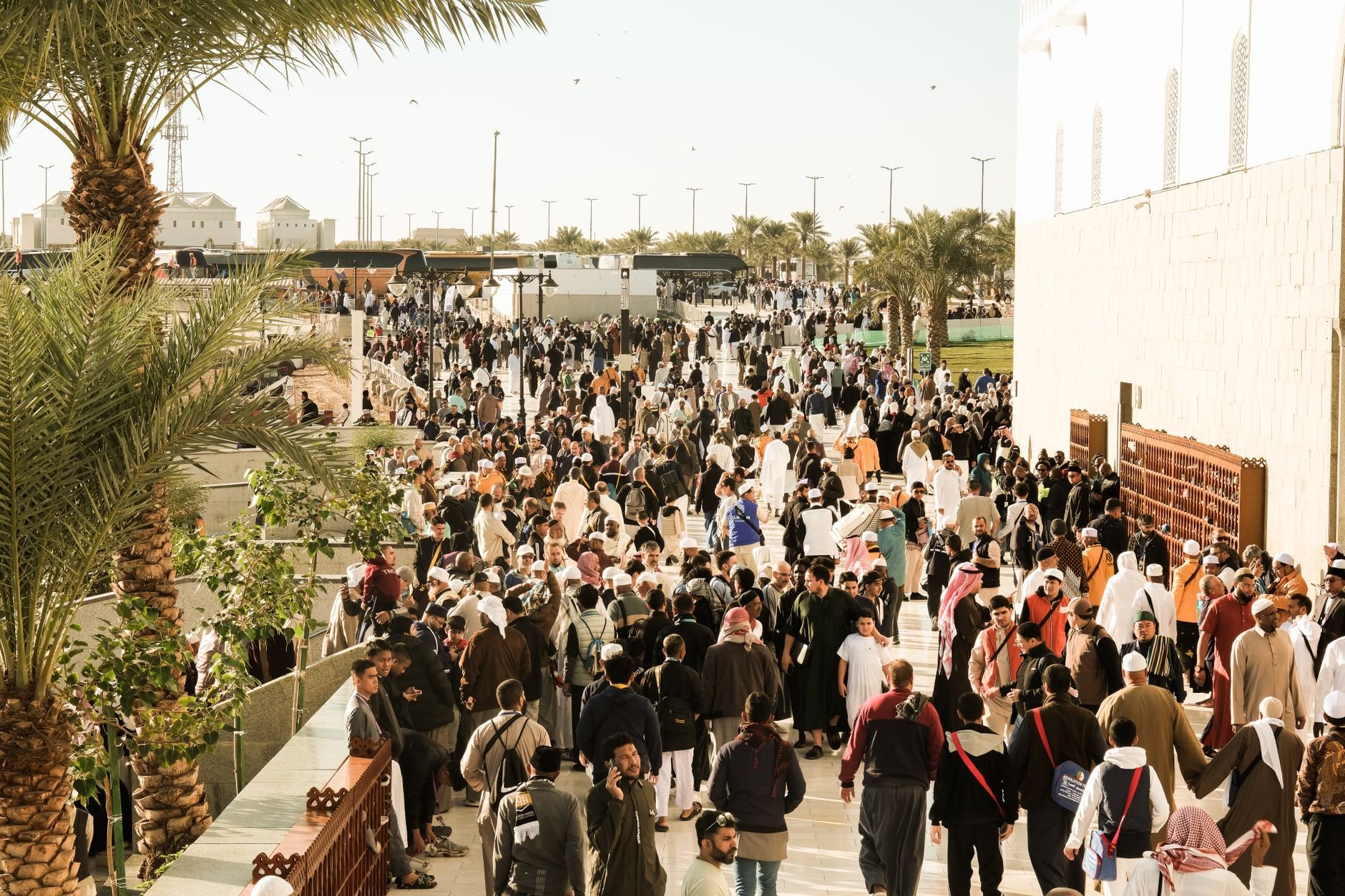
Your Rights as a Tenant in Saudi Arabia: Full Guide
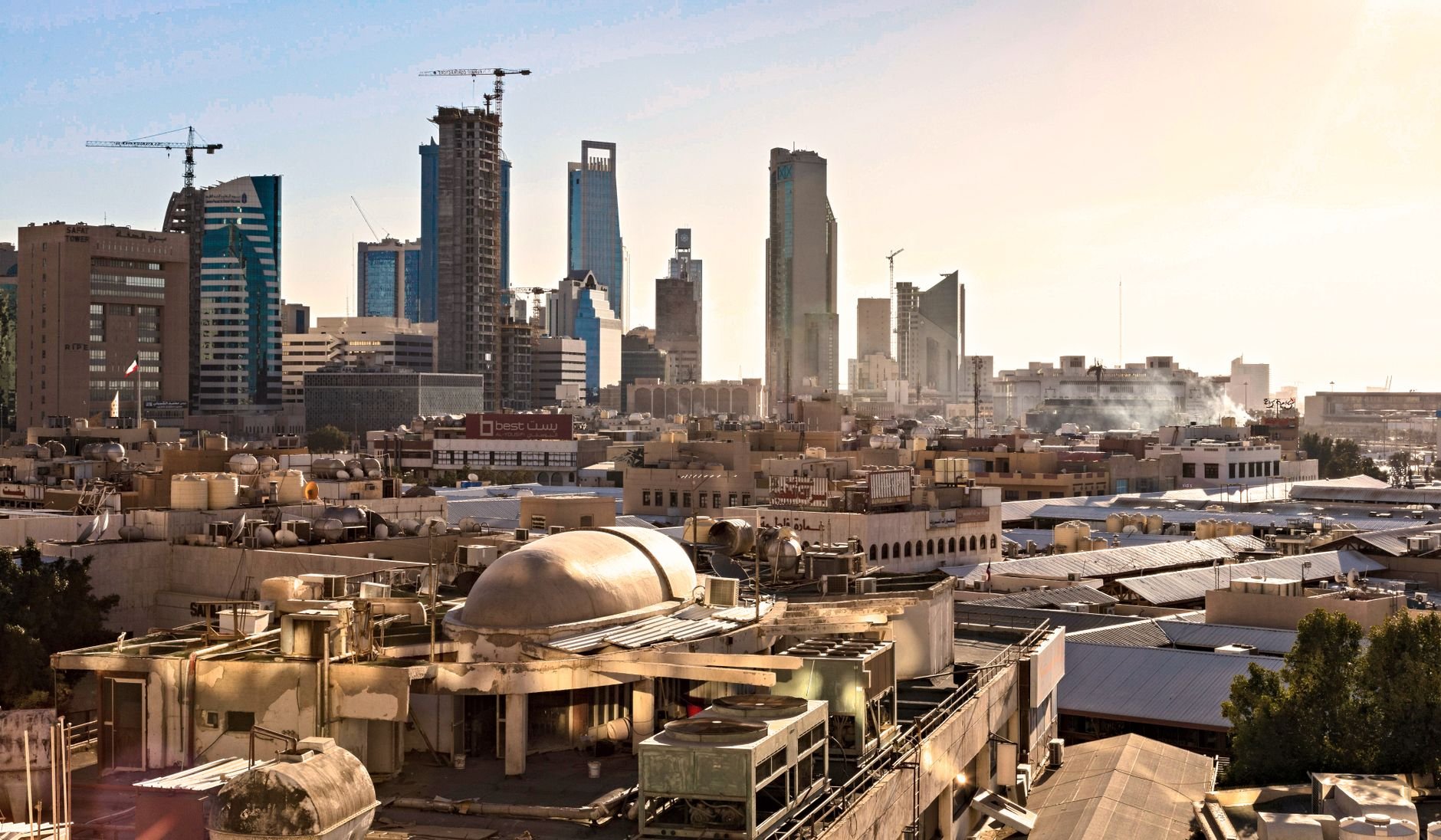
Renting a home in Saudi Arabia is far more regulated—and far more protective of tenants—than many newcomers expect. The backbone of the system is the Ejar platform, which turns your lease into a legally enforceable document and gives you clear, defined rights on rent, deposits, repairs, privacy, and eviction. This Saudi Living guide walks you through exactly what protections you have as a tenant, and where to turn if something goes wrong.
Your lease must be registered on Ejar
Every residential and commercial lease in the Kingdom must be registered on the Ejar platform using the Unified Rental Contract. This is not just paperwork: a registered Ejar contract counts as an executive document, meaning it can be enforced directly through the Enforcement Court without a long trial. Through Ejar you (or your landlord) can create and sign the contract, update tenant information, renew, terminate, and print an official copy at any time.
Before you pay anything, insist that your lease be registered on Ejar. An unregistered agreement leaves you with far weaker protection if a dispute arises.
Rent increases and the Riyadh rent freeze
One of the strongest tenant protections is that rent cannot be increased during the active term of your contract. Any increase can only take effect at renewal, must be notified in advance, and must be agreed and reflected in a new Ejar contract.
- Inside Riyadh city (the urban area), residential and commercial rents are frozen for five years: no increase is allowed from 25 September 2025 until 25 September 2030—even at renewal.
- If neither party terminates the lease on Ejar before it expires, it auto-renews for the same period on the same terms (and in Riyadh, rent still cannot rise until 2030).
Your security deposit
For Ejar-registered leases, the security deposit is capped at a maximum of 5% of the total lease value. When you move out, you are entitled to a full refund if you return the unit in its original condition, allowing only for normal wear and tear.
- The landlord may deduct only for documented damage that goes beyond normal use.
- The balance of your deposit must be returned within 30 days of vacating.
Protect yourself by photographing the unit at move-in and move-out and keeping copies of any inspection notes.
Habitability, repairs, and privacy
Your landlord must deliver a home that is fit to live in, matches the contract specifications, is clean, and is free from defects that prevent normal use. Structural repairs and major systems—electricity, water, air conditioning, and plumbing—are the landlord's responsibility, unless you caused the damage.
You also have the right to quiet enjoyment and privacy. Once you receive the keys, you are entitled to full use of the property throughout the contract without unjustified interference. The landlord cannot enter your unit without your permission, except in genuine emergencies or by court order.
Protection against eviction
Saudi law does not allow "self-help" eviction. Your landlord cannot cut your utilities, change the locks, or force you out on their own.
- Eviction requires a ruling from the Rental Disputes Committee or the Enforcement Court, based on a valid Ejar contract.
- If a landlord is not renewing, or is seeking eviction for a legally allowed reason, they must give written notice at least 30 days before the contract ends.
- Under the 2025 framework, if the landlord wants to evict you so they (or a close family member) can use the property personally, they must give 365 days' written notice before eviction.
If the property is sold
A change of ownership does not cancel your lease. If the property is sold, the new owner is bound to honor the remaining term of your Ejar contract and cannot force you to vacate before it ends.
How to file a complaint or dispute
If you face a deposit dispute, an unlawful rent increase, an attempted eviction, or a landlord refusing needed repairs, you can escalate the matter formally. Submit rental disputes and deposit or eviction complaints through the Ejar platform and the official Rental Disputes Committee channels, where your registered contract serves as the key evidence.
Because specific fees, timelines, and procedures can change, always confirm the latest steps on the official Ejar platform and the relevant Saudi government portals before filing. Keep your Ejar contract, payment receipts, and photos organized—they are your strongest tools for protecting your rights as a tenant.
Stay updated with the latest news, events, sports updates, business insights, real estate and lifestyle stories on Saudi Living — the leading online platform for residents, expats, and visitors in Saudi Arabia.
Follow Saudi Living for daily updates:
- Instagram - @saudiliving
- X - @saudiliving
- Facebook - @saudiliving
- YouTube - @saudiliving
Up Next

Opening a Bank Account in Saudi Arabia as an Expat
A practical step-by-step guide for expats on opening a bank account in Saudi Arabia: required documents, digital setup via Nafath, and what to expect.
Aug 6,2026
How to Spot Scams Buying Used Items Online in Saudi Arabia
Spot scams when buying used items online in Saudi Arabia: red flags, safe payment tips, and how to report fraud via Absher and the Ministry of Commerce.
Aug 5,2026
Outdoor Activities Near Al Duwadimi: Full Guide
Discover parks, chalets, desert trips and family outings near Al Duwadimi in the Riyadh region — free spaces, rest areas and how to book.
Aug 5,2026
Family Activities in Al Kharj: A Practical Guide
Discover the best family activities in Al Kharj, from parks and farms to dining and day trips. A practical guide for residents and visitors in the Riyadh region.
Aug 5,2026Related Stories


Don't Miss Similar Listings
Be the first to know when new stories on this topic are published.