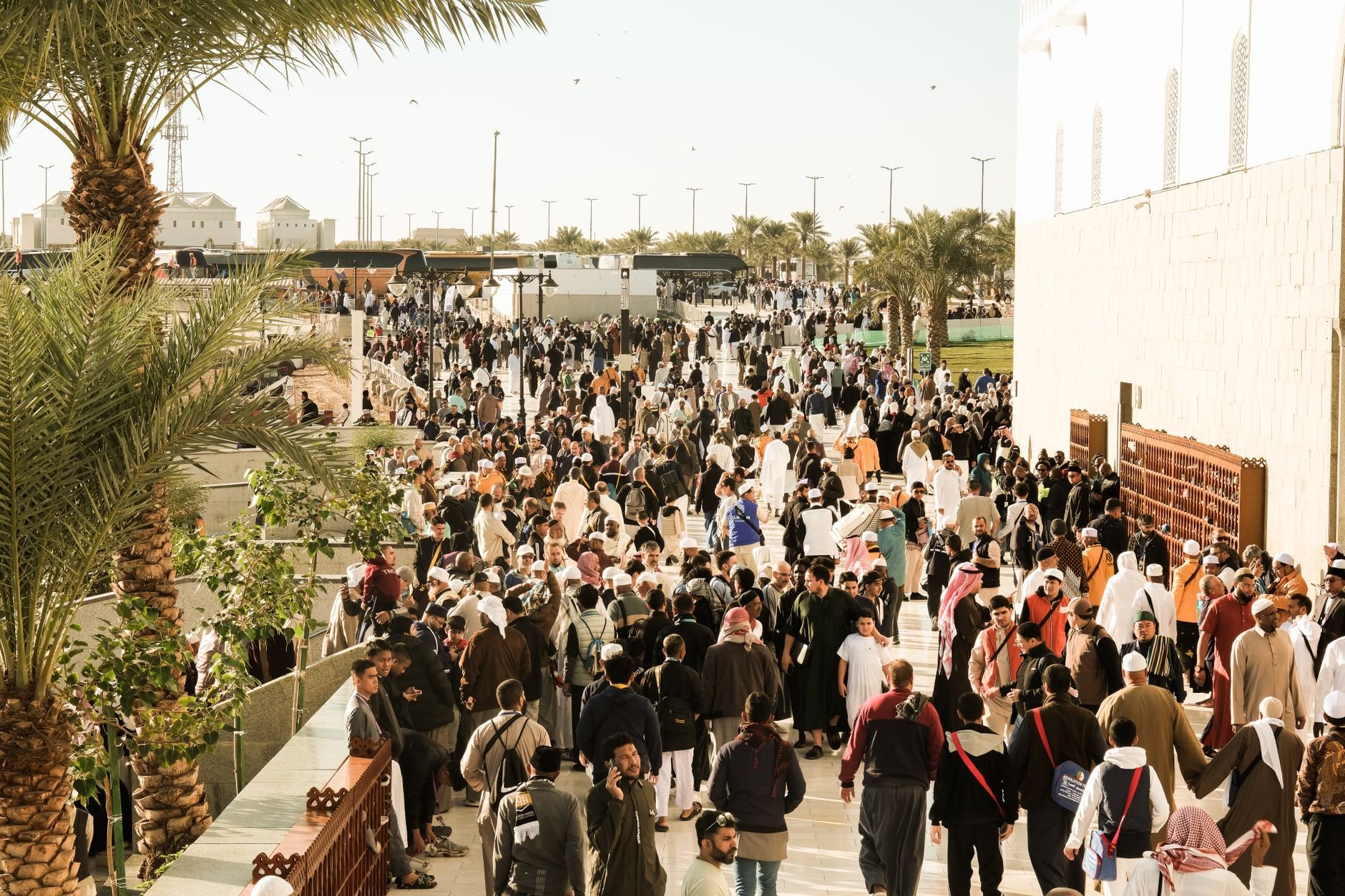
Your Rights as a Tenant in Saudi Arabia: Full Guide

Renting a home in Saudi Arabia comes with clear legal protections that many tenants don't fully realize they have. Whether you're a long-term resident or newly arrived, understanding your rights helps you avoid disputes and gives you a strong legal footing if problems arise. This Saudi Living guide walks you through the core rights every tenant holds, how the official contract system protects you, and exactly what to do if your landlord doesn't play fair.
Why Your Contract Must Be Registered on Ejar
In Saudi Arabia, all residential and commercial leases must be documented on the Ejar platform to be legally enforceable. An unregistered agreement leaves you exposed and can block access to certain government and address-based services tied to your tenancy.
A Unified Rental Contract registered through Ejar is more than paperwork — it is legally classified as an enforcement document (executive bond). This means either party can go straight to the Enforcement Court to enforce the contract's terms without first filing a separate lawsuit in the General Court. In practice, this speeds up resolution for both tenants and landlords.
- Always insist your lease is registered on Ejar before paying or moving in.
- Keep a copy of the contract and all payment receipts.
- Confirm your details are correct on the official platform.
Protection From Rent Increases and Eviction
One of the strongest protections you have is stability during the contract term. Landlords cannot increase the rent while your contract is active. Any change to the rent is only permitted at renewal and must appear in a new or renewed Ejar contract that you agree to.
You are also protected from arbitrary eviction. A landlord cannot force you out without a formal order from a court or rental committee. Self-help tactics — cutting off electricity or water, changing the locks, or removing your belongings — are illegal. These actions can expose the landlord to fines that may reach up to 12 months' rent.
If you receive an eviction demand, you have the right to contest it and present your case to the Enforcement Judge or the Rental Disputes Committee before any eviction takes place.
Maintenance and Repairs
Tenants are entitled to major maintenance at the landlord's expense. This covers structural issues, essential plumbing, and central air-conditioning systems — the things that make a home livable.
The main exception is damage you caused yourself. Routine minor upkeep may fall to you depending on your contract, so read the maintenance clause carefully. If the landlord refuses to carry out required major repairs, this is grounds for a formal complaint.
Your Security Deposit
Your deposit is protected. After you move out, it must generally be returned within 30 days, unless the landlord can prove damage beyond normal wear and tear.
- Document the property's condition with photos when you move in and out.
- Keep written records of any communication about the deposit.
- Normal wear and tear is not a valid reason to withhold your money.
If the deposit is unfairly withheld, you can escalate the matter formally.
How to File a Rental Dispute
If a landlord refuses to return your deposit, ignores required maintenance, or attempts illegal eviction, you can file a case with the Rental Disputes Committee under the Ministry of Justice through the national digital justice portal, logging in with your national digital identity.
The typical steps are:
- Gather your Ejar contract and all payment records.
- Log in to the justice portal using your national credentials.
- Select the rental disputes service.
- Submit your claim with supporting documents.
- Track your case using the issued reference number.
Decisions of the Rental Disputes Committee are binding. If a landlord fails to comply, the decision is enforced through the Enforcement Court using your Ejar contract as the executive bond.
Know Your Position, Stay Protected
A registered Ejar contract turns your tenancy from an informal arrangement into a legally protected right — covering full use of the property, stable rent, freedom from forced eviction, and a clear path to justice. Keep your documents organized, know the deadlines, and don't hesitate to use the official channels. For exact fees and current procedures, always confirm the latest details on the relevant Saudi government portal before acting.
Stay updated with the latest news, events, sports updates, business insights, real estate and lifestyle stories on Saudi Living — the leading online platform for residents, expats, and visitors in Saudi Arabia.
Follow Saudi Living for daily updates:
- Instagram - @saudiliving
- X - @saudiliving
- Facebook - @saudiliving
- YouTube - @saudiliving
Up Next
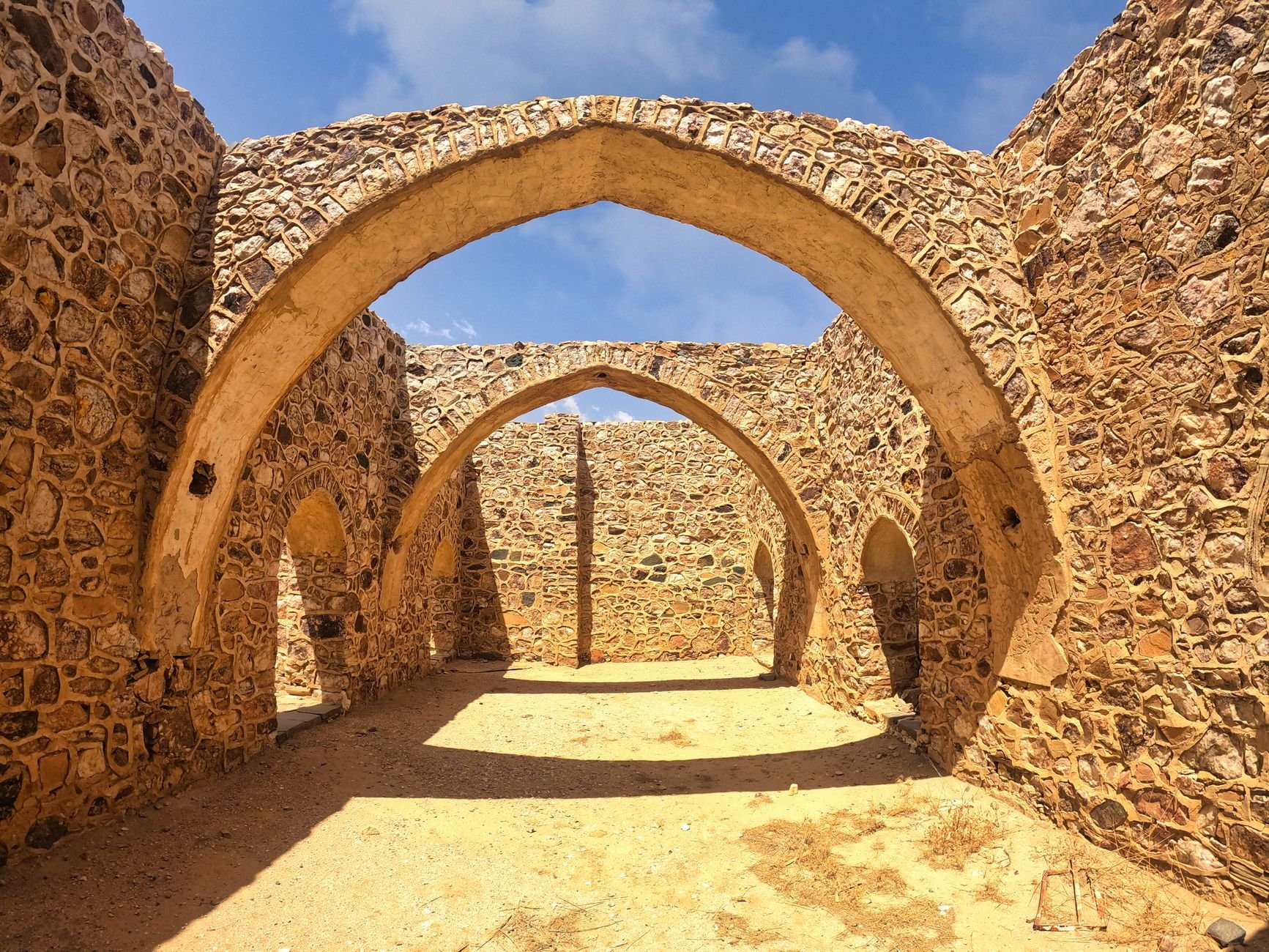
Top Things to Do in Taif: A Complete Guide
Discover the best things to do in Taif: Al Hada cable car, Al Wahbah Crater, strawberry farms, museums, parks and more, with prices and practical tips.
Sep 18,2026
Best Areas to Rent in Taif: A Practical Guide
Where to rent in Taif in 2025–2026: family-friendly neighborhoods, average apartment prices, and tips to find the right home for your budget.
Sep 18,2026
Getting Around Makkah: Transport Options Guide
Your practical guide to getting around Makkah: city buses, airport transfers, the pilgrimage metro, and metered taxis, with fares and payment tips.
Sep 18,2026
Best Neighbourhoods to Live in Al Kharj
A practical guide to the best neighbourhoods in Al Kharj for families and professionals, covering location, services, and budget-friendly options.
Sep 18,2026Related Stories







Don't Miss Similar Listings
Be the first to know when new stories on this topic are published.