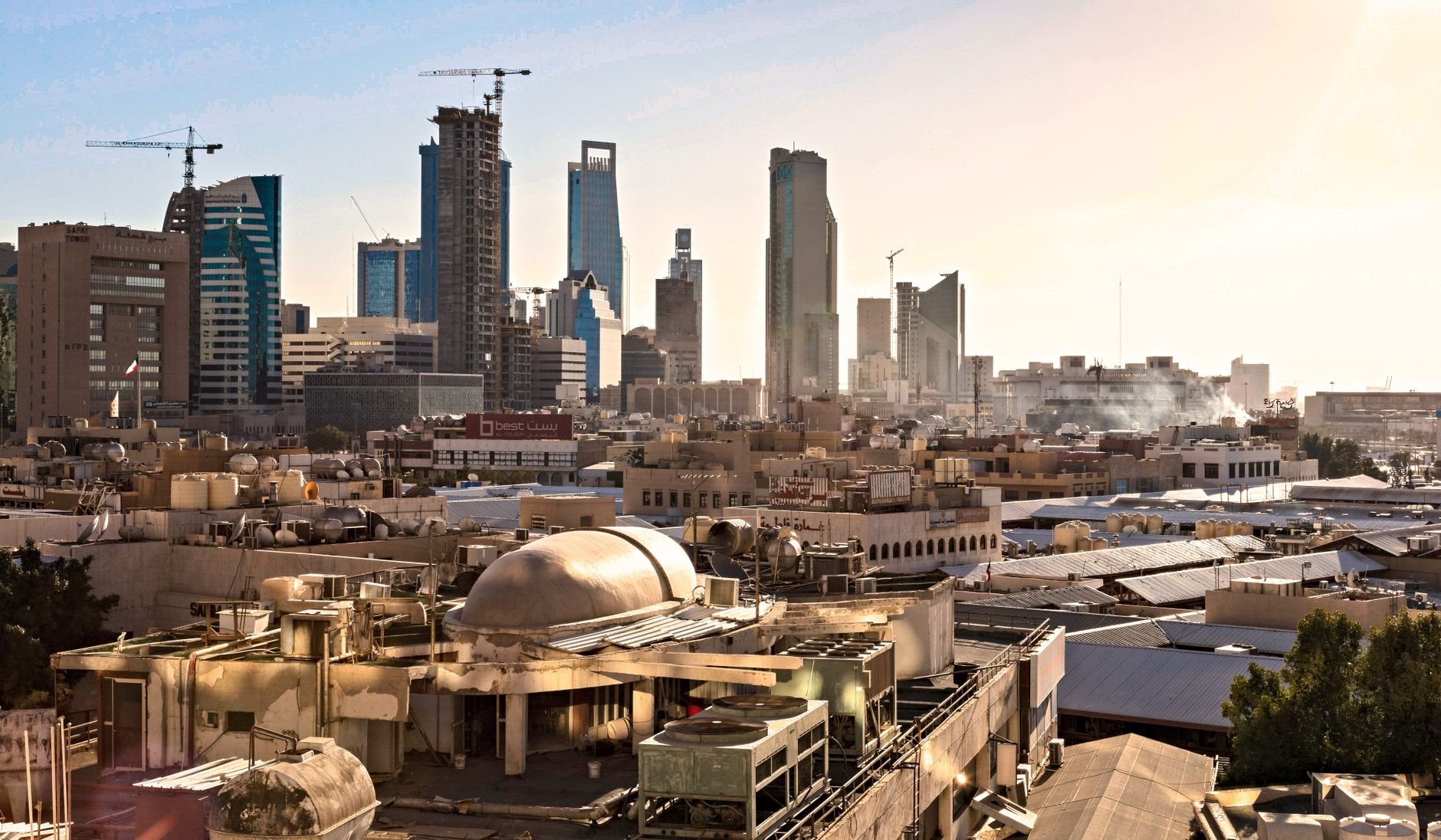
Banking Setup for New Expats in Saudi Arabia

Updated 1 January 2026.
Just landed in Riyadh or Jeddah and not sure where to start with your banking? Here's the short version of the whole banking setup for new expats in Saudi Arabia: open a personal current account with one of the major Saudi banks, make sure it supports salary transfers and mobile banking, then hand your IBAN to your employer. That's the account almost every new expat actually needs. A savings account is optional and you can add one later.
Below is the full picture — which bank to pick, the difference between account types, exactly what documents you'll need, and how to open everything online through Absher and Nafath without queuing at a branch. Note that most of this applies Kingdom-wide, not just the two big cities.
The short answer: which account type to open first
For 99% of new residents, the answer is a current account (often branded as a salary account). It's the day-to-day account that handles your salary, local transfers, debit-card spending, bill payments and ATM withdrawals. You don't need a savings account to receive your salary, so don't let anyone upsell you on day one.
The one thing you almost always need first is a valid Iqama. Saudi banks generally cannot open an employment-related account for a non-Saudi employee without one, so getting your Iqama issued is the real starting gun for your banking setup. If you're still sorting that out, our guide to Iqama renewal in Saudi Arabia walks you through it.
Which banks do new expats usually choose?
There's no single "best" bank — it often comes down to which bank your employer uses, which has a branch near your district, and which app you find easiest. The most common choices among residents include:
- Saudi National Bank — the largest bank, with a wide branch and ATM network across Riyadh, Jeddah, Dammam and beyond.
- Al Rajhi Bank — very popular with expats, strong app, huge ATM footprint and fully Shariah-compliant.
- Riyad Bank — solid everyday banking and salary products, with a strong presence in the capital.
- SAB — well suited to those who want international links.
- Bank Albilad — Shariah-compliant, popular for remittances and everyday use.
- Saudi Investment Bank — a solid alternative with competitive digital onboarding.
A practical tip: ask your HR which bank they transfer salaries through. Matching your bank to your employer's payroll bank sometimes means faster salary crediting and a smoother salary-assignment process.
Current vs savings vs salary account — what's the difference?
These three terms get thrown around a lot. Here's what they actually mean for a resident.
Current account
Your main account. Best for receiving salary, sending domestic transfers, debit-card spending, paying bills and ATM access. This is the one to open first.
Salary account
Usually a current account that's linked to an employer salary assignment. Some banks ask for an employer introduction or a salary-assignment letter to activate it. The upside: several salary products advertise no minimum balance and no opening deposit.
Savings account
Optional. Useful for parking surplus cash once you're settled. Before opening one, check the bank's withdrawal rules, profit terms and any minimum-balance condition — these vary between banks and products.
What you need before you apply
Have these ready and the application takes minutes rather than days:
- A valid Iqama — the non-negotiable for employee accounts.
- An active Absher account — your identity verification runs through it.
- A Saudi National Address — registered through Saudi Post / SPL.
- A Saudi mobile number — verified and linked to Absher.
- Your Saudi residential address and your home-country address.
- Employer and employment details — company name, job title, and so on.
- Tax-residency information — banks ask this as part of onboarding.
For fully online opening, banks also typically require you to be at least 18 and physically present in Saudi Arabia during the application.
How to open your account online, step by step
Most major banks now let you open an account entirely through their app. Here's the typical flow:
- Activate and verify your Saudi mobile number through Absher.
- Register or update your National Address via Saudi Post / SPL.
- Download the bank's official app or open its official website.
- Choose "open current account" or "salary account."
- Enter your details — Iqama, Absher, National Address, employment and tax information.
- Complete identity verification through Nafath or Absher if prompted.
- Accept the account terms and receive your IBAN.
- Request your ATM/debit card through the app or at a branch.
- Give your IBAN to your employer so your salary can be transferred.
If anything in the app fails verification, a quick visit to the nearest branch with your Iqama usually sorts it out.
Fees, minimum balances and the small print
The good news for 2026: the banks reviewed charge SAR 0 to open a standard current/salary account, and several list no minimum opening deposit. Always read the account's terms, though — card fees, SMS notification fees and certain service charges can still apply depending on the product you pick.
Because fees and conditions shift between products, treat any figure as a guide and confirm the specifics in the bank's app or at the branch before you commit.
Banking before your Iqama is issued
What if you need to move money in your first weeks, before your Iqama lands? Don't rely on a normal employee account — it generally can't be opened without a valid Iqama. During the first three months after arrival, transactions such as transfers, cheques and currency exchange are restricted unless handled under the applicable bank and regulatory procedures.
For an expatriate working during that first three-month window before an Iqama and account are in place, the stated maximum for a single transfer or cheque is typically around SAR 10,000. If you're arriving on a visitor status, current rules also allow a visitor account using a valid Visitor ID, which can bridge the gap until your residency is sorted.
Keeping your account valid — and closing it on final exit
Your account stays active as long as your Iqama is valid and your customer information is up to date. If your ID expires, banks can restrict services until you renew — so keep your Iqama current and update your details whenever they change.
One more thing to plan for: expatriate accounts must be closed when your final exit is completed. Before you leave the Kingdom for good, settle balances, clear any standing instructions and close the account properly to avoid loose ends.
FAQs
Do I need an Iqama to open a bank account in Saudi Arabia?
For a standard employee account, yes — banks generally cannot open an employment-related account for a non-Saudi without a valid Iqama. If you're a visitor, current rules allow a separate visitor account using a valid Visitor ID.
Current account or savings account — which should I open first?
Open a current account first. It handles salary, transfers, bill payments, debit-card spending and ATM access. A savings account is optional and can be added later for surplus cash.
How much does it cost to open an account?
At the banks reviewed for 2026, opening a standard current or salary account costs SAR 0, and several require no minimum opening deposit. Check card and service fees in the account terms.
Can I open an account online without visiting a branch?
Yes, most major banks offer full online opening via their app, provided you have an active Absher account, a valid Iqama, a registered National Address, are at least 18 and are physically present in Saudi Arabia.
What happens to my account when I leave Saudi Arabia for good?
Expatriate accounts must be closed when your final exit is completed. Settle balances and cancel standing instructions before you go.
How long does salary start arriving after I share my IBAN?
Once your account is open and you give your employer the IBAN, salary is usually credited from the next payroll cycle. Matching your bank to your employer's payroll bank can make crediting faster.
Now that your banking setup is sorted, get the rest of your move in order: browse the latest jobs in Riyadh on Saudi Living, or find your next home in our Saudi Arabia properties listings.
Stay updated with the latest news, events, sports updates, business insights, real estate and lifestyle stories on Saudi Living — the leading online platform for residents, expats, and visitors in Saudi Arabia.
Follow Saudi Living for daily updates:
- Instagram - @saudiliving
- X - @saudiliving
- Facebook - @saudiliving
- YouTube - @saudiliving
Up Next

National ID (Hawiya) vs Iqama in Saudi Arabia
Saudi National ID (Hawiya) vs Iqama explained: who gets which, fees, renewal via Absher & Muqeem, and exactly which ID you need for what in Saudi Arabia.
Nov 2,2026
Saudi Residency Visa Categories for 2026 Explained
Understanding Saudi Arabia's new residency visa categories for 2026: Premium Residency types, SAR fees, eligibility and how to apply. A clear expat guide.
Oct 28,2026
Absher Launches Land-Crossing Travel Service for Visitors
Absher launches an electronic travel service for GCC nationals and visitors entering Saudi Arabia via land crossings, with registration mandatory from April 2027.
Oct 27,2026
Absher Travel for Visitors Launches at Land Borders
Saudi Arabia launches Absher Travel for Visitors for GCC and other arrivals via land crossings, with digital entry and vehicle insurance steps.
Oct 26,2026Related Stories




Don't Miss Similar Listings
Be the first to know when new stories on this topic are published.