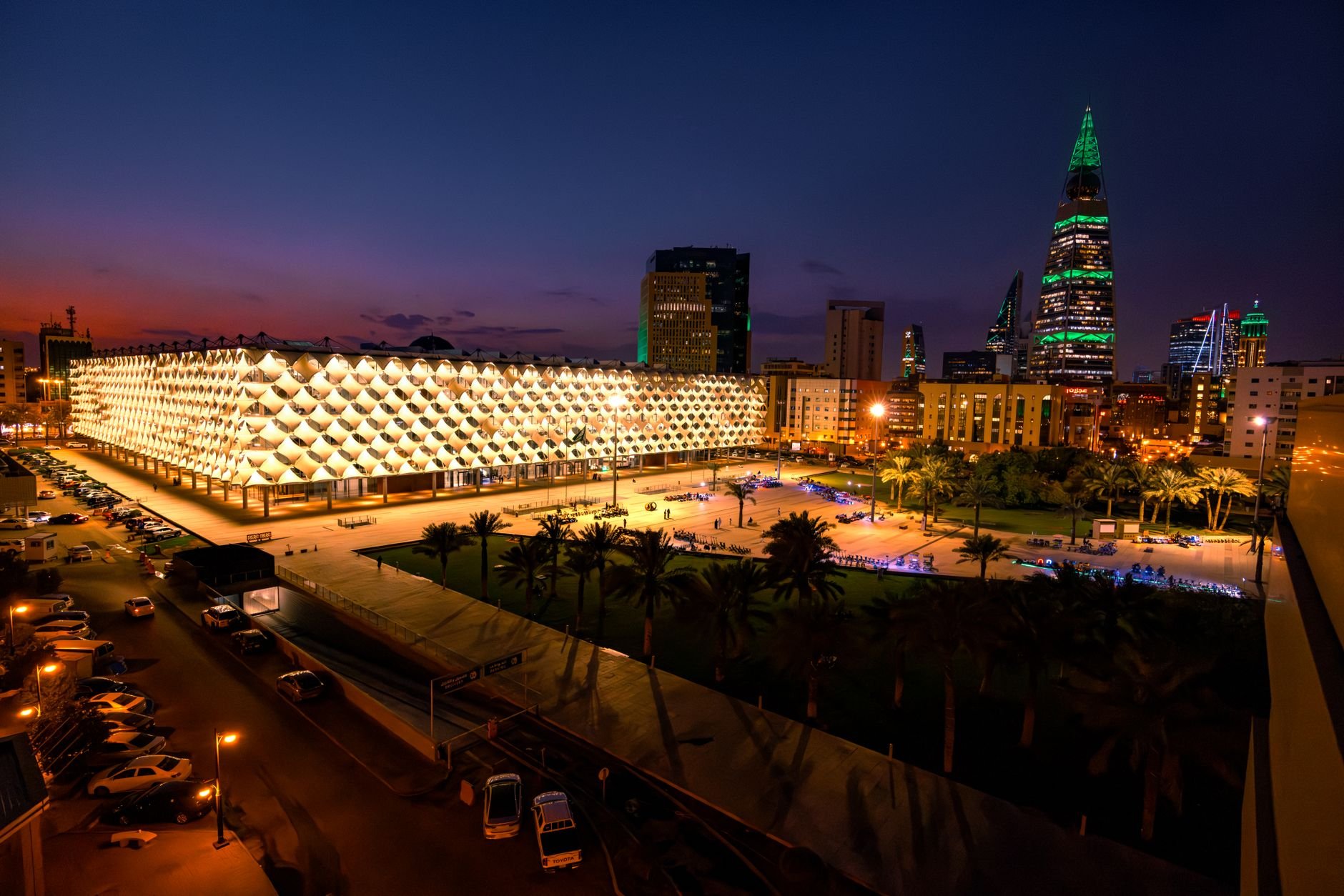
Cost of Living in Saudi Arabia 2026: Full Breakdown

Understanding what life really costs is one of the first questions anyone moving to Saudi Arabia asks. The good news is that the Kingdom offers a wide range of lifestyles for different budgets — from lean shared living to spacious family villas. In this guide, سعودي ليفنج breaks down realistic 2026 numbers for rent, groceries, utilities and transport so you can plan a monthly budget with confidence. All figures are ranges; always confirm current prices locally before you commit.
What a month typically costs
For a single person living in a major city — الرياض, جدة, or الدمام/الخبر — a basic lifestyle (sharing or a modest one-bedroom) usually runs around SAR 5,000–6,000 Step up to a more comfortable expat lifestyle, with your own apartment, regular dining out and a car, and you're generally looking at SAR 7,000–12,000
The biggest single variable is housing. After that, groceries and transport shape most of your budget. Average household grocery spending in 2026 is around SAR 2,783 per person per month, though careful shoppers spend noticeably less.
Housing and rent
Rent is the number that most affects your total cost of living, and it varies sharply by city and district. Here are typical monthly ranges for 2026:
- One-bedroom, city center: الرياض SAR 2,500–5,000; جدة SAR 2,000–4,000; الدمام/الخبر SAR 2,000–3,500. The nationwide average sits around SAR 3,300–3,800.
- One-bedroom, outside the center: الرياض SAR 1,500–3,000; جدة SAR 1,200–2,500; الدمام/الخبر SAR 1,200–2,000. Nationwide averages in early 2026 were cited near SAR 1,750.
- Three-bedroom apartment, city center: roughly SAR 4,000–7,000, depending on the district.
- Three- to four-bedroom villa: in الرياض, expect around SAR 8,000–15,000 with higher figures in premium compounds.
Bear in mind that many landlords still prefer annual or semi-annual payments, so budget for larger upfront amounts. Rents have been climbing: residential rents rose about 8.2% in 2025, which was the main driver behind the increase in housing-related costs.
Utilities and connectivity
Utility bills in Saudi Arabia are generally moderate, but they swing with the seasons — air-conditioning through the long summer is the main driver of electricity costs. Housing, water, electricity, gas and other fuels were up 4.2% year-on-year in July 2026, so it's wise to leave headroom in your budget.
For mobile and internet, providers such as إس تي سي, موبايلي and زين offer prepaid and postpaid plans, plus home fiber packages. Confirm current bundle prices directly with the operator, as promotions change frequently.
Groceries and eating out
Grocery costs depend heavily on where you shop and what you buy. Large chains such as بنده, العثيم and أسواق التميمي cover everything from budget staples to imported specialty items. Cooking at home keeps costs down; leaning on imported brands pushes them up.
Delivery culture is strong, with apps like هنقرستيشن and جاهز making dining out easy. Food and beverage prices rose only about 1.5% year-on-year in July 2026, so this category has stayed relatively stable.
Transport
Fuel remains affordable by international standards, and many residents rely on a personal car. In الرياض, قطار الرياض now offers a clean, modern alternative for commuting across the city, while سابتكو and ride-hailing apps fill the gaps. Transport prices rose just 1.4% year-on-year in July 2026.
- Owning a car adds fuel, insurance, maintenance and parking to your budget.
- Public transport and ride-hailing can be far cheaper if you live near a metro line or work close to home.
Inflation and the bigger picture
Overall inflation has stayed mild. Average annual CPI inflation was 2.0% in 2025, and year-on-year inflation held at 1.8% in both January and July 2026. The pressure point is clearly housing rather than everyday goods.
Building your monthly budget
A practical approach is to fix your rent first, then layer on groceries (budget around SAR 2,000–2,800 per person), utilities, transport and a buffer for leisure. Singles sharing accommodation can live comfortably toward the lower end, while families in a villa should plan for the upper ranges. Whatever your target, confirm current rents and utility rates directly with landlords and providers before signing anything.
Stay updated with the latest news, events, sports updates, business insights, real estate and lifestyle stories on Saudi Living — the leading online platform for residents, expats, and visitors in Saudi Arabia.
Follow Saudi Living for daily updates:
- Instagram - @saudiliving
- X - @saudiliving
- Facebook - @saudiliving
- YouTube - @saudiliving
Up Next

Choosing Internet in Saudi Arabia: STC, Mobily, Zain
A practical Saudi Living guide to picking the right home and mobile internet provider in Saudi Arabia — fiber, 5G, coverage, contracts and setup tips.
Aug 29,2026
Water & Home Services in Saudi Arabia: How to Connect
A practical guide to connecting water and sewage services in Saudi Arabia: fees, required documents, online steps, and how to activate your connection.
Aug 29,2026
Set Up Home Electricity with SEC: A Full Guide
Step-by-step guide to setting up home electricity with the Saudi Electricity Company: documents, Hesabi account, connection steps, and fees per kVA.
Aug 29,2026
Cost of Living in Sakaka: A Practical 2026 Guide
A practical guide to the cost of living in Sakaka, Al Jawf. Understand housing, food, transport and utilities, and how to check current prices.
Aug 28,2026Related Stories



Don't Miss Similar Listings
Be the first to know when new stories on this topic are published.