Historic Jeddah (Al-Balad): What to See, Eat & Do
Yes — you can walk straight into Historic Jeddah (Al-Balad) for free. There's no general ticket, permit, or app needed: you don't have to open Absher, Muqeem, Nafath, Tawakkalna, or Balady just to stroll the coral-stone lanes. The streets are open year-round, and only individual heritage houses, museums, restaurants, and special events keep their own schedules. So the only real question is when to go and what to do when you get there — and this Historic Jeddah (Al-Balad) guide covers exactly what to see, eat, and do.
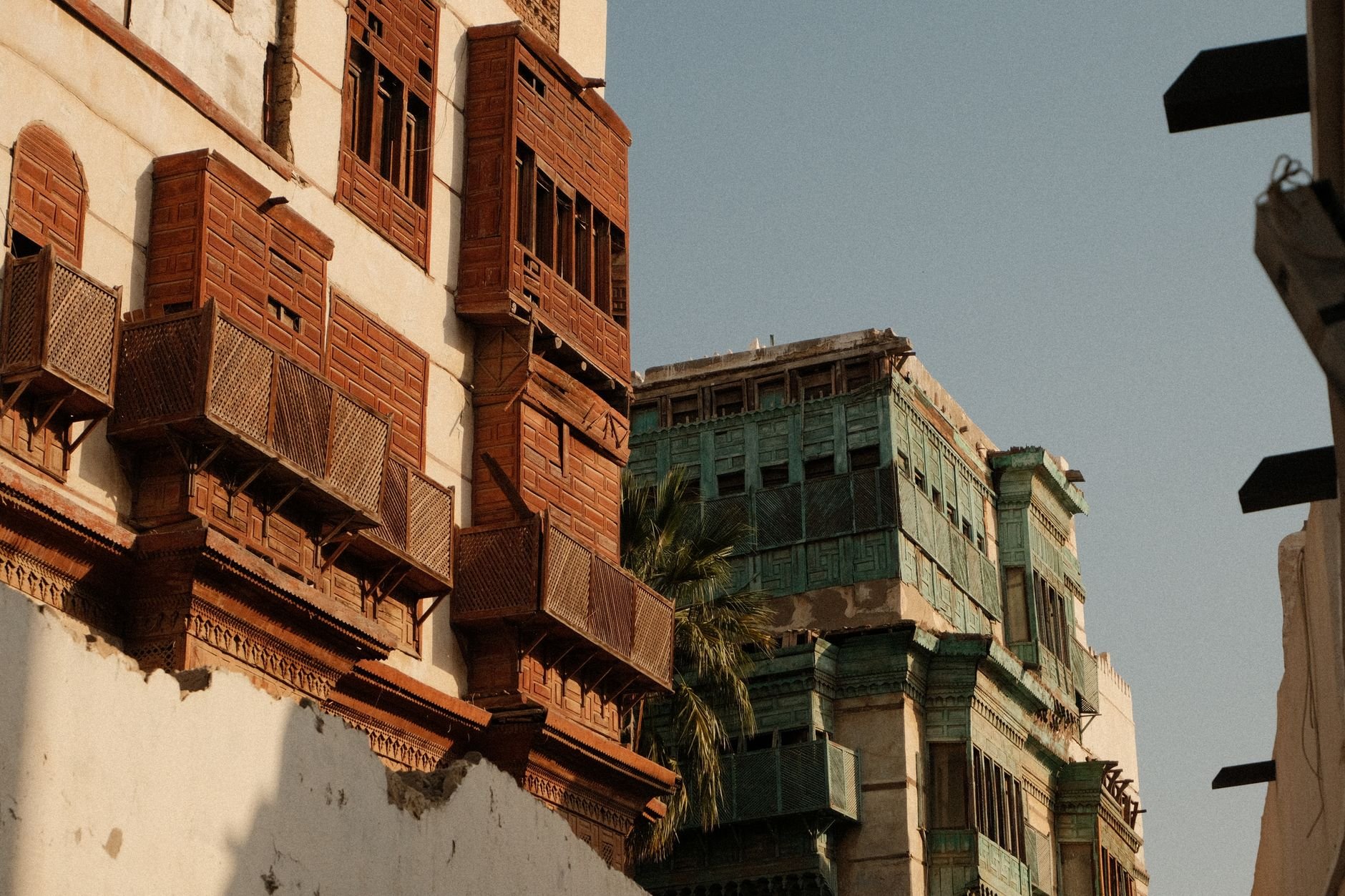
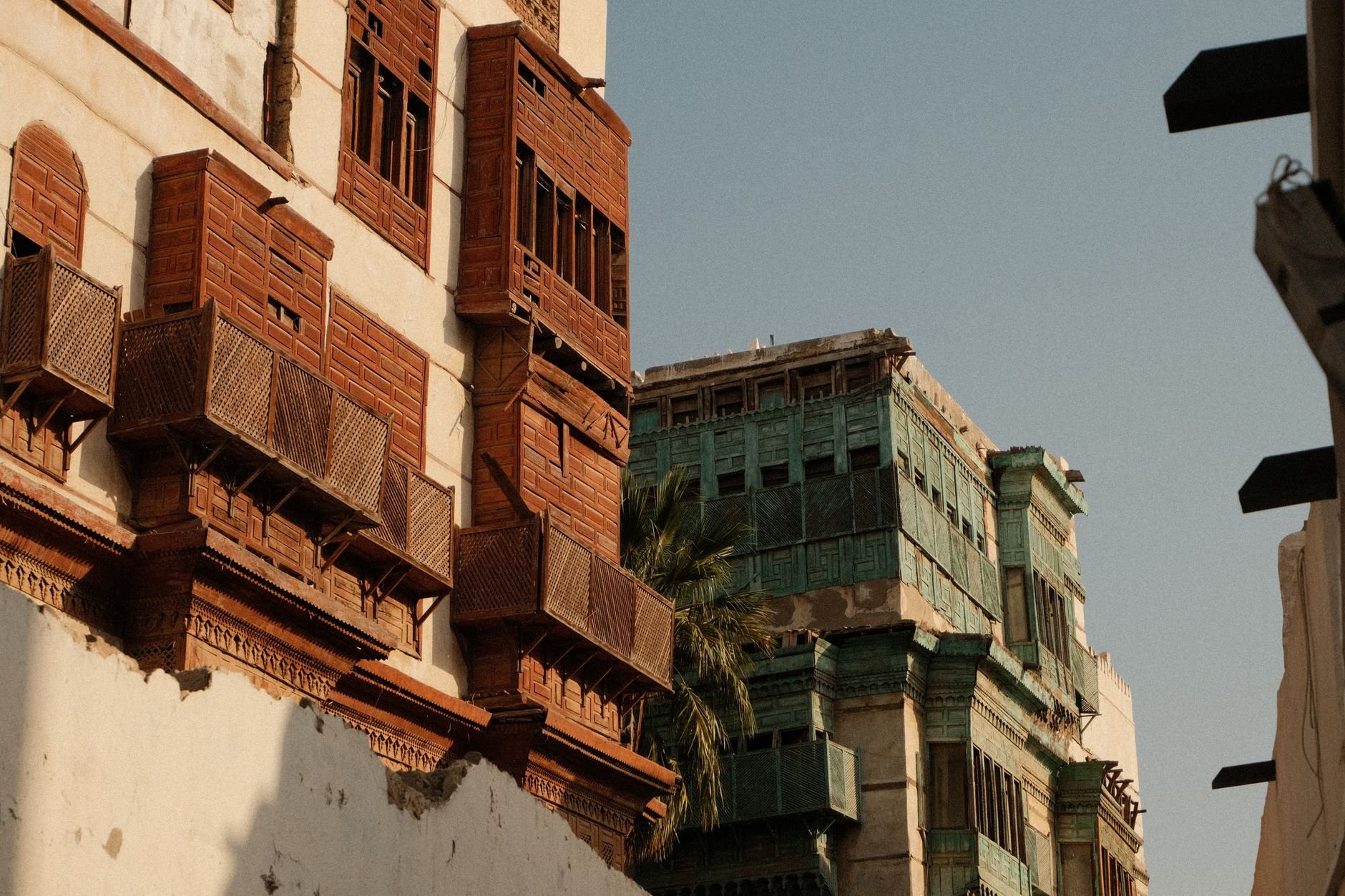
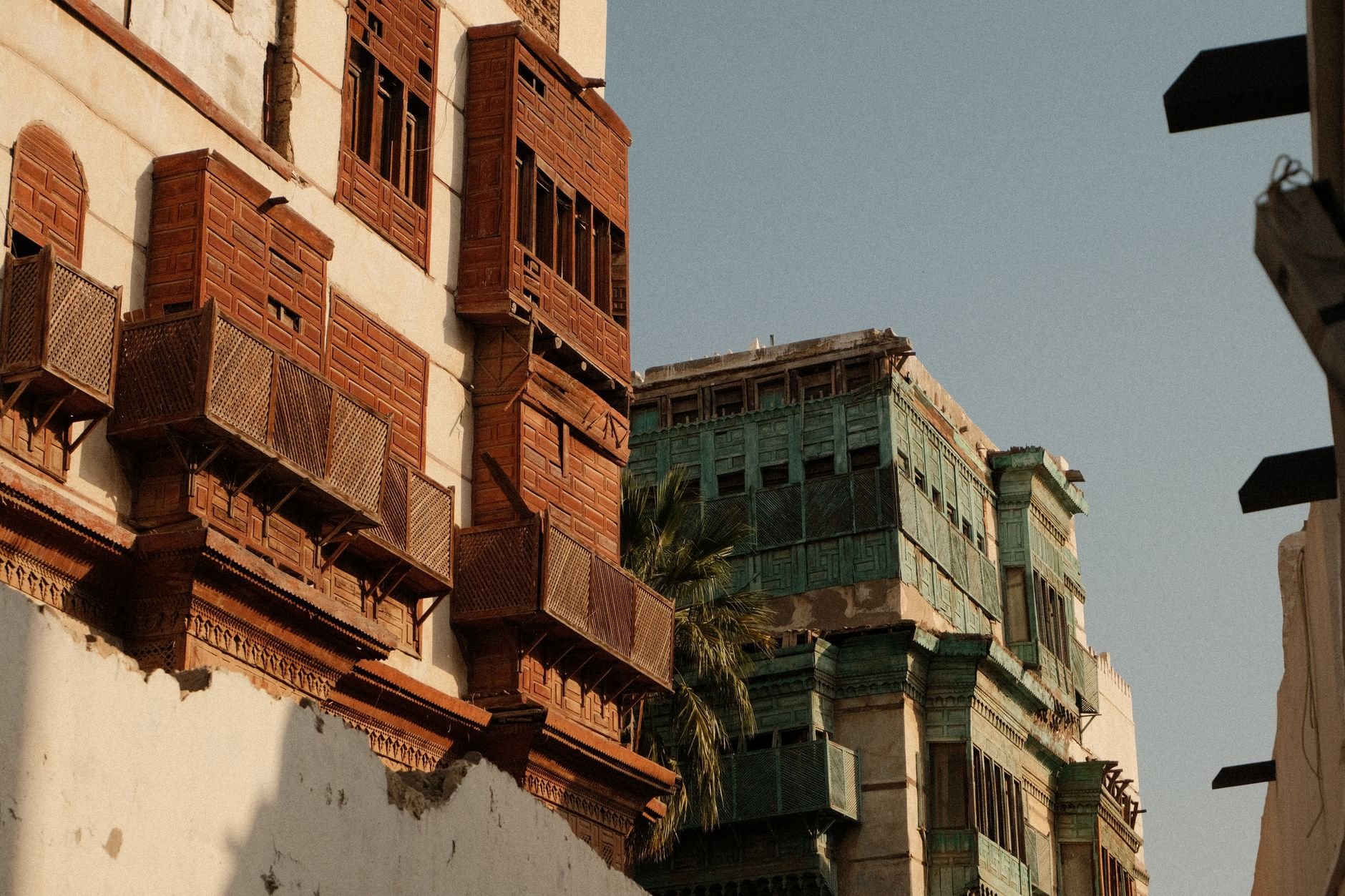
Al-Balad is the historic heart of Jeddah, a UNESCO World Heritage district of towering coral-stone merchant houses, latticed rawasheen balconies, and labyrinthine souqs that once served pilgrims arriving by sea. Whether you live in Jeddah or you're planning a first visit, here's how to see the best of it, eat brilliantly, and spend wisely.
When to Visit Al-Balad
Jeddah's coastal humidity makes midday tough, especially in summer. The two sweet spots are:
- Morning, 7am to 10am — cool, quiet, golden light on the coral façades, and breakfast spots in full swing.
- Evening, 6:30pm to 10pm — the district comes alive as temperatures drop, souqs fill, and lamps light the lanes.
Weekends and public holidays are livelier (and more crowded). During Ramadan the atmosphere is special — more on that below.
What to See: A Walking Route Through Al-Balad
Al-Balad rewards wandering, but a loose route keeps you from missing the headline sights. Give yourself two to three hours on foot.
Bait Nassef (Al-Naseef House)
The most famous landmark in Al-Balad, this grand merchant residence is instantly recognisable by the old neem tree at its door — once a meeting point in the city. Admire the carved wooden rawasheen and the scale of old Hijazi trade wealth. Opening hours and any admission fee can change, so confirm at the venue before you go.
The Coral-Stone Lanes and Merchant Houses
Beyond Bait Nassef, the real magic is in the narrow alleys lined with restored (and some beautifully weathered) multi-storey houses. Look up: the overhanging wooden balconies that cooled homes before air conditioning are the signature of Hijazi architecture.
Souq Qabil
One of the oldest market streets in the district, packed with textiles, perfumes, oud, spices, prayer beads, and household goods. It's a working souq, not a museum — great for soaking up everyday Jeddah life and picking up gifts.
The Old Port Area
Al-Balad grew around maritime trade and the arrival of pilgrims by sea. The old-port side of the district is where you'll find the fish market and a sense of how the city made its living for centuries.
Walking Tours: Worth It?
If it's your first visit, a guide adds a lot of context you'd otherwise walk past. Expect roughly these ranges:
- Standard walking tour (2–3 hours) — typically around SAR 80–180 covering the main lanes, souqs, and key houses.
- Broader tours with transport or museum entry included — typically around SAR 240–545, better if you want a full half-day with pick-up and extra stops.
Prefer to go it alone? The free self-guided route above works perfectly — just budget your spending on food and souq finds instead. For more ideas, see our guide to things to do in Jeddah.
What to Eat in Al-Balad
This is where Al-Balad truly shines. Hijazi food is one of Saudi Arabia's great regional cuisines, and the old city is its home turf. A full day of eating here typically costs around SAR 80–120 per person — remarkable value for the quality.
Breakfast Like a Local
- Foul and tamees — the classic Hijazi breakfast of stewed fava beans with fresh-baked tamees bread, typically around SAR 12–20, often with tea included.
- Balila — warm spiced chickpeas, a cheap and satisfying street snack, typically around SAR 5–15.
- Hummus Al Jalal — a beloved spot for foul, hummus, and bread, typically around SAR 20–35. It usually opens early and may run late on weekends.
Street Food and Snacks
- Mutabbaq — thin pastry folded around minced meat, egg, and greens, griddled crisp, typically around SAR 10–15.
- Specialty coffee — a growing scene of modern cafés tucked into heritage buildings, typically around SAR 15–30 a cup.
Mains and Seafood
- Kabsa or mandi — spiced rice with tender lamb or chicken, typically around SAR 30–70 depending on portion and cut.
- Baissa Mandi Meat — a solid Al-Balad option for mandi, typically around SAR 40–60.
- Tamatim — modern Hijazi cooking in a stylish setting, with dishes typically around SAR 50–90.
- Fresh seafood — a full seafood meal commonly runs SAR 60–80.
Hungry for more? Browse our round-up of restaurants in Jeddah to plan the rest of your week.
The Fish Market Experience
For something uniquely Jeddah, head to the Central Fish Market (Souq Al Samak) near the old port. Pick your fish, and the nearby cooks will prepare it for a cooking fee of typically around SAR 20–40. A complete seafood meal this way commonly costs around SAR 60–80 — fresher than any restaurant can promise.
Al-Balad During Ramadan
Ramadan transforms the district. The Bastat Al-Balad food stalls bring the lanes to life after iftar — during Ramadan 2026 they reportedly operated from roughly 5pm to 3am, serving classics like balila, kebda (grilled liver), and sobia (a sweet fermented drink). It's one of the most atmospheric times to visit, though expect crowds and go hungry. Note that Ramadan dates shift each year, so check the current year's stall schedule before you plan your evening.
Practical Tips for Your Visit
- Getting there — Al-Balad sits in central Jeddah; Careem or Uber is the easiest way in, as parking in the narrow lanes is limited. Ask to be dropped near Souq Qabil or Bait Nassef.
- Dress comfortably — you'll be walking on uneven stone; wear modest, breathable clothing and good shoes.
- Carry small cash — many souq vendors and street-food stalls prefer cash in small notes, even though cards are increasingly accepted.
- Confirm hours — restaurant, museum, tour, and event times change. Check the specific venue's current booking page, the official Al-Balad channel, or onsite signage before you travel.
- Be camera-courteous — the architecture is photogenic, but ask before photographing people, especially inside shops.
A Sample Half-Day in Al-Balad
- Start at 8am with foul, tamees, and tea (around SAR 15–20).
- Walk to Bait Nassef and admire the coral houses and rawasheen.
- Wander Souq Qabil for perfumes, spices, and gifts.
- Grab a mutabbaq or balila snack (around SAR 10–15).
- Finish with specialty coffee in a restored heritage café (around SAR 20).
Total food spend: well under SAR 100 — with a half-day in one of Saudi Arabia's most beautiful districts thrown in for free.
FAQs
Do I need a ticket or permit to enter Al-Balad?
No. Historic Jeddah (Al-Balad) is a free, open public district. You don't need a general ticket or any app like Absher, Muqeem, Nafath, Tawakkalna, or Balady to walk the streets. Only individual houses, museums, and events may charge or require booking.
What's the best time of day to visit?
Early morning (7am to 10am) and evening (6:30pm to 10pm) are the most comfortable, avoiding Jeddah's midday heat and humidity. Evenings are livelier; mornings are quieter and great for photos.
How much does a day in Al-Balad cost?
Entry is free. A full day of local food typically costs around SAR 80–120 Add SAR 80–180 if you take a standard walking tour, or SAR 240–545 for a broader tour with transport or museum entry.
What food is Al-Balad famous for?
Hijazi classics: foul and tamees for breakfast, balila and mutabbaq as street snacks, kabsa or mandi for mains, and fresh seafood near the old port. The Central Fish Market lets you pick your fish and have it cooked for a small fee.
Is Al-Balad good to visit during Ramadan?
Yes — it's one of the best times. The Bastat Al-Balad stalls serve classics like balila, kebda, and sobia late into the night (reportedly around 5pm to 3am during Ramadan 2026; dates shift yearly, so confirm the current schedule). Expect a lively, crowded atmosphere after iftar.
Can I explore Al-Balad without a guide?
Absolutely. The self-guided route — Bait Nassef, the coral-stone lanes, Souq Qabil, and the old port — is easy to follow on foot in two to three hours. A guide simply adds historical context if you want it.
Ready to plan your trip to the old city? Find your base in our Jeddah hotels listings and explore more things to do in Jeddah on Saudi Living.
Stay updated with the latest news, events, sports updates, business insights, real estate and lifestyle stories on Saudi Living — the leading online platform for residents, expats, and visitors in Saudi Arabia.
Follow Saudi Living for daily updates:
- Instagram - @saudiliving
- X - @saudiliving
- Facebook - @saudiliving
- YouTube - @saudiliving
Up Next
Half Moon Bay Khobar: Beaches & Water Sports
Half Moon Bay Khobar guide: free public beaches, jet ski and parasailing prices, boat rides, Al Dana day entry and day-trip tips for the Eastern Province.
Nov 1,2026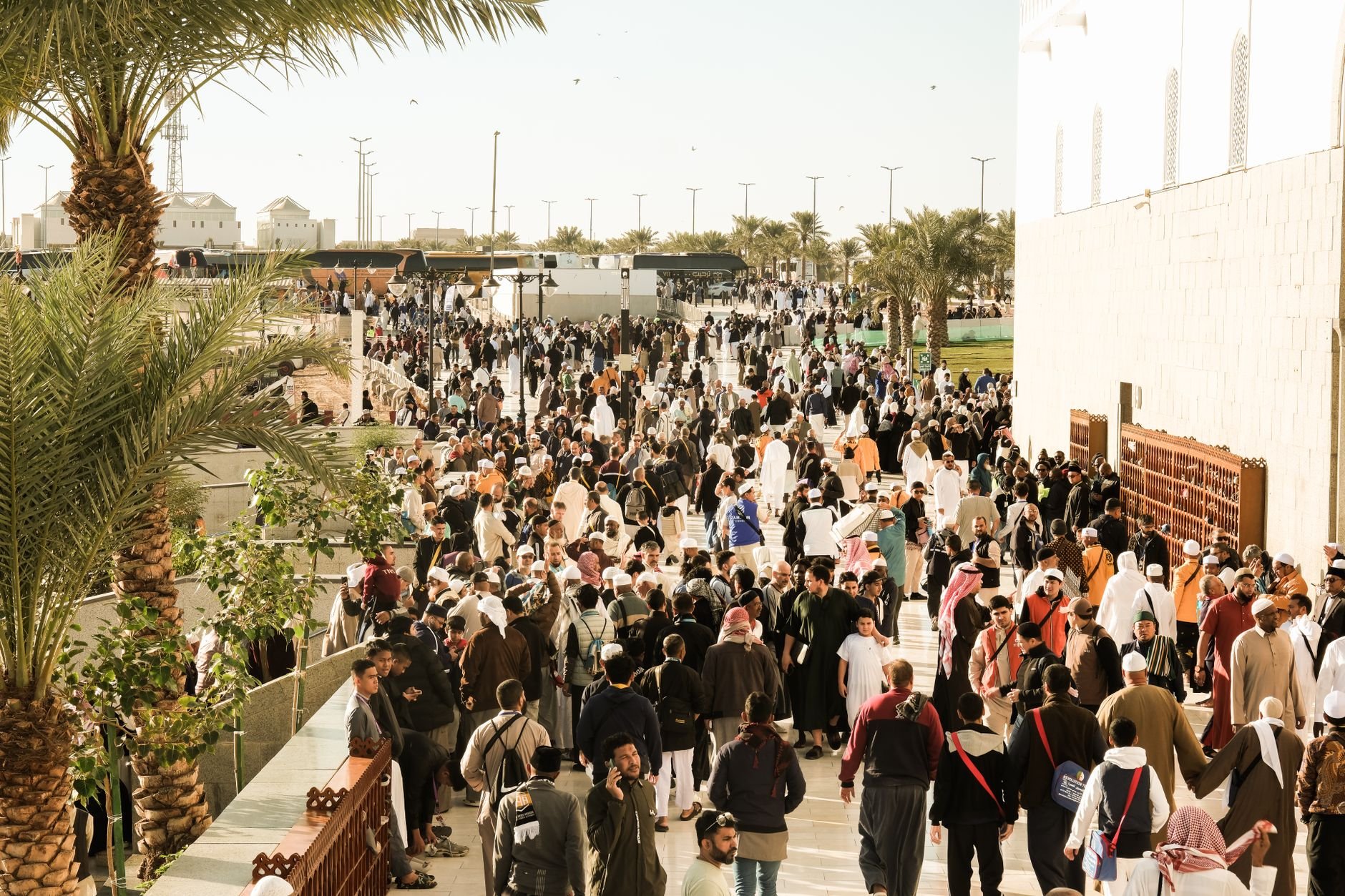
Best Indoor Activities in Jeddah to Beat the Heat
Best indoor activities in Jeddah to beat the summer heat — teamLab, trampolines, bowling, cinemas and malls with real SAR prices and hours.
Nov 1,2026
Best Indoor Activities in Riyadh to Beat the Heat
The best indoor activities in Riyadh to beat the summer heat — snow park, trampolines, escape rooms and bowling, with real SAR prices and hours.
Nov 1,2026
Ultimate Guide to Summer in Riyadh 2026
Your ultimate guide to summer in Riyadh 2026: indoor fun, cool escapes, bowling, trampolines, Snow City and family days out — with SAR prices.
Nov 1,2026Related Stories



Don't Miss Similar Listings
Be the first to know when new stories on this topic are published.