How to Register a Used Car in Saudi Arabia: 2026 Guide
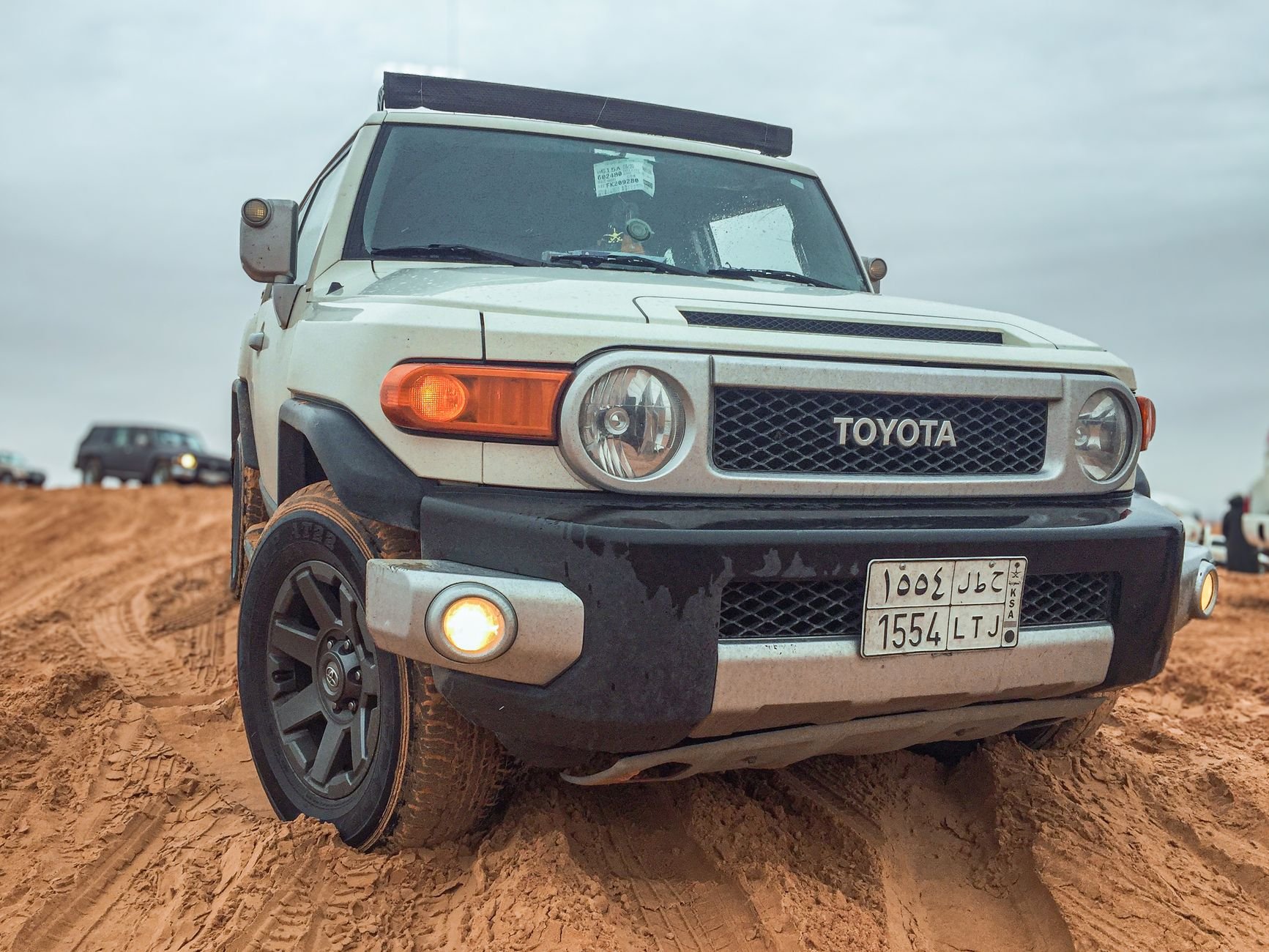
The ownership transfer for a used car in Saudi Arabia is done electronically through Absher — usually in minutes — with a typical total cost of around SAR 380 for a private vehicle. standard private-car transfers no longer require a visit to a traffic office at all.
So if you've just bought a private car in Riyadh, Jeddah or anywhere in the Kingdom, here's exactly how to register a used car in Saudi Arabia step-by-step for 2026 — what you need ready before you start, and the fees both you and the seller should expect.
The Short Answer: How Used Car Registration Works in 2026
For a private car, the seller starts the ownership transfer on Absher, enters the buyer's ID or Iqama number and the agreed price, and the system verifies the car's status, insurance and inspection. The buyer then receives an SMS, confirms the contract on their own Absher account, and pays the fees through SADAD. Once payment clears, ownership updates instantly and a new Istimara (vehicle registration card) is issued in the buyer's name.
The whole thing can be finished on the same day — provided a few things are already in place before either party logs in.
Before You Start: What Must Be In Order
The transfer will simply refuse to proceed if any of the following are missing. Sort these out first to avoid a failed request.
Documents and Requirements
- Valid Istimara — the seller must hold a current, valid registration card for the vehicle.
- Valid Saudi ID or Iqama — the buyer needs an active national ID or Iqama; the transfer is keyed to this number.
- The car must be clean in the system — registered, available for transfer, and free of any outstanding traffic violations. Unpaid fines will block the process.
- Both parties need active Absher accounts — buyer and seller each log in separately to their own Absher Individuals account.
Insurance and Inspection
Two more checks happen automatically in the background:
- Motor insurance in the buyer's name — a valid policy must be active in the system before the transfer can complete. This is the step most buyers forget. Arrange it in advance so it shows up when the seller submits the request.
- Technical inspection (MVPI) — if the car's periodic inspection is due or expired, a valid inspection is required. The status is checked electronically, so if it's still valid you don't need to do anything.
Step-by-Step: Transferring Ownership on Absher
The standard flow for a private used car looks like this:
- The seller logs into Absher (Individuals) and selects the vehicle ownership transfer service.
- The seller enters the buyer's ID/Iqama number, the vehicle details, and the agreed sale price.
- The system verifies the vehicle status, active insurance in the buyer's name, and inspection validity.
- The seller submits the transfer request. An SMS notification is sent to the buyer.
- The buyer logs into their own Absher account, reviews the contract details, and confirms.
- The buyer pays the fees via SADAD. Payment must be completed within a short validity window — typically the same or next day — or the request expires and has to be re-initiated.
- Ownership updates electronically and a new registration licence is issued in the buyer's name.
A quick tip: agree on the sale price and arrange the insurance before the seller opens the service, because the price and buyer details are locked into the request. Getting them wrong means starting over.
What It Costs in 2026
The official fees for a private car are fixed and predictable. Be wary of anyone quoting figures far above these for a straightforward Absher transfer.
Ownership Transfer Fees
- Government ownership transfer fee — SAR 150, paid through SADAD.
- Absher electronic service fee — SAR 230 (including VAT), usually paid by the buyer and refundable if the sale is cancelled.
- Typical total for a private used car — around SAR 380.
For taxis and public vehicles the fees are higher: a SAR 300 government fee plus the SAR 230 Absher service fee.
Other Costs to Budget For
- Motor insurance — roughly SAR 500 to SAR 1,500 per year for most private vehicles, depending on the car and driver profile. This is separate from the transfer fees but required to complete the transfer.
- Annual registration renewal — SAR 100 This is not part of the ownership transfer; it comes up when your Istimara is due to renew.
- Replacement plates — typically around SAR 100, handled through traffic services separately if a plate is lost or damaged.
Transferring Through a Showroom or Agency
You don't have to do it yourself. Authorised showrooms and agencies use the same electronic system and can process the transfer for you, charging the same official government fees plus whatever service premium they set. This is convenient if you're buying from a dealer, but for a private sale between two individuals the Absher route is quicker and cheaper — you're only paying the official SAR 380.
Whichever route you choose, the underlying requirements are identical: a valid Istimara, the buyer's ID/Iqama, active insurance in the buyer's name, and a clean vehicle record.
After the Transfer: Renewal and Plates
Once the car is in your name, keep two things on your radar. First, your annual registration renewal (the SAR 100 fee) — you can handle it on Absher, and it's worth doing before it lapses to avoid fines. Second, if your Iqama and registration renewals fall close together, handle them in the same Absher session so you only deal with the paperwork once. Where possible, line up these renewal dates to keep things simple.
The trend is clearly towards fully electronic processing for private vehicles, so for standard cases you should rarely need to visit a physical traffic office at all.
Common Mistakes That Delay the Transfer
- No insurance in the buyer's name yet — the single most common blocker. Set it up before the seller starts the request.
- Outstanding traffic fines on the vehicle or against either party — clear these first.
- Expired MVPI inspection — get the car inspected if it's due.
- Letting the request expire — the buyer must confirm and pay within the short validity window.
- Entering the wrong buyer ID or price — double-check before submitting, as these are locked in.
FAQs
How much does it cost to transfer a used car in Saudi Arabia in 2026?
For a private car, the typical total is around SAR 380 — a SAR 150 government fee plus a SAR 230 Absher electronic service fee (including VAT). Taxis and public vehicles pay a higher SAR 300 government fee plus the SAR 230 service fee.
Can I register a used car without visiting a traffic office?
Yes. For standard private-vehicle transfers, the entire process is done electronically through Absher. You generally only need to visit a traffic office for exceptional cases.
Do I need insurance before transferring ownership?
Yes. A valid motor insurance policy in the buyer's name must be active in the system before the transfer can be completed. Arrange it in advance, as this is the most common reason a transfer stalls.
Who pays the transfer fees, the buyer or the seller?
In the standard Absher flow, the buyer pays the fees via SADAD when confirming the contract. The SAR 230 Absher service fee is refundable if the sale is cancelled.
How long does the ownership transfer take?
It can be completed the same day once everything is in order. However, the buyer must confirm and pay within a limited validity window — typically the same or next day — or the request expires and must be re-initiated.
Does the car need a technical inspection to transfer ownership?
A valid MVPI inspection is required if the vehicle's inspection is due or expired. The status is checked electronically, so if it's still valid, no action is needed.
Ready to buy or sell? Find your next used car in our Saudi Living vehicles listings and start the transfer today.
Stay updated with the latest news, events, sports updates, business insights, real estate and lifestyle stories on Saudi Living — the leading online platform for residents, expats, and visitors in Saudi Arabia.
Follow Saudi Living for daily updates:
- Instagram - @saudiliving
- X - @saudiliving
- Facebook - @saudiliving
- YouTube - @saudiliving
Up Next
How Foreign Firms Open a Corporate Bank Account in KSA
A practical guide for foreign companies on the licenses, documents, and KYC steps required to open a corporate bank account in Saudi Arabia.
Sep 9,2026
ZATCA Tax and Zakat Registration: Steps and Fees
Businesses in Saudi Arabia can register for VAT, corporate income tax, and Zakat free of charge through the ZATCA e-portal. Here are the steps and thresholds.
Sep 9,2026
How to Get a Commercial Registration After MISA Approval
A clear guide to obtaining a Commercial Registration in Saudi Arabia after MISA approval, including steps, official channels, fees, and 2026 changes.
Sep 9,2026
Used Car Market in Jeddah: Platforms and Buying Tips
Your guide to the used car market in Jeddah: best platforms, inspection tips, price negotiation and Absher ownership transfer steps for 2026.
Sep 9,2026Related Stories






Don't Miss Similar Listings
Be the first to know when new stories on this topic are published.