
Renting a Home in Saudi Arabia: The Ejar Contract Guide
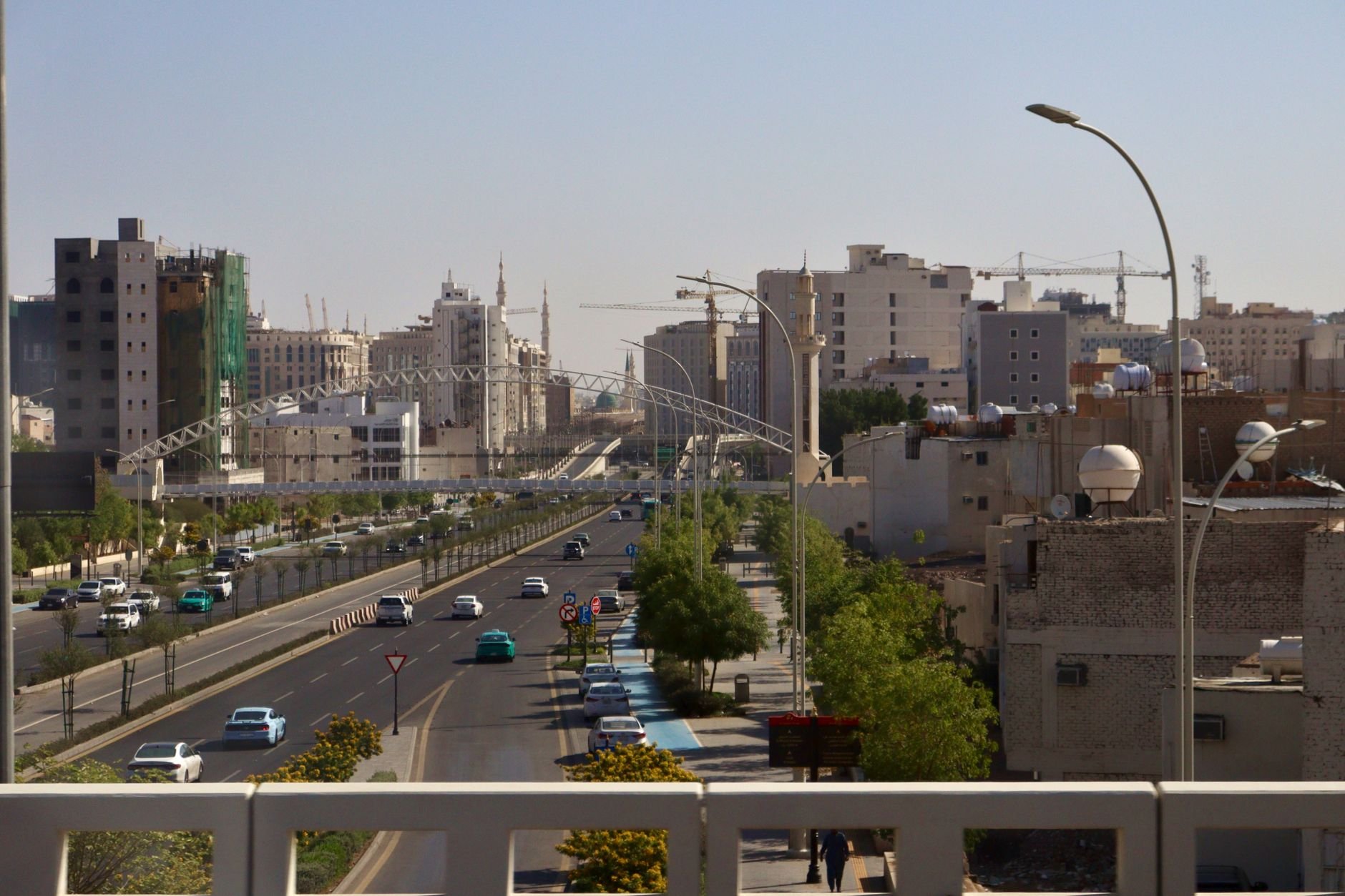
Signing a lease is one of the first big steps when you settle into life in the Kingdom, and Saudi Arabia has made the process clearer and better protected than many newcomers expect. At the heart of it is the Ejar network, the country's official electronic system for rental contracts. This سعودي ليفنج guide walks you through how Ejar works, what a standard contract contains, the fees involved, and the rules that protect both tenants and landlords.
Why Ejar Is Mandatory
In Saudi Arabia, every residential and commercial rental contract must be registered on the Ejar electronic network to be legally valid and enforceable. A lease that isn't documented on Ejar has no administrative or judicial standing, which means you generally can't rely on it for many government services or use it in a dispute.
The platform operates under the Real Estate General Authority (REGA) and the Ministry of Municipal, Rural Affairs and Housing. You access it through the ejar.sa portal and the official Ejar mobile app, both of which use نفاذ for secure single sign-on. Identity and mobile verification are linked to أبشر, so approvals and notifications are sent to the mobile number registered there.
Who Creates the Contract
Here's an important point many tenants miss: you and your landlord cannot simply draft a contract between yourselves on the platform. Ejar contracts must be created and documented through a licensed real estate brokerage office that is registered with Ejar.
- Find a licensed broker to draft and register the lease.
- Make sure your details in أبشر are up to date, since verification runs through your registered mobile number.
- Review every term before you approve the contract electronically.
What the Standard Ejar Contract Contains
Ejar uses a standardized, unified lease template. Once both parties approve it electronically, the contract becomes an executive instrument, meaning it is directly enforceable before courts and enforcement bodies without needing a separate legal case to prove it.
Core data recorded in the contract includes:
- The personal information of both the tenant and the landlord.
- The property address and full details.
- Contract start and end dates.
- The rent amount and the agreed payment method.
- The security deposit.
- The main terms and conditions.
Deposits and Rent Regulation
For residential leases, the security deposit is capped at 5% of the total lease value. That gives tenants a clear ceiling and prevents excessive upfront demands.
There is no national rent cap across the Kingdom. However, a five-year rent freeze inside الرياض applies from 25 September 2025 for existing contracts in the covered areas, holding rents steady for those leases during that period. For anything specific to your area or contract, confirm the current rules on the relevant official Saudi government portal.
Contract Duration and Auto-Renewal
The typical lease term is one year. When you set up the contract, the duration is entered in either Hijri or Gregorian format (years, months, or days), and the system automatically calculates the end date.
Rental contracts across the Kingdom renew automatically on the same terms unless one party notifies the other at least 60 days before expiry that they don't intend to renew. If you plan to move out or renegotiate, mark that 60-day window on your calendar so you don't miss it.
Rent payment cycles are usually monthly, quarterly, or annual, as agreed and recorded in the Ejar contract.
Ejar Documentation Fees
Registering a contract on Ejar carries a regulatory documentation fee. For residential contracts, the fee is:
- 125 ريال سعودي for the first year of a new contract.
- 250 ريال سعودي for each additional year of the same contract.
As an example, a three-year residential contract costs 625 ريال سعودي in total (125 + 250 + 250), paid at documentation. This fee is charged to the landlord or their broker's Ejar wallet and paid by mada.
Practical Tips Before You Sign
- Insist on an Ejar-registered contract, an unregistered lease leaves you exposed.
- Confirm the deposit doesn't exceed 5% of the lease value.
- Check the payment cycle suits your budget before approving.
- Keep the digital copy accessible, you'll need it for utilities and other services.
- Verify all figures and current rules on the official government portals before committing.
Stay updated with the latest news, events, sports updates, business insights, real estate and lifestyle stories on Saudi Living — the leading online platform for residents, expats, and visitors in Saudi Arabia.
Follow Saudi Living for daily updates:
- Instagram - @saudiliving
- X - @saudiliving
- Facebook - @saudiliving
- YouTube - @saudiliving
Up Next
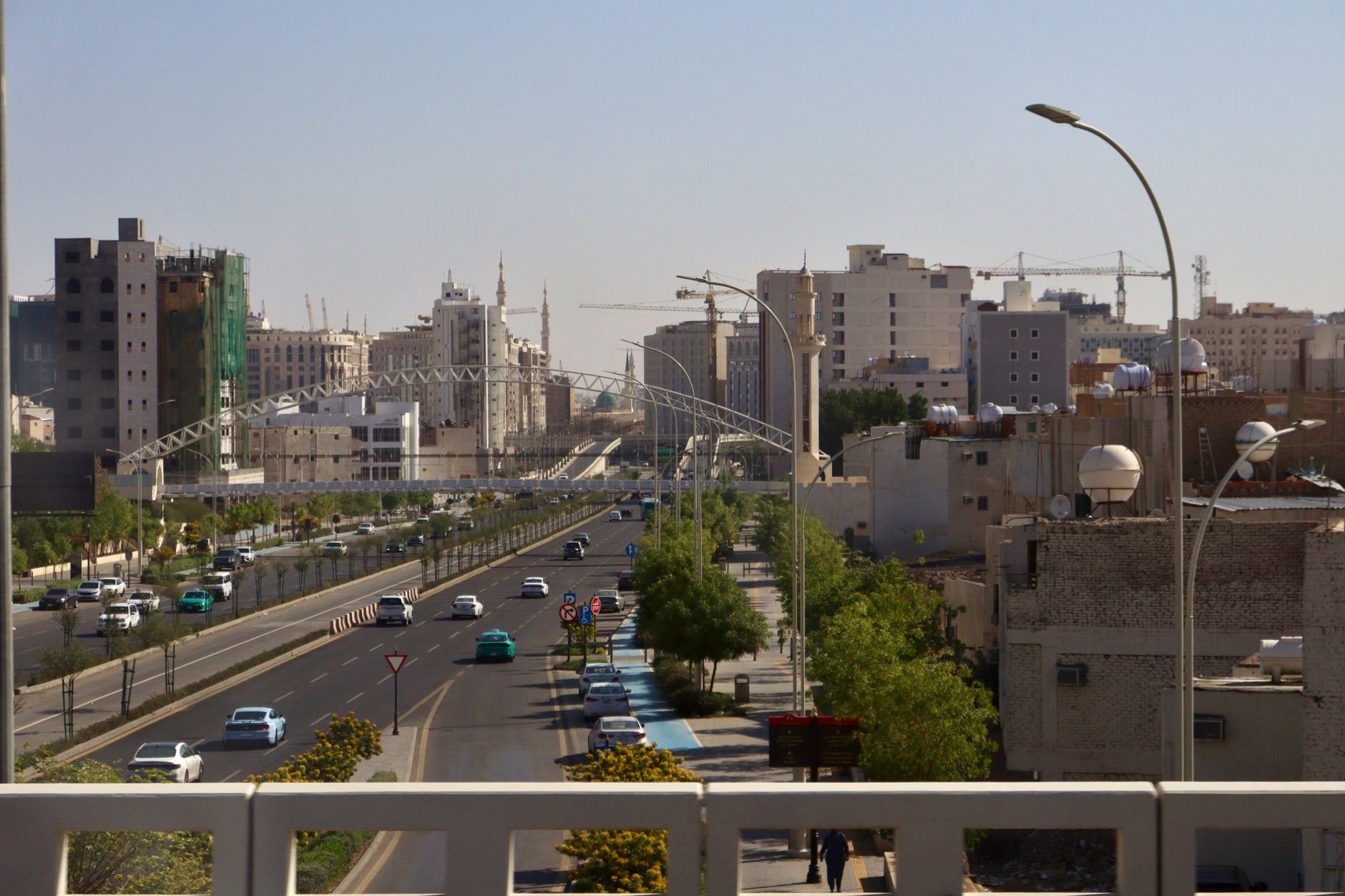
Renting a Home in Saudi Arabia: The Ejar Contract Guide
A practical guide to renting in Saudi Arabia and how the Ejar platform works: steps, fees, digital approval, renewal rules, and legal protection.
Aug 3,2026
Paying Traffic Fines: Absher, SADAD & Najm Explained
A clear Saudi Living guide to paying traffic fines through Absher, Efaa, SADAD and bank apps — and why Najm is for accidents, not fine payment.
Aug 3,2026
Renting in Saudi Arabia: How the Ejar Contract Works
A practical guide to renting a home in Saudi Arabia: registering your lease in Ejar, deposits, rent rules, the Riyadh rent freeze, and eviction protections.
Aug 1,2026
Paying Traffic Fines with Najm and Absher in KSA
How to pay Saudi traffic fines the right way: Absher, SADAD, Muroor, Efaa — and what Najm actually does with your accident claim.
Aug 1,2026Related Stories


Don't Miss Similar Listings
Be the first to know when new stories on this topic are published.


