Setting Up Home Electricity in Saudi Arabia: A Guide
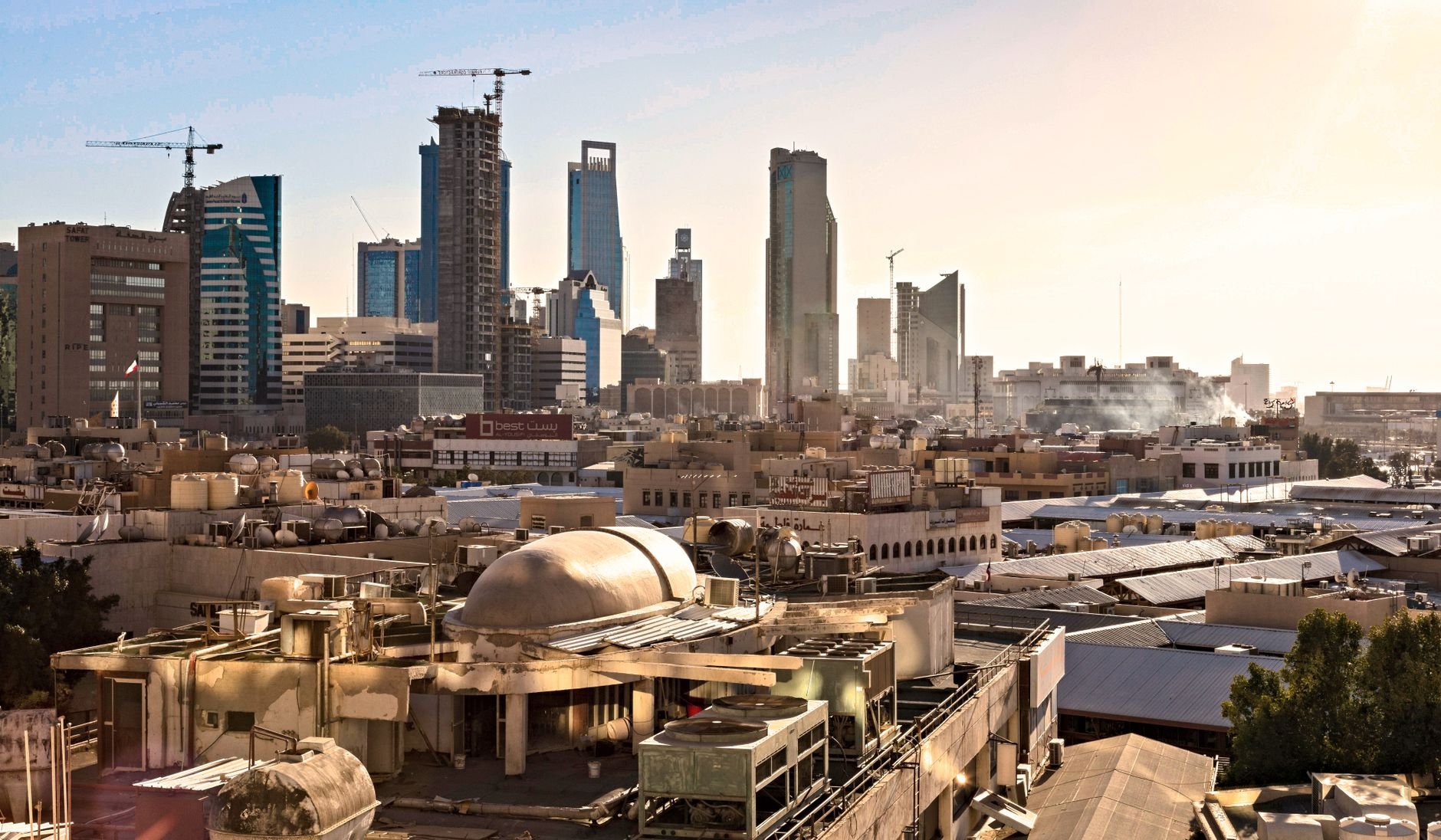
Getting your home connected to electricity is one of the first things to sort out when you move into a new place in Saudi Arabia, whether you are renting, buying, or constructing a building from scratch. The good news is that most of the process is handled digitally through the Saudi Electricity Company, and for an existing property the electronic service itself is free. This guide walks you through the steps for tenants, owners, and new-building connections, along with realistic timelines and the costs you should expect.
Setting up an account for an existing home
If you are moving into a property that already has a meter — rented or owned — you simply declare or add the electricity account through the Saudi Electricity Company's website or app. During setup you select your relationship to the property as one of the following:
- Tenant
- Owner
- Investor
- Heir
For a standard home-account setup, you will not need Absher, Muqeem, Qiwa, Najiz, Nafath, Tawakkalna, or any Ministry portal — everything is done directly with the Saudi Electricity Company.
How tenants get added
For rentals, the property owner or primary beneficiary normally registers the meter first. Once that is in place, you as the tenant are added as a beneficiary using:
- The electricity account number
- Your tenancy (lease) details
- The service start date
This keeps billing linked to the person actually consuming the electricity, which matters for your final bill later.
Ending service when you move out
When your lease ends, don't just hand over the keys — submit a beneficiary-removal request and include your move-out date. A final bill is then issued covering consumption up to that date, so you are not charged for whoever lives there next. Registration and cancellation requests are processed within up to 3 working days. If the company takes longer than it should, you may qualify for SAR 100 compensation plus SAR 20 for each additional working day.
Connecting a brand-new building
If you are constructing a new building, the process is more involved. You apply through Balady after obtaining a valid building permit. The company then issues a coordination certificate that specifies service availability, meter location, required load, breaker capacity, and cable specifications. To proceed you will generally need:
- A valid building permit
- A compliant meter location
- Completed earthing (grounding) work
What a new connection costs
The connection cost depends on your breaker capacity and is calculated at the published SAR-per-kVA rate. To give you a sense of scale, here are some examples:
- 13.8 kVA — around SAR 828
- 57.15 kVA — around SAR 5,429
- 76.2 kVA — around SAR 9,144
- 114.3 kVA — around SAR 13,716
Larger or more complex projects may require additional technical work, such as a preliminary study (SAR 25,000); planning, engineering, and supervision (SAR 75,000); and low-voltage load division at SAR 1,000 including accessories and installation. The electronic application itself is listed as free — the construction and connection costs above are separate.
How long connection takes
Once you have paid, timelines depend on the type of connection:
- Low-voltage connection: normally completed within 20 working days.
- Medium-voltage connection (or low-voltage work that requires medium-voltage network work): up to 60 working days.
If the company exceeds the applicable guaranteed standard, connection-delay compensation of SAR 400, plus SAR 20 for each additional working day, may apply.
Where to apply and a note on tariffs
You can handle everything through the Saudi Electricity Company website and app, the Saudi government services portal, and — for permanent new-building connections — Balady. On pricing for actual consumption, residential tariffs are updated from time to time, so always confirm the current rates on the official Saudi Electricity Company channels before budgeting. Note that any tariff figures announced to take effect on 1 January 2027 should not be treated as today's prices.
Stay updated with the latest news, events, sports updates, business insights, real estate and lifestyle stories on Saudi Living — the leading online platform for residents, expats, and visitors in Saudi Arabia.
Follow Saudi Living for daily updates:
- Instagram - @saudiliving
- X - @saudiliving
- Facebook - @saudiliving
- YouTube - @saudiliving
Up Next

Shipping Your Belongings to Saudi Arabia: Full Guide
A practical guide to shipping and moving your household belongings to Saudi Arabia: customs, brokers, duties, VAT, exemptions and what to declare.
Nov 8,2026
Getting Around Jazan: Transport Options Guide
Your practical guide to getting around Jazan: city buses, taxis, ride-hailing, car rentals, and intercity SAPTCO routes to Jeddah, Abha, and Riyadh.
Nov 7,2026
Moving to Duba: What to Know Before You Arrive
A practical Saudi Living guide to moving to Duba in Tabuk Region: travel access, housing, Iqama steps, and the official portals you'll need.
Nov 7,2026
Getting Around Buraidah: Transport Options Guide
A practical guide to getting around Buraidah: ride-hailing, taxis, buses, car rental, and airport transfers with typical fares and tips.
Nov 7,2026Related Stories




Don't Miss Similar Listings
Be the first to know when new stories on this topic are published.