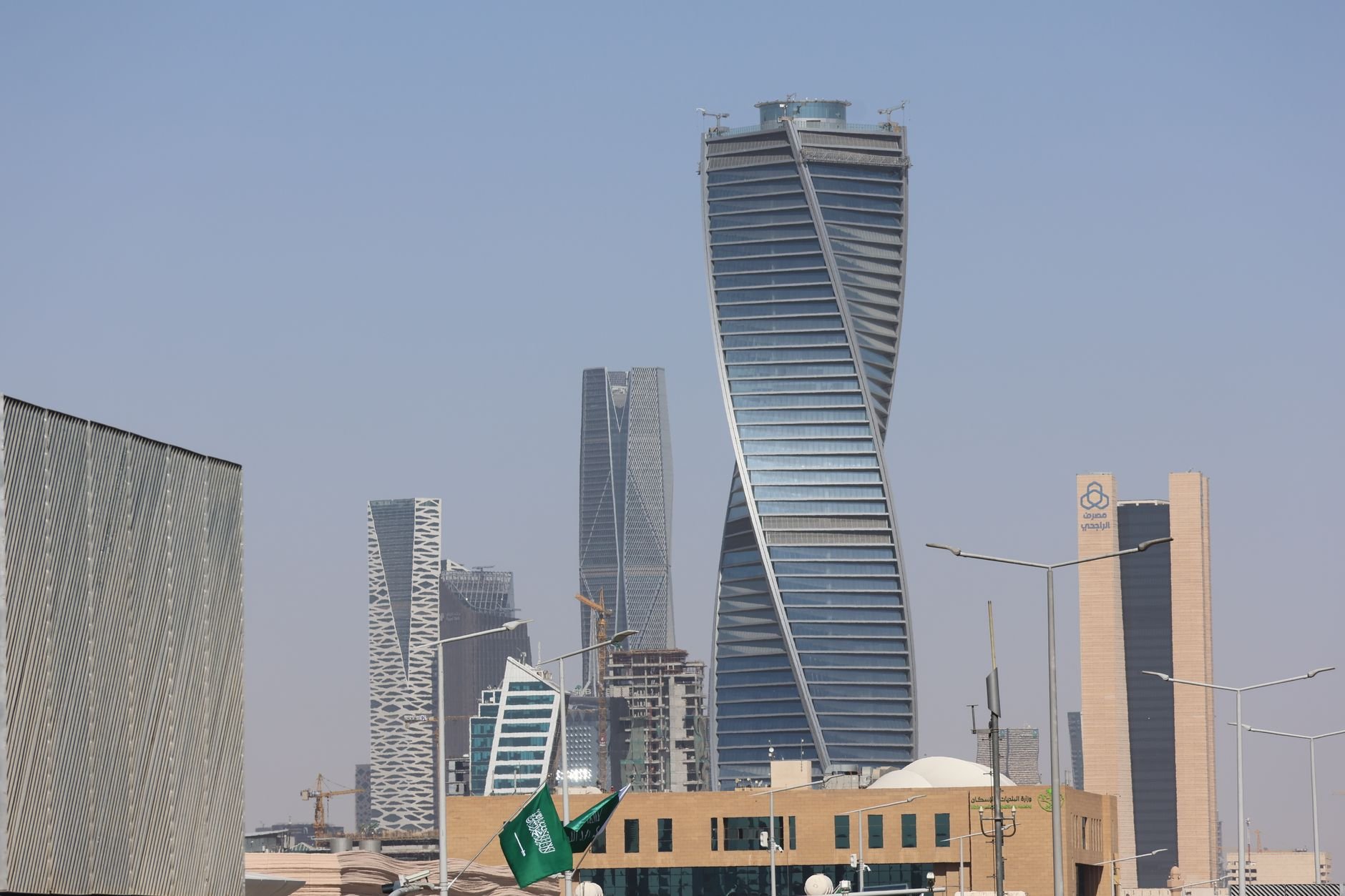
Women in the Saudi Workforce 2026: Jobs & Salary Data
Saudi women are working in record numbers. In the first quarter of 2026, 33.9% of Saudi women aged 15 and above were in the labour force, 30.8% were employed, and female unemployment sat at 9.0% — comfortably above the original Saudi Vision 2030 target of 30%, which the Kingdom passed years ahead of schedule. If you are a woman planning your career in Riyadh, Jeddah or Dammam, here is what the story of women in the Saudi workforce — the new opportunities and salary data for 2026 — actually looks like, backed by the latest participation and wage figures.
The headline numbers for women in the Saudi workforce in 2026
Participation has become one of the clearest success stories of Saudi Vision 2030. It peaked at 36.3% in Q1 2025 before easing to 33.9% in Q1 2026 — still more than double where it started less than a decade ago.
The bar has since been raised. The current national ambition is 40% female labour force participation by 2030, revised upward after the earlier 30% goal was met so quickly. In practical terms, that means employers across the Kingdom are actively expanding the roles open to Saudi women — and the private sector is doing the heavy lifting.
- Participation (Q1 2026): 33.9% of Saudi women aged 15+
- Employment rate: 30.8%
- Female unemployment: 9.0%
- 2030 target: 40% participation
How far Saudi women's participation has come since 2016
To appreciate the shift, rewind to 2016–2017, when only about 17% of Saudi women were in the workforce. Reforms since then — the right to drive, the relaxation of guardianship rules around employment, and Saudization policies that push private companies to hire nationals — have roughly doubled that figure to the mid-30% range.
The result is visible on the ground: women behind the counter at Panda and Tamimi Markets, in cafés along Riyadh's Boulevard City, at hospital reception desks, in law firms, in banks across the King Abdullah Financial District, and increasingly in engineering and tech offices. As of 2025–2026, more than one million Saudi women are employed in the private sector alone.
Young women are entering work fastest
The steepest change is among the youngest cohort. For women aged 18–24, participation jumped from around 10% in 2015 to the low-30% range by 2025. This generation is finishing university and stepping straight into applications, internships and graduate schemes rather than waiting on the sidelines — a genuine cultural and economic reset.
Salary data 2026: what women actually earn
Pay is where the picture gets more nuanced. In Q1 2024, the average monthly wage for Saudi nationals was roughly SAR 10,400 for men and SAR 6,000 for women. That gap has real causes — and it is closing.
The gender wage gap is narrowing
The measured gender wage gap fell from about 39% in Q1 2023 to around 32% in Q1 2024, driven by relatively faster wage growth for women. That is a meaningful move in a single year, and it reflects women moving into better-paid roles as more sectors open up.
Why so many women are still in lower salary bands
The gap is less about equal pay for identical jobs and more about which jobs women hold. In Q1 2024, around 57% of employed Saudi women earned SAR 4,000 per month or less, compared with 29% of Saudi men. National monitoring through 2024–2025 continues to show women concentrated in lower-paying occupations and salary bands.
What this means for you as a jobseeker: the fastest way to move up the pay scale is to target the higher-value sectors early — tech, finance, engineering, healthcare and specialised professional services — rather than defaulting to entry-level retail if you have the qualifications for more.
Where the new opportunities are
Not all sectors are hiring equally. Here is where demand for women is strongest heading through 2026.
Tech, IT and digital roles
Riyadh's tech scene is booming, and companies are explicitly courting Saudi women for software development, data, cybersecurity, product and UX roles. Salaries here sit well above the female average — mid-level tech roles in Riyadh typically pay far more than entry-level positions, and rise further with experience. If you hold a STEM degree or a recognised bootcamp certificate, this is the single biggest lever on your earning power.
Retail, hospitality and the Seasons
Retail and hospitality remain the largest employers of Saudi women and the easiest point of entry, with pay typically starting in the lower salary bands and supervisory or store-management roles paying more. Seasonal events — Riyadh Season, Jeddah Season and Diriyah Season — create thousands of temporary and contract roles each year in guest services, ticketing, coordination and marketing, many of which convert to permanent positions.
Construction, engineering and professional services
The giga-projects — NEOM, Qiddiya, Diriyah Gate and the Red Sea — have opened engineering, project management, HSE and administrative careers to women that barely existed a decade ago. Qualified female engineers and project coordinators typically earn well above the female average, and these employers are motivated to improve their female representation numbers.
How to find and land your next job
The mechanics are the same as for any Saudi national, plus a few practical steps:
- Register on the right platforms — set up your profile on national job portals, and check that your employment details are current in Qiwa if you are moving between private-sector employers.
- Keep your official records in order — make sure your data in Absher is up to date, as employers and government e-services rely on it to verify identity and eligibility during onboarding.
- Target higher-value sectors — if you have the qualifications, apply to tech, finance and engineering roles rather than staying in the lowest salary bands by default.
- Use Saudization to your advantage — companies working to meet Nitaqat targets are actively seeking Saudi women, so make your nationality and eligibility clear on your CV.
- Prepare for hybrid and remote options — many digital roles now offer flexible arrangements, widening what is realistic around family commitments.
Ready to start? Browse the latest jobs for women in Saudi Arabia on Saudi Living, and filter by city and sector to find your next role.
FAQs
What percentage of Saudi women are in the workforce in 2026?
In Q1 2026, 33.9% of Saudi women aged 15 and above were in the labour force, with 30.8% employed. That is down slightly from the 36.3% peak in Q1 2025, but still well above the original Saudi Vision 2030 target of 30%.
What is the average salary for Saudi women?
As of the most recent detailed data (Q1 2024), the average monthly wage for Saudi women was around SAR 6,000, compared with roughly SAR 10,400 for Saudi men. Salaries vary widely by sector — tech, engineering and finance pay considerably more.
Is the gender wage gap in Saudi Arabia closing?
Yes. The measured gap narrowed from about 39% in early 2023 to around 32% in early 2024, as women's wages grew faster than men's. Much of the remaining gap reflects women being concentrated in lower-paying roles rather than unequal pay for identical work.
Which sectors hire the most women in Saudi Arabia?
Retail and hospitality employ the largest numbers and are the easiest entry point, but the fastest-growing higher-paid opportunities are in tech and IT, healthcare, finance, and engineering roles tied to the giga-projects like NEOM and Qiddiya.
How many Saudi women work in the private sector?
More than one million Saudi women are now employed in the private sector, which has been the main driver of recent gains in women's employment.
What is Saudi Arabia's target for women's participation by 2030?
The current national ambition is 40% female labour force participation by 2030, revised upward after the earlier 30% goal was reached years ahead of schedule.
Stay updated with the latest news, events, sports updates, business insights, real estate and lifestyle stories on Saudi Living — the leading online platform for residents, expats, and visitors in Saudi Arabia.
Follow Saudi Living for daily updates:
- Instagram - @saudiliving
- X - @saudiliving
- Facebook - @saudiliving
- YouTube - @saudiliving
Related Stories




Don't Miss Similar Listings
Be the first to know when new stories on this topic are published.