
Your Rights as a Tenant in Saudi Arabia: Full Guide
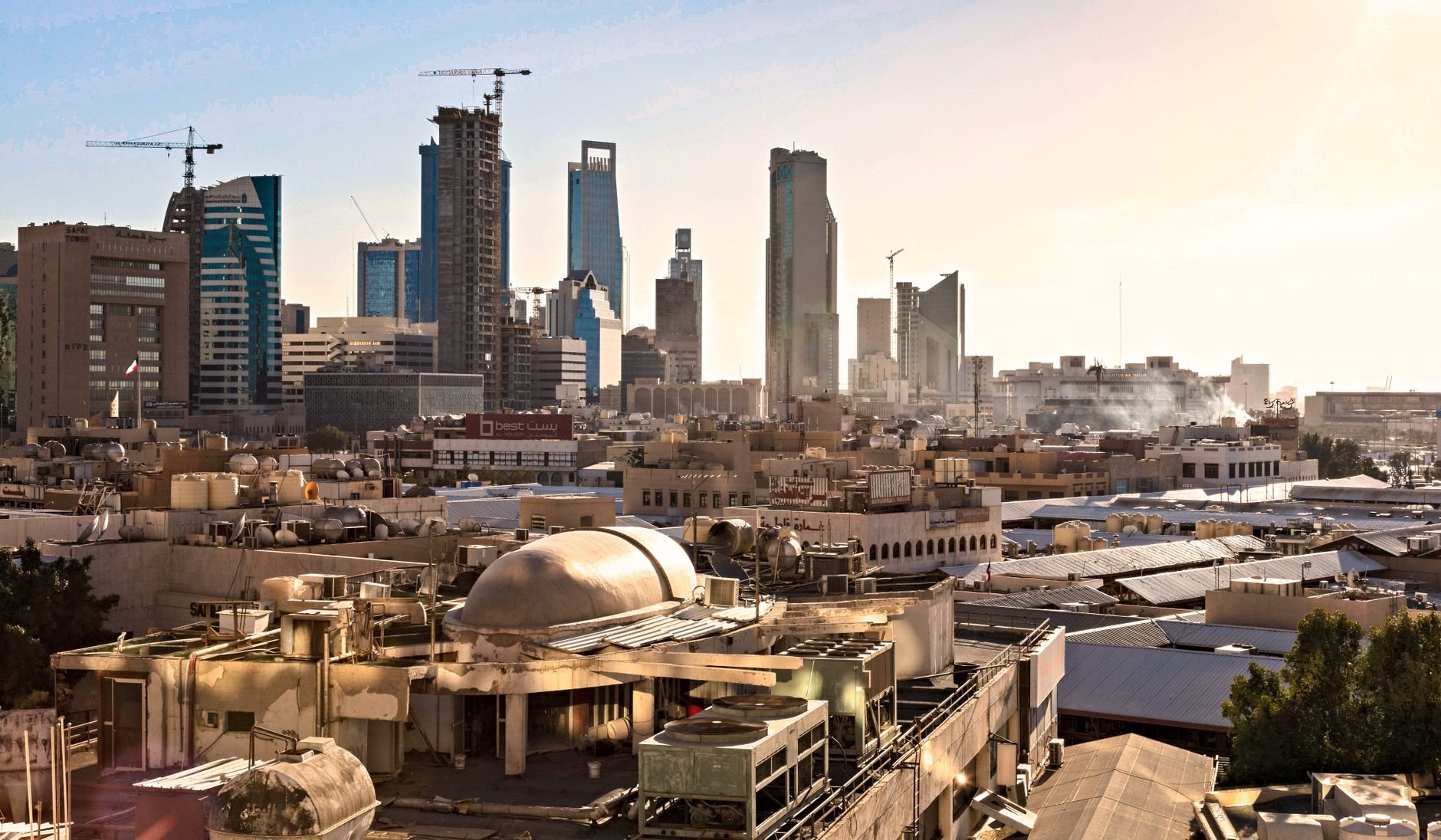
Renting a home in Saudi Arabia comes with a clear set of legal protections designed to keep the relationship between you and your landlord fair and transparent. Whether you are a long-term resident or newly arrived, understanding these rights helps you avoid disputes, protect your money, and know exactly what to do if something goes wrong. This guide from سعودي ليفنج walks you through the essentials every tenant should know before signing and while living in a rented property.
Your contract must be registered on Ejar
Every residential and commercial lease in Saudi Arabia must be registered on the Ejar electronic platform. This is not a formality you can skip — an unregistered lease is not legally recognized and cannot be used to access administrative services or judicial protection.
- Registering the lease on Ejar is a legal obligation on the landlord, not an optional extra, under the framework in force since 25 September 2025.
- A registered lease is treated as an enforceable executive document, meaning it can be acted on directly through the Enforcement Court in cases of dispute or non-payment.
- You have the right to have your lease documented electronically and to review and contest the contract data.
Before paying anything, confirm the contract is issued through Ejar in your name with the correct terms.
Protection from eviction
You cannot be forced out of your home arbitrarily. Eviction requires a court order based on clear legal grounds such as a serious contract violation or non-payment of rent.
- Landlords must give at least 30 days' written notice before ending a lease, and you may stay in the property until that notice period ends.
- Illegal self-help eviction — such as changing locks or removing belongings without a court order — can expose the landlord to fines of up to 12 months' rent.
If you face pressure to leave without proper legal process, keep records and raise the matter through official channels.
Rent increases and the Riyadh freeze
During the lease term, your rent cannot be increased unless the contract explicitly includes a rent-increase mechanism. Any increase requires your express consent.
- Within the urban boundaries of Riyadh, annual rent increases for both residential and commercial properties — existing and new contracts — are frozen for five years, from 25 September 2025 to 2030. Rent values are fixed during this period.
- Outside Riyadh there is no national rent cap. Rent levels depend on the contract, and increases typically happen at renewal rather than mid-term, unless the contract allows a mid-term adjustment.
Security deposits
Security deposits are common in residential leases. Recent practice and guidance cap the deposit at 5% of the total lease value, although earlier frameworks described typical deposits as one to two months' rent. Make sure the deposit amount and the conditions for its return are written clearly in the contract so you can reclaim it fairly at the end of the tenancy.
Use of the property, repairs and maintenance
You are entitled to full use of the property for the entire contract duration without unjustified interference from the landlord. The home must also be fit for habitation and match the specifications agreed in the lease.
- The landlord is obligated to repair major defects and carry out essential maintenance at their own expense.
- You may terminate the contract without penalty in specific cases — for example, major defects preventing use, the landlord breaching their obligations, or the property being unsuitable for residence or the agreed purpose.
What to do if a dispute arises
Because a registered Ejar lease is an enforceable document, disputes over non-payment, deposit returns, or breach of terms can be pursued through the Enforcement Court. Practical steps to protect yourself:
- Keep the Ejar contract, payment receipts, and any written communication with your landlord.
- Document the property's condition when you move in and out, ideally with dated photos.
- Confirm current procedures, deadlines, and any figures on the relevant official Saudi government portal before taking action.
Knowing these rights lets you rent with confidence and respond quickly and correctly if problems appear.
Stay updated with the latest news, events, sports updates, business insights, real estate and lifestyle stories on Saudi Living — the leading online platform for residents, expats, and visitors in Saudi Arabia.
Follow Saudi Living for daily updates:
- Instagram - @saudiliving
- X - @saudiliving
- Facebook - @saudiliving
- YouTube - @saudiliving
Up Next

Opening a Bank Account in Saudi Arabia as an Expat
A practical 2026 guide for expats on opening a Saudi bank account: eligibility, required documents, National Address, and step-by-step digital onboarding.
Aug 31,2026
Getting a Saudi SIM Card & Mobile Plan: Newcomer Guide
A practical guide for newcomers to Saudi Arabia on getting a SIM card, choosing prepaid or postpaid, activating with your ID, and staying connected.
Aug 31,2026
Staying Safe in the Saudi Summer Heat: A Guide
Practical tips to stay safe during the Saudi summer: peak-heat hours, hydration, clothing, heat-exhaustion warning signs, and worker and Hajj advice.
Aug 31,2026
Cash vs Bank Transfer: Safe Used-Item Payments in KSA
Cash vs. bank transfer for used item sales in Saudi Arabia: safe payment methods, real SARIE/mada fees, receipts and tips to avoid scams.
Aug 30,2026Related Stories
Your Rights as a Tenant in Saudi Arabia
Oct 28,2026
Your Rights as a Tenant in Saudi Arabia
Oct 25,2026
Your Rights as a Tenant in Saudi Arabia
Oct 24,2026
Your Rights as a Tenant in Saudi Arabia
Oct 23,2026
Your Rights as a Tenant in Saudi Arabia
Oct 22,2026

Don't Miss Similar Listings
Be the first to know when new stories on this topic are published.





