Bringing Your Pet to Saudi Arabia: Rules & Process
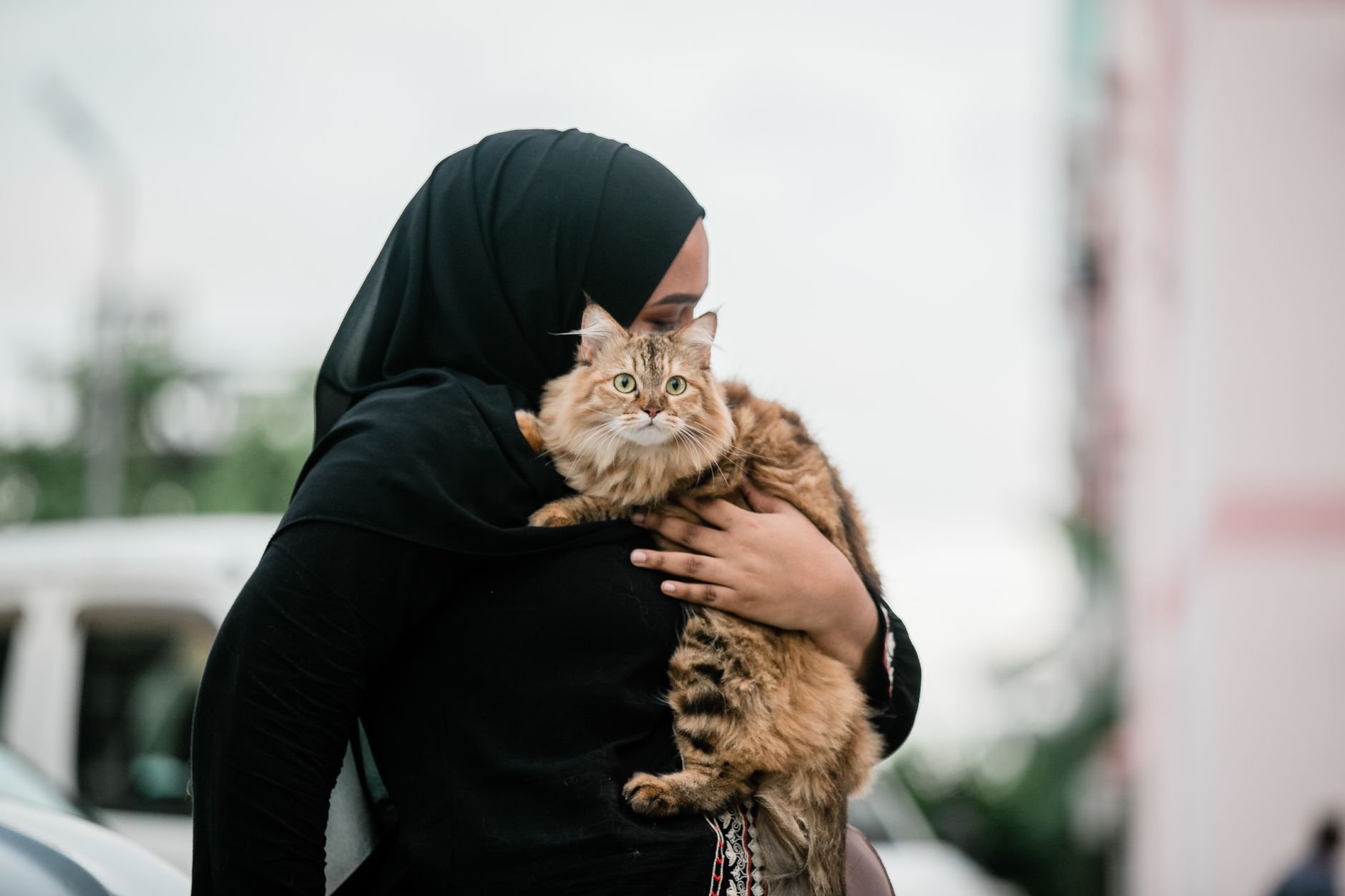
Relocating to Saudi Arabia with a beloved dog or cat is entirely possible, but it takes planning. The Kingdom allows the import of live animals as long as you hold a valid veterinary health certificate confirming the animal is free of epidemic diseases and you obtain prior approval from the Ministry of Environment, Water and Agriculture (MEWA). Because several steps are time-sensitive — vaccinations, blood tests, and a permit with a short validity window — it pays to start the process weeks before you fly. This guide walks you through what to prepare, in what order, and what to expect on arrival.
The MEWA import permit
Every dog or cat entering Saudi Arabia needs an official import permit from MEWA, issued online through the national Naama/Anaam electronic platform before you travel. A few key points to keep in mind:
- The permit is typically valid for 30 days from issuance, so time your application close to your travel date.
- One permit generally covers up to two pets.
- An importer can usually be issued one permit roughly every 180 days.
- You must hold a Saudi national ID, passport, or iqama, and you'll typically need access to the national e-services platform linked to Absher to apply.
For the exact permit fee, confirm the current amount on the official MEWA/Naama platform at the time you apply, as service charges can change.
Documents you'll need to upload
When submitting the Naama/Anaam application, prepare digital copies of the following:
- The pet's vaccination record or pet passport showing the microchip number or identification details.
- A copy of the owner's national ID, passport, or iqama.
- A health certificate from an accredited veterinary clinic.
- A clear photo of the pet.
Health and vaccination requirements
Saudi Arabia applies strict animal-health standards. Before travel, your dog or cat must meet the following:
- Microchip: An ISO-standard microchip must be implanted, and it should be readable and match the paperwork.
- Rabies vaccination: Required for dogs and cats over three months of age. The shot must generally be given at least 30 days and no more than 12 months before entry.
- Rabies antibody titer (FAVN) test: For many countries of origin, a blood test showing a result of ≥0.5 IU/ml is required before the permit and travel. This test has lead time, so arrange it early.
- Core cat vaccines: Cats also need vaccination against panleukopenia, rhinotracheitis, and calicivirus, documented in the vaccination booklet.
- Veterinary health certificate: A government-endorsed certificate issued shortly before travel — commonly within 10 days of departure.
Customs clearance and arrival airports
Pets must arrive through designated international airports equipped with animal quarantine and customs facilities, such as Riyadh (RUH), Jeddah (JED), or Dammam (DMM). On arrival, agricultural consignments — including pets — are referred to animal and plant quarantine for physical examination and document verification.
Because a pet is treated as a personal import, you'll also go through customs:
- A prior customs declaration and clearance via Fasah is required, and a customs broker is generally used for personal imports.
- Under a 2024 rule, the customs processing service fee is calculated as 0.15% of the value of the incoming goods, while export service fees are waived.
Confirm the current declaration and handling costs on the official customs portal, as these depend on the declared value and other factors.
A practical timeline
To avoid last-minute problems, work backwards from your flight:
- Months ahead: Microchip your pet, then vaccinate against rabies (and complete cat core vaccines).
- After rabies vaccine: Arrange the FAVN titer test if your origin requires it, allowing for lab turnaround.
- Within 30 days of travel: Apply for the MEWA import permit on Naama/Anaam.
- Within about 10 days of travel: Obtain the government-endorsed veterinary health certificate.
- Before landing: Book an approved arrival airport, prepare your Fasah declaration, and line up a customs broker.
Always verify the latest requirements, fees, and eligible countries on the official MEWA and Saudi customs portals before booking, since rules can be updated. With careful preparation, bringing your pet into the Kingdom can be a smooth part of your move.
Stay updated with the latest news, events, sports updates, business insights, real estate and lifestyle stories on Saudi Living — the leading online platform for residents, expats, and visitors in Saudi Arabia.
Follow Saudi Living for daily updates:
- Instagram - @saudiliving
- X - @saudiliving
- Facebook - @saudiliving
- YouTube - @saudiliving
Up Next

Registering a Newborn's Birth in Saudi Arabia
A practical guide to registering your newborn in Saudi Arabia through Absher, getting the birth certificate, delivery to your address, and key timing rules.
Aug 24,2026
Saudi Arabia Tourist Visa: Who Can Apply & How
A practical guide to Saudi Arabia's tourist visa: eligibility, eVisa vs visa on arrival, package visas, fees, and how to apply step by step.
Aug 24,2026
Domestic Flights in Saudi Arabia: Airlines & Routes
A practical guide to domestic flights in Saudi Arabia: the airlines, hubs, busiest routes, and fare tips for travelling between the Kingdom's cities.
Aug 24,2026
What's On in Saudi Arabia: 23-30 Aug 2026
Your guide to the best events across Saudi Arabia this week, from FIBA basketball in Jeddah to festivals in Riyadh, Abha and Buraydah.
Aug 23,2026Related Stories






Don't Miss Similar Listings
Be the first to know when new stories on this topic are published.