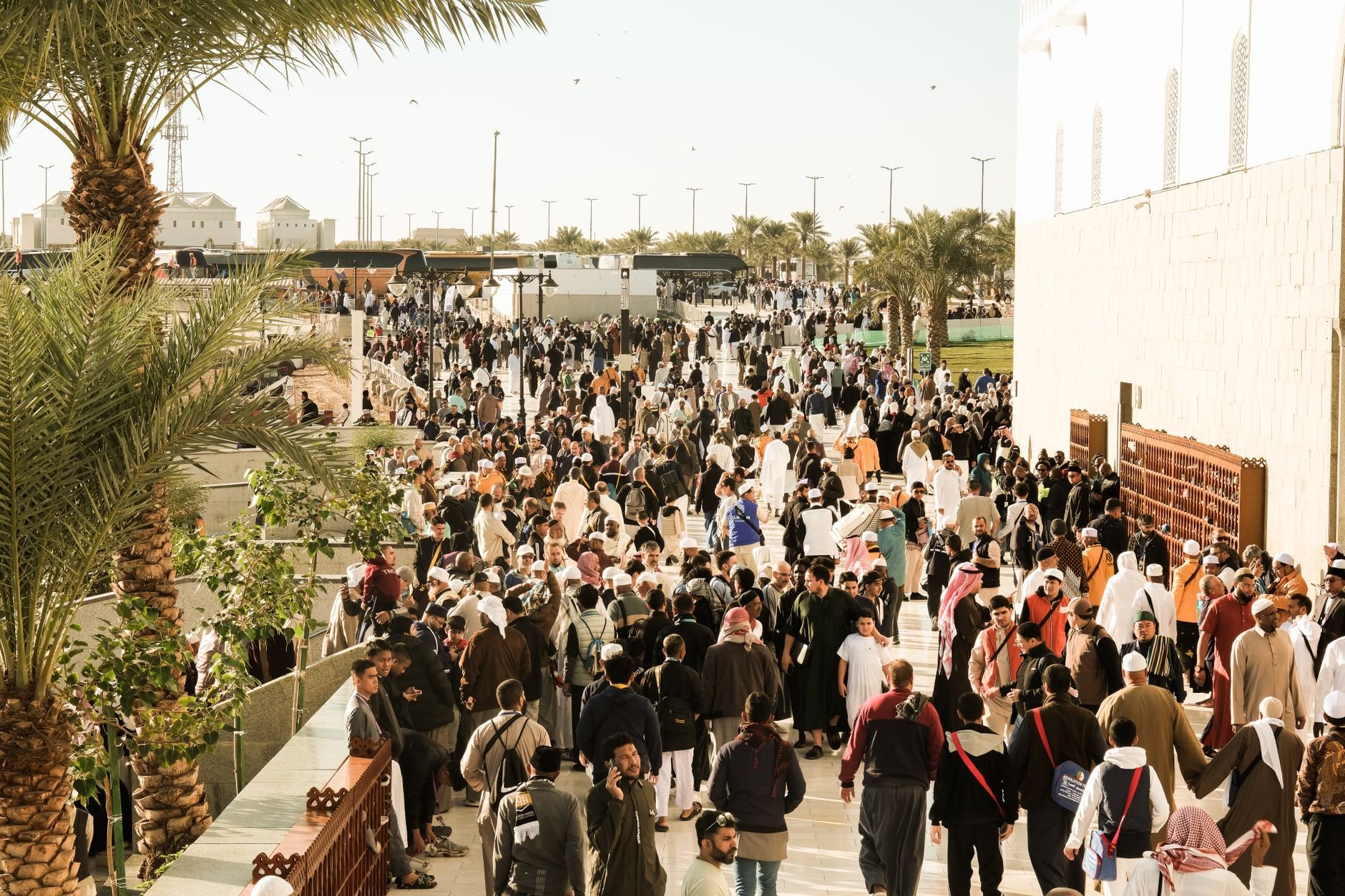
Opening a Bank Account in Saudi Arabia as an Expat

Opening a bank account is one of the first practical steps for anyone settling into life in Saudi Arabia — you'll need it to receive your salary, pay rent, set up utilities, and use everyday delivery and shopping apps. The good news is that the process for residents has become largely digital, and in most cases you can complete it from your phone in a single session. This guide from سعودي ليفنج walks you through who is eligible, what you'll need, and how the account-opening flow actually works.
Who can open an account
If you are a resident with a valid Iqama, you can open a personal bank account in Saudi Arabia. Banks will run their standard identity and documentation checks, but holding a valid residence permit is the key requirement that opens the door.
Non-residents generally cannot open a standard personal account. The legal pathway is designed around residents with an Iqama, while people who are not resident are usually directed toward investment-related accounts that require separate approvals. In practice, this means securing your Iqama is the milestone that makes a personal account possible.
Documents you'll need
Requirements vary slightly by bank, but you should have the following ready before you start:
- Valid Iqama (residence permit)
- Passport
- A Saudi mobile number registered in your name
- Address details — including your Saudi national address and your home-country address
- An employer or salary letter, which many banks request
Under the rules set by the Saudi Central Bank, banks may open accounts for expatriates who hold a valid residence permit, provided both the Saudi address and the home-country address are recorded. Having your national address registered in advance makes the process smoother.
The digital opening process step by step
For 2026, onboarding is increasingly fully digital across banks, done through the bank's own app rather than requiring a branch visit. The typical flow looks like this:
- Download the bank's app or open its website and start a new account application.
- Enter your Iqama number and mobile number.
- Receive a one-time password (OTP) and confirm it.
- Verify your identity through نفاذ (Nafath), which may use your أبشر (Absher) login to confirm who you are.
- Complete the remaining application details, including your address information.
- Receive your IBAN and account number once approved.
Because the identity check runs through Nafath and Absher, make sure your Absher account is active and your mobile number is up to date before you begin — an out-of-date number is the most common reason people get stuck.
Fees and minimum balance
There is no official universal government fee for simply opening a standard expat personal account, and the opening process itself is often described as free. That said, bank-specific charges can still apply for services such as cards, transfers, or falling below a minimum-balance condition.
Some banks may require a minimum opening balance or a minimum ongoing balance depending on the account type. These amounts are not standardized — they are set by each bank — so it's worth comparing account types and asking about any balance conditions before you commit.
Getting your debit (Mada) card
Once your account is active, your debit card is usually delivered in one of two ways:
- Instant printing from a self-service kiosk — with at least one bank noting that kiosk printing should be completed within about three days.
- Courier delivery to your registered address.
Keep your national address accurate and current, since courier delivery relies on it. If your bank offers instant kiosk printing, that's often the fastest way to start using your account.
Practical tips before you start
- Register your national address ahead of time — banks now rely on it heavily in the digital KYC flow.
- Make sure your Saudi mobile number is registered in your own name and linked to Absher.
- Have your salary or employer letter ready in case the bank requests it.
- Compare account types for fees, card options, and any minimum-balance rules.
- Always confirm the latest requirements and any charges directly through the bank's official app or website, as details can change.
With a valid Iqama and your documents in order, opening an account in Saudi Arabia is now a straightforward, mostly digital task. Prepare your Nafath and Absher access, register your national address, and you can typically be up and running with an IBAN in a single sitting.
Stay updated with the latest news, events, sports updates, business insights, real estate and lifestyle stories on Saudi Living — the leading online platform for residents, expats, and visitors in Saudi Arabia.
Follow Saudi Living for daily updates:
- Instagram - @saudiliving
- X - @saudiliving
- Facebook - @saudiliving
- YouTube - @saudiliving
Up Next

Getting Around Buraidah: Transport Options Guide
A practical guide to getting around Buraidah: public buses, Saudi Railways, Uber, taxis, and airport access in the Qassim region.
Aug 1,2026
Top Things to Do in Khamis Mushait: Local Guide
Discover the best of Khamis Mushait in Asir: the Boulevard promenade, family green parks, and evening strolls. Timings, prices, and practical tips.
Aug 1,2026
Getting Around Bisha: Transport Options Guide
Your practical guide to getting around Bisha in Asir: taxis, ride-hailing apps, minibuses, local buses, walking, and car rental options.
Aug 1,2026
Top Things to Do in AlUla: A Complete Guide
Discover the best of AlUla: Hegra, Elephant Rock, Old Town, Maraya, oases, nature reserves, and the 2026 events calendar in this practical guide.
Aug 1,2026Related Stories




Don't Miss Similar Listings
Be the first to know when new stories on this topic are published.