Ramadan in Saudi Arabia: A Resident's Guide
Ramadan is one of the most significant times of the year in Saudi Arabia, transforming the rhythm of daily life for everyone in the Kingdom — Muslims and non-Muslims alike. For residents and newcomers, understanding how the holy month works helps you show respect, adjust your routine, and genuinely enjoy the unique atmosphere. This guide from سعودي ليفنج walks you through the essentials of living through Ramadan in Saudi Arabia.
What Ramadan means and how it shapes the day
Ramadan is the ninth month of the Islamic lunar calendar, when Muslims fast from dawn (Fajr) until sunset (Maghrib), abstaining from food, drink, and other physical needs during daylight hours. Because the Islamic calendar follows the moon, Ramadan begins about ten to eleven days earlier each year and its exact start is confirmed by official moon sighting in the Kingdom.
The daily rhythm shifts noticeably: mornings are quieter, afternoons slow down, and the city comes alive after sunset. The fast is broken at Maghrib with a meal called Iftar, and a pre-dawn meal called Suhoor sustains people through the fasting hours.
Working hours and daily routine
Working hours are typically reduced during Ramadan across both public and private sectors, with regulations set by the authorities to shorten the workday for those who are fasting. Many offices, government services, and businesses operate on adjusted schedules.
- Expect shorter and shifted working hours — confirm your specific schedule with your employer.
- Government service timings often change; check the relevant portals such as أبشر before visiting in person.
- Traffic peaks sharply in the hour or two before Iftar as people rush home, so plan travel accordingly.
- Life extends late into the night — shops, restaurants, and cafes stay open well past midnight.
Etiquette for residents and non-Muslims
Whether or not you are fasting, a few respectful habits go a long way during Ramadan:
- Do not eat, drink, or smoke in public during daylight hours. This applies to everyone in public spaces.
- Dress modestly, as you would year-round, and be mindful that the atmosphere is more reflective.
- Keep music and noise at reasonable levels in public.
- Greetings like "Ramadan Kareem" or "Ramadan Mubarak" are warmly received.
- If invited to an Iftar, accepting is a lovely way to experience local hospitality — arriving with a small gift is appreciated.
Non-Muslim residents are not required to fast, but eating and drinking should be done privately, at home or in designated areas.
Food, Iftar and Suhoor
Food is at the heart of Ramadan evenings. Iftar traditionally begins with dates and water or a warm drink, followed by soups, appetizers, and a main meal shared with family and friends. Suhoor, eaten before dawn, tends to be lighter and helps sustain energy through the day.
- Many restaurants offer special Iftar and Suhoor menus or buffets — reservations are recommended as demand is high.
- Food delivery apps become extremely busy around Iftar, so order early if you plan to have food delivered.
- Grocery stores and supermarkets can be crowded in the late afternoon; shopping earlier in the day is easier.
- Ramadan tents and gatherings are common, offering a social, festive dining experience.
Prayers and spiritual life
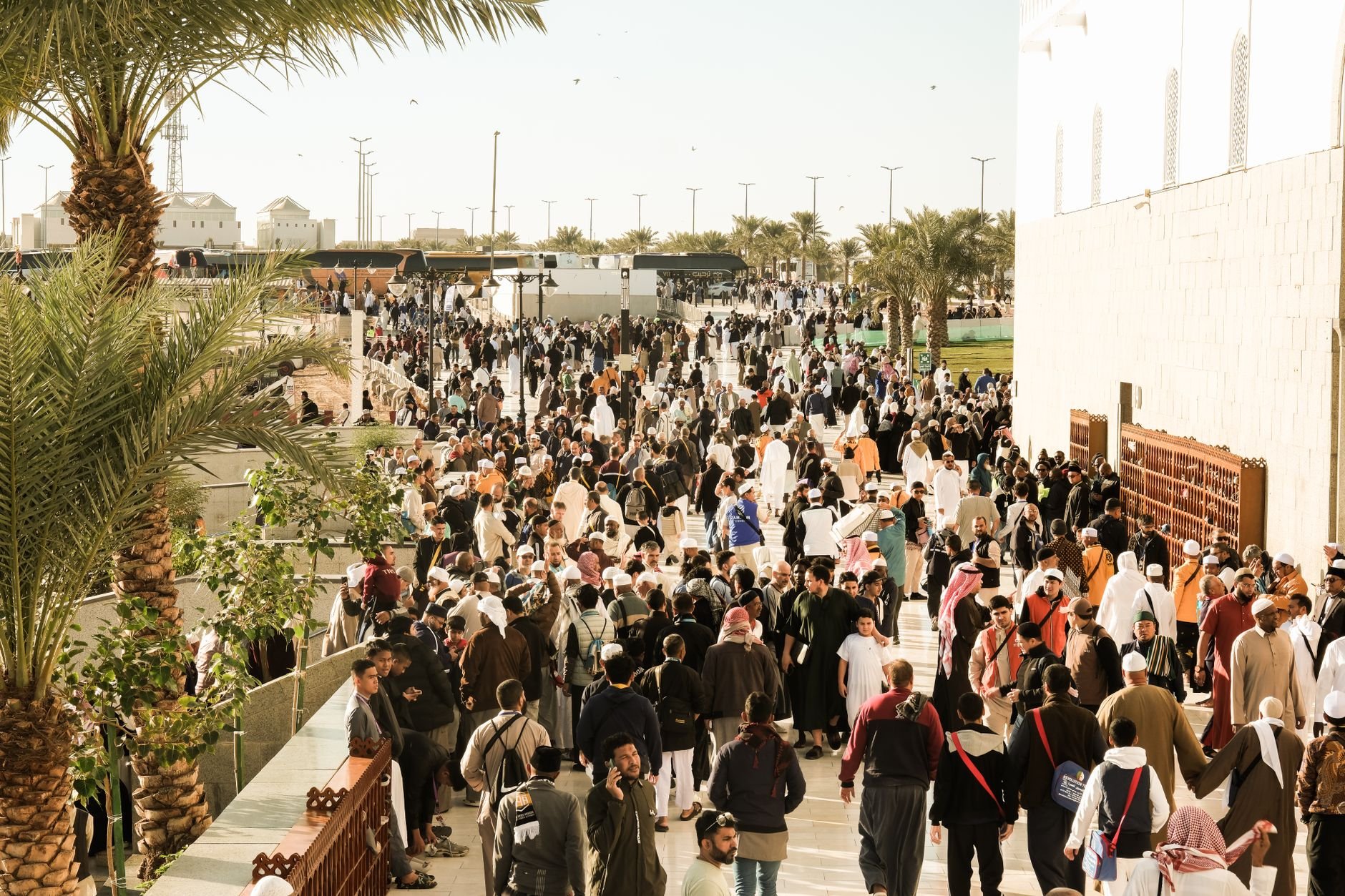
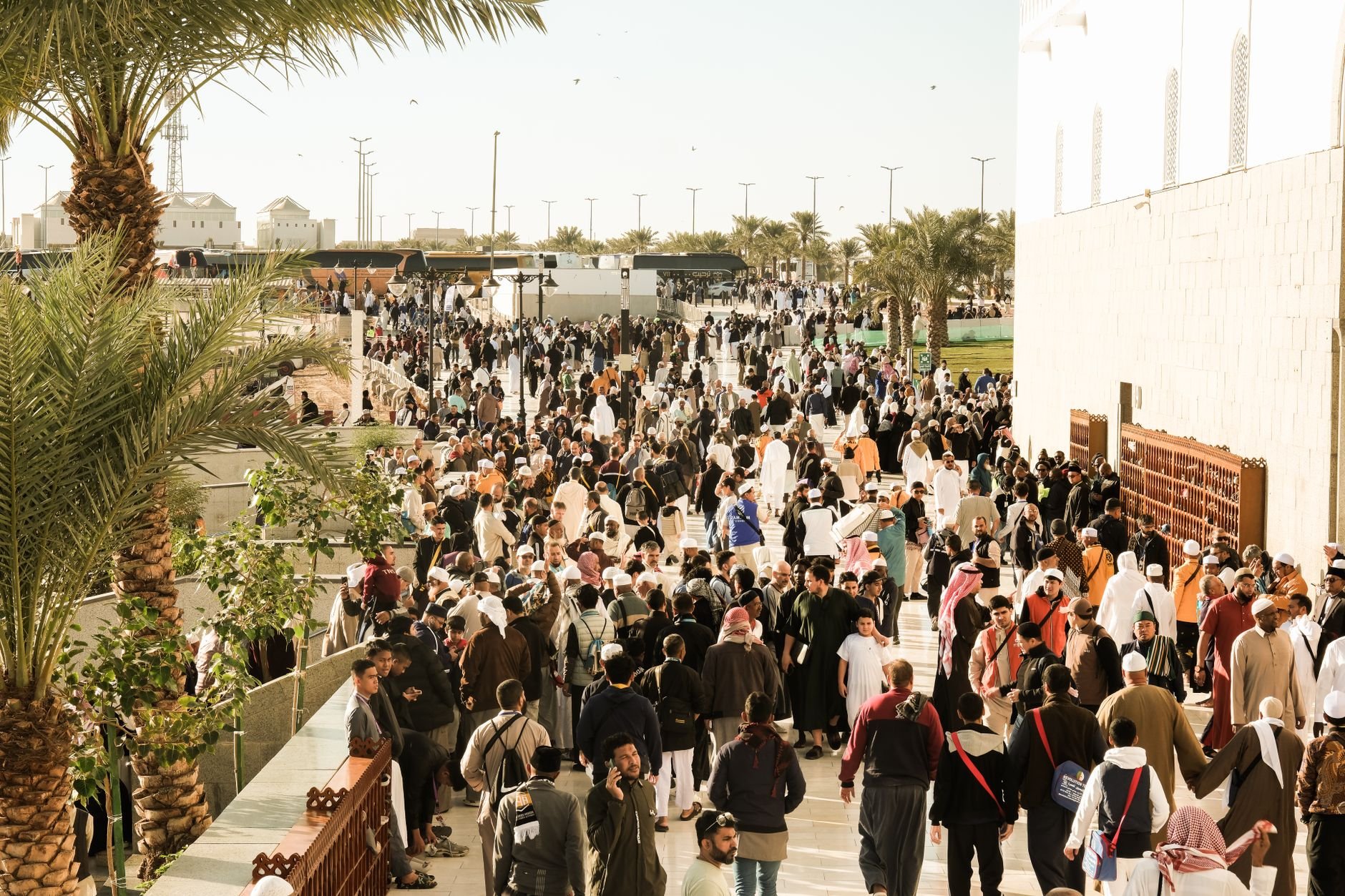
Ramadan is deeply spiritual. After the Isha prayer, mosques hold special nightly prayers called Taraweeh, and in the final ten nights many perform Qiyam prayers late into the night. The last ten nights are especially significant, including Laylat al-Qadr (the Night of Decree).
Mosques fill with worshippers, and the sound of Quran recitation carries a special resonance during this month. Visitors and residents will notice increased charitable activity, as giving to those in need is a central part of the season.
Shopping, entertainment and the festive mood
Evenings during Ramadan are lively and social. Markets, malls, and seasonal festivals stay busy late into the night, and many venues host special Ramadan events and decorations.
- Retailers and malls often run Ramadan promotions — availability and timing vary, so check current offers directly.
- Cultural events, night markets, and family gatherings are common throughout the month.
- As Ramadan ends, preparations for Eid al-Fitr begin, with shopping for new clothes, gifts, and sweets reaching a peak.
Practical tips to stay comfortable
- Stay hydrated during non-fasting hours and, if fasting, prioritize water at Suhoor and Iftar.
- Plan errands and appointments for the morning when possible.
- Be patient and courteous — energy levels dip in the afternoons for those fasting.
- Confirm changed opening hours for banks, clinics, and government offices before heading out.
Ramadan in Saudi Arabia is a memorable experience marked by generosity, community, and a distinctive nighttime energy. With a little awareness and respect, residents of all backgrounds can share in one of the Kingdom's most cherished times of year.
Stay updated with the latest news, events, sports updates, business insights, real estate and lifestyle stories on Saudi Living — the leading online platform for residents, expats, and visitors in Saudi Arabia.
Follow Saudi Living for daily updates:
- Instagram - @saudiliving
- X - @saudiliving
- Facebook - @saudiliving
- YouTube - @saudiliving
Related Stories




Don't Miss Similar Listings
Be the first to know when new stories on this topic are published.