Ramadan in Saudi Arabia: What Residents Should Know
Ramadan is the most significant month of the year across Saudi Arabia, and daily life shifts in noticeable ways — from working hours and bank timings to when shops, restaurants, and malls open. If you live in the Kingdom or are planning to move here, understanding how the month works will help you plan work, errands, and family time smoothly. This guide from سعودي ليفنج walks you through the practical essentials, with a focus on what residents and expats actually need to know.
When is Ramadan 2026?
In the official 2026 calendar, Ramadan 1447 AH is scheduled to run from 17 March to 23 March 2026. Keep in mind that the exact start date and the date of Eid al-Fitr depend on the official crescent-moon sighting announcement, so the dates may shift by a day in either direction. It is worth confirming the final dates closer to the time through official Saudi announcements.
Note that Ramadan itself is not a public holiday — it is a working month, but with reduced hours. The public holiday falls at Eid al-Fitr, at the end of the month.
Working hours during Ramadan
Working hours are shortened during Ramadan, and the rules differ between the private and government sectors.
- Private sector: Muslim employees may work a maximum of 6 hours per day or 36 hours per week during Ramadan.
- Government sector: Working hours are generally limited to 5 hours per day, commonly from 10:00 to 15:00. Individual ministries may adjust their start and end times within the permitted limits, and they must notify employees of the schedule.
If you work in the private sector, it is a good idea to confirm your specific schedule with your employer, since companies organise shifts in different ways while staying within the legal limits.
Banks and money services
Banking hours change during Ramadan, so plan branch visits and transfers accordingly:
- Bank branches serving customers: generally operate 10:00–16:00.
- Remittance centres and payment-service providers: operate for six flexible hours, generally between 09:30 and 17:30.
- RTGS (real-time gross settlement) hours: generally 10:00–16:00.
For most everyday needs — paying bills, transferring money, checking balances — banking apps remain available around the clock, so you can handle the majority of transactions without visiting a branch.
Shops, restaurants, and malls
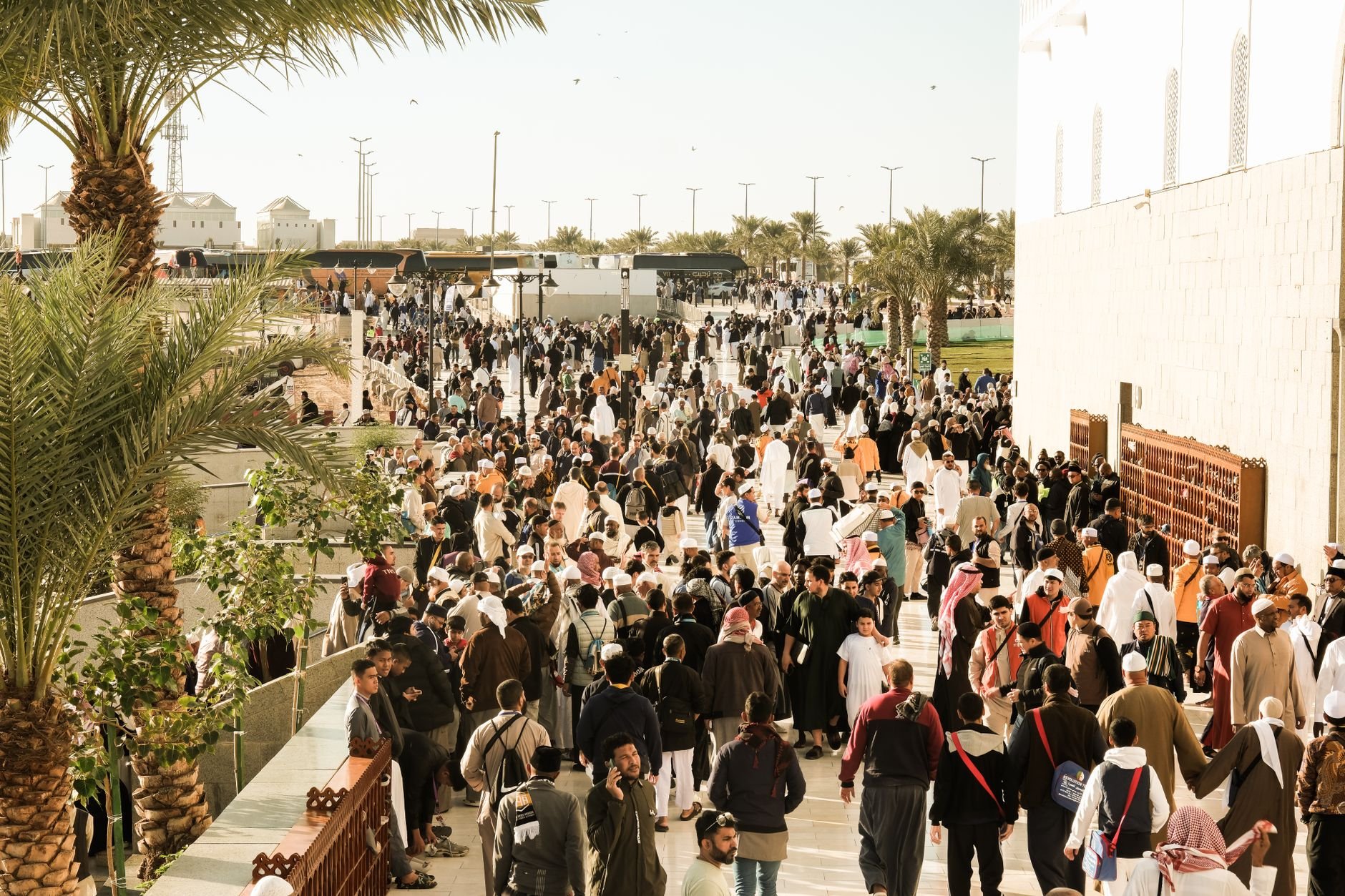
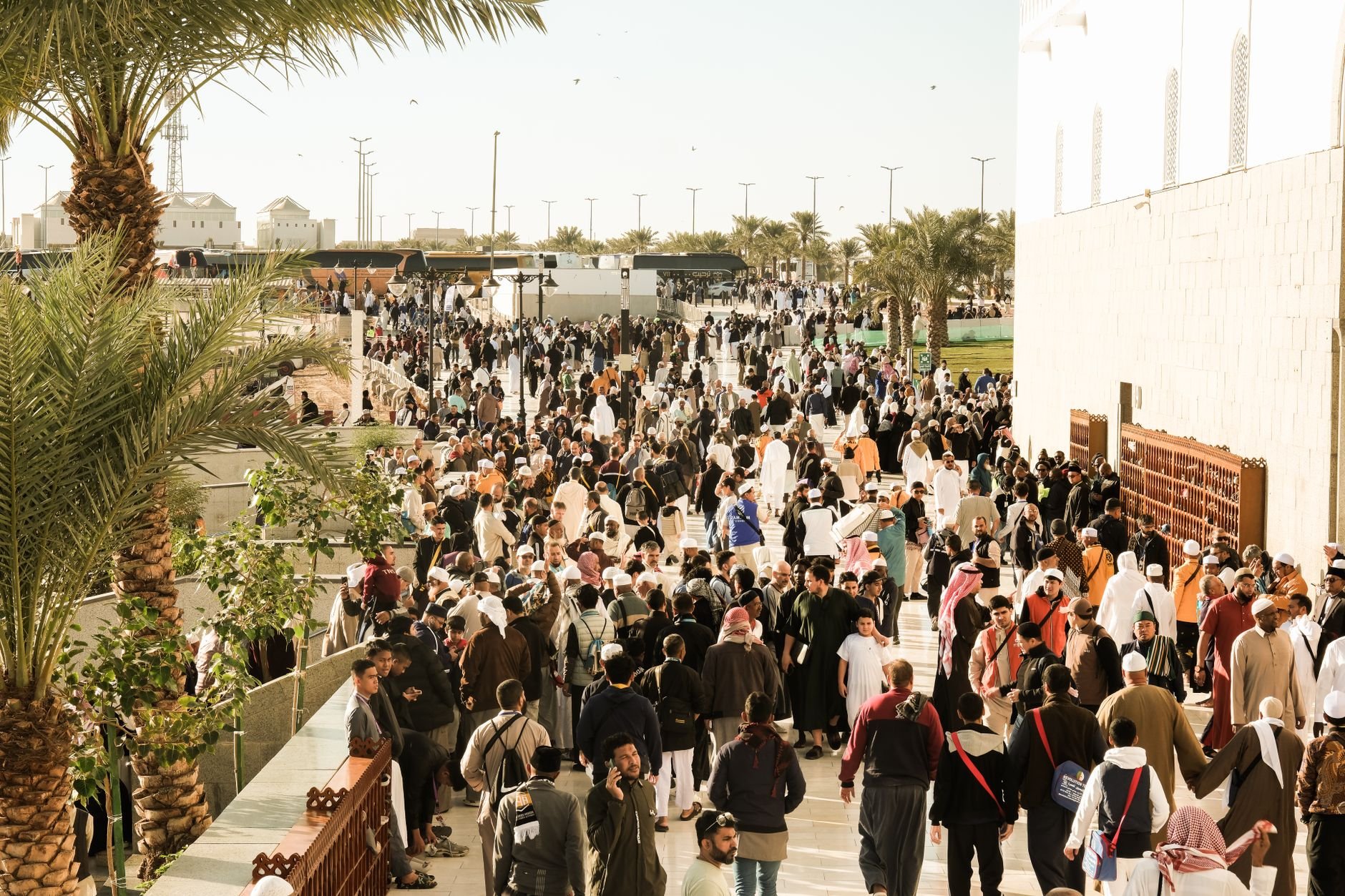
Daily rhythms shift significantly during Ramadan. Many restaurants and cafés adjust their hours around fasting times, often opening later in the day and staying busy well into the night after iftar (the meal breaking the fast at sunset). Malls, attractions, and entertainment venues frequently extend their evening hours, with the liveliest activity after the Taraweeh prayers.
Because schedules vary widely from one venue to another, always verify each place's current Ramadan timings before you go — opening hours posted the rest of the year may not apply during the month.
Are there any Ramadan fees or charges?
A common question among new residents is whether Ramadan brings special fees or mandatory payments. The short answer is no:
- Saudi Arabia has no general Ramadan fee, permit, or mandatory payment for residents.
- Government-service fees, residency (iqama) fees, traffic fines, court fees, business fees, and municipal charges remain service-specific — there is no universal Ramadan price change.
- No Ramadan-specific changes to the fees or validity periods of أبشر, مقيم, قوى, ناجز, نفاذ, توكلنا, or other official platforms are identified for 2026.
For any specific fee or deadline, the most reliable approach is always to check the relevant official Saudi government portal directly.
Tips for a smooth Ramadan as a resident
- Plan errands around shorter hours: government offices and banks close earlier, so handle official tasks early in the day.
- Be respectful of fasting in public: it is customary not to eat, drink, or smoke in public spaces during daylight hours out of respect for those fasting.
- Shift your schedule: expect quieter mornings and much busier evenings, especially around iftar and late at night.
- Experience the atmosphere: iftar gatherings, Ramadan tents, markets, and special menus are a wonderful way to connect with the community — whether you fast or not.
- Confirm Eid timing early: the Eid al-Fitr holiday depends on the moon sighting, so keep an eye on official announcements near the end of the month for travel and leave planning.
Ramadan in the Kingdom is a special time, marked by generosity, family, and a distinctive nightly energy. With a little planning around the adjusted hours, residents of all backgrounds can enjoy the month comfortably.
Stay updated with the latest news, events, sports updates, business insights, real estate and lifestyle stories on Saudi Living — the leading online platform for residents, expats, and visitors in Saudi Arabia.
Follow Saudi Living for daily updates:
- Instagram - @saudiliving
- X - @saudiliving
- Facebook - @saudiliving
- YouTube - @saudiliving
Up Next

Haramain High-Speed Railway: Fares & Booking Guide
Your complete guide to intercity travel on the Haramain High-Speed Railway: routes, fares, booking steps, and travel tips for Saudi residents and expats.
Sep 29,2026
Haramain High Speed Railway: Fares & Booking Guide
Your practical guide to the Haramain High Speed Railway: routes, economy and business fares, booking steps, required documents, and child discounts.
Sep 24,2026
Haramain High-Speed Railway: 2026 Intercity Guide
Your practical 2026 guide to intercity travel on the Haramain High-Speed Railway: routes, Economy and Business fares, booking tips, and what to expect.
Sep 18,2026
Ramadan in Saudi Arabia: A Resident's Guide
Everything residents and expats need to know about Ramadan in Saudi Arabia: work hours, dining rules, timings, iftar traditions and practical tips.
Sep 17,2026Related Stories



Don't Miss Similar Listings
Be the first to know when new stories on this topic are published.