
Ramadan in Saudi Arabia: A Resident's Guide
Ramadan is one of the most meaningful times of the year in Saudi Arabia, and it reshapes daily life for everyone in the Kingdom — Muslims and non‑Muslims, citizens and residents alike. Streets grow quiet by day and come alive after sunset, working hours change, and public conduct expectations shift. This guide from سعودي ليفنج walks you through the practical essentials so you can navigate the holy month respectfully and smoothly.
Key dates for 2026
Ramadan 1447 AH began in Saudi Arabia on 18 February 2026 and lasts 30 days. Eid al‑Fitr falls on 20 March 2026, marking the end of the fasting month. As with all Islamic dates, the exact start and end depend on the official moon sighting, so treat these as the confirmed dates for this year.
Public conduct during fasting hours
During daylight fasting hours, eating, drinking, and smoking in public are prohibited for everyone — including non‑Muslims. This applies not only in obvious places but across streets, malls, workplaces, and even inside your car. It's one of the most important rules for residents to internalize early.
- Do not eat, drink, or smoke in public view during daylight hours.
- Avoid playing loud music, dancing, or using offensive language in public, especially during the day.
- Many restaurants and cafés serve only after sunset; some offer discreet takeaway or curtained areas during the day.
- You can eat and drink freely at home or in designated private spaces.
These expectations are about respect for those fasting, and following them keeps you well within the law and social norms.
Working hours and your rights
Ramadan brings reduced working hours, and this is a legal entitlement — not unpaid or "missing" time.
- Private sector (Muslim employees): hours are capped at 6 down from the usual maximum of 8
- Public sector: government offices typically operate 10:00–15:00 (about 5 hours per day).
- Staggered shifts: authorities announced staggered public‑sector timings during Ramadan — such as 9:30–14:30, 10:30–15:30, or 11:30–16:30 — for different groups of employees.
If your employer treats the reduced Ramadan hours as leave or deducts pay, that is not consistent with labor law. When in doubt, confirm your entitlements through the relevant official channels.
Using digital services during Ramadan
Government platforms adjust their live‑support windows during Ramadan, so timing your requests helps avoid delays.
- أبشر: live‑agent service desks generally operate around 10:00–15:00 and 21:00–00:00. Tickets raised outside these windows may not be picked up until the next service period.
- توكلنا: support runs on similar Ramadan windows, roughly 10:00–15:00 and 21:00–00:00.
If one platform is unreachable, you usually have alternatives:
- If أبشر is down, you can still show a digital iqama and perform most basic identity checks through توكلنا, while مقيم's visa‑validity sub‑portal handles iqama and visa status checks without a full login.
- If توكلنا is unavailable, أبشر remains the primary channel for the digital iqama and Ministry of Interior services. The national health app shows health records, and the Ministry of Interior public query layer allows read‑only iqama and traffic‑fine lookups.
Importantly, police accept an electronic iqama shown through national digital‑identity apps during Ramadan checks, so you don't need to carry a physical card.
Mosques and religious activities
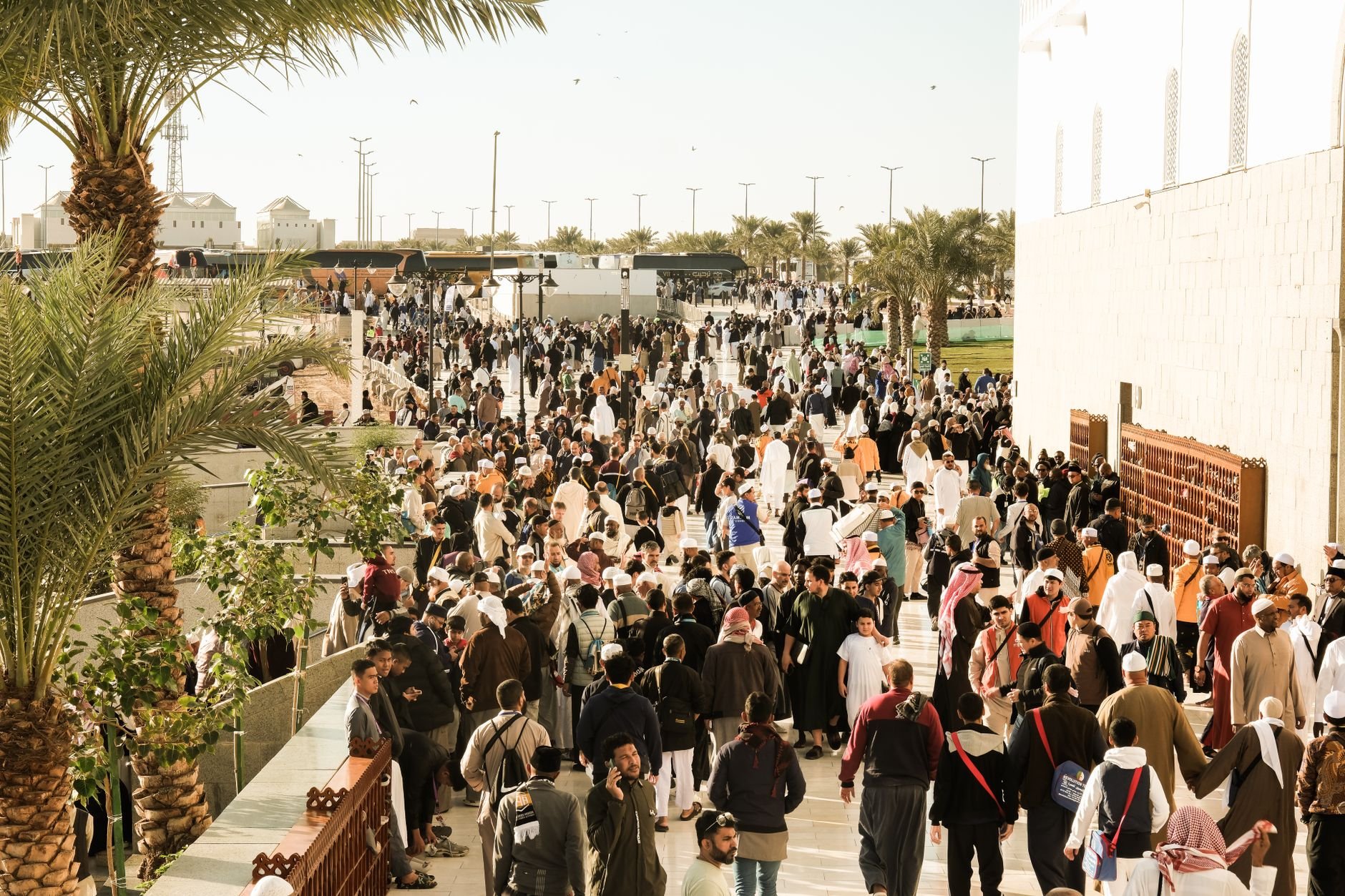
Ramadan sees increased activity at mosques, including Taraweeh prayers and community iftars. Non‑Saudi residents who wish to register for certain organized religious activities during Ramadan may need to complete official registration steps. Because requirements and access can vary, confirm the current process through the relevant official Saudi portal before signing up.
Making the most of the month
Beyond the rules, Ramadan is a genuinely special time to experience life in the Kingdom. Evenings bring lively markets, generous iftar spreads, and a strong sense of community. Plan errands and outdoor activity for after sunset, keep your daytime schedule light, and be patient with traffic in the hour before iftar. A little planning turns the adjustments into one of the most memorable seasons of the Saudi year.
Stay updated with the latest news, events, sports updates, business insights, real estate and lifestyle stories on Saudi Living — the leading online platform for residents, expats, and visitors in Saudi Arabia.
Follow Saudi Living for daily updates:
- Instagram - @saudiliving
- X - @saudiliving
- Facebook - @saudiliving
- YouTube - @saudiliving
Up Next

Ramadan in Saudi Arabia: A Resident's Guide
Everything residents and expats need to know about Ramadan in Saudi Arabia: work hours, dining rules, timings, iftar traditions and practical tips.
Sep 17,2026
Ramadan in Saudi Arabia: A Resident's Guide
Everything residents and expats need to know about Ramadan in Saudi Arabia: fasting rules, public conduct, work hours, fines, and daily life tips.
Sep 15,2026
Ramadan in Saudi Arabia: A Resident's Guide
Everything residents and expats need to know about Ramadan in Saudi Arabia: fasting rules, working hours, mall timings, and daily life tips.
Sep 13,2026
Ramadan in Saudi Arabia: A Resident's Guide
Everything residents and expats need to know about Ramadan in Saudi Arabia: working hours, Absher services, iftar rules, and i'tikaf.
Sep 12,2026Related Stories




Don't Miss Similar Listings
Be the first to know when new stories on this topic are published.


