
Ramadan in Saudi Arabia: A Resident's Guide

Ramadan is one of the most meaningful times of the year in Saudi Arabia, and for residents — whether Muslim or not — it reshapes daily rhythms in ways worth understanding. Ramadan 2026 (1447 AH) is expected to begin around 18–20 February 2026 and last 29 or 30 days, with the exact start confirmed by moon sighting. This guide from سعودي ليفنج walks you through the practical realities: what's allowed in public, how work and business hours change, and how to make the most of the season.
What the fast means day to day
From dawn (Fajr/Imsak) until sunset (Maghrib), Muslims abstain from food, drink, and smoking. As a resident, the most important rule to know is this: eating, drinking, or smoking in public during daylight fasting hours is prohibited for everyone, including non-Muslims, and it is actively enforced.
Non-Muslims are not required to fast, but they must avoid consuming anything in public during fasting hours. This includes:
- Streets, parks, and public squares
- Malls and shopping centers
- Offices and other shared spaces
- Vehicles with open windows
Eating and drinking at home, or in designated private areas, is perfectly fine. Simply be discreet and considerate in public until iftar.
When and where to eat
During the day, most restaurants, cafés, and mall food courts are closed to the public and reopen after iftar. Once the sun sets, the country comes alive: many venues operate from around sunset until 1:00–3:00 a.m., and many also serve suhoor until roughly 3:00–4:00 a.m.
Practical tips:
- Stock your kitchen for daytime meals and hydration at home.
- Book iftar reservations early — popular venues fill up fast, especially on weekends.
- Delivery apps are busiest right before iftar, so order ahead to avoid long waits.
How working hours change
Working hours are officially reduced during Ramadan. Public-sector offices commonly run around 9:00 a.m. to 2:00 or 3:00 p.m. on staggered shifts. In the private sector, Muslim employees are generally limited to about six working hours
Plan your day around a shorter, front-loaded schedule. Mornings tend to be the most productive window, while afternoons slow down as people prepare for iftar.
Government services and processing times
Government offices, banks, and many businesses tend to open later in the morning — often around 10:00 a.m. — and reopen in the evening after iftar. Expect longer processing times overall and plan any in-person errands within the shortened daytime windows.
For digital platforms tied to civil affairs and e-services, live-agent support desks typically run reduced Ramadan hours, roughly 10:00 a.m.–3:00 p.m., with an evening shift around 9:00 p.m.–12:00 a.m. Whenever possible, use online portals such as أبشر and مقيم to handle transactions without visiting a counter, and always confirm current desk hours on the relevant official Saudi government portal before heading out.
Mall and shopping hours in Riyadh
Major shopping malls in الرياض switch to split Ramadan shifts: a daytime session roughly 11:00 a.m.–5:00 p.m., then an evening session starting around 8:30–9:00 p.m. and closing near 1:00–2:00 a.m. A few examples:
- Riyadh Front (near مطار الملك خالد الدولي): daytime opening from late morning to late afternoon, with an evening opening around 8:30 p.m. and restaurants and cafés often running until about 3:00 a.m.
- Granada Mall (Eastern Ring Road, Granada district): similar split-shift hours, with restaurants and cafés open roughly 5:00 p.m.–3:00 a.m. and cinemas operating into the early hours.
- The Boulevard Riyadh City (Hittin area): an evening peak from about 9:00 p.m. onward, making it a lively late-night destination during the season.
Making the most of the season
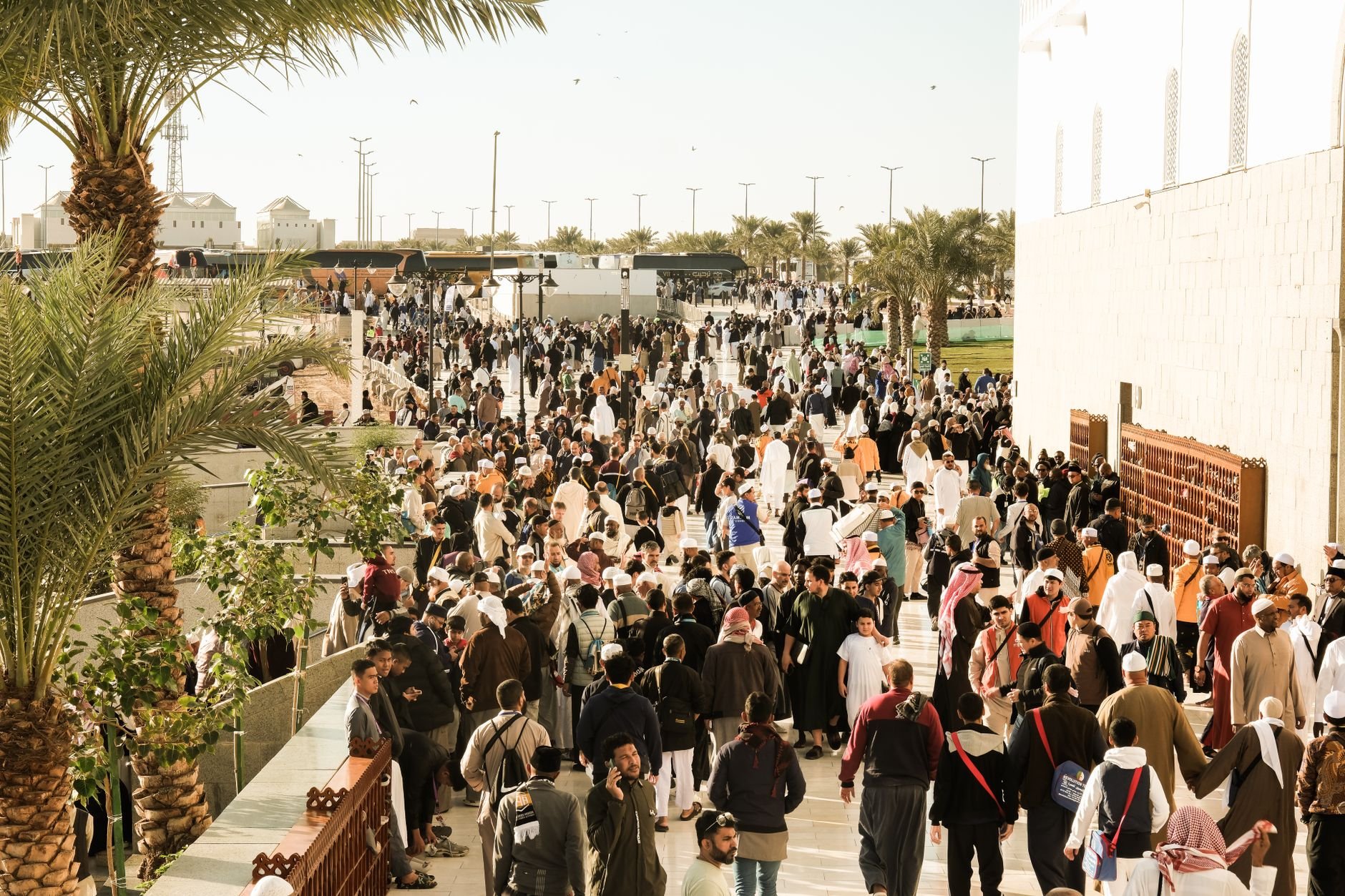
Ramadan is deeply social in Saudi Arabia. Neighborhoods light up, mosques fill for Taraweeh prayers, and families and friends gather nightly for iftar and suhoor. As a resident, this is a wonderful time to accept invitations, explore Ramadan tents and markets, and experience local hospitality at its warmest.
- Shift errands and workouts to the evening once temperatures cool and the city reopens.
- Greet others with "Ramadan Kareem" — a small gesture that's always appreciated.
- Be patient on the roads just before iftar, when traffic peaks as people rush home.
With a little planning, Ramadan quickly becomes one of the most rewarding times to live in the Kingdom.
Stay updated with the latest news, events, sports updates, business insights, real estate and lifestyle stories on Saudi Living — the leading online platform for residents, expats, and visitors in Saudi Arabia.
Follow Saudi Living for daily updates:
- Instagram - @saudiliving
- X - @saudiliving
- Facebook - @saudiliving
- YouTube - @saudiliving
Up Next

Ramadan in Saudi Arabia: A Resident's Guide
Everything residents and expats need to know about Ramadan in Saudi Arabia: working hours, Absher services, iftar rules, and i'tikaf.
Sep 12,2026
Ramadan in Saudi Arabia: A Resident's Guide
Everything residents and expats need to know about living, working, and shopping during Ramadan in Saudi Arabia, from etiquette to work hours.
Sep 10,2026
Haramain High Speed Railway: Fares & Booking 2026
A practical guide to intercity travel on the Haramain High Speed Railway: routes, 2026 fares, child pricing, discounts, and how to book officially.
Sep 9,2026
Ramadan in Saudi Arabia: A Resident's Guide
Everything residents need for Ramadan in Saudi Arabia: reduced work hours, Jawazat timings, online services, Tawakkalna, and etiquette tips.
Sep 8,2026Related Stories




Don't Miss Similar Listings
Be the first to know when new stories on this topic are published.


